Last updated: July 2026.
Decoding ADEA AADSAS in 2026
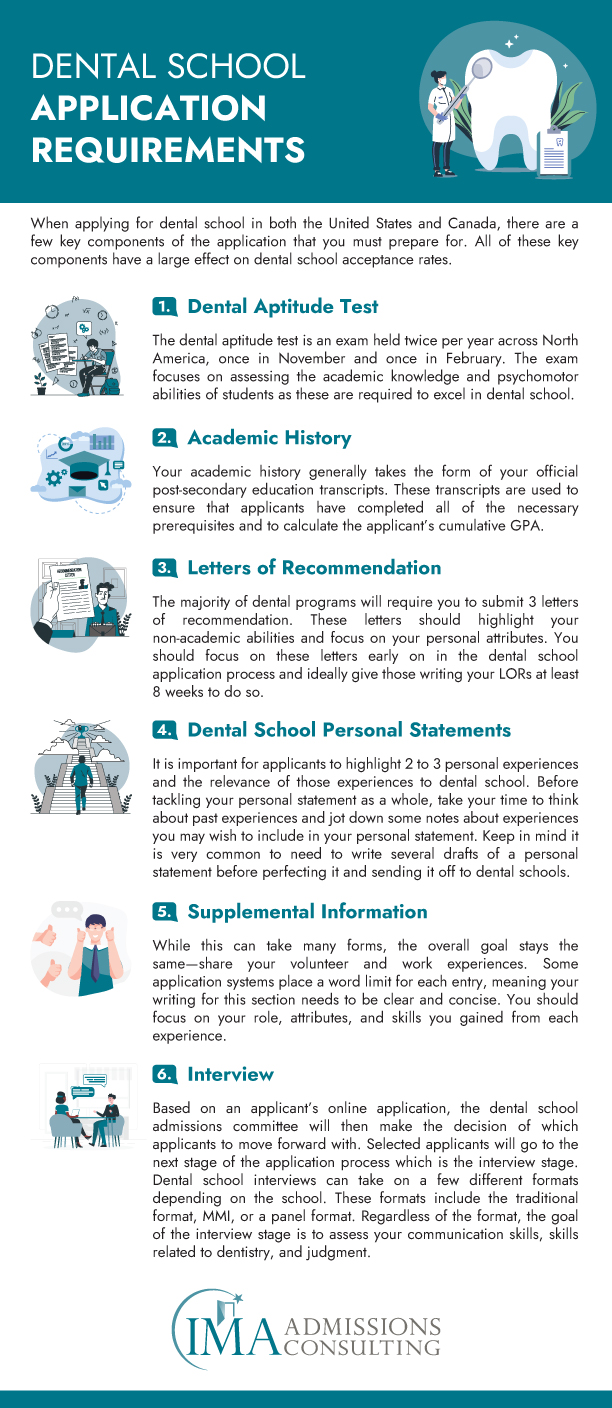
The journey to dental school starts with understanding ADEA AADSAS. Standing for American Dental Education Association Associated American Dental Schools Application Service, ADEA AADSAS is a centralized application hub. It streamlines your path to multiple dental schools with one consolidated application, ensuring efficiency and simplicity.
As of 2026, ADEA’s membership encompasses 86 U.S. and Canadian dental schools, and there are now 78 accredited dental schools in the United States alone, with new programs continuing to earn accreditation. That growing number means more options for applicants, but also more decisions to make about where to apply, how to budget application fees, and how to present yourself consistently across a larger pool of programs.
For the Fall 2024 entering class, there were 12,491 applicants, with 6,719 enrolling as first-year dental students. The 2025 entering class was the largest cohort since 2000, and applicant growth is beginning to outpace available seats. The average dental school acceptance rate sits at roughly 16%, meaning about 1 in 6 applicants receives an offer. These numbers make a well-prepared, well-timed AADSAS application more important than ever.
If you are still early in your pre-dental planning and want to estimate where you stand for health professions admissions overall, the IMA Pathfinder admissions calculator can help you gauge your competitiveness based on your academic profile and experiences.
Mapping Out the AADSAS Application Timeline for 2026-2027
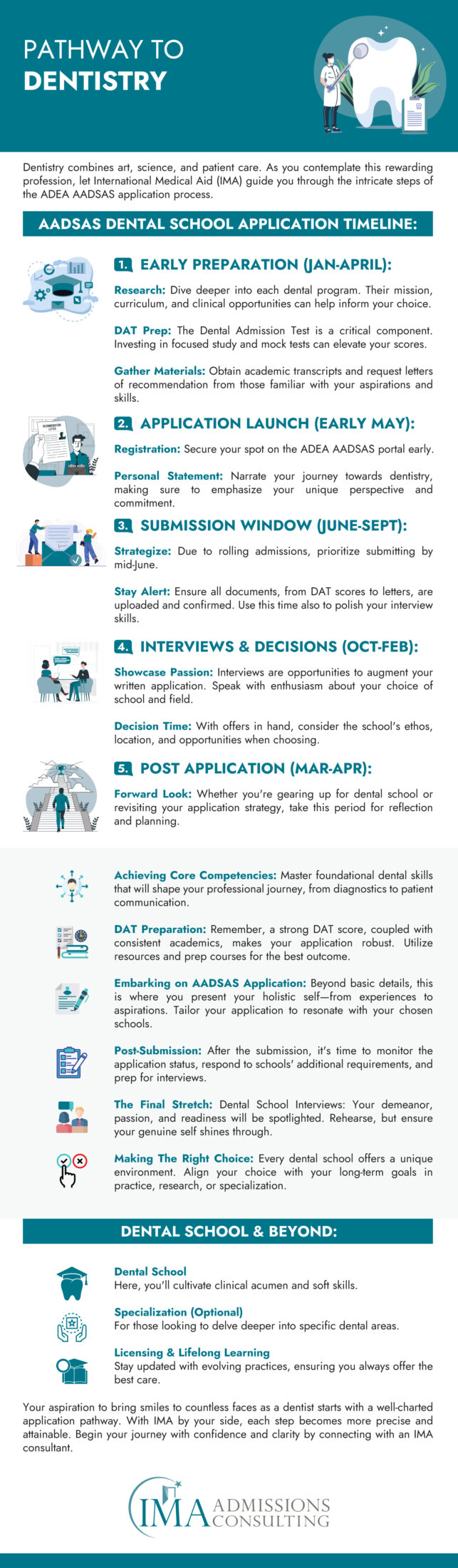
Applying to dental school is a phased journey. Knowing the AADSAS application timeline is essential to strategize and optimize your chances.
The ADEA Associated American Dental Schools Application Service (AADSAS) operates on an annual cycle. For the 2026-2027 cycle, the application opens on May 12, 2026, with the first day to submit on June 2, 2026. The cycle closes on February 5, 2027, with the acceptance notification date set for December 15, 2026. Moving forward, ADEA has standardized this schedule: the application opens the second Tuesday in May, applicants can submit three weeks after opening, and the cycle closes the first Friday in February.
Don’t mistake this long window for an invitation to procrastinate. Dental schools often use rolling admissions, meaning they evaluate applications as they arrive. The earlier you are in the mix, the better your chances.
Early Preparation: January to April
Research: Begin by looking into dental schools, their requirements, and what distinguishes one program from another. Not all dental programs are created equal. Websites, forums, and consulting with current students or alumni are invaluable at this stage. Bookmark the dental school acceptance rates guide to keep yourself informed.
DAT Prep: The Dental Admission Test (DAT) is your ticket to standing out. Allocate ample time for preparation. Note that as of March 2025, the DAT uses a new 3-digit scoring scale (200 to 600), replacing the old 1-to-30 scale. The national average on the new scale is approximately 400 (50th percentile), and competitive matriculants typically score in the 420 to 440 range. Consider joining a prep course and check our DAT guide to equip yourself with the latest information.
Gather Transcripts and Letters of Recommendation: Approach your recommenders early, giving them ample time to craft compelling letters. For the 2026-2027 cycle, ADEA has added 13 new relationship and characteristic questions that evaluators must answer when submitting letters through the Liaison Letters portal. Giving your recommenders advance notice of these new requirements will help them prepare thoughtful responses. Simultaneously, ensure you have all your academic transcripts handy.
Budget for Application Fees: The AADSAS application fee is $264 for the first dental school and $115 for each additional school. If cost is a concern, the ADEA Fee Assistance Program (FAP) covers the first three school applications (a $494 value). FAP applications for the 2026-2027 cycle should be submitted between April 15, 2026, and May 15, 2026. Applicants applying to AADSAS-participating Canadian dental schools receive a 25% discount on each Canadian school application to account for the exchange rate difference.
When Does the Dental School Application Open? May 2026
The AADSAS application opens on May 12, 2026, with the first submission date on June 2, 2026. Start by:
Creating an Account: Register on the ADEA AADSAS portal. The portal has been updated with an improved mobile user experience for the 2026-2027 cycle, offering a more modern interface with optimized workflows for mobile devices.
Drafting Your Personal Statement: This is your chance to shine and show the best dental schools why you are a unique fit. Remember to align your statement with your desired contributions to the field of dentistry.
Answering New Application Questions: For the 2026-2027 cycle, ADEA has added a new question: “Please explain any other responsibilities you may have outside of being a student.” Dental schools use this field to understand your full context, including caregiving responsibilities, part-time work, and family obligations. Answer honestly and specifically.
Submission Window: June to September
June: Aim to submit your application as close to June 2, 2026, as possible. Given the rolling admissions model many dental schools employ, early submissions stand out.
July to September: Monitor your application’s status via the portal. Ensure all documents, including DAT scores, are sent and received. The first Academic Update period runs from August 13 to September 29, 2026, allowing you to add new coursework or grades. This period also marks the peak for interviews. Prepare thoroughly and consider mock interviews.
Interviews and Decisions: October to February
October: Most early applicants will have secured interview slots by this month. Use this time to research the schools you are interviewing at, prepare questions, and rehearse answers. If you want a framework for how to approach interview preparation across health professions, this guide on questions to ask during your interview covers strategies that apply to dental school interviews as well.
November to February: As the AADSAS cycle winds down, decisions start rolling in. The acceptance notification date is December 15, 2026. The second Academic Update period runs from December 1, 2026, to February 5, 2027. Celebrate your acceptance and weigh your options carefully if faced with multiple offers.
Post Application: March and Beyond
March: Most schools will have finalized their decisions by now. Hold onto hope if you are on waitlists, as spots can open up.
April: Use this month for reflection. Whether you secured a dental school spot or are considering re-application, assess your journey, gather feedback, and plan your next steps. If you are considering reapplying, understanding application timing and late applications can help you approach the next cycle more strategically.
While the road to dental school might seem intricate, breaking it down into phases can simplify the process. By meticulously mapping out the AADSAS application timeline, you ensure that you are not just a step ahead but also making informed, strategic decisions at every juncture.
Laying the Foundation: Pre-AADSAS Application Steps
Before you tackle the AADSAS application, ensure your base is strong, detailed, and resilient. Certain preparatory steps will set the tone for a compelling application and help you avoid scrambling at the last minute.
Meeting Dental School Prerequisites
Dental schools, while having unique attributes, largely converge on a set of prerequisites that candidates must fulfill. These courses are non-negotiable, ensuring each student enters with a standardized understanding of the essential dental sciences. In addition to showcasing your academic readiness, they testify to your commitment and preparedness for the rigors of dental education. The average GPA for enrolled dental students in the most recent entering class was 3.59, according to ADEA data.
Common Pre-DAT Dental School Prerequisites
Biology with Lab: One to two years of general biology coursework usually serves as the bedrock for more advanced dental sciences.
General Chemistry with Lab: A year’s coursework in chemistry introduces you to molecular interactions, vital for understanding drug interactions and chemical processes in dentistry.
Organic Chemistry with Lab: This typically one-year course covers chemical structures and reactions crucial for pharmacology and materials used in dentistry.
Physics with Lab: Often a one-year requirement, physics provides an understanding of forces, movements, and energy, which are foundational for dental procedures and equipment.
English: At least a year of English ensures you can effectively interact with patients, staff, and peers.
Mathematics: Courses in statistics or calculus equip you with analytical skills essential for interpreting research and understanding quantitative aspects of patient care.
If you are still building your prerequisite coursework and want a broader look at how to prepare for health professions applications, the Premed 101 guide covers foundational planning that overlaps significantly with pre-dental preparation.
Achieving Core Competencies
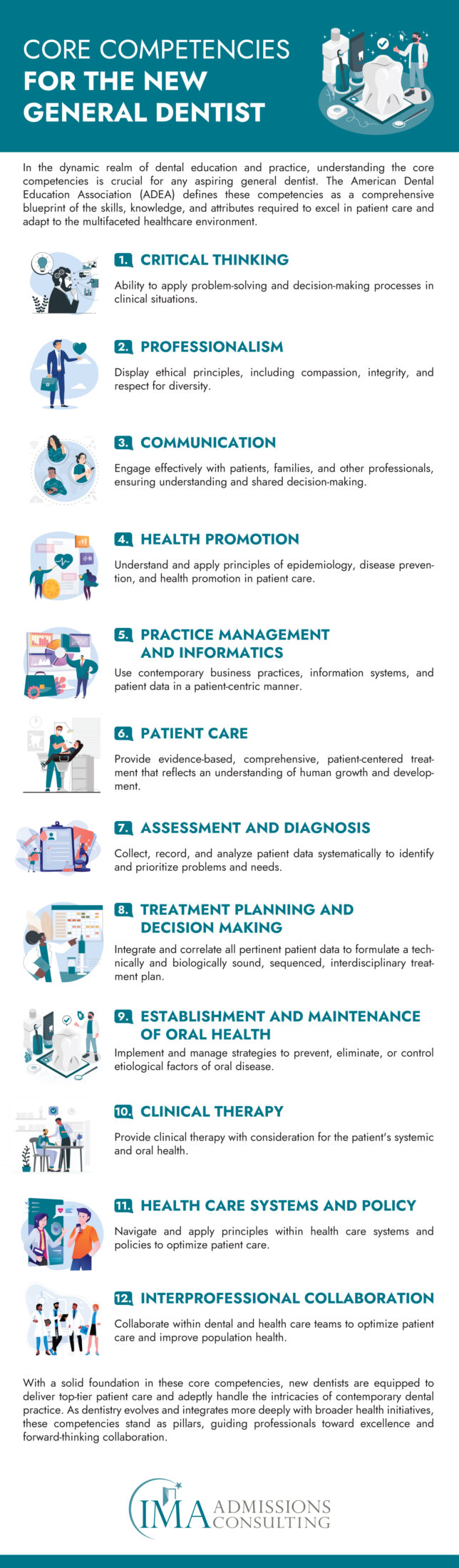
Beyond the academic prerequisites, dental schools seek candidates with a broader skill set. The ADEA has outlined core competencies as markers of a well-rounded, competent dental school candidate. These competencies ensure that aspiring dentists have the technical knowledge and the personal and professional attributes to succeed in the field.
The ADEA’s Core Competencies
Critical Thinking: The ability to gather, interpret, and evaluate information objectively is paramount in dentistry.
Professionalism: Adherence to ethical principles, commitment to ongoing learning, and demonstrating empathy and respect solidify one’s role as a trusted healthcare provider.
Communication Skills: Dentists interact with a diverse array of individuals. Effective oral and written communication and active listening skills are crucial.
Health Promotion: Understanding preventive health, disease prevention, and overall wellness is integral to a dentist’s role.
Practice Management and Informatics: This competency revolves around effectively managing a dental practice and leveraging technological tools to enhance patient care.
Patient Care: At the heart of dentistry is patient care. This encompasses assessing, diagnosing, planning, implementing, and evaluating treatment interventions effectively.
Scientific Knowledge: A sound grasp of biomedical, clinical, and dental sciences underpins every decision in patient care.
Dental schools look for candidates with core competencies ranging from ethical reasoning to scientific knowledge. Familiarize yourself with these core competencies as set by ADEA.
When Should You Take the DAT?
Ideally, you should take the DAT right after wrapping up your junior year, especially after completing your organic chemistry courses. This period provides a sweet spot, balancing the relevance of recently learned concepts and the timeline for dental school applications. The ADEA’s recommendation aligns with this, suggesting students take the exam at the end of the spring semester of their junior year.
Keep in mind that updated organic chemistry test specifications took effect in April 2026. Students testing from May 2026 onward should review the new specifications on the ADA website. While the changes are not dramatic, topic names have been simplified and restructured, so your study materials should reflect the current format.
Registration and Prepping for the DAT in 2026
The first tangible step on your testing journey will be registration. As of 2026, the DAT registration fee is $560. This fee covers the exam itself and score reports to up to five dental schools you designate during registration. If you need to send additional score reports after testing, each additional report costs $50.
If cost is a barrier, the ADA offers partial fee waivers that cover 50% of the DAT fee. These waivers are released in limited batches on January 1, April 1, and July 1 each year, so plan accordingly.
Upon registration, a stream of instructions will guide you through the computerized testing process at a nearby Testing Center. While the ADA sets the stage with available dates and times, you can pick what aligns with your schedule.
During this process, you will also be assigned your DENTPIN, an identifier that will be your companion throughout the application process. Safeguard it carefully.
Understanding the New DAT Scoring Scale
One of the most significant recent changes to the DAT is the new scoring system. Effective March 1, 2025, the ADA replaced the old 2-digit scale (1 to 30) with a 3-digit reporting scale (200 to 600). The national average on the new scale is approximately 400, representing the 50th percentile. Competitive matriculants typically score in the 420 to 440 range.
Another important change: unofficial score reports are no longer available immediately at the testing center. Official scores are now delivered electronically within approximately three to four weeks of your test date. Plan your application timeline accordingly, because you will not know your score on test day.
What the DAT Evaluates
The DAT evaluates three central competencies:
Overall Academic Ability: Does your foundational knowledge make the cut?
Scientific Understanding: How well can you work through intricate scientific concepts?
Perceptual Ability: How do you perceive, interpret, and respond to spatial and visual information?
The Dental Admission Test is a crucial gatekeeper in your dental school journey. It assesses:
Survey of the Natural Sciences: Your foundational scientific knowledge.
Perceptual Ability: Essential for procedures like crafting dental molds.
Reading Comprehension: The ability to understand dense medical and scientific texts.
Quantitative Reasoning: Skills necessary for dosage calculations and more.
How DAT Scores Reach Dental Schools
Your DAT registration fee covers score reports to up to five dental schools that you designate during registration. All official DAT scores are also sent from the ADA to ADEA AADSAS, meaning the schools you apply to through AADSAS will receive your scores as part of your verified application. If you want to send scores directly to additional schools beyond your initial five, you can order extra reports for $50 each.
Official scores take approximately three to four weeks to reach AADSAS after your test date. Because dental schools prioritize complete applications, submitting all components, including your test scores, early works in your favor.
Retakes: Proceed with Caution
Unsatisfied with your test score? The ADA allows retakes, but the current policy requires a 60-day waiting period between attempts (not 90 days, as was previously required). You are permitted up to four administrations within any 12-month period. After three attempts, you must obtain special permission from the ADA for additional testing.
Here is a practical consideration: because unofficial scores are no longer available at the testing center, you will wait three to four weeks just to learn your score. Factor this into your retake planning. A delay in your scores can ripple into your application timeline. Start early, prepare diligently, and aim for a score that aligns with your target schools.
The CASPer Test: A Growing Requirement
An increasing number of dental schools now require the CASPer (Computer-Based Assessment for Sampling Personal Characteristics) test as part of their admissions process. CASPer is a situational judgment test that evaluates non-academic qualities like professionalism, ethics, communication, and empathy through timed video-based and written scenarios.
As of 2026, approximately 14 dental schools require CASPer. This number has grown steadily. Before finalizing your school list, check each program’s specific requirements to determine whether CASPer is mandatory, recommended, or not used. CASPer results cannot be studied for in the traditional sense, but familiarizing yourself with the test format and practicing timed written responses will help you perform more naturally on test day.
Dental Realities: Shadowing and Manual Dexterity
Aspiring to be a dentist is more than just mastering the theoretical aspects of the profession; it is about understanding the practical day-to-day operations and mastering the delicate hand skills essential for patient care. International Medical Aid offers opportunities to witness these realities up close.
Shadow a General Dentist with International Medical Aid
Understanding the nuances of dental practice goes beyond textbooks and lectures. To truly comprehend the daily life of a dentist, you need to spend time in the setting. This is where shadowing becomes invaluable. Shadowing provides prospective dental students with a real-world view of the profession, allowing them to witness firsthand the challenges and rewards of dental practice.
Benefits of Shadowing with International Medical Aid
Direct Observation: Engage in observing various dental procedures, from routine cleanings to more complex surgical interventions.
Interpersonal Skills: Watching a dentist interact with patients can teach you the art of communication, empathy, and patience, essential traits for a healthcare provider.
Networking: Building relationships early on can offer long-term benefits, including mentorships and potential job opportunities.
Diverse Exposure: International Medical Aid’s Dentistry Internships give students access to dental practices, including those in underserved areas, providing a broader perspective of global dental care.
If you are aiming to build a robust dental school application, it is essential to have shadowing hours under your belt. International Medical Aid offers structured programs that help you fulfill this requirement and ensure the experience is rich, diverse, and professionally supervised. High school students considering dental careers can also benefit from understanding what dental internships look like at the high school level before committing to a pre-dental track.
Honing Manual Dexterity: An Artful Approach to Dentistry
Dentistry is a profession of precision. The slightest misalignment or error can result in significant issues, making manual dexterity an indispensable skill for aspiring dentists. Just as an artist crafts their work with meticulous hand movements, a dentist must have impeccable hand skills to ensure safe and effective patient care.
Ways to Enhance Your Manual Dexterity
Engage in Sculpting: Creating sculptures, especially those that require fine detailing, can significantly enhance hand-eye coordination. This hobby mirrors the precision needed for dental procedures.
Try Intricate Crafts: Activities like needlepoint, model-building, or even jewelry-making demand steady hands and focused attention, echoing the concentration required in dentistry.
Play Musical Instruments: Instruments, particularly those like the guitar or piano, need finger dexterity. Learning and practicing can be an enjoyable way to build manual skills.
Participate in Dental Workshops: International Medical Aid often holds workshops where you can practice on dental manikins, allowing you to get a feel for actual dental procedures.
Feedback from Professionals: If you are shadowing through International Medical Aid, take the opportunity to discuss your interest in improving manual dexterity. Many dentists offer insights and even supervised practice sessions to help.
Incorporating shadowing and manual dexterity into your pre-dental school journey is not just about building an impressive CV. These experiences, particularly when gained through structured organizations like International Medical Aid, shape you as a professional. They provide context, hone skills, and instill a grounded understanding of dentistry’s tangible and intangible aspects.
Embarking on the ADEA AADSAS Application Journey
Entering the realm of dental academia requires more than passion and skill; it demands diligence, preparation, and an impeccable application. The ADEA AADSAS application serves as your passport to dental school, and every section contributes to crafting your academic narrative.
Personal and Other Information: Crafting Your First Impression
The first part of any application introduces you to the admissions committee. This is your initial handshake, your first impression. It is crucial to get it right.
Key Components
DENTPIN: Short for Dental Personal Identifier Number, the DENTPIN acts as your unique ID throughout your dental education journey. This number is your constant identifier for tests like the DAT or applications like AADSAS. Registering for a DENTPIN well in advance and keeping the information secure is imperative.
Felony and Misdemeanor Convictions: Integrity and transparency are paramount in healthcare. Any past convictions, whether a felony or misdemeanor, must be disclosed upfront. Being forthright about your past ensures trust and can be discussed further during interviews.
License and Academic Infractions: As with legal convictions, any discrepancies during your academic tenure or with professional licenses you hold should be clearly stated. This includes academic probation, code of conduct violations, or other infractions.
New for 2026-2027: The application now includes a question asking you to explain responsibilities you have outside of being a student. Use this space to give admissions committees genuine context about caregiving duties, employment, or other obligations that shape how you manage your time.
Remember, this section is not merely about data entry. It is a reflection of your personal history, ethics, and integrity.
Your Academic Trail: Showcasing Your Scholastic Record
The essence of your application lies in your academic achievements. It is a testament to your dedication, intellectual ability, and suitability for a rigorous dental program.
Transcript Requests
This is where your academic history, from your undergraduate years and beyond, comes into play. Make sure to request transcripts early to avoid last-minute issues. It is also advisable to order a copy for yourself to cross-check and ensure accuracy.
My Programs
Strategic Applications: The flexibility offered by AADSAS to apply to multiple schools is an advantage. However, the key is being discerning and targeting institutions that align with your goals. With 78 accredited U.S. dental schools and 10 in Canada now participating, building a thoughtful school list matters more than applying broadly without purpose.
In-depth Research is Crucial: Before adding a school to your “My Programs” list, ensure you:
Examine the Curriculum: Understand the courses and teaching methods provided.
Consider the Location: Evaluate the surroundings and potential living conditions. Determine if it suits your preferences.
Review Opportunities: Identify the scope for hands-on learning, clinical exposure, or research projects.
Study Alumni Profiles: Recognize the potential network and opportunities the institution offers through its alumni.
Assess Financial Aspects: Look into tuition, potential scholarships, and financial aid to ensure feasibility. Remember that fees add up quickly: $264 for your first AADSAS school plus $115 for each additional program.
Check for CASPer Requirements: Verify whether each school requires the CASPer test. Adding a school to your list without completing their required assessments wastes your application fee.
Personalize Your Application: Every dental school has its unique characteristics and values. Customizing your application to reflect an understanding and alignment with each school’s ethos can set you apart.
Transcript Entry and Coursework
This section requires meticulous attention. You will need to enter coursework for each academic term. It is not just about grades; it is about the courses you chose, the rigor of your curriculum, and how you performed over the years.
Your academic history often becomes the first filter in the selection process. Any discrepancy or error can cost you dearly. While grades play a significant role, the full academic journey, with all its highs and lows, paints the complete picture.
Tests, Letters, and Supporting Information: Enhancing Your AADSAS Profile
The AADSAS application showcases diverse aspects of your persona, going beyond just your academic achievements. It examines who you are, what you have done, and your aspirations.
The Academic Litmus Test
The Dental Admission Test is a rite of passage for every dental school aspirant. This test evaluates your knowledge in areas fundamental to dentistry, like biology, chemistry, and perceptual ability. Your score is often one of the first metrics admission committees consider, making it vital to prepare thoroughly and aim for an impressive score. On the current 200-to-600 scale, scores in the 420 to 440 range place you competitively among enrolled students.
Letters of Recommendation: Voices Vouching for You
The Importance of an External Voice
Letters of recommendation serve as more than just formalities in your application process. They are your endorsements, highlighting facets of your character and professionalism that are not always evident through grades or personal essays. A strong recommendation can provide a lens into your work ethic, determination, interpersonal skills, and other critical attributes that dental schools value.
What Changed for 2026-2027: New Evaluator Questions
For the current cycle, ADEA has introduced 13 new relationship and characteristic questions that evaluators must answer when submitting letters through the Liaison Letters portal. These questions give admissions committees a more structured way to assess applicant qualities beyond a traditional narrative letter. When approaching recommenders, share this information with them so they can prepare for the new format and respond thoughtfully rather than being caught off guard.
Different Types of Recommendation Letters and Their Significance
Individual Letters: A Close-Up View
- Origins and Impacts: These are usually penned by individuals who have had a close professional or academic relationship with you. This might be a faculty member who recognized your analytical skills in class, a research advisor who collaborated with you on a project, or a dentist who observed your dedication during shadowing sessions.
- Key Takeaways: What is invaluable here is the depth of observation. These letters often contain anecdotal evidence of your dedication, showcasing your diligence, or moments highlighting your passion for dentistry.
Committee Letters/Packets: The Collated Assessment
- Origins and Impacts: Typically generated by institutions with a dedicated pre-health committee, these letters are collective evaluations. They draw upon feedback from multiple faculty members, advisors, and other relevant personnel.
- Key Takeaways: Such letters provide an aggregate assessment. The fact that multiple academicians come together to vouch for a candidate’s suitability adds considerable weight to an application. It often denotes a consensus on the candidate’s aptness for the rigors of dental school.
Composite Letters: The Panoramic Perspective
- Origins and Impacts: As the name suggests, these are assembled from various recommendation sources. This could mean combining insights from a project mentor, a volunteering supervisor, and a senior dentist you have worked with.
- Key Takeaways: Offering a multifaceted view of the applicant, these letters illuminate the candidate’s versatility. They show how the applicant has performed in varied environments, whether a challenging academic scenario, a community service setup, or a clinical setting.
Guidelines for Securing Strong Recommendations
- Choose Wisely: It is vital to approach individuals who know you well rather than those with impressive titles but a limited understanding of your attributes.
- Provide Context: When requesting a recommendation, furnish your recommender with your CV, personal statement, or any other relevant document. This helps them craft a more informed and impactful letter.
- Maintain Communication: Keep your recommenders in the loop regarding deadlines, specific requirements of dental schools, and the new Liaison Letters evaluator questions.
- Express Gratitude: Always thank your recommenders for their time and effort. Their support is a pivotal element in your application journey.
Quality Over Quantity
While it might be tempting to inundate the admissions committee with numerous letters, submitting a few well-crafted, insightful recommendations is more effective. These letters should resonate with your personal statement and other application components, reinforcing your candidacy.
Letters of recommendation are not mere formalities but powerful testimonials that can sway admission decisions. Ensuring these letters are genuine, insightful, and resonant strengthens the authenticity and persuasiveness of your dental school application.
The Heart of Your Application: Experiences, Achievements, and Personal Statements
Experiences: Whether it is a summer you spent at an International Medical Aid dental shadowing program or a research position, every experience adds substance to your application. Detail these experiences, emphasizing what you learned and how they shaped your dental aspirations.
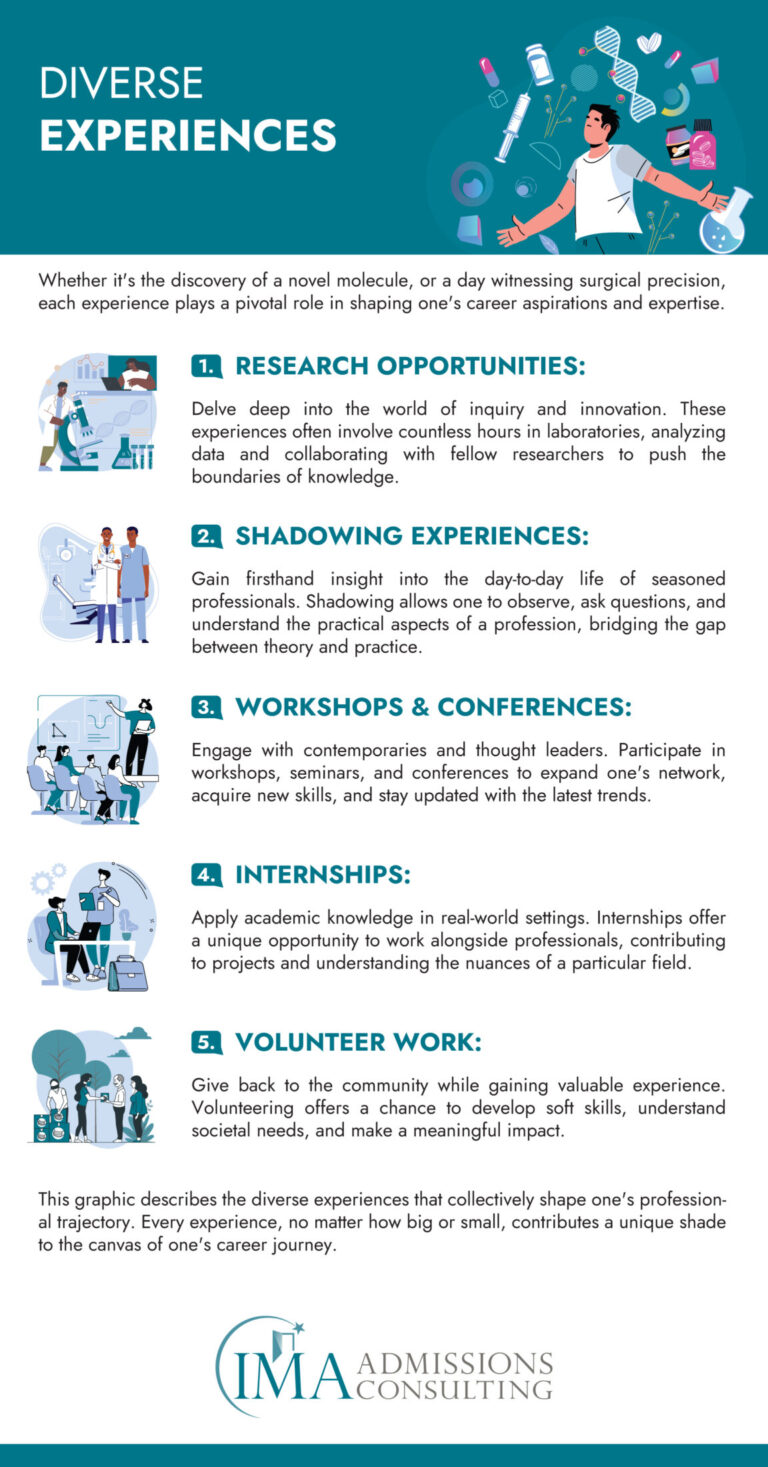
Achievements: Beyond grades and scores, your achievements, like presenting a paper, winning an inter-college competition, or organizing a community health camp, reflect your initiative and drive.
Certifications/Licenses: If you have gone the extra mile to acquire additional certifications or licenses, list them. It could be anything from a certification in dental software to a first-aid license.
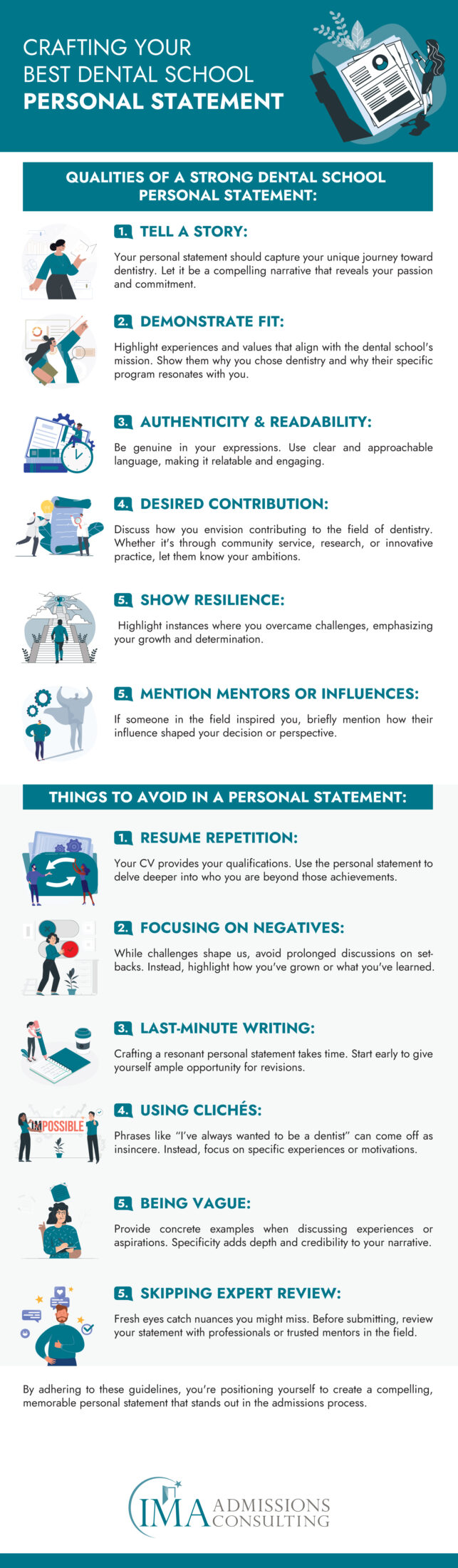
AADSAS Personal Statement: Often the soul of your application, the personal statement is your platform to convey your story. Why dentistry? What drives you? How do you envision your future in the field? This narrative, infused with your genuine motivation, can often tip the scales in your favor.
Every Experience Shapes You
At International Medical Aid, we recognize that becoming a dentist is not just about mastering clinical skills. It is also about cultivating a genuine understanding of diverse cultures, environments, and patient populations. Our IMA Safaris are designed to provide enriching experiences that complement your dental internship.
How can these experiences support your dental career? Immersion in different communities builds the kind of empathy, cultural awareness, and perspective that future patients will value. These experiences expand your worldview, allowing you to relate to and care for patients from diverse backgrounds with sensitivity and depth.
In your Experience section, consider including our curated adventures. Recount the moments when you stood amidst the vibrant wildlife of the Masai Mara Game Reserve or when you felt the presence of Mount Kilimanjaro. Reflect on your experience at Victoria Falls or the historic trails you walked at Machu Picchu.
Describe your encounters with the unique ecology of the Galápagos Islands and the expansive landscapes of the Serengeti National Park. With IMA, you are not just listing travel destinations; you are detailing experiences that have broadened your perspective and enriched your journey.
The AADSAS Personal Statement: Your Passion for Dentistry
The Essence of Your Application
The AADSAS Personal Statement is a testament to your journey, aspirations, and dedication toward a career in dentistry. While metrics like grades and scores provide a quantitative assessment, this statement offers an introspective look into your motivations. The narrative stitches together all elements of your application into a cohesive story.
Parameters and Structure: Crafting Within Constraints
Your personal statement for all dental schools you apply to should be a universal testament to your drive. It is essential to stay within the 4,500 character limit (including spaces, carriages, numbers, and letters), which spans approximately a single-spaced page. This constraint challenges you to be concise yet compelling. Although it is a standard statement, reflecting on 2 to 3 core competencies that dental professionals embody can help anchor your narrative.
Essential Elements of an Impactful Dental School Personal Statement
- Narrative Arc: Begin with a story, a moment of revelation during your undergraduate years or an experience that solidified your passion for dentistry. Stories engage the reader, providing context and evoking emotion.
- Clear Motivation: Address the fundamental question: “Why dentistry?” Ground your answer in personal experiences, whether a dental internship that clarified your career direction or a family member’s oral health journey that inspired you.
- Authenticity: Ensure your statement resonates with genuineness. Admissions committees can discern between truly motivated applicants and those repeating generic language.
- Vision for the Future: Dentistry is not just about the present; it is about the impact you intend to make in the field. Share your aspirations, whether focused on dental technology, public health, or serving underserved communities.
Strategies to Enhance Your Statement
- Show, Don’t Just Tell: Instead of stating facts, use descriptive prose and anecdotes. For instance, instead of saying, “I’ve interned at a dental clinic,” describe a specific moment where you comforted a nervous patient, highlighting your empathy and interpersonal skills.
- Conciseness: Given the character limitation, every word must be purposeful. Avoid filler; opt for clarity and precision.
- Proofreading: Before pasting your statement into the submission box, proofread it multiple times. Ensure it adheres to the character limit. Also, remember that bold or italicized text formatting will not reflect in the submission box, so avoid relying on them for emphasis.
Expert Resources to Guide You
The dental school application process can be challenging. This is where external expertise becomes valuable. At International Medical Aid, our commitment is to provide admissions consulting that addresses the specific requirements of dental school aspirations.
Our team of professionals understands the intricacies of the dental admissions landscape. They are equipped to assist you in articulating your experiences and ambitions into a compelling and authentic narrative. This ensures that your statement stands out and genuinely reflects your journey and commitment to dentistry.
Collaborating with International Medical Aid’s consultants places your application in experienced hands, enhancing its potential to resonate with admissions committees. We are here to support your preparation and help you present your path most effectively.
Leaving a Lasting Impression
Your AADSAS Personal Statement is a golden opportunity to leave a lasting mark on the admissions committee. By blending personal anecdotes, clear motivations, and a vision for the future, you can craft a narrative that answers not only “Why dentistry?” but also “Why you for dentistry?”
Program Materials and Submission: The Final Frontier
Every dental school has its unique ethos and, consequently, specific requirements. Once the primary AADSAS application is filled, focus on the additional program materials each school demands. It could range from supplemental essays to specific documentation of achievements.
Before you hit the “submit” button, take a step back. Review every section, ensuring accuracy and completeness. Remember, a rushed application with errors can undo all your hard work.
Post-Submission: The AADSAS Review Process
With the submission done, your application enters the review process. After your application, fee payment, and official transcripts are received, AADSAS typically takes four to six weeks to process and verify your application. Admissions committees then adopt a “Holistic Review.” This means they are not just gauging you based on scores or grades; they are evaluating the entirety of your application.
Your experiences, competencies, personal statement, and more come under review. This comprehensive approach ensures that dental schools select candidates who are not just academically capable but are well-rounded individuals prepared to make meaningful contributions to the field of dentistry.
The AADSAS application is not just about listing your achievements; it is about weaving a compelling narrative that resonates with your genuine motivation for dentistry. With diligence, authenticity, and introspection, your application can be the ticket to your target dental school.
The Final Stretch: Dental School Interviews
Congratulations! Being called for an interview indicates that you have crossed the first hurdle. Your application stands out on paper. But now, it is time to validate that image and make a lasting impression in person. The interview is not just for the school to assess you; it is also an opportunity for you to gauge if the school aligns with your aspirations.
What to Expect in the Dental School Interview
The interview’s objective is twofold: for the school to understand who you are beyond the application and for you to comprehend the school’s ethos, culture, and offerings. Most interviews revolve around understanding your journey, your motivation behind choosing dentistry, and gauging your interpersonal and communication skills.
Behavioral Questions: These are structured to understand how you have handled situations in the past, implying how you might tackle them in the future. Questions might range from “Describe a challenging situation you encountered during your shadowing experiences and how you dealt with it” to “Talk about a time you disagreed with a team member and its resolution.”
Situational and Ethical Questions: Here, you might be presented with hypothetical scenarios pertinent to dental practice. The aim is to assess your critical thinking, ethical grounding, and decision-making abilities.
Personal Motivation and Goals: Expect questions that probe deeper into why you chose dentistry, where you see yourself in the next decade, and how you plan to contribute to the field.
Preparation is Key
While you cannot predict every question, you can undoubtedly prepare:
- Mock Interviews: Practice with mentors, peers, or through admissions consulting services offered by International Medical Aid. This will help in refining your answers and improving your presentation.
- Know Your Application: Be ready to discuss any part of your application, from experiences to the personal statement. Remember, consistency is vital. Your spoken words should mirror what is written.
- Research the School: Understanding the school’s values, programs, and culture can provide insights you can integrate into your answers. This shows your genuine interest and that you have done your homework.
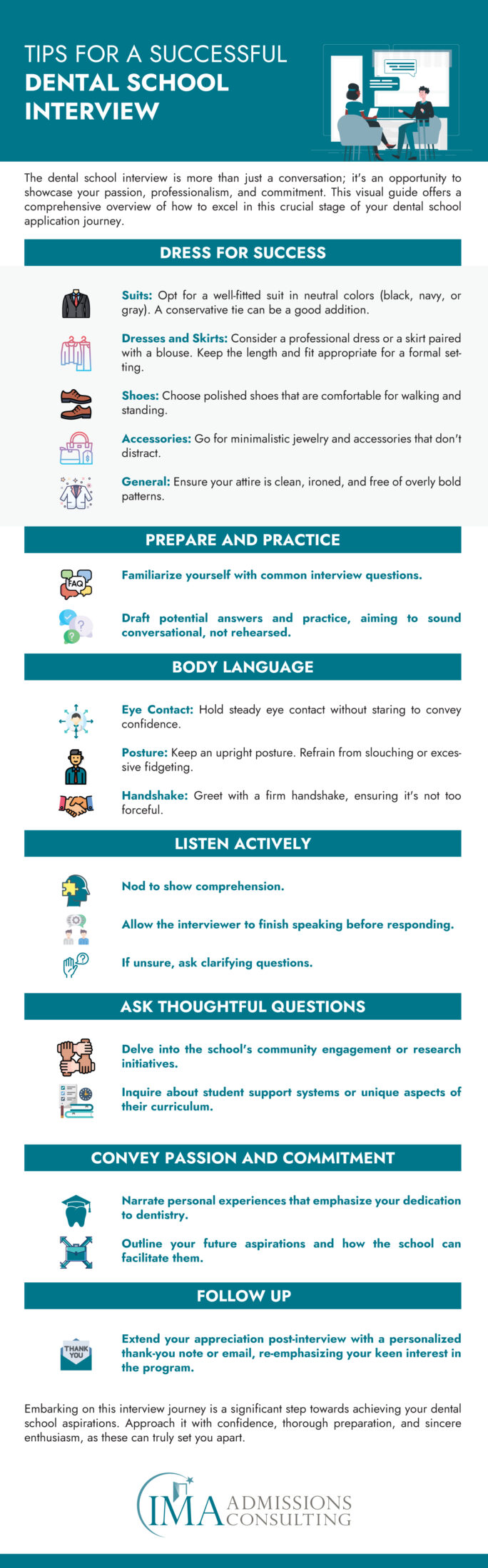
- Soft Skills: Non-verbal cues like maintaining eye contact, a firm handshake, and attentive listening can make a significant difference. Communication is not just about speaking; it is also about listening and understanding.
After the Interview
Post-interview, sending a thank-you note to your interviewers is a good practice. Express gratitude for their time and reiterate your keen interest in the program. This shows your appreciation and keeps you fresh in their memory.
Continuing Your Dental School Application Journey
The journey to dental school is not a sprint; it is a marathon. After the interview, there might be a waiting period. Use this time productively:
- Reflect: Analyze your interview performance. Think about questions you felt you answered well and areas where you might have faltered. This reflection will be beneficial if you have subsequent interviews or need to reapply.
- Stay Engaged: Continue with your dental-related activities, shadowing, volunteering, or research. Schools appreciate candidates who are consistent in their dedication to the field.
- Stay Informed: Keep up with any correspondence from the schools. Sometimes, there might be additional requirements or information sessions you need to attend.
- Network: Engage with current students or alumni. Their insights can provide a clearer picture of what to expect and how to handle any forthcoming challenges.
Remember, the journey to dental school is as much about self-growth as it is about admissions. Every stage, from the AADSAS application to interviews, is an opportunity to learn, evolve, and come closer to realizing your goal of contributing to dentistry. With perseverance, introspection, and continuous learning, your aspirations can become a reality.
Making the Right Choice: Deciding on Your Dental School
The culmination of countless hours of preparation, effort, and dedication is when you hold those dental school acceptances in your hands. With choices come decisions, and deciding on the right dental school is paramount, as the next few years will shape your professional journey. Here is an expanded guide to help you make an informed choice.
Curriculum and Teaching Style
The dental school curriculum is the backbone of your academic journey. When analyzing a school:
Depth and Breadth: Does the curriculum cover all essential areas of dentistry? Are there elective courses that interest you?
Approach: Some schools lean towards problem-based learning, emphasizing real-world scenarios and critical thinking. Others may have a lecture-based, traditional format. Understand what suits your learning style.
Facilities and Technology: Modern dentistry is technologically driven. Ensure the school is equipped with current tools and techniques.
Location
The location is not merely about geography. Consider the following:
Proximity to Family and Support Systems: Dental school can be demanding. Being close to loved ones can provide emotional and logistical support.
Climate: If you are used to warmer climates, a school in a colder region might require a significant adjustment and vice versa.
Living Costs and Lifestyle: Beyond tuition, consider the cost of living, potential part-time job opportunities, and recreational facilities.
Clinical Opportunities
Hands-on experience is pivotal in dentistry:
Start Time: Schools that introduce early clinical exposure can be beneficial, giving you a taste of real-world dentistry sooner.
Diversity of Patient Encounters: A school in a diverse community or near a bustling urban area might offer a broader range of patient cases.
Externships and Internships: Some schools offer opportunities to work in external clinics or abroad. Such experiences can be enriching.
Research Opportunities
For those looking to contribute to the evolving field:
Availability of Research: Investigate the variety and depth of ongoing research projects.
Faculty Credentials: Faculty involved in cutting-edge research can be a source of knowledge and provide mentorship opportunities.
Funding and Grants: Does the school actively receive grants? It could be an indicator of its research emphasis.
Cost, Financial Aid, and Long-Term Debt
A practical consideration that cannot be ignored:
Return on Investment: Look beyond just the tuition fee. Consider the school’s reputation, potential earnings after graduation, and alumni network.
Scholarships and Aid: Some schools offer generous scholarships based on merit or need. Also look into work-study or assistantship roles.
Loan Planning: Dental school debt is substantial. Before committing to a program, use the IMA Student Loan Repayment Calculator to model different repayment scenarios based on tuition, expected income, and repayment plans. Understanding your monthly obligations before you enroll helps you make a financial decision grounded in real numbers rather than optimism.
Culture and Community
Lastly, the intangible yet crucial aspect:
School’s Ethos: Does the school emphasize community service? Is there a culture of competition or collaboration?
Student Interaction: Interact with current students or recent alumni. Their firsthand experiences can give you insights no brochure can.
Support Systems: Check for mentoring programs, mental health support, and academic counseling.
Choosing a dental school is a balance of tangible factors like curriculum and costs against intangible ones like culture and personal fit. Remember, it is about finding a place where you learn the art and science of dentistry and also find personal growth, lasting friendships, and professional mentorship. Your dental school is not just an institution; it is your home for the next few years. Decide with care, foresight, and a dose of intuition.
Choosing a career in dentistry is both rewarding and demanding. The ADEA AADSAS process, while comprehensive, is designed to ensure that the future dental community is competent, passionate, and dedicated.
As you proceed through this process, remember to be genuine in your application, seek guidance when needed, and always hold onto why you chose dentistry. Let that motivation guide you, whether it is the satisfaction of restoring a smile, the precision of oral surgery, or the public health impact of preventive care.
Take your time, make informed choices, and soon, you will be on your way to a fulfilling dental career. And if you ever need guidance, whether about dental school or healthcare internships, International Medical Aid is here to assist.
Training, Licensing, and Certification Requirements for Dentists in 2026
Dentistry requires rigorous training, specific licensing, and continuous certification. It is not just about the title; it is about ensuring the highest quality of patient care, staying current with technological advances, and upholding the ethical standards of the profession.
Educational Foundation
Before entering dental school, you must complete an undergraduate degree, ideally with strong coursework in science subjects like biology and chemistry. This foundational education provides the scientific background necessary for further specialization in dentistry. For students still mapping out their undergraduate path, this guide on what to know before applying to health professions school covers planning principles that apply to pre-dental students as well.
Dental School
After the bachelor’s degree, aspiring dentists must attend a dental school accredited by the Commission on Dental Accreditation. This rigorous 4-year program is a combination of classroom-based learning and clinical experience. It leads to a Doctor of Dental Medicine (DMD) or Doctor of Dental Surgery (DDS) degree. As of the 2025-2026 academic year, 28,925 students were enrolled in predoctoral dental education programs across the country, and 58.1% of all dental students were female.
Licensing
Holding a DMD or DDS is not enough to practice. Each state in the U.S. has its licensing requirements, which typically involve:
Written Exam: Candidates must pass the Integrated National Board Dental Examination (INBDE), a comprehensive assessment covering biomedical, clinical, and behavioral sciences.
Clinical Exam: A hands-on test where candidates demonstrate their clinical proficiency.
It is important to note that licensing requirements differ across states, so dentists planning to practice in a different state may need to meet additional criteria.
Specialization (Optional)
Dentistry is not just about general practice. There are various specializations, like orthodontics, pediatric dentistry, and oral surgery. Each specialization requires additional training and sometimes separate licensing or certification. These postgraduate programs can range from 2 to 6 years.
Continuous Certification and Education
Medicine, in general, is a field of continuous learning. New techniques, tools, and research findings emerge regularly. To ensure dentists stay current:
Certification Renewal: Some states require dentists to renew their licenses periodically, which may involve retaking exams or demonstrating continued education.
Professional Courses and Workshops: Many dental associations and institutions offer courses, workshops, and seminars to keep professionals updated. This not only sharpens skills but can also expand professional networks.
Additional Opportunities with International Medical Aid
For those who are internationally inclined, organizations like International Medical Aid offer programs that can be beneficial. Their shadowing programs provide a global perspective, exposing aspiring dentists to different practices, techniques, and challenges faced in dentistry across different healthcare systems.
How International Medical Aid Can Help
The ADEA AADSAS application process can feel daunting. At International Medical Aid (IMA), we offer dental school admissions consulting to help you craft an outstanding application.
Our expert consultants can assist you in understanding your unique strengths and how to position them effectively in your application. From guidance on your personal statement to interview preparation, we provide comprehensive support to ensure you present your best self to dental schools.
Ready to take the next step toward your goal of becoming a dentist? Schedule an appointment with an IMA admissions consultant today.
Frequently Asked Questions
When does the 2026-2027 AADSAS application open, and when can I submit?
The 2026-2027 ADEA AADSAS application opens on May 12, 2026. The first day to submit is June 2, 2026. The cycle closes on February 5, 2027. Going forward, ADEA has standardized the schedule so the application opens the second Tuesday in May, with submissions starting three weeks later.
How much does it cost to apply through AADSAS?
The application fee is $264 for the first dental school and $115 for each additional school. If you qualify for the ADEA Fee Assistance Program, it covers the cost of your first three school applications, a value of $494. FAP applications for the 2026-2027 cycle should be submitted between April 15 and May 15, 2026.
What changed about DAT scoring in 2025?
As of March 1, 2025, the ADA replaced the old 1-to-30 DAT scoring scale with a new 200-to-600 scale. The national average is approximately 400 (50th percentile). Unofficial scores are no longer available at the testing center; official scores are delivered electronically within three to four weeks of your test date.
How many times can I retake the DAT?
You must wait at least 60 days between DAT attempts and are limited to four administrations within any 12-month period. After three attempts, you need special permission from the ADA for additional testing. Plan your timeline carefully, since you will wait three to four weeks for official scores before knowing whether a retake is needed.
Do any dental schools require the CASPer test?
Yes. A growing number of dental schools, approximately 14 as of 2026, require the CASPer situational judgment test as part of admissions. Check each school’s specific requirements before finalizing your application list, because missing a required assessment means your application will not be considered complete.