When preparing for medical school, nothing demonstrates readiness better than hands-on experience in a healthcare setting. Coursework and a strong GPA are essential, but admissions committees want proof that you understand what it means to interact with patients, observe physicians, and see healthcare systems in action. That is where internships for pre-med students come in.
Highlights
- Internships for pre med students provide practical exposure to patient care, hospital systems, and global health challenges.
- Admissions committees value internships that show consistent engagement and meaningful reflection.
- The best programs allow you to balance clinical exposure with academics and MCAT preparation.
- International opportunities, such as pre med internships abroad, help demonstrate cultural awareness and adaptability.
- Internships can strengthen your application essays, interview answers, and letters of recommendation.
- Linking your experiences to your growth shows maturity and sets you apart.
Why Internships Are Essential for Pre Med Students
Building Clinical Exposure
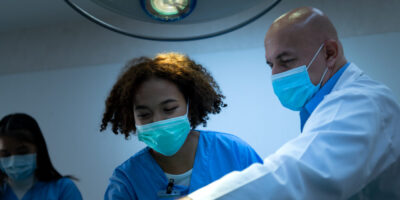
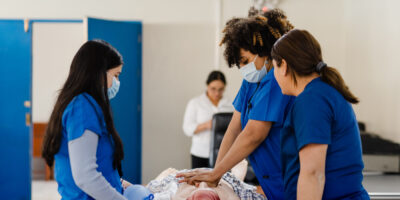
Medical schools expect applicants to show more than academic success. They want to know that you have tested your interest in medicine by experiencing it firsthand. Structured clinical internships for pre-med students let you observe how physicians interact with patients, how teams collaborate, and how treatment decisions are made.
According to a survey by the Association of American Medical Colleges, 73% of medical schools highly recommend or require applicants to have experience in which they can observe and learn about clinical practices, and 87% report that applicants without any clinical experience may be disadvantaged in the admissions process.
AAMC fact sheet “Five Ways to Gain Experience Without Shadowing” notes that 87% of admissions officers accept alternate activities (volunteering in a clinical setting, scribing, EMT work, etc.) when shadowing isn’t possible.
Gaining Perspective on Patient Care
Internships give you a chance to see medicine from the inside. You might shadow in hospitals, participate in community health initiatives, or assist in clinics. These experiences help you develop compassion, communication skills, and resilience, traits that admissions officers value highly.
Strengthening Your Application
When you apply to medical school, you will need to write about your motivations and experiences. Specific stories from your pre med internships give you credibility. They show you have gone beyond textbooks to understand what healthcare looks like in practice.
Types of Pre-Med Internships
Hospital-Based Internships
These are the most traditional and often the easiest to find. Interns might assist in patient transport, observe surgeries, or support administrative staff. The exposure is broad, but supervision ensures you stay within appropriate limits.
Research Internships
Some internships for pre-med students focus on lab work or clinical research. These roles help you build analytical skills and often lead to publications or conference presentations, which carry weight in medical school applications. In addition to sharpening critical thinking, research internships let you contribute to cutting-edge science and demonstrate your commitment to medicine. Many prestigious institutions offer such opportunities – some even open to high school students – allowing early exposure to biomedical research.
Established Research Internship Programs in the U.S.
NIH Summer Internship Program (SIP)
A highly competitive program that provides the chance to spend a summer working side-by-side with leading scientists at NIH in an environment devoted exclusively to biomedical research, research. NIH’s SIP accepts college students (and even high school seniors age 18+) to work in NIH laboratories across various fields (e.g. biology, engineering, epidemiology) and offers an intensive full-time research experience. This program is renowned for its breadth of research areas and professional development workshops, with thousands of applicants vying for a limited number of spots each year.
Mayo Clinic Summer Undergraduate Research Fellowship (SURF)
A 10-week summer research fellowship at Mayo Clinic’s campuses (Minnesota, Arizona, and Florida) that immerses selected undergraduates in the research and culture of a major medical center. Participants work on biomedical research projects under Mayo faculty mentorship, often as a first step toward a career in medicine or research. The program is prestigious and selective – for example, the 2023 SURF class consisted of 164 students chosen from over 1,800 applicants. SURF fellows gain hands-on experience in labs ranging from cancer biology to regenerative medicine, and many present their findings at the program’s conclusion.
Stanford Institutes of Medicine Summer Research Program (SIMR)
An eight-week research internship hosted by Stanford University that invites high school juniors and seniors to perform medically-oriented research with Stanford faculty and scientists. SIMR’s goal is to increase young students’ interest in biomedical science and help them understand how research is conducted. Interns are placed in laboratories (e.g., immunology, neurobiology, bioengineering) and contribute to ongoing research projects. This program only accepts high school applicants (typically those entering 12th grade) who meet its academic criteria. It gives talented teens a rare opportunity to do real lab work at a top university. By the end of the summer, SIMR students often present their work, and many continue pursuing research in college.
Besides these examples, many university hospitals and medical schools offer summer research internships or volunteer research assistant positions. Programs at institutions like Harvard, Johns Hopkins, and others similarly allow pre-med undergraduates or motivated high school students to engage in research under mentorship. Gaining research experience – through an NIH lab or a university hospital internship- strengthens your application by showing academic curiosity and the potential to contribute to medical knowledge.
Global Health Internships
Pre-med internships abroad place you in settings where resources are limited and healthcare delivery looks very different from what you see in the United States. These programs emphasize cultural sensitivity and often combine clinical shadowing with community outreach. In an international healthcare internship, students witness new medical conditions and practice adaptability in low-resource environments.
Such experiences shape empathy, resilience, and cultural awareness – qualities every great healthcare professional should have. In fact, global internships go beyond observation by cultivating a global health perspective and cross-cultural communication skills. Interns learn to appreciate how local culture and economics impact patient care, gaining a real-world outlook that’s hard to replicate in the classroom. This kind of immersion not only strengthens your med school resume but also helps you grow into a more compassionate, globally minded future physician.
At IMA, we offer structured healthcare internships in several countries, pairing students with physicians and public health projects in underserved communities. Our programs blend physician shadowing in hospitals with volunteer work like health education or mobile clinics, providing a holistic view of global medicine.
IMA’s Global Health internships include a variety of locations and focus areas, all with comprehensive support and mentorship. We even have options for younger students – a dedicated program for high schoolers looking to start their medical journey early.
East Africa (Kenya, Tanzania, Uganda)
Gain hands-on clinical experience in East African hospitals and clinics while assisting communities with public health initiatives. IMA’s programs in Kenya, Tanzania, and Uganda expose interns to challenges like high communicable disease burdens and limited healthcare resources.
Students work alongside local professionals to bolster healthcare delivery and learn to care for patients in under-resourced settings. This often includes rotating through departments (e.g. surgery, pediatrics) at regional hospitals and participating in outreach that improves healthcare access in rural or slum areas.
South America (Colombia, Ecuador, Peru)
Experience healthcare in developing South American settings through internships in Colombia, Ecuador, or Peru. Interns collaborate with physicians in urban hospitals and rural clinics, seeing firsthand how conditions like tropical diseases or remote geography impact care.
Programs involve community health projects — for example, teaching health education in local schools or aiding vaccination campaigns. IMA’s South America internships place a strong emphasis on language immersion (Spanish) and understanding the social determinants of health, all while interns shadow doctors in diverse clinical environments.
High School Global Health Internships
IMA is one of the few organizations offering global health programs tailored to high school students interested in medicine. These pre-med internships for high schoolers provide an engaging introduction to healthcare abroad.
Participants (usually ages 16-18, 15 if a HOSA member) might shadow physicians in a supervised setting, learn basic clinical skills, and participate in community service initiatives. While high school interns have more structured oversight, they still get to observe medical practice in underserved areas and contribute through volunteering.
It’s a unique opportunity to confirm one’s passion for medicine early on, and to develop maturity and cultural humility before college. (IMA’s high school programs require parental consent and come with robust support to ensure safety and educational value.)
Each of our International Internship Programs is designed to be ethical, educational, and impactful for the student and the host community. Interns are mentored by licensed healthcare professionals and receive orientation on local culture and health issues. By the end of a global health internship, you will have broadened your perspective on healthcare delivery and developed skills in communication, cultural sensitivity, and patient care that will serve you in any medical career.
These abroad experiences illustrate initiative and adaptability – traits that admissions committees love to see in applicants who aspire to become socially conscious physicians.
Community Health Internships
Working in free clinics, mobile health programs, or nonprofit organizations exposes you to underserved populations. This demonstrates a commitment to service, which is a core value for many medical schools.
What Admissions Committees Look For
Admissions officers are not just counting hours. They are evaluating:
- Consistency: Did you participate regularly over months or years?
- Diversity: Did you gain exposure to multiple specialties or care settings?
- Reflection: Can you explain how these experiences shaped your decision to pursue medicine?
- Maturity: Did you stay within your role and respect ethical boundaries?
Internships that check all of these boxes stand out more than those where you simply logged hours.
The Value of International Internships
Participating in pre med internships abroad adds a unique dimension to your application. You gain insight into global health systems, resource challenges, and cultural differences in patient care. These experiences show admissions committees that you can adapt to new environments and approach healthcare with a broader perspective.
International internships are particularly valuable when they emphasize supervision, ethics, and appropriate roles for pre health students. Observing physicians, participating in structured public health initiatives, and receiving mentorship ensures the experience is both safe and educational.
How to Choose the Right Internship
When comparing pre med internships, ask:
- Does the program have established hospital or clinic partnerships?
- Will I receive structured supervision and mentorship?
- Can I balance the commitment with my academic responsibilities?
- Is there an opportunity for reflection, advising, or feedback?
- Will I be able to describe the experience meaningfully in my application?
Choosing an internship that fits your goals is more important than simply chasing the most hours.
Related Opportunities for High School Students
If you are a high school student already considering a future in medicine, you can start earlier than most people think. International Medical Aid offers structured high school medical internships abroad where students shadow physicians, observe patient care, and learn about global health. These programs are designed for motivated students who want to build a strong foundation before college.
Frequently Asked Questions
Do I need an internship to get into medical school?
You are not required to have one, but admissions committees strongly prefer applicants with clinical exposure. Internships are one of the most direct ways to gain this experience.
How many clinical research hours should I aim for?
Most students aim for 200 to 500 clinical hours before applying. What matters more than the number is that your experience is consistent and meaningful.
Are international internships worth it?
Yes, if they are ethical and supervised. International programs show adaptability and cultural sensitivity, but they must be structured properly to carry weight.
Can research count as an internship?
Yes. Research internships demonstrate analytical skills and commitment to science, which many medical schools value. Pairing research with clinical exposure gives you the strongest profile.
Should I do multiple internships?
It is better to commit deeply to one or two experiences than to scatter your time across many. Admissions committees value depth and reflection over quantity.
Final Thoughts
Internships for pre-med students provide more than hours for an application checklist. They are opportunities to grow, confirm your passion for medicine, and develop skills that will serve you throughout your career. Whether you choose hospital-based roles, research, community health, or pre-med internships abroad, engaging fully and reflecting honestly on your experiences is key.
Admissions committees want to see that you understand both the challenges and rewards of medicine. By choosing your internships thoughtfully and staying consistent, you will strengthen both your application and your confidence in the path ahead.