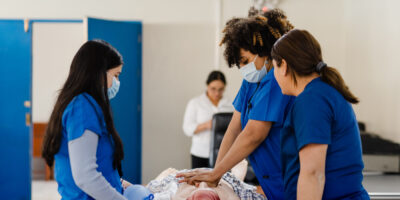
Getting a head start in medicine while still in high school can be a game-changer. For motivated students, pre med summer programs for high school students offer structured, supervised opportunities to shadow doctors, observe patient care, and learn about healthcare systems. These programs not only build confidence but also strengthen college applications and future medical school readiness.
Highlights
- Pre med summer programs for high school students provide early exposure to medicine in a safe and supervised environment.
- Programs combine shadowing, academic enrichment, and cultural learning.
- Certificates, letters, and mentorship gained from these programs directly support college applications.
- International opportunities, such as pre-med internships for high school students, build cultural competence and adaptability.
- Universities and the Association of American Medical Colleges (AAMC) highlight early exposure to healthcare as a core step toward developing future physicians.
What Experts Say About Early Exposure to Healthcare Education
The Association of American Medical Colleges (AAMC) has consistently stated that early exposure to healthcare through shadowing, volunteering, or structured pre-college programs is an important step in developing future physicians. Universities echo this guidance. Harvard’s Premedical Office notes that students should seek clinical exposure “as early as possible” to confirm their motivation for medicine. Johns Hopkins and Stanford also encourage high schoolers to participate in structured summer medical programs for resumes and to build maturity and clarity before entering college.
For high school students, this means that experiences like high school medical internships or joining leadership groups such as HOSA are not “extra” but are recommended by the very organizations shaping medical education.
Why High School Students Should Consider Pre Med Programs
Most students do not seriously explore medicine until college. Starting in high school, however, provides a head start. Students can:
- Test their interest in medicine before committing to a pre med track in college.
- Build experiences that strengthen applications to selective undergraduate programs.
- Develop maturity and professionalism earlier than their peers.
Parents often worry about burnout, but properly designed high school pre med internships focus on observation and mentorship, not clinical responsibilities that go beyond a student’s training.
What Makes a Strong Pre Med Summer Program
Not all programs are equal. The best ones share several traits:
Structured Supervision
High school students must never be placed in unsupervised clinical roles. Legitimate programs ensure that physicians, nurses, or trained staff supervise all activities.
Academic Integration
The strongest programs include classroom sessions or seminars alongside observation. This allows students to learn medical concepts while seeing them applied in practice.
Mentorship and Support
The chance to ask questions directly to physicians, medical students, or public health professionals is invaluable. Good programs facilitate small group discussions and mentoring.
Application Resources
Certificates of completion, letters of recommendation, and advising workshops are common features. These resources make a measurable difference in college applications.
Types of Pre-Med Summer Programs for High School Students
Hospital Shadowing Programs
Hospitals with established volunteer departments sometimes open summer slots for high schoolers. These roles often include observing patient interactions, supporting non-clinical staff, and learning about different specialties.
University-Based Pre College Programs
Universities across the United States run summer academies that expose students to anatomy labs, medical simulations, and lectures by faculty. Examples include Stanford’s Pre-Collegiate Studies and Johns Hopkins’ Summer Term.
Community Health Programs
Local clinics, nonprofits, and public health agencies sometimes run programs for teens. These often emphasize health education, outreach, or working with underserved populations.
Global Health Programs
Pre med high school internships abroad are particularly impactful. Students shadow physicians in international hospitals, observe how healthcare works in resource-limited settings, and engage in cultural learning. According to the World Health Organization (WHO), understanding how systems vary across countries is critical for developing adaptable healthcare professionals.
Our Global Health Programs at International Medical Aid
We created our pre med high school internships abroad to give motivated students a safe and responsible introduction to medicine. These programs are built on three priorities: meaningful exposure, structured supervision, and personal growth. When you join us, you are not just logging hours — you are building skills, gaining cultural awareness, and laying a foundation that will support your future in medicine.
Supervised Clinical Shadowing
We place every student in safe, appropriate roles. You will shadow physicians, nurses, and healthcare teams in hospitals and clinics across East Africa and South America. From pediatrics to surgery to obstetrics, you’ll see how care is delivered across specialties. All of this takes place under the direct supervision of licensed professionals, so you can focus on learning without being asked to take on responsibilities beyond your training.
Community Health Engagement
Our programs go beyond hospital walls. You’ll participate in structured public health initiatives such as observing vaccination campaigns, supporting hygiene workshops, and learning how local health systems reach underserved populations. These opportunities show that medicine is about more than treatment — it’s also about prevention, education, and advocacy.
Mentorship and Advising
Mentorship is a central part of our approach. Our physicians and advisors guide you through what you observe, answer your questions, and help you connect each experience to your academic and career goals. We don’t just want you to see medicine in action — we want you to understand what it means for your own path forward.
Cultural Immersion
Global health is also about people and culture. During your internship, you’ll live in safe, fully supported housing, share meals with fellow participants, and engage with local communities. This cultural immersion helps you build adaptability and cultural competence, qualities that colleges and medical schools value highly.
Safety and Support
We know that safety is one of the top concerns for families. That’s why we provide secure housing, daily meals, and 24/7 staff support. Our local teams and international advisors work closely to ensure that every student is safe and healthy and can focus on learning.
Professional Development
When you finish your internship, you leave with more than just experience. We provide certificates of completion and physician-authored recommendation letters highlighting your maturity and engagement. These materials strengthen college applications and give you powerful stories to use in essays and interviews.
Why Families Trust IMA
What makes our programs different is our structure and accountability. We partner directly with hospitals and clinics, never place students in roles beyond their training, and provide consistent support before, during, and after the program. While many organizations focus only on travel logistics, we make sure the entire experience is safe, ethical, and academically valuable.
Building a Foundation Early
Our global health programs are not about pushing you into medicine before you’re ready. They are about giving you a thoughtful, supervised introduction to healthcare that helps you decide if this path is right for you. By the time you start college, you will already have the perspective and confidence that come from shadowing physicians and participating in structured public health initiatives abroad.
We are proud to mentor students at this early stage and believe that these experiences can make a lasting difference in both college readiness and future medical school applications.
HOSA–Future Health Professionals: A Key Stepping Stone
HOSA–Future Health Professionals (formerly Health Occupations Students of America) is one of the most important organizations for high school students interested in medicine. With more than 260,000 members worldwide, HOSA prepares students for healthcare careers through leadership development, academic competitions, and networking opportunities. Many medical schools and undergraduate pre-med advisors recognize HOSA involvement as a strong early indicator of motivation and maturity.
Membership gives students access to events where they can test their knowledge of anatomy, medical terminology, and public health. More importantly, HOSA emphasizes professional skills — communication, teamwork, and leadership — that are critical for future doctors. Annual conferences bring together students, physicians, and health educators, creating valuable opportunities for mentorship and long-term connections.
For students in high school, HOSA can complement experiences like high school medical internships by adding year-round learning and leadership development. International Medical Aid is proud to be HOSA’s exclusive partner for global pre-health internships abroad. This partnership allows motivated students to combine the academic preparation they gain through HOSA with supervised clinical shadowing and community health work overseas.
Through HOSA, students don’t just join a club — they enter a nationwide network of peers who share their passion for medicine. Pairing that with a summer abroad through IMA gives applicants a rare combination: leadership at home, and cultural and clinical exposure abroad. Colleges and medical schools value this combination because it demonstrates initiative, follow-through, and the ability to thrive in diverse environments.
Benefits Beyond Applications
Maturity and Professionalism
Students quickly learn the importance of confidentiality, punctuality, and respect for patients and healthcare staff. These habits translate into stronger performance in both academics and extracurricular.
Early Career Clarity
Many students enter college unsure of their major. Those who complete pre med summer programs for high school students often arrive with more certainty about pursuing pre med pathways.
Networking and Mentorship
Connections with physicians, medical students, and program mentors can lead to long-term advising relationships and letters of recommendation.
Global Awareness
International experiences help students appreciate cultural differences in healthcare delivery. This cultural competence is increasingly valued by medical schools.
Outbound Perspective: What Colleges Value
Colleges often emphasize early engagement. For example, Harvard’s Office of Career Services advises students to seek out healthcare exposure “as early as possible” to confirm their motivation and build a strong foundation (Harvard Premedical Office). For high school students, summer programs are the most accessible path.
Challenges and Pitfalls to Avoid
Programs That Overpromise
If a program advertises hands-on procedures for high schoolers, be cautious. Ethical programs focus on shadowing and structured learning, not direct patient care.
Chasing Prestige Alone
Parents sometimes prioritize name recognition over substance. Smaller programs with strong mentorship and access to patients can provide deeper value than expensive brand-name camps.
Treating It as a Resume Builder
Admissions officers can spot students who attended programs only to check a box. Reflection and genuine interest are what make the difference.
Related Opportunities for High School Students
International Medical Aid offers high school medical internships abroad in East Africa and South America. These programs combine shadowing, community health initiatives, and mentorship from physicians. Students gain cultural awareness while building meaningful healthcare exposure in a safe and fully supervised environment.
Frequently Asked Questions
Are pre med summer programs for high school students required?
No. They are not required but are highly recommended. They provide early exposure that strengthens both college and future medical school applications.
Do programs abroad carry more weight?
Not automatically. What matters is that the program is supervised, ethical, and educational. That said, international programs do stand out because they show adaptability and cultural awareness.
How long do programs typically last?
Most last between two and six weeks. Longer programs are not necessarily better if they lack structure.
What if I cannot afford a program?
Many universities and nonprofits offer scholarships. Local clinics and hospitals often have free volunteer opportunities.
Do these programs help with college essays?
Yes. Specific stories and lessons from these programs often provide excellent material for personal statements and supplemental essays.
Final Thoughts
Pre med summer programs for high school students are an investment in maturity, clarity, and readiness. They provide early insights into medicine, help confirm whether the field is a good fit, and give students experiences that strengthen applications. Whether in a local hospital, a university academy, or an international setting, the best programs balance observation, education, and mentorship.
For motivated high schoolers, these opportunities are not about rushing ahead but building a thoughtful, responsible foundation for the long pre-med journey ahead.