Physician assistant exposure for high school students starts with a simple but important question: what does a PA actually do all day, and is that the kind of work you want to build your life around? Answering that question requires more than reading about the profession online. It requires watching PAs work, asking them questions, and spending time in the kinds of clinical environments where PAs practice. For high school students, this kind of exposure is possible, but it takes planning, the right program, and honest expectations about what a minor can and cannot do in a medical setting. Programs like summer medical internships for high school students offered by International Medical Aid give students structured, supervised observation alongside working healthcare professionals, providing the kind of firsthand perspective that classroom learning alone cannot offer.
The PA profession is growing rapidly. According to the Bureau of Labor Statistics occupational outlook for physician assistants, employment for PAs is projected to grow 27% from 2022 to 2032, far outpacing the average for all occupations. Median pay sits above $130,000 per year. That growth and compensation attract a lot of interest, which means PA programs have become extremely competitive. While formal patient care hours and prerequisite coursework come later, during and after college, getting an early, realistic view of the profession helps students make stronger decisions about their academic path, their extracurriculars, and whether the PA route genuinely fits. For families researching internships for high school students medical settings offer, the most important factor is not prestige or location. It is whether the program provides structured, supervised, and ethically grounded clinical observation.
What Physician Assistant Exposure Actually Looks Like for a High Schooler
There is a gap between what students imagine clinical exposure will be and what it actually involves. Some students picture themselves suturing wounds or taking patient histories. The reality is different, and that is appropriate. Minors in clinical settings observe and support; they do not practice medicine. This is not a limitation. It is the responsible way to introduce young people to healthcare environments.
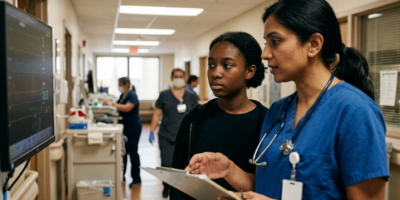
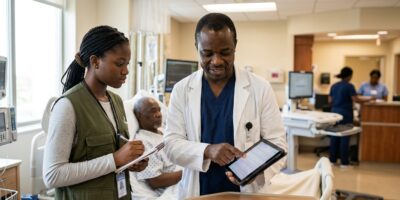
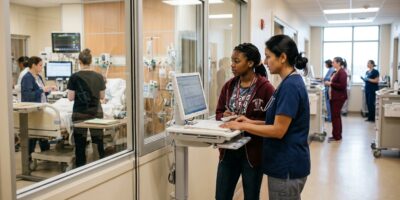
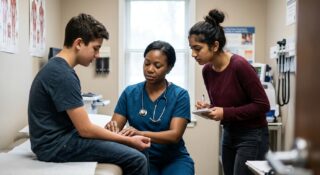
In a well-structured observation program, a high school student might shadow a PA during patient consultations, watch diagnostic reasoning unfold in real time, observe how treatment plans are discussed with patients, and see how a PA collaborates with physicians, nurses, and other team members. Students may also support clinical staff with non-medical tasks, such as organizing supplies, assisting with patient flow, or helping with community health education activities like hygiene workshops. These tasks are not glamorous, but they place students inside a working clinical environment where they can absorb how medicine is practiced day to day.
What makes this valuable is the context. Watching a PA manage a packed schedule of patients, communicate with families, and make decisions under real constraints teaches more about the profession than any brochure or career fair. Students who go through this kind of experience tend to come away with a much clearer sense of whether the PA path is right for them, and that clarity is exactly the point.
Why Early PA Exposure Matters for Future Applications
PA programs do not require high school clinical experience for admission. What they do require, according to PAEA resources for prospective PA students, is significant patient care experience, strong academics, and a demonstrated understanding of the PA role. Most accepted applicants have thousands of hours of direct patient care experience accumulated during and after college.
So why does high school exposure matter? Because the students who start observing early tend to make better decisions at every step that follows. They choose college courses more intentionally. They pursue the right kinds of volunteer and work experiences during undergrad. They can articulate, in applications and interviews, a long and genuine relationship with the profession rather than a sudden interest that appeared junior year of college. Admissions committees at PA programs, and at competitive undergraduate pre-health programs, notice when a student’s interest has depth and history.
It also matters because some students realize, through honest observation, that the PA path is not the right fit. That is a perfectly good outcome. Figuring out what you do not want to do, before investing years of coursework and money, is one of the most valuable things early exposure can provide. Students who are also weighing other healthcare careers, such as nursing, dentistry, or occupational therapy, can benefit from comparing what they see during PA observation with other roles. IMA’s blog post on healthcare careers without med school and how high school students can choose the right path breaks down several of these options in practical terms.
Where High School Students Can Find PA Shadowing and Observation
Finding PA exposure as a high school student requires some persistence, because opportunities are not always advertised. Here are the most common avenues.
Local Clinics and Hospitals
Some PAs in private practice, urgent care, or hospital settings will allow high school students to shadow if asked directly. This usually requires a parent to help coordinate, and many facilities have their own policies about minimum age, liability waivers, and background checks. It is worth calling local PA offices, family medicine clinics, or urgent care centers to ask about their shadowing policies. Not every provider will say yes, but some will, especially if the student is polite, professional, and flexible about scheduling.
School-Based Health Career Programs
HOSA (Future Health Professionals) chapters, career and technical education programs, and some high school science departments organize clinical observation days or partnerships with local health systems. These can be a good starting point, though the depth of exposure varies. If your school has a HOSA chapter or pre-health club, ask the advisor about any existing PA shadowing connections.
Structured International Observation Programs
Programs like those offered by International Medical Aid provide a more immersive option. IMA’s high school internship programs place students in supervised clinical settings alongside licensed healthcare professionals, including physicians, PAs, and clinical officers who fill roles functionally similar to PAs in certain countries. Students observe patient care, participate in guided reflection sessions, and gain exposure to healthcare delivery in settings that look very different from a typical U.S. clinic. The structure matters here: IMA programs include daily clinical schedules, morning briefings, supervised transport, group debriefs, and staff who are trained to support students through what can be an intense learning experience.
Volunteer and Community Health Organizations
Community health centers, free clinics, and nonprofit health organizations sometimes accept high school volunteers. While these roles may not involve direct PA shadowing, they place students in environments where they interact with healthcare teams and see how care is delivered to underserved populations. This kind of experience builds context and empathy, both of which matter for future applications.
What Parents Should Know About Safety, Supervision, and Readiness
For parents, the idea of a teenager spending time in clinical settings, especially abroad, raises legitimate questions. Those questions deserve direct answers, not reassurance designed to close a sale.
Supervision and Boundaries
In any reputable program, high school students are under constant, direct supervision during clinical activities. At IMA, students are accompanied by program staff and paired with local licensed professionals. Students do not wander clinical sites independently. They do not interact with patients without a supervising professional present. They do not perform any medical procedures, period. If a program does not make these boundaries explicit, that is a red flag.
Housing and Communication
Parents should ask specific questions about where their child will be staying, who will be supervising them outside of clinical hours, and what the communication plan looks like. IMA provides vetted, secure accommodations and maintains clear emergency contact protocols so parents can reach program staff at any time. These details are worth confirming before committing to any program. For a more thorough look at what to ask and what to expect, IMA’s parent guide to teen medical internship safety and support covers the topic in detail.
Emotional Readiness
Clinical settings can be intense. Students may observe patients in pain, see conditions they have never encountered, or witness the realities of healthcare in resource-limited environments. This is not inherently harmful, but it does require a certain level of emotional maturity. Parents and students should have an honest conversation about whether the student is ready for this kind of experience. Programs that include structured debriefing sessions, where students process what they saw with trained staff, handle this well. Programs that do not offer any emotional support or reflection should be approached cautiously.
Health and Travel Preparation
For international programs, pre-travel health preparation is essential. This includes vaccinations, any preventive medications recommended for the destination, travel insurance, and guidance on food and water safety. IMA provides comprehensive pre-travel guidance, and families should also consult their own healthcare provider about destination-specific health precautions. The WHO country health profiles are a useful resource for understanding the health landscape in specific regions.
How to Write and Talk About PA Exposure in Applications
Having the experience is only half the equation. The other half is being able to reflect on it honestly and communicate what you gained. This applies to college applications, scholarship essays, and eventually PA school personal statements and interviews.
Focus on What You Observed and What It Taught You
Admissions committees are not impressed by students who list activities without reflection. They want to know what you noticed, what surprised you, what challenged your assumptions, and how your understanding of the PA profession changed as a result. A strong essay might describe watching a PA explain a treatment plan to a patient who was skeptical, and then reflect on what that interaction revealed about communication, trust, and the PA’s role as a primary point of contact.
Be Honest About Your Role
Never exaggerate what you did. If you observed, say you observed. If you helped organize supplies or assisted with a health education activity, describe that accurately. Admissions committees value integrity, and they can spot inflated claims. The fact that you sought out exposure as a high school student, took it seriously, and reflected on it thoughtfully says more than any exaggerated claim about clinical duties.
Connect the Experience to Your Path Forward
The most useful applications show a clear thread: I was curious about this profession, I sought out real exposure, here is what I learned, and here is how it shaped my next steps. That thread does not need to be dramatic. It just needs to be genuine. If the experience confirmed your interest in becoming a PA, explain why in specific terms. If it made you reconsider, that honesty can be just as compelling.
Students who want more guidance on how observation and shadowing differ, and how to position each type of experience in applications, will find useful framing in this post on the differences between shadowing and internships in high school.
Setting Realistic Expectations Before You Start
The best thing a high school student can do before pursuing PA exposure is to set expectations that match reality. You will not be practicing medicine. You will not accumulate the patient care hours that PA schools require for admission; those come later. You may not see anything dramatic or cinematic. What you will gain, if the program is well-structured and you bring genuine curiosity, is a grounded understanding of what PAs do, how healthcare systems function, and whether this career fits your strengths and interests.
That understanding is worth more than most students realize at the time. It shapes how you choose a college major, which experiences you pursue during undergrad, and how you present yourself when it is time to apply to PA programs. It also gives you something concrete to reflect on when someone asks, “Why do you want to be a PA?” Having watched a PA work, in person, under real conditions, and being able to speak about that experience with specificity and honesty is a genuine advantage.
For students and parents weighing their options, the priority should be finding a program that is transparent about what it offers, clear about the boundaries minors must respect in clinical settings, and structured enough to turn observation into real learning. That is the kind of experience worth investing in.
Frequently Asked Questions
Can high school students get direct patient care hours for PA school through observation programs?
No. PA school applications require patient care experience (PCE) that typically involves hands-on responsibilities such as taking vitals, drawing blood, or assisting with medical procedures, roles that require training and are reserved for adults with appropriate credentials. High school observation programs provide foundational exposure and help students confirm their interest, but the formal PCE hours that PA programs count toward admissions requirements are accumulated during and after college.
What is the difference between shadowing a PA and doing an internship?
Shadowing generally means following a PA through their workday, watching how they interact with patients, and asking questions during appropriate moments. An internship, particularly a structured one like those offered by IMA, may include shadowing but also adds educational sessions, guided reflection, community health activities, and mentorship from program staff. Both are valuable, but internships tend to offer a broader and more supported learning experience, especially for younger students who benefit from structure and supervision.
How should parents evaluate whether a clinical exposure program is safe and appropriate for their teenager?
Ask direct questions: Who supervises students during clinical hours? What training do supervisors have? Where do students stay, and who oversees housing? What is the emergency communication plan? Does the program have clear policies stating that minors observe and support but never perform medical procedures? A reputable program will answer these questions openly and in detail. If a program is vague about supervision, boundaries, or safety protocols, consider that a serious concern.