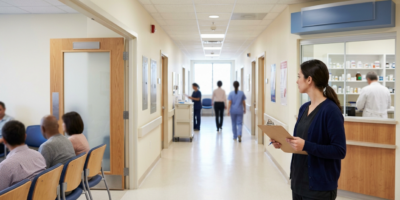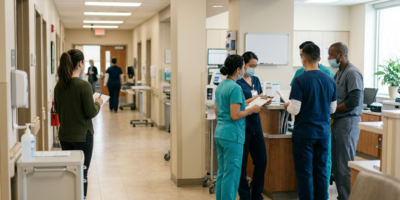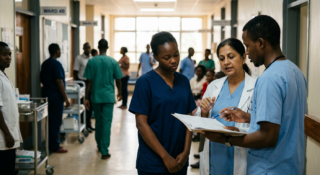
Choosing between a hospital vs. clinic experience in high school is one of the first real decisions a student makes on the path toward healthcare. Both settings offer genuine exposure to clinical environments, professional teams, and the realities of patient care. But they are not interchangeable, and picking the right one depends on what a student hopes to observe, how much structure they need, and what kind of learning environment fits their current maturity level. This is written for both students and their parents, because the decision deserves honest input from both sides.
The distinction matters more than most program websites let on. A hospital is a large, multi-department institution where patients may be critically ill, undergoing surgery, or receiving specialized treatment. A clinic is typically a smaller, outpatient facility focused on primary care, preventive health, or a specific area like dental or mental health services. The pace, the types of conditions observed, and the daily rhythm of each setting are different. Understanding those differences before committing to a program can save a student from disappointment and help parents feel confident about the experience their teen is walking into.
What High School Students Actually Do in Hospital Settings
When a high school student interns or shadows in a hospital, the experience is built around observation. Students do not treat patients, assist in surgery, or make clinical decisions. That bears repeating, because misconceptions about what teen interns do in hospitals are common. In practice, a hospital-based experience for a minor usually involves shadowing physicians, nurses, or other providers during rounds, watching consultations, sitting in on team briefings, and learning how different departments function together.
Hospitals expose students to a wide range of conditions and specialties. On a single day, a student might observe an emergency department, a radiology suite, and a maternal health ward. That breadth is one of the biggest advantages of a hospital setting. Students who are unsure about which area of medicine interests them can benefit from seeing multiple specialties in action. For a detailed look at how clinical teams operate, IMA has published a useful breakdown of the roles within a hospital clinical team that helps students understand what they are watching and why each role matters.
The flip side of that breadth is that hospital environments can feel fast, impersonal, or even overwhelming for younger students. Hospitals operate around the clock. Patients may be in serious distress. The emotional weight of what a student observes, including end-of-life care, trauma, or pediatric illness, should not be underestimated. Good programs prepare students for this. They build in reflection time, provide supervision from experienced staff, and set clear expectations before the first day.
For parents, the key questions to ask about any hospital-based program are: Who supervises my child at all times? What happens if my child feels overwhelmed? Are there clear boundaries around what students can and cannot do? A responsible program will answer those questions directly and in writing.
What High School Students Actually Do in Clinic Settings
Clinic-based experiences tend to be more focused and, in some cases, slightly more interactive within carefully defined limits. In a clinic, a high school student might observe patient intake, watch a provider conduct a routine physical exam, or assist with basic administrative tasks such as preparing examination rooms. Some programs, depending on location and local regulations, may allow supervised students to take patient vital signs under direct guidance. But the emphasis is always on observation and supported learning, not independent clinical work.
Because clinics are smaller, students often have more sustained interaction with fewer providers. That can mean more time to ask questions, more opportunity to see a provider’s communication style with patients, and a clearer picture of what a specific type of practice looks like day to day. For a student already interested in primary care, family medicine, dentistry, or community health, a clinic setting can offer a more detailed and grounded window into that specialty.
Clinics also tend to see a higher volume of routine and preventive care. That means students will observe common conditions, chronic disease management, wellness visits, and patient education. This is valuable because these encounters represent the majority of what most healthcare providers actually do. It is less dramatic than a hospital trauma bay, but it is arguably more representative of a typical healthcare career.
Students interested in community-level healthcare or in understanding how access and resources shape patient outcomes may find clinic settings especially relevant. IMA has written specifically about what community clinic internships involve for teens, which is worth reading before deciding.
Supervision, Safety, and What Parents Should Ask
No matter which setting a student chooses, safety and supervision are non-negotiable. High school students are minors, and any program that places them in a clinical environment must have a clear, written supervision structure. This means a designated adult is responsible for the student at all times, there is a protocol for emergencies, and there are explicit rules about what students can and cannot do.
Parents should look for programs that address these questions up front, not bury them in the fine print. Specifically, ask about housing arrangements (if the program is residential or abroad), communication protocols between the program and parents, how emotional support is provided, and what training students receive before entering clinical spaces. A trustworthy program will welcome these questions. If a program is vague or dismissive about safety, that is a red flag. For a thorough look at what parents should consider, IMA’s parent guide to teen medical internship safety and support addresses these concerns in detail.
It is also important to acknowledge that readiness varies. Not every 15-year-old is ready for the same experience as a 17-year-old, and maturity matters more than age alone. A student who is easily distressed by medical imagery, who is not comfortable following rules in unfamiliar environments, or who has not reflected seriously on why they want this experience may benefit from waiting a year or starting with a less intensive program. That is not a failure. It is smart planning.
Programs that serve minors responsibly will also make it clear that students observe and support within approved limits. They do not practice medicine. They do not make clinical judgments. They are there to learn, to watch, and to begin forming an informed perspective on what healthcare work actually requires.
How Each Setting Looks on a College or Pre-Health Application
Admissions committees at medical, dental, PA, nursing, and other health professions schools value clinical exposure, but they are far more interested in what a student learned and how they reflect on the experience than in where it took place. A hospital-based experience is not inherently more impressive than a clinic-based one. What matters is whether the student can articulate specific observations, describe how the experience shaped their understanding of healthcare, and demonstrate maturity, humility, and genuine curiosity.
According to the AAMC’s guidance on preparing for medical school, sustained involvement in clinical settings, combined with thoughtful reflection, is more meaningful than one-time or superficial exposure. Similarly, the Bureau of Labor Statistics occupational outlook for healthcare highlights the range of career paths available, underscoring why early exposure to both hospital and clinic settings can help a student begin to narrow their interests.
For high school students specifically, the goal is not to rack up clinical hours as if preparing for a residency application. The goal is to build genuine familiarity with clinical environments, to see how professionals interact with patients and each other, and to start developing the habits of observation and reflection that will serve them throughout their education. A well-run clinic internship in which a student watches a family physician manage a panel of patients and then writes a thoughtful reflection will carry more weight than a hospital program in which the student observes passively and cannot articulate what they saw.
Students should also be aware that admissions committees look unfavorably on exaggerated claims. If a high school student’s application suggests they were performing procedures or making independent clinical decisions, that will raise questions about honesty, not admiration.
Deciding Between a Hospital and a Clinic: Practical Factors
Interest and Focus
If a student is drawn to a specific specialty, such as surgery, emergency medicine, or critical care, a hospital setting may offer them a better window into those fields. If a student is interested in primary care, community health, preventive medicine, or a specific discipline such as dentistry or mental health, a clinic may be a better fit. Students who are genuinely undecided may benefit from a hospital’s broader exposure, but only if the program is structured enough to make that breadth meaningful rather than chaotic.
Emotional Readiness
Hospitals can be intense. Students will potentially observe suffering, death, and high-stress situations. Clinics tend to involve lower-acuity cases, though they are not without emotional weight. Parents and students should have an honest conversation about what the student is prepared to witness and process. This is not about toughness. It is about self-awareness.
Structure and Mentorship
Some students thrive with variety and a fast pace. Others do better with consistency and the chance to build a rapport with a smaller team. Think about how the student learns best, and choose accordingly. The best programs, whether hospital or clinic-based, pair students with mentors who are willing to explain what is happening, answer questions, and check in regularly.
Logistics and Access
For students in urban areas, hospital-based volunteer or shadowing programs may be easier to find. For students in smaller communities, a local clinic may offer the only realistic option. Neither is inherently better. What matters is the quality of the program, the presence of real supervision, and the opportunity for structured reflection. The WHO’s data on global health workforce distribution shows that healthcare delivery looks different depending on setting, geography, and available resources, a lesson that applies at home as much as abroad.
Domestic vs. International Programs
Some students pursue hospital or clinic experiences through international programs, which add dimensions of cultural exposure, language, and global health context. These experiences can be valuable, but they require additional preparation, clear supervision structures, and honest expectations. International programs should be evaluated with the same rigor as domestic ones: Who supervises students? What are the boundaries? How is safety ensured? Students and parents interested in comparing settings can find structured high school internship options through IMA that outline what to expect in each location.
What Matters More Than the Setting
The single most important factor in a clinical experience for a high school student is not whether it takes place in a hospital or a clinic. It is whether the experience is well-structured, properly supervised, ethically run, and paired with opportunities for reflection. A student who observes in a small rural clinic and comes away with a genuine understanding of patient-provider communication, health access challenges, and professional boundaries has gained more than a student who spent a week wandering a large hospital without guidance.
Parents, your role is to help your student ask the right questions before committing. What will my child actually do each day? Who is responsible for them? What training do they receive? What happens if something goes wrong? These are not overprotective questions. They are the right ones.
Students, your role is to be honest with yourself about what you want from this experience and how ready you are for it. Clinical exposure is meant to help you figure out whether healthcare is the right fit, not to look impressive on paper. If you approach it with curiosity, humility, and a willingness to reflect on what you see, either setting will serve you well.
Frequently Asked Questions
Can high school students perform medical procedures during a hospital or clinic internship?
No. High school students in clinical settings observe and support within approved, supervised limits. They do not perform medical procedures, make clinical decisions, or provide direct patient care. Any reputable program will make this boundary clear before the experience begins. The value lies in what students observe, the questions they ask, and the reflection they do afterward.
Is a hospital internship more valuable for college applications than a clinic internship?
Not inherently. Admissions committees care about what a student learned, how they reflect on the experience, and whether they demonstrated maturity and genuine interest. A clinic experience where a student can describe specific observations and insights will carry more weight than a hospital experience the student cannot articulate meaningfully. Depth of engagement matters more than the name of the institution.
What should parents look for when evaluating a clinical program for their teen?
Look for a written supervision structure, clear communication protocols between the program and parents, explicit boundaries on student activities, housing and safety details (if applicable), and emotional support resources. Ask who is responsible for your child at all times, and what training students receive before entering clinical spaces. A trustworthy program will answer these questions directly and without hesitation.