


For aspiring physicians who want a rigorous medical education combined with a strong commitment to underserved communities, the medical schools at Historically Black Colleges and Universities (HBCUs) deserve dedicated attention. These institutions have a long record of excellence in medical education and have trained generations of physicians who went on to lead in their communities and in the fight for health equity.
Four HBCU-affiliated MD programs are enrolling students today: Howard University College of Medicine in Washington, D.C., Meharry Medical College School of Medicine in Nashville, Morehouse School of Medicine in Atlanta and the Charles R. Drew University of Medicine and Science College of Medicine in Los Angeles. A fifth, the Xavier Ochsner College of Medicine in New Orleans, received preliminary accreditation in October 2026 and plans to seat its first class in summer 2027. This guide covers all five for the 2026-2027 application cycle: their history and accreditation status, the latest class figures each school publishes, 2026-27 tuition and cost of attendance, application deadlines and the residency rules that decide who can apply. Each school profile links to IMA’s full admissions guide for that school.
Key Takeaways
- Five MD programs at historically Black institutions now hold LCME accreditation status: Howard, Meharry, Morehouse and Charles R. Drew enroll students today, and Xavier Ochsner College of Medicine earned preliminary accreditation in October 2026, with its inaugural class planned for summer 2027.
- No HBCU-affiliated college of osteopathic medicine (DO) currently holds accreditation, pre-accreditation or candidate status with the Commission on Osteopathic College Accreditation (COCA).
- Howard (founded 1868) and Meharry (founded 1876) are the two oldest. Both are fully accredited MD programs that the LCME currently lists as on probation. Morehouse holds full accreditation, Charles R. Drew holds provisional accreditation and Xavier Ochsner holds preliminary accreditation.
- Howard enrolls 130 students per class, Meharry 115, Morehouse 110 (Entering Class of 2025) and Charles R. Drew 60.
- Morehouse’s Entering Class of 2025 averaged a 505.6 MCAT and a 3.64 GPA. Howard reports a matriculating class mean MCAT of 505 and, from this cycle, will not consider MCAT scores below 497. Charles R. Drew advances only applicants who score 500 or higher.
- First-year tuition for 2026-27 is $58,608 at Howard and $59,170 at Meharry. Charles R. Drew charges a flat $69,000 a year, and Morehouse’s newest posted first-year tuition is $54,702 (2025-26).
- Howard has no state residency requirement, Meharry and Charles R. Drew publish no state residency restriction, and Morehouse gives qualified Georgia residents high priority while still enrolling many nonresidents.
- AMCAS deadlines for the 2026-2027 cycle: Charles R. Drew, November 15, 2026; Morehouse, December 1, 2026; Howard and Meharry, December 15.

A Historical Overview of HBCU Medical Schools
Only a handful of HBCU medical schools operate in the United States, but their story stretches back more than 150 years. It is a record of the determined pursuit of medical education for Black students in the face of enormous adversity.
In the years after the Civil War, amid racial segregation and discriminatory practices, Howard University established its College of Medicine in 1868, becoming the first HBCU medical school in the nation. Meharry Medical College followed in Nashville in 1876 and grew into a leading educator of Black physicians, dentists and scientists, with a mission centered on underserved communities. When the landmark Flexner Report reshaped American medical education in 1910, only two historically Black medical schools remained accredited: Howard and Meharry. For most of the twentieth century, those two schools carried the work of training Black physicians almost alone.
Morehouse School of Medicine followed in 1975, founded as the Medical Education Program at Morehouse College to meet a critical need for Black physicians and primary care doctors in Georgia and the South. It became an independently chartered institution in 1981 and earned LCME accreditation in 1978. Charles R. Drew University of Medicine and Science, founded in 1966 in the Watts-Willowbrook area of South Los Angeles, trained medical students for decades through a joint program with UCLA before launching its own independent MD program, whose charter class entered in July 2023. That program is the fourth MD program at a historically Black institution.
The newest chapter is in New Orleans. Xavier University of Louisiana and Ochsner Health formed the Xavier Ochsner College of Medicine in 2024. It earned LCME candidate status in October 2025, hosted an LCME survey visit in June 2026 and received preliminary accreditation in October 2026. When it opens, it will be the fifth allopathic HBCU medical school in the United States and the only HBCU medical school in the Gulf South.
Throughout the twentieth century, these schools championed access to medical education for underrepresented students and graduated thousands of physicians who became pillars of their communities and leaders in health care equity. Howard alone counts more than 4,000 living alumni. The path was never easy. Funding shortfalls, limited resources and persistent societal bias were constant obstacles. Despite these hurdles, the resilience and steady commitment of these institutions kept them open and growing.
Today, HBCU medical schools remain among the most important sources of Black physicians in the country, and they continue to play a vital role in closing gaps in care for underserved communities. This history explains why so many applicants are drawn to them, and why their admissions committees look so closely at an applicant’s commitment to service. The sections below cover the present-day picture: each school’s programs, its latest admissions figures, its costs and the resources that can help you build a strong application.
HBCU Medical Schools: A Legacy of Commitment and Achievement
HBCU medical schools are few in number, but their impact far exceeds it. Howard University College of Medicine (HUCM), Meharry Medical College School of Medicine (MMC), Morehouse School of Medicine (MSM) and the Charles R. Drew University of Medicine and Science College of Medicine (CDU) have educated generations of physicians who have shaped health care equity and access, and the Xavier Ochsner College of Medicine is preparing to join them. Several shared strengths set these schools apart.
A focus on serving underserved communities
HBCU medical schools prioritize training future doctors to address health disparities and to provide culturally competent care to diverse populations. The missions say so directly. Howard’s mission is to educate physicians who are committed to service and to improving the health of medically underserved communities. Meharry trains physicians, scientists and dentists from every background to serve underserved communities. Morehouse lists improving the health and well-being of individuals and communities and increasing the diversity of the health professional and scientific workforce among its core purposes. CDU’s College of Medicine is dedicated to serving the under-resourced communities of South Los Angeles.
Strong emphasis on community engagement
Students take part in community outreach and service-learning programs, gaining firsthand experience and building deeper connections with the patient populations they will serve. At CDU, students train at community sites such as Martin Luther King Jr. Community Hospital in South Los Angeles. Morehouse runs a regional campus in Columbus, Georgia, where students complete clinical rotations. Meharry operates its own clinics through the Meharry Medical Group in Nashville.
Supportive and nurturing environment
Class sizes are modest, from 60 students at CDU to 130 at Howard, and dedicated faculty mentorship creates a close community in which students receive personal guidance and support throughout their medical education. Many applicants say this sense of belonging is what first drew them to an HBCU.
Rich history and cultural pride
HBCU medical schools celebrate their heritage, fostering a sense of belonging and shared purpose among students, faculty and alumni. Meharry marked its 150th anniversary in 2026, and its sesquicentennial commencement in May 2026 graduated 107 new physicians from the School of Medicine. Multigenerational families of graduates are common at these schools, and alumni networks are deeply engaged.
Admission Statistics and Programs
To get a clearer picture, here are the specific programs and the latest admissions figures each HBCU medical school publishes. Every figure carries its class or year, and “not published” means the school does not post that figure on its own website. For other schools in the U.S., take a look at our complete Guide on How Many Medical Schools are in the US.
HBCU medical schools: admissions profile
| School | Location and degree | LCME status | Class MCAT | Class GPA | Class size | Applications and interviews | Source |
|---|---|---|---|---|---|---|---|
| Meharry Medical College (MMC) | Nashville, Tennessee; MD (also MD/PhD) | Full, on probation | Not published | Not published (3.5 to 4.0 in prerequisites recommended) | 115 | Not published | Meharry School of Medicine admissions FAQs, prerequisites and LCME pages; LCME directory, checked October 21, 2026 |
| Howard University College of Medicine (HUCOM) | Washington, D.C.; MD, BS/MD, MD/PhD, MD/MBA | Full, on probation until the February 2028 review | 505 matriculating class mean (cohort not stated); 497 minimum from this cycle | Not published (science GPA of 3.0 or above expected) | 130 | About 400 interviewed per year | HUCM Basics, Dates and Deadlines and accreditation statement; LCME directory, checked October 21, 2026 |
| Morehouse School of Medicine (MSM) | Atlanta, Georgia, with a regional campus in Columbus; MD and dual degrees | Full | 505.6 (Entering Class of 2025) | 3.64 (science 3.56), Entering Class of 2025 | 110 matriculated (Entering Class of 2025) | 6,875 applied (Entering Class of 2025) | Morehouse MD Fact Sheet; LCME directory, checked October 21, 2026 |
| Charles R. Drew University of Medicine and Science (CDU) | Los Angeles, California; four-year MD | Provisional (full survey February 1-3, 2027) | Not published; 500 or higher required to advance | Not published | 60 (Class of 2030) | Not published | CDU MD admissions process and FAQs; CDU accreditation page; LCME directory, checked October 21, 2026 |
| Xavier Ochsner College of Medicine | New Orleans, Louisiana; MD | Preliminary (October 2026) | No class yet | No class yet | Not yet published; first class summer 2027 | Applications open through AMCAS in the coming weeks | Xavier Ochsner accreditation page, home page and October 16, 2026 announcement; LCME directory, checked October 21, 2026 |
HBCU medical schools: cost and deadlines
| School | First-year tuition | First-year fees | First-year cost of attendance | AMCAS deadline | Who may apply | Source |
|---|---|---|---|---|---|---|
| Meharry Medical College School of Medicine | $59,170 (2026-27) | $9,862 (2026-27) | $118,722 (2026-27, 11 months) | December 15; supplemental due January 15 ($65) | No state residency restriction published; premedical courses must come from an accredited U.S. or Canadian college | Meharry School of Medicine cost of attendance 2026-2027; admissions FAQs, timeline and prerequisites, checked October 21, 2026 |
| Howard University College of Medicine | $58,608 (2026-27) | $2,516 university mandatory fees (2026-27) | $99,428 (2026-27; excludes health insurance) | December 15, 2026; secondary $75, no fee waivers | No state residency requirement; international students accepted on a limited basis | Howard University 2026-2027 Estimated Cost of Attendance; HUCM Basics and Requirements and Procedures, checked October 21, 2026 |
| Morehouse School of Medicine | $54,702 (2025-26, newest posted) | $12,612 (2025-26) | $115,918 (2025-26) | December 1, 2026 | Qualified Georgia residents given high priority; 62 of 110 in the Entering Class of 2025 were Georgia residents; U.S. citizens and permanent residents only | Morehouse 2025-2026 student budgets; MD Fact Sheet; admissions process and FAQ pages, checked October 21, 2026 |
| Charles R. Drew University College of Medicine | $69,000 flat rate, all students (current posted rate) | Included in the budgets shown | $125,932 to $137,117 by program year (current posted budgets) | November 15, 2026 (November 1 recommended); MCAT by September 12, 2026 | No state residency restriction published; mission focus on South Los Angeles | CDU College of Medicine financial aid page; MD admissions process and FAQs, checked October 21, 2026 |
| Xavier Ochsner College of Medicine | Not yet published | Not yet published | Not yet published | Not yet published; applications through AMCAS opening soon | Not yet published | Xavier Ochsner home page and October 16, 2026 announcement, checked October 21, 2026 |
A few notes on reading these tables. An acceptance rate is the number of applicants offered admission divided by the number who applied, and none of these schools publishes its number of offers on its own website, so no acceptance rate appears here. Morehouse publishes its applicants and matriculants (6,875 and 110 for the Entering Class of 2025), but dividing matriculants by applicants understates the real acceptance rate, because some admitted students enroll elsewhere. IMA’s guide to medical school acceptance rates explains how acceptance rates are calculated across all U.S. schools, and our guide to the cost of medical school shows how tuition, fees and living costs add up over four years.
These figures show how competitive admission to HBCU medical schools is. Thousands of applicants compete for classes of 60 to 130 students, so you need strong academic credentials and a demonstrated commitment to community service and health care equity. Put careful effort into every part of the application: well-written essays, a compelling personal statement and a competitive MCAT score.
Finding the Right Fit
Statistics are valuable, but choosing the right HBCU medical school is a personal decision. Research each school’s curriculum, special programs, location and community engagement opportunities to find the best fit for your academic interests, career goals and personal preferences. Meharry’s case-based Next S.T.E.P. curriculum, Howard’s BS/MD and MD/PhD pathways, Morehouse’s primary care and social mission focus, CDU’s community-based training in South Los Angeles and Xavier Ochsner’s partnership with the Ochsner Health system each offer a different experience.
Connect with current students and alumni to learn firsthand about each school’s environment and culture. Don’t hesitate to contact admissions offices for specific details and personal guidance. IMA’s guide on how many medical schools to apply to can help you decide how many HBCU programs belong on your list alongside other schools.
Which HBCU Medical Schools Admit Nonresidents?
Unlike many public medical schools, HBCU medical schools recruit nationally, and most do not reserve seats for state residents. Here is how each one handles residency:
- Howard University College of Medicine: no state residency requirement. Howard states that it has no state residency requirement and accepts international students on a limited basis.
- Meharry Medical College School of Medicine: no state residency restriction published. Meharry is a private school that reviews applicants holistically. All premedical coursework must be completed at an accredited college in the United States or Canada.
- Morehouse School of Medicine: Georgia residents get high priority, and many nonresidents enroll. Qualified Georgia residents are given high priority, yet 48 of the 110 students in the Entering Class of 2025 came from outside Georgia. Morehouse’s Early Decision option is limited to Georgia residents, and the school accepts only U.S. citizens and permanent residents.
- Charles R. Drew University College of Medicine: no state residency restriction published. CDU’s mission centers on the under-resourced communities of South Los Angeles, so applicants who can show a real commitment to that population stand out.
- Xavier Ochsner College of Medicine: rules not yet published. The school will post its admissions requirements when its AMCAS application opens.
If you live outside Tennessee, Georgia, California and the District of Columbia, all four enrolling HBCU medical schools are realistic options. Morehouse is the one where your state matters most, because Georgia residents receive priority.
HBCU Medical School Profiles and How to Get Accepted
Each profile below covers the school’s history, degrees, accreditation, latest class figures, costs and deadlines, and links to IMA’s full admissions guide for that school:
- Meharry Medical College
- Howard University College of Medicine
- Morehouse School of Medicine
- Charles R. Drew University of Medicine and Science
- Xavier Ochsner College of Medicine (profile below; IMA guide to follow once the school opens applications)
Meharry Medical College (MMC)
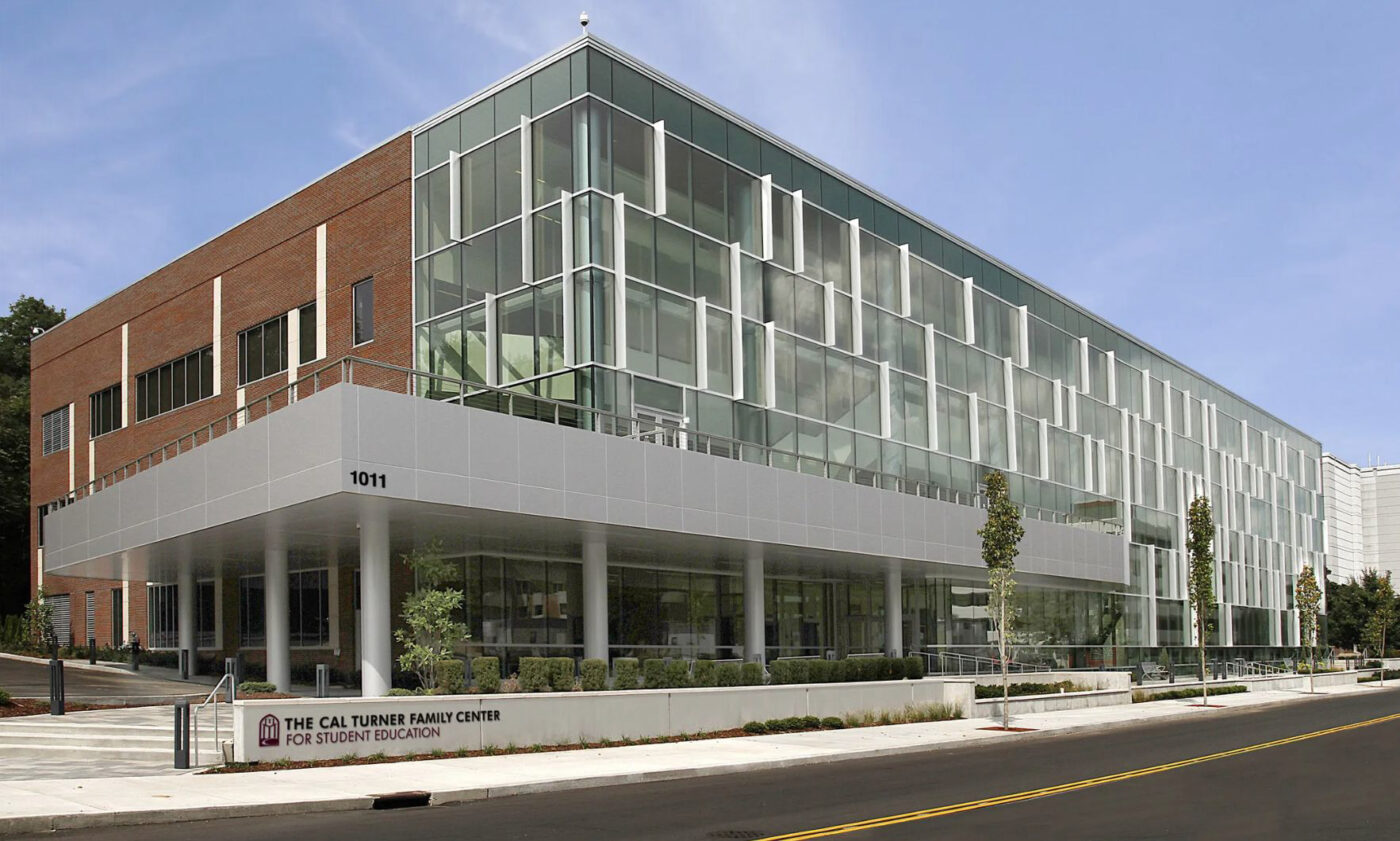
Meharry Medical College is a historically Black academic health sciences center founded in Nashville in 1876. It celebrated its 150th anniversary in 2026, and it is a United Methodist Church-related institution. Meharry trains physicians, scientists and dentists from every demographic to serve underserved communities, and it is consistently ranked as a leading national educator of African Americans who earn MD, DDS and PhD degrees in the biomedical sciences.
Degrees. Meharry’s School of Medicine awards the Doctor of Medicine (MD). Its Dual MD/PhD program adds three to four years; students must first be admitted to the School of Medicine and complete the first two years, including passing Step 1, before applying to the PhD. Across its five schools (Medicine, Dentistry, Graduate Studies, Global Health and Applied Computational Sciences), Meharry also awards the Doctor of Dental Surgery (DDS), the Master of Public Health (MPH), PhD programs, master’s degrees in the health sciences and data science, and a physician assistant program. This range of programs serves a wide spectrum of interests in the health sector.
Curriculum. Meharry’s MD curriculum, called Next S.T.E.P. (Successfully Training Equipped Physicians), presents lessons around the 120 most common clinical problems physicians see. It reduces lectures in favor of active learning such as team-based teaching, and Meharry was the first HBCU medical school to adopt this approach, which merges basic science and clinical lessons.
Accreditation. The LCME lists Meharry’s MD program as fully accredited and on probation. Meharry’s dean has stated that the school remains on probation with full accreditation, that probation does not affect its students’ degrees and that its next LCME survey visit was scheduled for April 2026. The LCME directory, last updated October 14, 2026, still shows the program as “Full, on probation.” Probation does not change the validity of a Meharry MD; it means the LCME is monitoring the program closely. It is fair to ask about the school’s progress, respectfully, at your interview.
Admissions figures. Meharry enrolls a class of 115. It does not publish a class MCAT or GPA average, but it recommends a GPA of 3.5 to 4.0 in its prerequisite courses to be competitive. MCAT scores older than three years from the planned year of matriculation are not considered.
Application process. Applicants apply through AMCAS, which opens June 1; Meharry begins reviewing applications July 1, and the AMCAS deadline is December 15. Meharry asks for three letters of recommendation (no more than four are reviewed) or a committee letter, and medical applicants are expected to take the Casper assessment. The supplemental application is by invitation only, costs $65 and is due January 15. Interviews run from September through April and are currently virtual: a 30 to 45 minute traditional interview with faculty, a 10-minute situational breakout and a 30-minute student group interview. Meharry also offers an Early Decision Program: you apply only to Meharry, complete all materials at AMCAS by August 1 and receive a decision by October 1.
Cost. For 2026-27, first-year tuition is $59,170 and fees are $9,862, and the estimated first-year cost of attendance is $118,722 for an 11-month year.
Outcomes. The college is known for its emphasis on primary care, and Meharry says a vast majority of its medical graduates match in a primary care field. For Match 2026, students who matched from the Class of 2026 had a 92% match rate.
For a step-by-step look at Meharry’s requirements, secondary application and interview, read IMA’s full Meharry Medical College admissions guide.
Howard University College of Medicine (HUCOM)
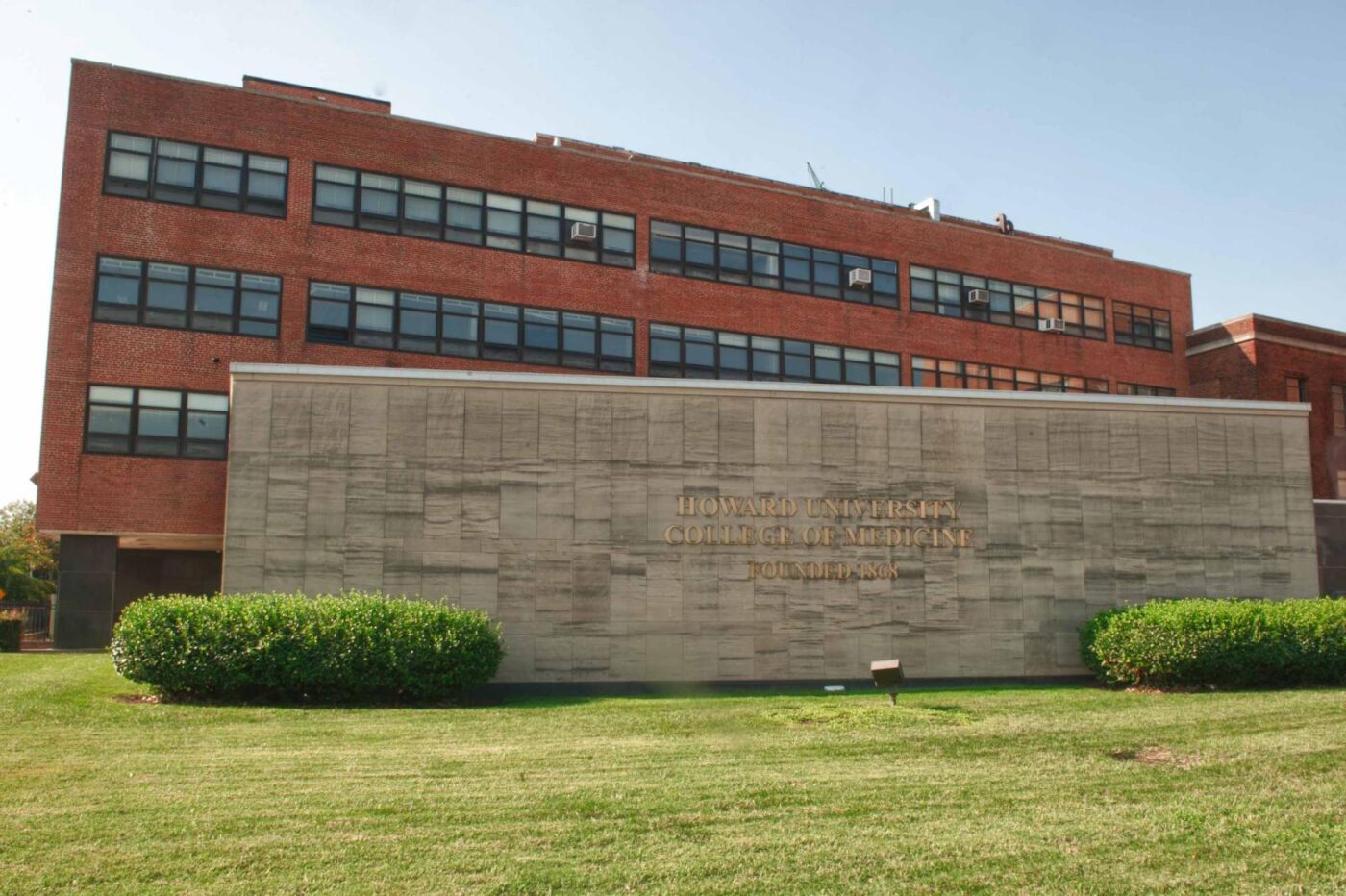
Howard University College of Medicine was founded in 1868, making it the oldest HBCU medical school in the nation. Howard is recognized for its rich history and its commitment to serving African American communities and other underserved populations. It provides a culturally aware educational environment that prepares students to address health disparities and to contribute to equitable health care delivery. Its students train at Howard University Hospital in Washington, D.C.
Degrees. Howard offers the MD, along with dual degree programs offered jointly with the Graduate School (MD/PhD), the College of Arts and Sciences (BS/MD) and the School of Business (MD/MBA). The BS/MD program lets a limited number of Howard undergraduates complete both degrees in six years instead of eight; entry into the College of Medicine requires a science GPA of at least 3.25, an overall GPA of at least 3.5 and an MCAT of at least 504. This variety lets students shape their education around clinical practice, research or a combination of both.
Accreditation. Howard’s College of Medicine has been granted full accreditation by the LCME and remains fully accredited. Its designation includes probationary status, which means close monitoring, until the next review period in February 2028. Howard has stated that probation does not change its accreditation, its authority to educate and graduate physicians or the validity of its students’ degrees. The LCME directory lists Howard as “Full, on probation” with its next survey in 2027-28.
Admissions figures. Howard’s class size is 130. The matriculating class mean MCAT is 505, and beginning with the 2026-2027 application cycle (for fall 2027 matriculants), Howard will not consider MCAT scores below 497. Applicants are expected to have a science (BCPM) GPA of 3.0 or above. Howard interviews about 400 students a year.
Application process. The AMCAS deadline is December 15, 2026. Once AMCAS verifies your application, Howard invites you by email to complete a secondary application, which costs $75; Howard does not accept fee waivers. Howard has no state residency requirement and accepts international students on a limited basis.
Cost. For 2026-27, first-year tuition is $58,608 and university mandatory fees are $2,516. The estimated first-year cost of attendance is $99,428, which does not include health insurance.
IMA’s full Howard University College of Medicine guide covers Howard’s secondary questions with example answers, its interview day and its clinical training.
Morehouse School of Medicine (MSM)
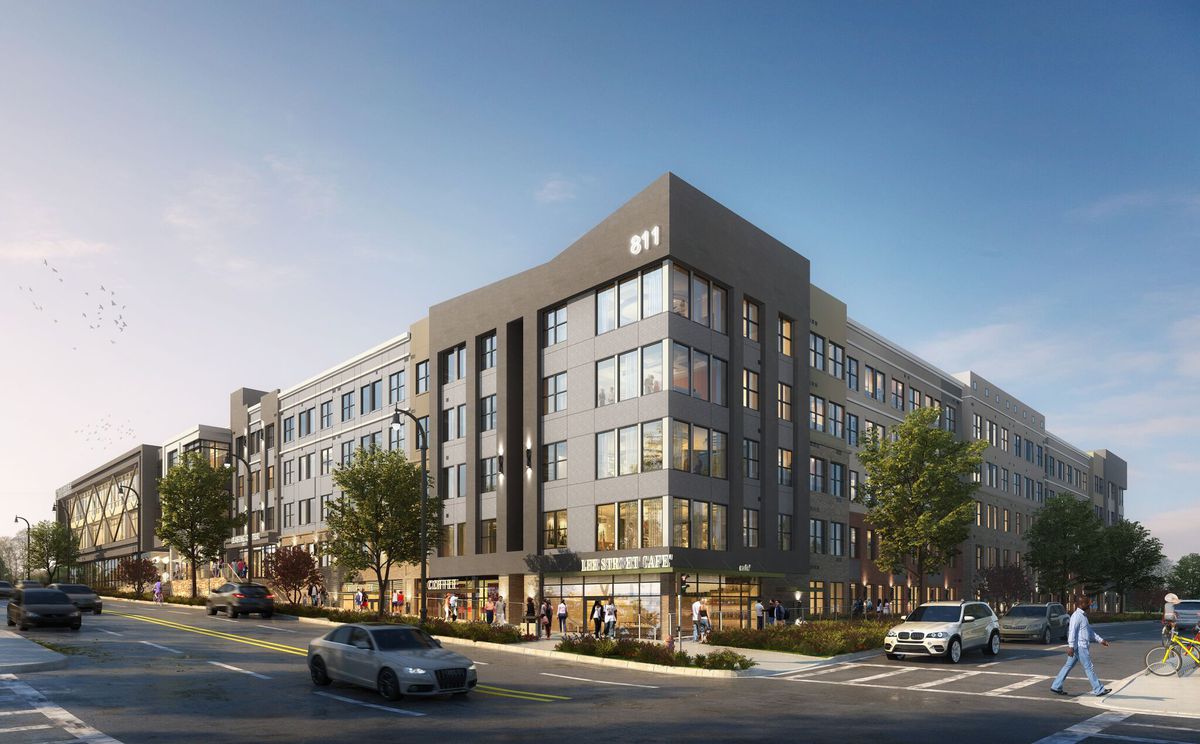
Morehouse School of Medicine, located in Atlanta, was founded in 1975 as the Medical Education Program at Morehouse College and became an independently chartered institution in 1981. MSM is among the nation’s leading educators of primary care physicians and was recognized as the top institution among U.S. medical schools for its social mission. The institution is known for its commitment to serving minority and underserved populations, embedding a strong sense of community and social justice in its curriculum. Morehouse places strong emphasis on primary care, public health and research, preparing its graduates to lead in addressing health disparities and promoting community wellness. Besides its Atlanta campus, MSM runs a regional campus in Columbus, Georgia.
Degrees. Morehouse awards the MD along with the PhD, the Master of Public Health (MPH), master’s degrees in biomedical research, clinical research, the medical sciences and neuroscience, a physician assistant program and a Doctor of Nursing Practice, plus dual degree programs.
Accreditation. Morehouse holds full LCME accreditation. The LCME first accredited it in 1978, and its next full survey is scheduled for 2028-29.
Admissions figures. Morehouse publishes a fact sheet for each entering class. For the Entering Class of 2025, 6,875 people applied and 110 matriculated. The class had an average MCAT of 505.6, an average GPA of 3.64 and an average science GPA of 3.56, and 62 of the 110 students were Georgia residents. Morehouse does not publish its number of offers, so its acceptance rate cannot be calculated from its own figures.
Application process. The AMCAS deadline is December 1, 2026. Qualified Georgia residents are given high priority. Morehouse’s Early Decision option, with a decision no later than October 1, is open to Georgia residents who apply only to MSM. Morehouse accepts U.S. citizens and permanent residents with a green card, and secondary applications are sent by invitation.
Cost. Morehouse has not yet posted a 2026-27 budget. For 2025-26, first-year tuition was $54,702 plus $12,612 in fees, and the total first-year budget was $115,918.
For more information and helpful guidance, read How to Get Into Morehouse School of Medicine: The Definitive Guide, and see how Morehouse compares with Emory, MCG, UGA, Mercer and PCOM in IMA’s guide to medical schools in Georgia.
Charles R. Drew University of Medicine and Science (CDU)

Charles R. Drew University of Medicine and Science is a private, nonprofit university in South Los Angeles. Its College of Medicine made history in 2023 by matriculating the inaugural class of its own MD program, the fourth MD program at a historically Black university. The university is particularly noted for its focus on health disparities, community-based research and service to underserved populations, and it prepares its graduates to be culturally competent physicians and advocates for health equity in communities like its own.
Degree. The College of Medicine offers a four-year MD program. Students train at community clinical sites that include Martin Luther King Jr. Community Hospital in South Los Angeles.
Accreditation. CDU’s MD program received provisional LCME accreditation in July 2025. Its survey visit for full accreditation is scheduled for February 1-3, 2027, when its charter class is in its final year.
Admissions figures. Each entering cohort has 60 students, and the Class of 2030 entered in summer 2026. CDU does not post a class MCAT or GPA average on its website, but it does set a clear screen: only applicants with an MCAT score of 500 or higher advance in review.
Application process. The AMCAS deadline is November 15, 2026, and CDU strongly recommends applying by November 1. The MCAT must be taken by September 12, 2026. The supplemental application is sent to screened applicants and has no fee. Classes for the entering class begin June 14, 2027 with a mandatory, in-person Gateway course.
Cost. Tuition is a flat $69,000 a year for every student, and current posted budgets run from $125,932 to $137,117 per year, depending on the program year.
To prepare for CDU’s six secondary questions and its virtual interview, read IMA’s full Charles R. Drew University College of Medicine guide, and compare CDU with the other programs in the state in IMA’s guide to medical schools in California.
Xavier Ochsner College of Medicine
The Xavier Ochsner College of Medicine is the newest HBCU medical school. It brings together Xavier University of Louisiana, one of the nation’s leading institutions for sending African American students on to medical school, and Ochsner Health, a Gulf South academic health system that trains more than 330 residents and fellows each year. The two institutions have worked together for decades, including on Xavier’s College of Pharmacy, its physician assistant program and the Ochsner Xavier Institute for Health Equity and Research.
The college’s mission is “to educate and train diverse physician leaders committed to health equity, innovation and the reimagination of healthcare to improve outcomes for all through outstanding education, clinical care and research.”
Accreditation and timeline. Xavier Ochsner was granted preliminary accreditation by the LCME in October 2026, after earning candidate status in October 2025 and hosting an LCME survey visit in June 2026. Preliminary accreditation allows a new program to recruit and enroll students, and it establishes students’ eligibility for the USMLE and, after graduation, for residency training. The next review, for provisional accreditation, is expected in 2028-29, when the first class is in its second year, with the review for full accreditation anticipated in 2030-31.
Campus and training. First- and second-year classes will be held in Benson Tower in downtown New Orleans’ BioDistrict, with classrooms built for team-based learning. Third- and fourth-year students will complete their clinical clerkships at Ochsner facilities.
Applying in 2026-2027. Xavier Ochsner plans to seat its inaugural class in summer 2027, which places it in the current application cycle. The school says applications will be available through AMCAS in the coming weeks. It has not yet published its class size, tuition, deadlines or admissions requirements, so check its website often if you want to be considered for the first class. IMA’s guide to medical schools in Louisiana covers the state’s other MD and DO programs.
Are There HBCU Osteopathic (DO) Medical Schools?
Not yet. As of October 2026, no college of osteopathic medicine at or affiliated with an HBCU appears on the Commission on Osteopathic College Accreditation’s lists of accredited, pre-accredited or candidate colleges. Every HBCU medical school with accreditation status today is an MD program accredited by the LCME. If you want to keep DO schools on your list, IMA’s guide to the differences between the MD and DO application services explains how AMCAS and AACOMAS compare.
Application Timeline for HBCU Medical Schools in 2026-2027
Deadlines differ across the five schools, so plan around the earliest one on your list.
| School | Key 2026-2027 dates |
|---|---|
| Meharry | Early Decision materials by August 1; AMCAS deadline December 15; supplemental due January 15 |
| Howard | AMCAS deadline December 15, 2026; secondary by invitation ($75) |
| Morehouse | Early Decision (Georgia residents) decision by October 1; AMCAS deadline December 1, 2026 |
| Charles R. Drew | MCAT by September 12, 2026; AMCAS deadline November 15, 2026 (November 1 recommended); classes begin June 14, 2027 |
| Xavier Ochsner | AMCAS application opening soon; inaugural class summer 2027 |
Meharry begins reviewing applications on July 1 and continues until the class is filled, and CDU strongly recommends submitting two weeks before its deadline, so submitting well ahead of any deadline gives you the most interview opportunities. If you are planning a year ahead, use the spring and summer before you apply for MCAT preparation and clinical experience. Many students use pre-med summer internships to add supervised patient care hours before the AMCAS application opens.
Resources for Success at Getting into HBCU Medical Schools
- Pre-med advising: IMA’s admissions advisors guide students through the application process and help them build the skills and knowledge a strong application requires.
- Medical school admissions consulting: Our reputable medical school admissions consulting services provide personal guidance and support throughout the application process, helping you refine your materials and strengthen your overall candidacy.
- Pre-med clinical and research opportunities: Immerse yourself in medicine through shadowing, clinical experience and research. IMA offers pre-med internships designed specifically for students preparing for medical school.
In recent years, there has been a growing focus on increasing diversity in medical education, with Black medical schools playing a central role. To help students who hope to enter these institutions, medical school admissions consulting services have become increasingly valuable. Our services offer personal guidance that helps students work through the complexities of applying to Black medical schools. We explain what these institutions look for in candidates, including academic achievement, community involvement and a demonstrated commitment to addressing health care disparities.
Another way to enrich your path to medical school is through international healthcare internships. Our programs are particularly useful for students aiming for admission to Black medical schools. They offer a global perspective on health care, exposing students to different medical practices and health systems. This international experience is valued in medical school admissions, especially at Black medical schools that emphasize culturally competent care and global health awareness.
International Medical Aid (IMA) runs medical internships abroad in teaching hospitals in Mombasa, Kenya and Cusco, Peru. Interns work alongside local physicians and nurses, taking vitals, doing patient intake and triage and helping with direct patient care under supervision. Our pre-med internships abroad often place students in hospitals that serve low-income and underserved populations, which aligns closely with the missions of HBCU medical schools. That kind of experience strengthens an application and reflects the values of schools that focus on serving marginalized communities. Students interested in Spanish-language care and Latino health can consider a medical internship in Peru. We encourage students to take part in programs like these, because they show a candidate’s readiness for the responsibilities of a medical career.
Building the experience HBCU admissions committees look for
Each HBCU medical school weighs your experiences alongside your numbers. Meharry selects candidates based on academic performance, MCAT scores, personal characteristics, awareness of the medical profession through shadowing or other health care experience, leadership, community service and the potential for success shown in letters and the personal statement. Morehouse’s committee likewise considers letters of recommendation, the academic record, the supplemental application and the interview together, and every school on this list looks for evidence that you share its mission. A few practical steps:
- Clinical exposure. Admissions committees want evidence that you understand what a physician’s work involves. Clinical internships for pre-med students that include supervised patient care, along with local volunteering and paid clinical work, give you that evidence and give you stories to tell in your essays.
- Service to underserved communities. Every HBCU medical school’s mission centers on health equity. Sustained service, such as working at a free clinic, a community health program or a hospital that serves a low-income population, matters more than a long list of brief activities.
- Strong letters. Meharry asks for a committee letter or three individual letters, including two from science professors. Build relationships with science faculty early.
- MCAT planning. Howard’s 497 minimum and CDU’s 500 screen mean your score has to clear a clear bar at those schools. Take the MCAT only after real preparation, and leave time for a retake before the deadlines.
- Casper. Meharry expects medical applicants to take the Casper assessment, so schedule it early in the cycle.
College students who are still building hours can look at medical internships for undergraduates alongside volunteer and work roles closer to home. If you need another year to strengthen your application or are planning to reapply, pre-med gap year programs can add months of supervised clinical work. Students considering the physician assistant programs at Meharry or Morehouse can explore pre-PA internships, and students still deciding between medicine and other health careers can look at pre-health internships that expose them to several roles on a clinical team.
Empowering Future Leaders in Healthcare
HBCU medical schools are a vital pathway for aspiring physicians who want to combine academic excellence with dedication to underserved communities. These institutions nurture culturally competent doctors who make a lasting impact on public health and health care equity.
As you plan your path to becoming a physician, consider the strengths and offerings of each HBCU medical school. Statistics provide a framework, but choosing the right school is a personal decision. Study each school’s programs, culture and community engagement opportunities to find the best fit for your goals. Use the resources available to you, seek guidance from advisors and mentors, and take part in pre-med experiences such as shadowing, clinical work and research. Internships for pre-med students are one way to build that experience before you apply.
By taking these steps and staying committed to your goals, you can build a rewarding career in medicine, supported by the rich legacy and steady support of HBCU medical schools.
Frequently Asked Questions
What was the first HBCU medical school, and what is its significance in the history of Black medical schools?
The first HBCU medical school was Howard University College of Medicine, established in 1868. It holds a significant place in history as a pioneer among Black medical schools, leading the way in educating African American physicians. Meharry Medical College followed in 1876, and after the Flexner Report of 1910, Howard and Meharry were the only two historically Black medical schools that remained accredited. Their survival was a monumental step in addressing racial disparities in medical education and health care.
How many HBCU medical schools currently exist, and what impact do they have on the healthcare system?
Four HBCU-affiliated medical schools enroll students today: Howard University College of Medicine, Meharry Medical College School of Medicine, Morehouse School of Medicine and the Charles R. Drew University of Medicine and Science College of Medicine. A fifth, the Xavier Ochsner College of Medicine in New Orleans, received preliminary LCME accreditation in October 2026 and plans to enroll its first class in summer 2027. These institutions play a crucial role in the health care system by increasing the number of African American physicians, promoting diversity in medicine and improving care in underserved communities.
Can you describe the unique contributions of HBCU medical schools to the field of medicine, particularly among Black medical schools?
HBCU medical schools have made distinctive contributions by focusing on culturally competent care and on addressing health disparities. They serve as critical training grounds for African American doctors. Their emphasis on primary care, public health and service to minority communities sets them apart: Morehouse is among the nation’s leading educators of primary care physicians, and Meharry reports that a vast majority of its medical graduates match in primary care fields.
What role do HBCU medical schools play in increasing diversity in the medical profession, and how does this compare to other Black medical schools?
HBCU medical schools are at the forefront of increasing diversity in medicine. Their missions, recruitment, pipeline programs and support systems are built around students from groups that are underrepresented in medicine, and the same holds across all of them: Howard, Meharry, Morehouse, CDU and the new Xavier Ochsner College of Medicine share this purpose while differing in location, size and curriculum. By training a diverse group of medical professionals, these schools help build a health care system that better represents the population it serves.
How does the curriculum and training at HBCU medical schools differ from other medical schools, including other black medical schools?
HBCU medical schools teach the same core sciences and clinical skills required of every LCME-accredited program, but they often add a stronger focus on serving underserved communities and addressing health disparities. The details differ from school to school. Meharry teaches through its Next S.T.E.P. curriculum built around the 120 most common clinical problems, CDU trains students in community settings in South Los Angeles and Morehouse emphasizes primary care and its social mission. The goal is to produce competent physicians who are also socially conscious health care leaders and who understand the complexities of care in diverse communities.
What is the newest HBCU medical school?
The Xavier Ochsner College of Medicine in New Orleans is the newest. A partnership of Xavier University of Louisiana and Ochsner Health, it received preliminary accreditation from the LCME in October 2026 and plans to welcome its inaugural class in summer 2027. Before that, the newest was Charles R. Drew University’s independent MD program, which enrolled its charter class in July 2023.
Can I apply to Xavier Ochsner College of Medicine this cycle?
Yes, once its application opens. Xavier Ochsner plans to enroll its first class in summer 2027, which falls in the 2026-2027 AMCAS cycle, and it says applications will be available through AMCAS in the coming weeks. Its class size, tuition and deadlines have not been published yet, so check the school’s website and contact its admissions office for updates.
Are Howard and Meharry still accredited?
Yes. Both are fully accredited MD programs that the LCME currently lists as on probation. Howard’s College of Medicine has full accreditation with probationary status until its next review in February 2028. Meharry’s School of Medicine remains on probation with full accreditation. Probation means closer monitoring by the LCME; it does not change either school’s accreditation or the validity of its graduates’ degrees.
Which HBCU medical school is the easiest to get into?
No HBCU medical school is easy to get into, and none publishes an acceptance rate on its own website. Each enrolls between 60 and 130 students from thousands of applicants; Morehouse, for example, had 6,875 applicants for 110 seats in its Entering Class of 2025. The better question is which school fits your record and goals. Compare published screens (Howard’s 497 MCAT minimum, CDU’s 500 MCAT screen), class averages where they exist (Morehouse’s 505.6 MCAT and 3.64 GPA) and each school’s mission.
What MCAT score do I need for HBCU medical schools?
It depends on the school. Morehouse’s Entering Class of 2025 averaged 505.6, and Howard’s matriculating class mean is 505. Howard will not consider scores below 497 starting with this cycle, and CDU advances only applicants with a 500 or higher. Meharry does not publish a class average or minimum. Aim to score at or above the published averages to be competitive.
Do HBCU medical schools accept non-Black students?
Yes. HBCU medical schools admit students of every race and background. Meharry, for example, describes its mission as training qualified physicians, scientists and dentists from every demographic to serve underserved communities. What these schools look for is a genuine commitment to their missions of health equity and service.
Do HBCU medical schools accept out-of-state students?
Yes. Howard has no state residency requirement, and Meharry and CDU publish no state residency restriction. Morehouse gives qualified Georgia residents high priority, but 48 of the 110 students in its Entering Class of 2025 came from outside Georgia.
How much does it cost to attend an HBCU medical school?
First-year tuition for 2026-27 is $58,608 at Howard and $59,170 at Meharry, and CDU charges a flat $69,000 a year. Morehouse’s newest posted first-year tuition is $54,702 (2025-26). With fees and living costs, estimated first-year costs of attendance run from $99,428 at Howard (excluding health insurance) to $118,722 at Meharry, with Morehouse at $115,918 (2025-26) and CDU’s budgets ranging from $125,932 to $137,117.
Are there HBCU DO schools?
Not at this time. No college of osteopathic medicine at or affiliated with an HBCU currently holds accreditation, pre-accreditation or candidate status with COCA, the accreditor of DO programs. All five HBCU medical schools with accreditation status award the MD.
How much clinical experience do HBCU medical schools want?
None of the five publishes a fixed number of hours, but all of them weigh clinical exposure and service heavily. Meharry, for example, looks for awareness of the medical profession through shadowing or other health care experience, along with leadership and community service. Sustained, hands-on patient contact in settings that serve underserved communities fits these schools’ missions best.
Final Thoughts
This guide presents a complete overview of HBCU medical schools for the 2026-2027 application cycle. Tuition, program offerings, deadlines and accreditation status change over time, and the newest school, Xavier Ochsner, will publish its admissions details in the coming weeks. For the most current information, visit each school’s official website and the resources listed below. We wish you all the best on your journey toward becoming a future leader in health care.
Additional Resources
- Association of American Medical Colleges (AAMC)
- National Association of Medical Minority Educators (NAMME)
- Meharry Medical College (MMC)
- Howard University College of Medicine (HUCOM)
- Morehouse School of Medicine (MSM)
- Charles R. Drew University of Medicine and Science (CDU)
- Xavier Ochsner College of Medicine
Sources
All pages were checked on October 21, 2026.
- LCME Accredited Programs directory (last updated October 14, 2026): accreditation status, next survey year and initial accreditation year for each MD program.
- COCA directory of colleges of osteopathic medicine and COCA Candidate Status list (as posted October 2026).
- Meharry Medical College School of Medicine: admissions FAQs; admission requirements and timeline; prerequisites; Early Decision Program; LCME page; Doctor of Medicine program page; Physician Assistant Sciences program page; Meharry Medical Group clinic locations; School of Medicine cost of attendance, 2026-2027; news on the Class of 2030 white coat ceremonies (August 11, 2026), Match 2026 (March 25, 2026) and 2026 commencement (May 18, 2026).
- Howard University College of Medicine: Admission and Aid (HUCM Basics); Requirements and Procedures; Dates and Deadlines; About; MD program page; statement regarding College of Medicine accreditation status; Howard University 2026-2027 Estimated Cost of Attendance.
- Morehouse School of Medicine: MD Fact Sheet (Entering Classes of 2022 to 2025); 2025-2026 student budgets; MD admissions process, admissions requirements and FAQs; About MSM; Columbus campus page.
- Charles R. Drew University of Medicine and Science: MD program page; MD admissions process and FAQs; College of Medicine overview; College of Medicine financial aid and cost of attendance; MD accreditation and CQI page; news on the Class of 2030 (July 2026) and the RWJF grant and February 2027 LCME survey.
- Xavier Ochsner College of Medicine: home page; FAQs; accreditation status page; mission and vision; announcement of preliminary accreditation (October 16, 2026).