Preparing for medical school can begin as soon as you know (or think) you want to be a doctor. You might not decide to go into medicine until you’re already in college. But for some of us, we know we want to be doctors from a young age. That could be at age five or age fifteen. If you’re a high school student who wants to become a doctor, then this article is for you. We’re going to discuss the importance of preparing to be a pre-med major after you’ve graduated high school.
We’ll cover:
- Strategizing and planning out your high school years
- The skills and knowledge you need to succeed
- Taking the right preparatory classes
- Asking for help when you need it
- Being an exemplary student
- Choosing your extracurricular activities
- Applying to medical school
- But what if I change my mind?
- Your future career
Plan Out Your High School Years
Strategizing and planning out your high school years is your first step toward pre-med success. That means planning your classes, extracurricular activities, and volunteer time around medicine. Many dedicated physicians started thinking about medicine in high school.
Being pre-med in high school might also lead to a BS/MD or Early Assurance program. While the traditional medical school student graduates from high school, earns an undergraduate degree, and then applies to medical school, combined programs streamline the process. Some provide conditional acceptance into medical school when you begin undergrad, provided you maintain strong grades and complete prerequisite courses.
In the past, many of these programs guaranteed admission without requiring the MCAT. Today, in 2025, some still waive the MCAT, but others require or recommend it. Competition is fierce, with programs expecting not only top academics but also real healthcare exposure through volunteering, shadowing, or clinical work.
A BS/MD program isn’t right for everyone, and the traditional route is still the most common. If you’re in high school, it’s worth learning about these programs, but don’t feel pressured to commit too early.
Obtain the Right Skills and Knowledge
Being pre-med in high school means thinking about your pre-med undergrad years and your eventual medical school applications. Most students who are interested in medical school gain a competitive edge by looking at admissions requirements for schools they’re interested in. You can then tailor your skills and experiences to fit those expectations.
Here’s an example. Say you want to go to Harvard Medical School. On their Before You Apply page, Harvard provides a detailed description of what they’re looking for, plus a closing statement: “A Harvard doctor is someone for whom the pursuit of excellence — both professional and personal — is a way of life. If this describes you, we encourage you to apply to Harvard Medical School.”
There will be requirements you can’t yet meet as a high schooler. But there are others you can do, like taking advanced courses and gaining experience that show your interest in medicine.
Admissions Testing and Applications
Medical school admissions are shifting. The MCAT remains central, but some schools are experimenting with test-optional policies or weighing other tools more heavily. One assessment gaining traction is the Altus Suite, which includes Casper, a situational judgment test used to measure empathy, ethics, and problem-solving.
These newer tools reflect a broader movement toward holistic admissions. Strong grades and test scores remain important, but personal qualities, leadership, and resilience are now just as critical. If you begin preparing early, by challenging yourself academically and seeking meaningful experiences, you’ll be in a stronger position later.
Take the Right Preparatory Classes
Advanced Placement classes are still among the best ways to prepare for college-level coursework. If your school offers AP Biology, AP Chemistry, and AP Physics, take them along with their labs. Hands-on lab work matters as much as textbook knowledge.
For math, aim for pre-calculus, calculus, and statistics. Many aspects of medicine involve quick calculations, and a foundation in higher-level math will make future coursework easier.
Many universities now highlight the importance of data science, computer science, and coding. Medicine is increasingly data-driven, and early exposure to data analysis and computational thinking can set you apart.
Beyond science and math, English, communications, psychology, and sociology courses remain essential. Doctors spend much of their time reading, writing, and communicating with others. AAMC specifically lists psychology and sociology as foundational subjects for pre-med students.
Ask for Help When You Need It
Science and math classes can be challenging. Don’t be afraid to ask questions or seek tutoring. Concepts build on each other, and gaps early on can make advanced topics harder. In high school, you have more access to teachers for one-on-one help than you’ll have in large college lectures. Take advantage of that now to build a solid foundation.
Be an Exemplary Student
Being exemplary isn’t just about grades. It’s also about attitude, consistency, and effort. Participate in class, collaborate on group projects, and show reliability. Teachers notice these behaviors, and you’ll likely need recommendation letters later. Strong relationships with your teachers now will serve you when it’s time to apply to college and beyond.
Take the Right Extracurriculars
Extracurriculars help you explore your interests while building experiences for your future application. Volunteering in hospitals, clinics, or nursing homes is a strong option because it gives you patient interaction and lets you observe healthcare professionals.
Becoming a CNA or EMT is another excellent choice, offering hands-on skills and patient care responsibilities.
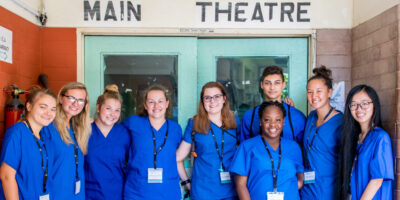
Another option is a summer medical internship. International Medical Aid provides opportunities to shadow and volunteer in hospitals abroad. These internships expose you to healthcare in different systems while immersing you in medical practice.
Since the pandemic, additional opportunities have become popular. Virtual research internships, telehealth volunteering, and public health projects show adaptability and awareness of modern healthcare. Admissions committees increasingly value applicants who balance international experiences with U.S.-based clinical hours, demonstrating both cultural competence and practical readiness.
Look at Medical Schools
Researching medical schools while in high school can help motivate you. Browse program websites, look at admission requirements, and keep track of schools that interest you. This process should inspire you, not pressure you. Most students won’t apply until after their undergraduate years. For traditional applicants, it’s too early to commit to a specialty, and it’s normal for your interests to evolve.
High School Medical Internships Abroad: Why They Matter & How to Make Them Count
If you’re serious about medicine, participating in a high school medical internship abroad can be a powerful way to confirm your interest, gain early exposure, and build meaningful experiences.
Why International Medical Internships Are Valuable in High School
- Real-world Exposure to Global Health Systems
Observing hospitals, clinics, or community health settings in another country shows you healthcare through a different lens. You’ll see how resource constraints, cultural contexts, and disease burdens vary — insight that’s increasingly prized in medical school applicants. - Demonstrated Initiative & Commitment
Interning abroad in high school shows that you’re willing to step out of your comfort zone, take risk, and pursue your passion. It signals to future admissions committees that your interest is serious and long-term. - Cultural Competence and Adaptability
Working in cross-cultural environments builds communication skills, empathy, and flexibility. These are exactly the traits admissions committees look for, especially in applicants planning careers that go beyond the U.S. health system. - Networking & Mentorship Opportunities
Many internships abroad connect students with physicians, global health professionals, and NGOs. These relationships can yield strong letters of recommendation, project ideas, or opportunities for further research. - Unique Experiences That Enhance Applications
Stories from overseas internships often carry more weight in essays and interviews — provided you reflect meaningfully on what you learned. A compelling anecdote from abroad can help you stand out, but only if it’s tied to personal growth or insight.
How to Choose the Right High School Medical Internship Abroad
When selecting a program, be critical and strategic. Here are key factors to weigh:
- Meaningful Clinical Exposure (not just sightseeing)
Some programs claim “medical internship” but mostly involve tours or light volunteering. Choose ones that let you shadow, assist in clinics, or observe patient care responsibly. Our high school pre-med internship program offers structured hospital placements and shadowing opportunities. - Local Partnerships & Supervision
The best programs collaborate with local hospitals and ensure licensed professionals supervise you. That provides both safety and learning. - Cultural & Language Support
Working abroad often involves communication barriers. Strong programs provide translators, orientation to cultural norms, and pre-departure training. - Sustainability & Ethics
Be cautious of programs that put students in roles beyond their skill level. A good program respects local staff, does not replace local labor, and includes community benefit components. - Duration & Timing
Whether you can go for two weeks, four weeks, or the entire summer, ensure the program spans enough time to let you settle in, observe, and contribute meaningfully. - Cost and Scholarships
International travel, lodging, and fees can add up. Look for programs that provide scholarships or financial aid, or partner with nonprofits. - Safety & Logistics
Check local conditions (health, political stability, vaccinations). A strong program will handle visas, housing, insurance, and 24/7 support.
How to Prepare & Make the Most of the Experience
Before You Go
- Brush up on foundational knowledge
Review basic anatomy, physiology, and common disease states. You’ll engage more deeply if you already understand core concepts. - Set goals
Decide what you want to learn (e.g. shadow surgery, observe maternity care, experience public health outreach). Having goals gives structure to your internship. - Arrange meaningful projects
Inquire whether you can assist local initiatives, such as health education, screening events, or data collection. Getting hands-on yields more enriching experiences. - Prepare culturally and linguistically
Learn basic medical or conversational terminology in the host country’s language. Also research cultural protocols in healthcare and patient interaction.
During the Internship
- Shadow with purpose
Ask questions, be eager to observe different specialties, and take notes. Aim to understand not just what is done, but why. - Document your experience
Keep a journal, take photos (with consent), and record reflections. These will be materials for essays, interviews, and your personal growth. - Engage in small tasks when allowed
Some programs might let you assist with patient intake, check vitals, or health education under supervision. Even small tasks help deepen your engagement. - Learn about public health efforts
Many international sites are fighting infectious disease, maternal health challenges, or infrastructure gaps. Get involved in outreach or community health projects if possible. - Respect boundaries
Understand ethical limits. You are there to learn, not to practice medicine. Never go beyond what’s allowed or safe.
After You Return
- Reflect deeply
Write a structured reflection on how the experience changed your perspective, what challenges you faced, and how it shaped your goals. - Translate experience into your application
Use anecdotes and lessons from the internship in essays and interviews. Demonstrate what you learned, not just where you went. - Maintain relationships
Stay in touch with mentors or physicians you worked with. They could become valuable references or collaborators. - Follow up with outcomes
If you participated in data collection or projects, ask if you can publish or report the results locally. It adds legitimacy to the work.
Participation in a high school medical internship abroad, particularly through IMA’s high school internship program, sets you apart in ways that carry forward into your undergraduate years and beyond.
What if I Change My Mind?
It’s possible to do everything right and later decide that medicine isn’t for you. That doesn’t mean you’ve wasted your time. The skills you gain, such as strong academics, leadership, and meaningful activities, will also serve you in other paths.
Admissions today emphasize mission fit and service orientation as much as prestige. The same preparation that makes you competitive for medical school also makes you attractive to top universities in other fields, or to health careers like nursing, public health, or physician assistant programs.
In fact, if you’ve aced your classes and involved yourself in extracurriculars, you’ve set yourself up for success all the way around. Medical school admissions committees aren’t the only ones looking for students at the top of their game. Those kinds of students get into Harvard, Yale, Stanford, and other Ivy League universities.
So, don’t worry about changing your mind. By caring right now, you’re setting your future self up for success.
One of the biggest changes in pre-medical preparation is the growing recognition that medicine is not just about science. Being an outstanding candidate means showing that you can connect with people, work in teams, and think critically about real-world problems. Here are some areas that deserve extra focus:
Emphasize Situational Judgment and Professionalism
Medical schools are using tools like Casper to evaluate non-academic qualities. You’ll be asked how you’d respond in ethical or challenging scenarios. While you can’t “study” for these tests in the traditional sense, you can prepare by gaining experiences that test your character. Volunteering in diverse environments, leading group projects, and reflecting on your actions when conflicts arise will all help you build the maturity admissions officers look for.
Consider Digital Health and Emerging Technologies
Healthcare has shifted dramatically toward technology in the past few years. High school students who explore telehealth, digital health apps, or even coding projects related to healthcare stand out. Many colleges now offer introductory data science or computer science classes to high school students, and some hospitals even host telehealth internships. These opportunities show that you understand the modern direction of medicine.
Balance Global and Local Experience
International internships are still powerful, but medical schools are now stricter about ensuring that applicants have direct U.S. patient-facing experience as well. A great approach is to combine the two. Spend a summer abroad shadowing physicians and learning about healthcare systems in another country, but also volunteer locally in a hospital, free clinic, or community health program. This combination demonstrates both cultural competence and a grounded understanding of the U.S. healthcare environment.
Explore Broader Health Careers
Even if you’re confident about becoming a doctor, exploring other roles — such as physician assistant, nurse practitioner, or public health professional — can strengthen your perspective. Many students who prepare for medicine in high school ultimately pursue another healthcare career and are grateful for the early preparation. Showing awareness of the team-based nature of healthcare makes you a stronger candidate, regardless of which path you ultimately choose.
Focus on Mental Health and Balance
High-achieving students often overload themselves with AP classes, volunteering, and extracurriculars. But admissions committees are increasingly aware of the importance of balance. If you can show that you managed stress, maintained healthy relationships, and prioritized your well-being while excelling academically, you’ll stand out. Medicine is demanding, and schools want future doctors who can sustain their performance without burning out.
Develop Leadership and Reflection Skills
Grades and test scores will always matter, but admissions readers want to know who you are. Taking on leadership roles — whether it’s captaining a sports team, leading a school club, or organizing a fundraiser — provides concrete evidence of initiative. Just as importantly, keep a journal or write reflections about what you learned from these experiences. These notes often become the seeds for compelling personal statements later on.
Stay Flexible With Your Goals
Finally, remember that being “pre-med” in high school doesn’t lock you into medicine. It simply puts you in a strong position to pursue it. By building skills in science, communication, service, and leadership, you’ll be prepared for a wide range of futures. Whether you continue straight into a pre-med track, switch to another healthcare profession, or choose a different field altogether, the foundation you’re building now will support your success.
Your Future Career
Is it all a little overwhelming to think about? We get it. Medical school is a lot to tackle. That’s why International Medical Aid offers medical school admissions consulting services. Through our medical school admissions consulting, we offer help for every part of the medical school application process.
From filling out your AMCAS, AACOMAS or TMDSAS application, to writing your personal statement and secondary essays, we’re here for you. We can also provide general strategy and guidance for high-school and undergraduate pre-med studentsPlease don’t hesitate to reach out to us if you need help.
As promised, here’s the list of schools we’ve covered in our definitive series on getting into medical school.
- UC Davis School of Medicine
- Harvard Medical School
- UC Riverside School of Medicine
- USC Keck School of Medicine
- UT Southwestern Medical School
- Long School of Medicine at UT Health San Antonio
- University of the Incarnate Word School of Osteopathic Medicine
- UT Austin’s Dell Medical School
- UTMB School of Medicine
- McGovern Medical School at UT Health
- Johns Hopkins School of Medicine
- McGovern Medical School at UT Health
- The University of Texas Rio Grande Valley School of Medicine
- UNT Texas College of Osteopathic Medicine
- University of Houston College of Medicine
- Texas A&M College of Medicine
- Johns Hopkins Medical School
- Baylor College of Medicine
- George Washington University School of Medicine
- Vanderbilt University School of Medicine
- St. George’s University School of Medicine
- Lake Erie College of Osteopathic Medicine (in Pennsylvania)
- Sidney Kimmel Medical College at Thomas Jefferson University
- Wake Forest University School of Medicine
- Western University of Health Sciences (in California)
- Drexel University College of Medicine
- Stritch School of Medicine at Loyola University Chicago
- Georgetown University School of Medicine
- Yale School of Medicine
- Perelman School of Medicine
- UCLA Medical School
- NYU Medical School
- Washington University School of Medicine
- Brown Medical School
Good luck being a pre-med student while you’re in high school! We know you’ll do great. We’re proud of you for reaching for your dreams.