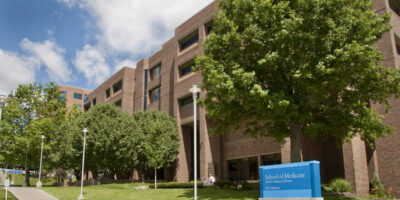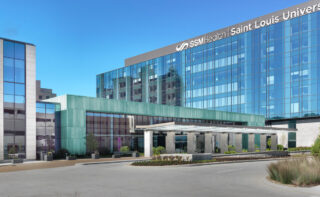

Located in the vibrant Midwestern city of St. Louis, Saint Louis University School of Medicine (SLU SOM) is known for graduating capable physicians, for its research, for a commitment to humanistic medicine and for practical clinical tools such as the SLU Mental Status (SLUMS) exam. It is a private, Catholic, Jesuit medical school that awards the Doctor of Medicine (M.D.) degree on SLU’s health sciences campus along South Grand Boulevard, across the street from SSM Health Saint Louis University Hospital and SSM Health Cardinal Glennon Children’s Hospital.
SLU SOM was established in 1836 and awarded the first medical degree west of the Mississippi River. Today it enrolls 732 medical students, and 182 new students joined the Class of 2030 in July 2026. Its training rests on the Jesuit ideal of cura personalis, care for the whole person, and on a close clinical partnership with SSM Health.
This guide is written for the 2026-2027 application cycle, which leads to entry in July 2027. It covers what SLU looks for, its programs and curriculum, admission requirements and deadlines, current costs, student life, clinical training and research, people worth knowing, class statistics, every current secondary essay prompt with an original example response, and the interview. Facts were checked on October 17 and 18, 2026.
Acquiring the academic, clinical and character-building experiences needed for a good medical school takes significant time and effort. Your hard work pays off when you submit your primary application, but the work is not over. You still need to put your best foot forward in the secondary application and the interview. A major challenge is showing fit: how your experiences, ideals and ambitions line up with the school’s approach to teaching medicine. Researching a school’s programs, identity and curriculum takes time, but it is an essential first step. Use the sections below to make that case for SLU, and consider bookmarking this page for reference as the cycle moves along.
Key Takeaways
- Check the citizenship rule. SLU states that “With the 2028 application cycle, the traditional M.D. pathway will only accept applications from U.S. citizens and permanent residents.” If you are not a U.S. citizen or permanent resident, contact the Office of Admission before you apply.
- Academic context. Traditional-pathway applicants accepted for entry in July 2026 averaged a 514 MCAT, a 3.88 overall GPA and a 3.84 science and math GPA. The MCAT minimum is a total of 502, from a test taken in 2023 or later. There is no formal GPA minimum.
- PREview is required. You must take the AAMC PREview professional readiness exam. The registration deadline is Sept. 30, and the score is used after the interview.
- Mission fit matters. SLU’s mission joins education, research, clinical care and community engagement through professional development, collaboration and social justice. Service, care for the whole person and work with underserved patients are central.
- Key dates. The AMCAS deadline is Nov. 15 and the supplemental application and all supporting materials are due Dec. 15. Early Decision applicants must complete everything by Aug. 1. Admission is rolling, so earlier is better.
- Costs. 2026-27 tuition is $71,360 for every student. The nine-month first-year cost of attendance is $90,854 living with a parent or $100,374 living off campus.
- Distinctive training. Students treat patients in the first two years, must pass USMLE Step 1 before clerkships, complete seven core clerkships in a 12-month phase and spend 18 months in a flexible post-clerkship phase. Eight optional distinctions add focus areas such as Community Health, Global Health and Medical Spanish.
- Next step. Schedule the PREview, confirm your MCAT date and prerequisites, ask for no more than three letters, and draft the four 1,000-character secondary essays early so you can return them quickly.
Key Statistics About Saint Louis University School of Medicine

The table gathers the key numbers for SLU SOM. Each row names its cohort and source, because admissions numbers, costs and program facts come from different pages and different years.
| Measure | Value | Cohort, population and source |
|---|---|---|
| School and degree | Saint Louis University School of Medicine, M.D. | Private, Catholic, Jesuit; SLU health sciences campus, 1402 S. Grand Blvd., St. Louis, MO |
| Accreditation | Fully accredited by the LCME | School About page, checked October 2026 |
| Entering class size | 182 | Class of 2030, entered July 2026 (school White Coat Ceremony report, July 26, 2026) |
| Total medical students | 732 | School About page (undated) |
| Average total MCAT | 514 | Traditional-pathway applicants accepted for July 2026 entry (school admission requirements page) |
| Average MCAT sections | CPBS 129, CARS 127, BBFL 129, PSBB 130 | Same cohort and source |
| Average overall GPA | 3.88 | Same cohort and source |
| Average science and math GPA | 3.84 | Same cohort and source |
| Median MCAT, all accepted applicants | 515 (mean 514.7) | 2025 entering class (AAMC MSAR, 2026 edition) |
| Median overall GPA, all accepted applicants | 3.94 (science 3.92) | 2025 entering class (AAMC MSAR, 2026 edition) |
| Minimum MCAT | 502 total | 2026-2027 cycle; scores from 2023 or later; test completed by September 2026 (school requirements page and FAQ) |
| Minimum GPA | No formal requirement | School admissions FAQ |
| Verified applications | 6,672 | 2025 entering class: 391 in-state, 5,815 out-of-state, 466 international (AAMC MSAR) |
| Applicants interviewed | 841 | 2025 entering class: 113 in-state, 703 out-of-state, 25 international (AAMC MSAR) |
| Interviewed / verified applications | 12.6% | 2025 entering class; IMA calculation from AAMC MSAR counts. Not an acceptance rate |
| Acceptances (offers) | Not reported | No offer count is published for SLU SOM, so no acceptance rate is shown |
| Matriculants | 174 | 2025 entering class: 51 in-state, 117 out-of-state, 6 international (AAMC MSAR) |
| Tuition, 2026-27 | $71,360 per year | All four years; one rate for all students regardless of state (school 2026-2027 cost page) |
| First-year cost of attendance, 2026-27 | $90,854 with parent; $100,374 off campus | Nine months, includes tuition, fees, housing, books, transportation and miscellaneous costs (school 2026-2027 cost page) |
| Tuition and fees, 2025-26 | $72,240; total cost $98,076 | First-year students, same for all residencies (AAMC Tuition and Student Fees survey 2025-2026, via MSAR) |
| Students receiving financial aid | 78% | All enrolled and graduated students, 2024-2025 (LCME Part I-B, via AAMC MSAR) |
| Average debt of indebted graduates | $245,066 | 2024-2025 graduates with debt (LCME Part I-B, via AAMC MSAR) |
| Residency match rate | 98.3% | 2026 Match, Class of 2026 (school M.D. program page) |
| U.S. News recognition | Tier 1 Best Medical School for Primary Care | 2026 Best Graduate Schools, released April 2026 (SLU news release) |
| Primary application | AMCAS; deadline Nov. 15 | 2026-2027 cycle; supplemental and all materials due Dec. 15 |
| Secondary application | Sent at MCAT 502+; fee $100; fee waiver available | 2026-2027 cycle (AAMC MSAR) |
| Offers and deposit | Oct. 15, 2026 to July 9, 2027; two weeks to respond; no deposit | 2026-2027 cycle (AAMC MSAR) |
Three notes help when reading these numbers. First, the school’s MCAT and GPA figures are averages for applicants who were accepted through the traditional pathway for July 2026 entry, not medians and not the whole enrolled class. The medians (515 MCAT, 3.94 GPA) describe all accepted applicants a year earlier, in the 2025 entering class. Half of accepted students may be above or below an average, and a strong file below these numbers can still succeed. Second, 502 is a hard minimum, while 514 is a typical result for admitted applicants. Meeting the minimum makes you eligible for review; it does not make you competitive by itself. Third, the cost of attendance is a budget used to set financial aid limits. It is not a bill, and scholarships lower what an individual student pays.
For the 2025 entering class, SLU received 6,672 verified applications, interviewed 841 applicants and enrolled 174 students. About one verified applicant in eight (12.6%) was interviewed. No count of acceptances (offers) is published for that class, so no acceptance rate is shown here; enrolling 174 from 6,672 is not an acceptance rate, because many admitted applicants choose other schools. The class profile section below explains how to judge selectivity.
Mission and Educational Priorities
The mission of Saint Louis University School of Medicine is “the pursuit of excellence in education, research, clinical care and community engagement through professional development, collaboration and social justice.” Its core values are cura personalis (care for the whole person), scholarship, discovery, equity and collaboration across SLU, SSM Health and the wider community. You can read the full statement on the School of Medicine About page.
These words show up in concrete parts of the program, which is why they matter for your application:
- Care for the whole person. Cura personalis is the Jesuit idea at the center of SLU’s education. The curriculum teaches holistic care, compassionate communication, patient advocacy and medical ethics, and the White Coat Ceremony frames medicine as a vocation grounded in humanism and dignity. Applicants who can show how they already pay attention to patients’ lives outside the exam room will fit this language naturally.
- Social determinants of health. SLU integrates social determinants of health and health equity into medical education. Students analyze how environment and income shape access and outcomes, and they practice that knowledge in the SLU mobile health clinic and community partnerships.
- Service. About half of SLU medical students take part in community outreach each year. The school’s original Health Resource Center in north St. Louis has grown into two mobile health clinics run through the Office of Ignatian Mission in Medicine.
- Primary care and the region. SLU is a Tier 1 Best Medical School for Primary Care in the 2026 U.S. News rankings, a designation it shares with 15 other schools. Thirty percent of 2026 graduates are practicing in Missouri and 15 percent are joining SSM Health.
- Research. SLU is a Carnegie R1 research university. The medical school is a leading center of research in infectious disease, liver disease, aging and brain disorders, immunology and neuroscience.
What this means for applicants. SLU looks at you as a whole person. Its admission committee considers academics and community engagement, lived experiences such as hobbies and personal interests, and personal attributes such as maturity, character, motivation and commitment to medicine. SLU invites high-achieving applicants whose “personal life and values align with a lifelong career of service.” In practice, that means a record of sustained service with people who face barriers to care, honest reflection on what that work taught you, and evidence that you can talk about ethics and justice in plain terms. SLU also requires the PREview exam because it values empathy, ethics, communication and cultural humility “just as” much as test scores.
The mission does not ask you to be Catholic or to use religious language. It asks you to show care, integrity and a commitment to serving others. If your own values come from a faith tradition, you may say so. If they do not, describe the people and experiences that shaped them.
Accreditation and Institutional Identity
Saint Louis University School of Medicine is fully accredited by the Liaison Committee on Medical Education (LCME), the accrediting body for M.D. programs in the United States. You can confirm the current status in the LCME directory of accredited programs. Accreditation means the program meets national standards; it is not a ranking.
Institution and campus. SLU SOM is part of Saint Louis University, a private Catholic, Jesuit university with an R1 Carnegie research classification. The medical school sits on the SLU health sciences campus south of the main campus, next to the nursing and allied health schools and across Grand Boulevard from SSM Health Saint Louis University Hospital and SSM Health Cardinal Glennon Children’s Hospital. All M.D. students study on this single campus.
A long history. Established in 1836, the School of Medicine awarded the first medical degree west of the Mississippi River. In 1943, Edward A. Doisy, Ph.D., chair of biochemistry, received the Nobel Prize for his work on vitamin K. In 1972, SLU surgeons performed the first heart transplant at an academic center in the Midwest. The Center for Vaccine Development, founded in 1989, helped develop vaccines including the FluMist nasal spray influenza vaccine. In 2007 SLU opened the Edward A. Doisy Research Center, which has 80 research labs on eight floors.
SLUMS. The SLU Mental Status (SLUMS) exam is one of the school’s best-known clinical tools. It is a widely used assessment for mild cognitive impairment and dementia, designed for adults aged 60 and older and developed with the Geriatrics Research, Education and Clinical Center at the St. Louis VA. It has 11 questions covering orientation, recall, calculation, clock drawing and other skills, and it is free for health care and social service professionals to use. (Learn more about SLUMS here.)
The SSM Health partnership. SLU’s clinical partner is SSM Health. SLUCare Physician Group, the academic practice formed in 1995, has more than 600 providers across the region and became the academic medical group of SSM Health on July 1, 2022. SSM Health Saint Louis University Hospital, a 365-bed tertiary care hospital, opened in its new building in September 2020.
Rankings. In the 2026 U.S. News & World Report Best Graduate Schools, released April 7, 2026, SLU SOM was again named a Tier 1 Best Medical School for Primary Care, a distinction shared by only 15 other U.S. medical schools. U.S. News now uses tiers rather than numbered ranks for medical schools, and SLU has been in the top primary care tier since the tier system began (SLU rankings announcement). Treat any ranking as one input. Mission, cost, location and training style matter more for daily life as a student.
Medical schools in St. Louis. St. Louis has two M.D. schools: SLU SOM and Washington University School of Medicine. WashU is larger and research-intensive; SLU combines a strong primary care identity, a Jesuit service mission and close ties to SSM Health. Many applicants apply to both. Missouri’s other medical schools are covered in the related guides near the end of this page.
Medical Programs and Affiliations
SLU SOM offers one M.D. curriculum and several ways to add a second degree, a focus area or an early pathway. Here are the options and how each one is entered.
Four-year M.D. program
The traditional four-year M.D. is the main program. Applicants apply through AMCAS, complete SLU’s supplemental application and, if selected, interview virtually. The curriculum is described in the next section.
Dual degrees
SLU lists six dual degrees for M.D. students on its dual-degree programs page:
- M.D./M.B.A. with SLU’s Richard A. Chaifetz School of Business, for students interested in health care leadership and management. One 2026 graduate took a leave of absence to complete the M.B.A. and described the Leadership in the Business of Medicine course as one of her most meaningful experiences.
- M.D./M.P.H., for students drawn to population health, policy and community work.
- M.D./Ph.D. in Biochemistry and Molecular Biology, focused on molecular mechanisms of disease, structural and cellular biology, metabolism and signaling.
- M.D./Ph.D. in Molecular Microbiology and Immunology, with research in virology, immunology, cancer therapy and antiviral drug development.
- M.D./Ph.D. in Pharmacology and Physiology, from subcellular to integrative research.
- M.D./Ph.D. in Health Care Ethics, for physicians who want to study the ethics of clinical practice, institutional policy and regulation.
The M.D./Ph.D. program
The M.D./Ph.D. program is directed by Jane McHowat, Ph.D. Admission is a dual-acceptance process: you must be independently accepted to the M.D. program. External applicants select the “Combined Medical Degree/Ph.D.” track in AMCAS; current SLU M.D. students in good standing in their first or second year may apply internally. The committee looks for at least one year of research with evidence of intellectual involvement, such as an honors thesis, abstract or publication, and letters that speak to research aptitude. The M.D./Ph.D. supplemental application form, fee and letters of recommendation are due Nov. 30, 2026. Selected applicants have a 30-minute virtual interview in December and, if they advance, an in-person interview in January with a 20- to 25-minute research presentation and meetings with at least three potential mentors.
Funding is limited and specific. Each year SLU offers full funding (tuition and a stipend) to two domestic M.D./Ph.D. students pursuing basic science degrees. Students on the standard tuition track pay no more than the cost of an M.D., and Health Care Ethics students are not eligible for full funding. Qualifying international students may be considered on the standard track. The training timeline runs about 1.5 years of medical school, about four years of Ph.D. work and about 2.5 years of clinical training. Read the details on the M.D./Ph.D. application page.
Medical distinctions
Students can add one of eight optional medical distinctions to the standard curriculum, each with electives and mentorship:
- Community Health: service to vulnerable urban and rural populations, rooted in cura personalis.
- Global Health: local and international service, internationally focused projects and membership in the Global Health Learning Community.
- Healthcare Ethics: ethics in clinical training and practice.
- Medical Education: peer tutoring, community education, journal clubs, podcasts and curriculum projects.
- Medical Spanish: a medical terminology elective, clinical language practice and work with local organizations serving Hispanic and Latino communities in St. Louis.
- Research: clinical or basic science projects with principal investigators, ending with a diploma distinction.
- Wellness: wellness events, student-led wellness groups and mental health awareness.
- Arts in Medicine: listed, with details still to come.
If Medical Spanish appeals to you, clinical time in a Spanish-speaking setting before medical school can show that the interest is real. A medical internship in Peru is one way pre-health students build that experience while helping with patient care under supervision.
Pathways for undergraduates and post-baccalaureate students
- SLU Medical Scholars Program. An early-assurance program for exceptional SLU undergraduates, applied for in high school (by Dec. 1 of senior year) or during the freshman year at SLU. Scholars receive early review and a guaranteed interview at SLU SOM, plus shadowing, workshops and advising. The program does not guarantee acceptance, and scholars must still take the MCAT. See the Medical Scholars Program page.
- Master of Science in Medical Science (MSMS). A one-year master’s program that mirrors the first year of medical school, with classes alongside first-year medical students. Students who meet set metrics (including an MCAT of 498 or higher, reached within two attempts before the program starts, a combined summer and fall GPA of at least 3.25, and sustained service and clinical experience) receive a guaranteed interview at SLU SOM. The 2026 cohort had 23 students, eight of whom matriculated at SLU SOM. See the MSMS program page.
- Pathway programs for younger students. The Office of Ignatian Mission in Medicine runs the Summer Scholars Program for high school students and the eight-week Summer Undergraduate Research Program for college students, and supports Adventures in Medicine and Science (AIMS), a youth outreach program in which faculty and students teach anatomy and health. SLU’s secondary asks whether you attended one of these programs.
Clinical affiliations
SLU’s primary clinical partners are SSM Health Saint Louis University Hospital, SSM Health Cardinal Glennon Children’s Hospital and SSM Health St. Mary’s Hospital. Students also train at Mercy Hospital St. Louis, the John J. Cochran VA Medical Center and other regional sites. Details are in the clinical rotations section below.
Curriculum Overview
SLU’s M.D. curriculum is built on three pillars: basic science, health system sciences and clinical medicine. It is organized into three phases across four academic years, as shown on the school’s curriculum by year page:
| Phase | Length | Focus |
|---|---|---|
| Phase 1: Pre-Clerkship | 18 months | Foundational basic and clinical science, organ systems, clinical skills |
| Phase 2: Clerkship | 12 months | Seven core clerkships in general medical departments, plus career exploration |
| Phase 3: Post-Clerkship | 18 months | Electives, acting internship, ambulatory and emergency medicine, residency preparation |
How students learn
SLU uses active, team-based and peer-led learning. Students solve clinical problems in class, explain hard concepts to classmates and work in small groups. Clinical exposure starts early: students treat real patients during the first two years. The Clinical Skills Center, founded in 1977 and one of the first in the country, uses standardized patients to teach history-taking, examination and communication. The Simulation Center recreates emergencies with faculty guidance, and students also practice with AI and virtual reality patients that give immediate feedback.
Threads that run through all four years include health care ethics, medicine and society (with patient safety and quality improvement), Leadership in the Business of Medicine, and personal and professional development. These courses are where SLU’s mission becomes part of the grade book, not only the brochure.
Phase 1: Pre-Clerkship (18 months)
Year 1 (12 months). Required courses include Epidemiology and Biostatistics, Foundations in Health Care Ethics, Professional and Personal Development I, Molecular Foundations in Medicine, Clinical Interviewing, Clinical Diagnosis, Leadership in the Business of Medicine, Medicine and Society: Foundations of Patient Safety, Normal Structure and Function modules (musculoskeletal; thorax and head; abdomen and pelvis), Introduction to Pathology, Principles of Immunology, Pharmacology and Therapeutics, Brain and Behavior, Cardiovascular System, Hematology, Respiratory System, Introduction to Medical Information Management and Bench to Bedside. Electives in the first year let students explore shadowing, basic science and clinical research.
Year 2 (six months). Students study organ systems in health and disease (renal and urinary, gastrointestinal, endocrine and reproductive, and skin, bone and joint) and continue Clinical Diagnosis, Clinical Reasoning in Health Care Ethics, Medicine and Society: Fundamentals of Quality Improvement, and Leadership in the Business of Medicine. NBME-customized exams for each organ module build toward boards.
Step 1 gate. Students must pass USMLE Step 1 before moving into Phase 2. A dedicated study period follows the organ system modules.
Phase 2: Clerkship (12 months)
The clerkship year begins with a one-week introduction to clinical work. Rotation order is set by a student lottery. The seven core clerkships are:
| Clerkship | Length |
|---|---|
| Family and Community Medicine | 6 weeks |
| Internal Medicine | 8 weeks |
| Neurology | 4 weeks |
| Obstetrics and Gynecology | 6 weeks |
| Pediatrics | 8 weeks |
| Psychiatry | 4 weeks |
| Surgery | 8 weeks |
Students also complete two separate two-week career exploration electives in fields the core clerkships do not cover, such as anesthesiology, dermatology, radiology, emergency medicine, radiation oncology, physical medicine and rehabilitation, or research. Longitudinal classes in medical information management, evidence-based medicine and professional development continue through the year.
Phase 3: Post-Clerkship (18 months)
The final phase gives students room to explore specialties and prepare for residency. Requirements include:
- An acting internship, where students carry intern-level responsibilities on a ward team. Students may add more.
- An ambulatory medicine clerkship in internal medicine or pediatrics.
- A four-week emergency medicine clerkship near the end of the phase.
- 36 weeks of required electives, with at least 24 weeks of direct patient care and up to 12 weeks of non-direct electives, often structured research.
- USMLE Step 2 Clinical Knowledge.
- A capstone course that prepares students for residency.
Fourth-year students can complete away rotations at other academic hospitals through the AAMC’s Visiting Student Learning Opportunities program. Students considering an international elective are encouraged to take a global health course and can apply for the Dr. Tom Dooley Memorial International Elective Scholarship or the Everett M. Sugarbaker School of Medicine Scholarship.
Required scholarship and differences between tracks
The M.D. program does not require a research thesis. Research is encouraged through the Summer Research Fellowship, the Research distinction and the Alpha Omega Alpha Student Research Forum. M.D./Ph.D. students follow a different timeline: summer research before and during the first year, the M1 and M2 curriculum and Step 1, about four years of Ph.D. work, then the clinical years. Basic science M.D./Ph.D. students transfer 30 credits of M1 and M2 coursework toward the Ph.D.; Health Care Ethics students transfer seven credits and receive specific course waivers.
Admissions Requirements and Application Process
SLU uses a holistic process, but it also has firm minimums. This section separates the two: what you must have to be reviewed, and what admitted applicants typically bring.
Eligibility, citizenship and residency
SLU’s eligibility policy for international applicants, in full:
“With the 2028 application cycle, the traditional M.D. pathway will only accept applications from U.S. citizens and permanent residents. Applications from international students will not be considered, except for those in the SLU Medical Scholars Program and SLU Master of Medical Sciences program guaranteed interview pathway.”
If you are not a U.S. citizen or permanent resident, contact the Office of Admission at [email protected] or 314-977-9870 to confirm how this policy applies to your application year before you pay any fees. The two programs named in the policy, the SLU Medical Scholars Program and the MSMS guaranteed interview pathway, are described in the programs section above.
Other eligibility rules:
- Degrees earned abroad. U.S. citizens and permanent residents who earned a degree outside the U.S. or Canada must complete at least one academic year of science coursework at an accredited North American college or university before applying.
- International, Canadian and DACA applicants. For the 2026-2027 cycle, Canadian and DACA applicants are considered international students, and international applicants face additional financial requirements and need at least 30 hours of science coursework at a North American college or university.
- Entry timing. Students are admitted only at the beginning of the academic year.
- State of origin. Well-qualified applicants are seriously considered regardless of their state of origin. As a private school, SLU charges the same tuition to everyone. Some additional consideration is given to qualified SLU students and to qualified family members of School of Medicine alumni.
- Not eligible. Applicants who have failed or been terminated from another medical school for any reason, or who already hold a medical degree from any country, may not apply.
- Repeated applications. If you have applied unsuccessfully more than three times, SLU recommends that you not apply again unless significant changes merit a new review.
- Graduate students. If you are in a master’s or doctoral program, you must either finish the degree before medical school or submit a letter from a graduate faculty mentor supporting the move. If neither works, you must withdraw from the graduate program before applying.
Undergraduate coursework
You need a minimum of 90 semester hours of undergraduate arts and science coursework from an accredited institution. That is the baseline; nearly all accepted applicants arrive with a completed bachelor’s degree of 120 semester hours. Any major is welcome. Humanities and behavioral science majors should show strong work in the natural sciences, and science majors should show broad exposure to the humanities and social sciences.
Required courses, from the SLU admission requirements page:
| Subject | Credit hours |
|---|---|
| General biology or zoology (with lab) | 8 |
| General chemistry (with lab) | 8 |
| Organic chemistry (with lab) | 8 |
| Physics (with lab) | 8 |
| English | 6 |
| Other humanities and behavioral sciences | 12 |
Course policies to plan around:
- AP credit. AP credit listed on your transcript counts for most prerequisites but not for biology or chemistry. Use upper-level undergraduate courses to meet those requirements instead.
- Biochemistry. SLU highly recommends biochemistry or cellular biology. Biochemistry may replace one semester of organic chemistry.
- English and humanities. Writing-intensive humanities courses (such as history, philosophy or fine arts) may substitute for English, but business, health and science courses may not. You need at least 18 credit hours across English and humanities combined, and one course cannot count twice. If you use a writing-intensive substitute, include the course description in your secondary application.
- Online courses. Courses completed online cannot satisfy the basic prerequisites.
- Community college. The committee prefers that at least 50 percent of your undergraduate science coursework, and any later GPA-improvement coursework, be completed at a four-year institution.
MCAT and GPA
- MCAT minimum: a total score of 502. The committee focuses on your highest total from a single sitting, although all scores are visible. Only applicants whose highest total is 502 or above receive the secondary application.
- Test window: your MCAT must be completed by September 2026 for this cycle, and scores from before 2023 are not considered.
- GPA: no formal minimum and no GPA screen. Traditional-pathway applicants accepted for July 2026 entry averaged 3.88 overall and 3.84 in science and math. The committee considers all coursework, including post-baccalaureate and graduate grades, so later coursework can add context to a lower undergraduate GPA.
If your numbers sit near the minimum, the rest of your file has to carry more weight. Sustained clinical work, service with underserved groups and an upward grade trend can help, and the MSMS pathway exists for applicants who need to prove they can handle medical school coursework.
AAMC PREview
SLU requires the AAMC PREview professional readiness exam, which tests situational judgment about empathy, ethics, communication and cultural humility. Key rules:
- The PREview registration deadline is Sept. 30.
- Any PREview score you already have is valid for this cycle. If you test twice, the committee focuses on your highest score.
- Early in the cycle you may be invited to interview while your score is pending, but you must take the exam on time and submit the score by the application deadline to receive a final decision.
- The score is used after the interview as part of holistic review. It is meant to complement your application.
- If your application is declined before you complete the PREview, it will not be reconsidered after you test.
PREview is SLU’s required situational judgment test. CASPer is not among its listed requirements.
Clinical, service and research experience
SLU does not publish an hour minimum for clinical or service work, but the quality and depth of your experience matter. The committee considers academics and community engagement together, and it highly values letters from supervisors of longitudinal, meaningful clinical or service experiences. That tells you what kind of experience counts most: work you did for months or years, with responsibility, where a supervisor watched you grow.
Good options include paid clinical jobs (medical assistant, scribe, EMT, patient care technician), steady volunteering in a clinic or hospital, and service with people who face barriers to care. Shadowing helps you understand a physician’s day, but it should sit alongside hands-on work. Clinical internships for pre-med students can add structured, supervised patient contact, especially if your local options are limited. Research is valued, and required for M.D./Ph.D. applicants, but it is not a requirement for the M.D.
Shadowing is highly recommended. In the 2025 entering class, 97% of matriculants reported physician shadowing or clinical observation, 96% research, 93% community service, 86% clinical volunteering and 77% paid clinical work. Those shares show what a typical admitted file contains, not a checklist, but an application missing shadowing or clinical work stands out.
The secondary also asks about undergraduate employment and varsity athletics. If you worked 10 to 19 hours or 20 or more hours a week through college, or played a varsity sport for three or more years, SLU wants to know. Those commitments explain how you spent your time and show discipline even when they are not clinical.
Letters of recommendation
SLU accepts a maximum of three letters. Choose one of two options:
- Option one: your school has a pre-medical advisory committee. Submit one committee letter, plus up to two additional letters of your choosing (optional).
- Option two: your school has no committee. Submit no more than three letters. One must be from a college or university science professor; the others can come from mentors, physicians, service organizers or other evaluators.
Letters from supervisors of longitudinal clinical or service experiences are not required but are highly valued. Nontraditional applicants who have lost touch with past professors can use post-baccalaureate professors, employers, research mentors or physicians they have shadowed.
A good letter arrives on time, is specific about your strengths and comes from someone who knows you well. Strong choices include a research mentor, a clinical supervisor, an employer, or a professor or internship mentor who worked closely with you and can speak to your academic and professional merits, character and commitment to medicine. Because SLU caps letters at three, pick writers who each add something different. Letters go through the AMCAS Letters Service, and committee letters, letter packets and individual letters are all accepted. Do not send more than the three required letters.
Technical standards
SLU publishes technical standards for admission, retention and graduation. They cover intellectual and quantitative abilities, observation, communication, motor skills, behavioral and social attributes, and ethics and professionalism. The standards note that “empathy, integrity, concern for others, interpersonal skills, interest and motivation are all personal qualities that will be assessed during the admission and educational processes.” The secondary asks you to confirm that you have read the standards and can meet them, with or without reasonable accommodation.
The application steps
From SLU’s M.D. application steps:
- Testing. Take the MCAT (minimum 502) and register for the PREview by Sept. 30.
- AMCAS primary application. Select SLU SOM in AMCAS by Nov. 15. If you would like to learn more about the AMCAS process, see our AMCAS application guide and our article Primary vs. Secondary Applications: Understanding the Differences.
- Supplemental application. After your primary application is received and processed, SLU emails you an invitation to complete its supplemental application. It is due Dec. 15.
- Letters. Submit up to three letters of recommendation.
- Checklist. Your file is complete when SLU has your verified AMCAS application, official MCAT score of 502 or higher, PREview score, completed supplemental application, letters, a recent photograph and the non-refundable $100 application fee (a fee waiver is available).
Most medical schools in the country use AMCAS, including both St. Louis M.D. schools, so time spent perfecting your primary application pays off everywhere.
Rolling admission, decisions and Early Decision
SLU reviews applications continuously. Applying early helps: you are more likely to interview early and to be accepted while the most seats are open. Applicants are notified of their status (acceptance, deferral or non-acceptance) starting Oct. 15, and final decisions are released by April 30. Once the class is full, offers continue to go out as seats open, through July. You have up to two weeks to respond to an offer, and no deposit is required. Accepted applicants follow the AMCAS Plan to Enroll (May 1) and Commit to Enroll (June 15) dates. The waitlist is ranked, the ranking is confidential and offers can come at any time. Deferral requests are reviewed case by case.
After you submit the secondary, you can upload updates as PDFs to the document portal at any point in the cycle: new activities, letters of interest, interview thank-you notes, clarifications or new grade reports. Withdrawals go by email to [email protected].
Early Decision. If SLU is your first choice and you have exceptional academic credentials, you may apply through the AMCAS Early Decision Program. Submit all credentials to AMCAS and a complete SLU application by Aug. 1, and apply to no other LCME-accredited school. SLU gives a decision by Oct. 1. If accepted, you are bound to attend. If not, you move into the regular pool and may apply elsewhere after Oct. 1. Your secondary, fee and letters must also arrive by Aug. 1, and a PREview score is required before the final decision. In the 2025 entering class, one student matriculated through Early Decision. Early Decision is a commitment, so use it only if you would attend SLU over every other school.
Timeline for the 2026-2027 cycle
| When | What to do |
|---|---|
| Spring and early summer 2026 | Finish prerequisites, take the MCAT, request letters, draft secondary answers |
| Early summer 2026 | Submit AMCAS as early as you can and register for the PREview |
| July 1, 2026 | Application review begins |
| Aug. 1, 2026 | Early Decision: AMCAS credentials and complete SLU application due |
| From August 2026 | Interview invitations begin |
| September 2026 | Last month to complete the MCAT for this cycle |
| Sept. 30, 2026 | PREview registration deadline |
| Oct. 1, 2026 | Early Decision notification |
| From Oct. 15, 2026 | Rolling notifications begin |
| Nov. 15, 2026 | AMCAS primary application deadline |
| Nov. 30, 2026 | M.D./Ph.D. supplemental form, fee and letters due |
| Dec. 15, 2026 | Supplemental application and all supporting materials due |
| By April 30, 2027 | Final decisions released |
| Through July 2027 | Offers continue as seats open; class begins in July 2027 |
If you are still building experience, plan your summers around it. Pre-med summer internships taken a year or two before you apply leave time to reflect on what you learned before you write about it.
Tuition, Cost of Attendance and Financial Aid
SLU publishes a detailed 2026-2027 cost of attendance and fee schedule. Tuition is $71,360 a year for every M.D. student. As a private school, SLU has no in-state or out-of-state difference.
Cost of attendance by year, 2026-2027 (nine months)
| Year | Living with parent | Living off campus |
|---|---|---|
| First year (M1) | $90,854 | $100,374 |
| Second year (M2) | $92,032 | $100,212 |
| Third year (M3) | $92,232 | $100,412 |
| Fourth year (M4) | $91,938 | $100,118 |
Each budget includes tuition, fees, housing and food, books and supplies, transportation and miscellaneous costs. For a first-year student living off campus, the 2026-2027 budget lists tuition of $71,360, fees of $2,404, housing and food of $16,360, books and supplies of $250, transportation of $3,220 and miscellaneous costs of $6,780. Students in the first three years who need support beyond the spring term can add a three-month summer budget of $8,801.
Fees and insurance
The 2026-2027 schedule of rates lists:
- University fee: $870
- Medical student service fee: $106
- Student Government Association and student activity fee: $60
- Medical school student research fee: $106
- Medical resource fee: $1,262 (first year), $480 (second year), $86 (fourth year)
- Parking: $440 a year (plus up to $110 for summer)
- Health insurance: $4,652 for first-year students and $5,064 for second- to fourth-year students
Health insurance is required for all medical students. The charge is waived if you complete the electronic waiver with proof of other coverage, and the listed rates are estimates. The University Health Plan is open to medical and dual-degree students, covers dependents, has no waiting periods and has no pre-existing condition exclusions.
Four-year estimate
Adding the four off-campus budgets gives about $401,000 before scholarships, plus up to three summer budgets for students who need them. Tuition alone over four years is $285,440 at the 2026-27 rate. For comparison, first-year tuition and fees were $72,240 and the total first-year cost was $98,076 in 2025-2026, so expect some change from year to year. Tuition and fees can change each year, so treat these as planning numbers.
Scholarships
Scholarships are the preferred way to pay for medical school because they usually do not need to be repaid. After admission, SLU invites accepted students to apply for scholarships by the deadlines in their admission materials. Scholarships are renewable for up to four years with satisfactory academic progress. The current list on the SLU SOM scholarships page includes:
- 1836 Scholarship: need- and merit-based, for students who excel academically or in service. Requires the CSS Profile.
- Spirit of St. Louis Scholarship: merit-based, for students from the St. Louis area (100-mile radius).
- Opportunity Scholarship: need- and merit-based, overseen by the Office of Ignatian Mission in Medicine.
- Lo Family Scholarship: need- and merit-based, for students from the St. Louis area, also overseen by that office.
- Everett M. Sugarbaker Scholarship: for fourth-year students who plan to serve primary health care needs in less developed countries.
Several older scholarships (Fleur de Lis, Magis and Cura Personalis) were available to classes before the 2030 cohort and are no longer offered to new students. Complete the FAFSA beginning Oct. 1 before applying for SLU scholarships; award notifications go out in mid-March.
Loans and aid limits
The cost of attendance sets the limit on all aid from all sources. When grants and scholarships would push your aid above that limit, loans are reduced. Student Financial Services offers one-on-one counseling for incoming applicants with an estimate of tuition, fees and aid. In 2024-2025, 78% of SLU medical students received financial aid, and graduates who borrowed left with an average medical school debt of $245,066. Federal loan rules for graduate and professional students have changed, so ask the office how current limits affect your plan.
M.D./Ph.D. funding
Two domestic basic science M.D./Ph.D. students a year receive full tuition and a stipend. Students on the standard M.D./Ph.D. tuition track pay no more than the cost of an M.D.
What remains after scholarships
Even a large tuition scholarship leaves living costs. A student with a half-tuition award would still budget about $64,700 for the first year off campus ($100,374 minus $35,680). Compare net cost, not tuition, across your acceptances, and include summer budgets and moving costs.
Campus Facilities and Student Life
Facilities
SLU SOM is part of the SLU Medical Center along South Grand Boulevard, within walking distance of SSM Health Saint Louis University Hospital and SSM Health Cardinal Glennon. The main facilities at the Saint Louis University School of Medicine include:
- Schwitalla Hall, the administrative home of the School of Medicine.
- Health Sciences Education Union, a 30,000-square-foot building with a tiered 225-seat auditorium designed for team discussion, student lounges, a cafe and 11 patient exam rooms with camera review. It brings together medical, nursing, allied health, public health and dental students for interprofessional education.
- Clinical Skills Center, established in 1977 and one of the first in the United States, where standardized patients help students build history, exam and communication skills.
- Simulation Center, a realistic, psychologically safe space for practicing emergencies and procedures.
- Medical Center Library, on the second floor of the Margaret McCormick Doisy Learning Resources Center, with PubMed, AccessMedicine, Ovid, ClinicalKey, core electronic textbooks and two liaison librarians for the School of Medicine.
- Edward A. Doisy Research Center, dedicated in 2007, with 80 research labs on eight floors and open lab designs that encourage collaboration.
Learning communities
Every student joins one of six learning communities, or houses, with faculty and student mentors who support students through all four years. The houses are named for people who shaped the school: Irene D. Long, Michael T. Railey, James Swierkosz, Cindy Fairchild, William Sly and Edward Doisy. Faculty mentors include deans and clinicians, so the houses are also an easy way to meet the people who teach and advise you. See the learning communities page.
Wellness and support
- A dedicated wellness space in the School of Medicine.
- Confidential behavioral health care through the Behavioral Health Program at no out-of-pocket cost, by telehealth, on campus in Schwitalla Hall or off campus.
- The Office of Student Affairs, with deans for student affairs and career advising, a director of student well-being, a learning specialist and a director of learning services.
- The Office of Professional Oversight, which handles concerns about mistreatment in the learning environment.
Student organizations and service
SLU SOM has more than 75 student groups, covering service, advocacy, wellness, honor societies and affinity groups. Music in Medicine is an annual concert with performances by medical students and SLU music students. Service is a large part of student life:
- SLU mobile health clinic. Launched in 2022 with $500,000 in federal funding, the program now runs two vehicles that bring basic exams, immunizations, screenings and routine care to people without housing, transportation or nearby services. It grew out of SLU’s original Health Resource Center in north St. Louis, a free clinic run with medical students, and students, residents and fellows train on it today. Learn more about the mobile health clinic.
- Casa de Salud. SLU medical students volunteer at Casa de Salud, a health care resource for St. Louis’s foreign-born population, which has a physical location on the SLU campus.
- Adventures in Medicine and Science (AIMS). A youth outreach program that teaches anatomy, health and prevention to grade school through high school students, with cadaver demonstrations and hands-on workshops.
- Outreach task forces. Student-led groups include an adolescent teen pregnancy clinic, child abuse prevention, Doctors for Diversity, Empowering Youth Today, Global Health, HIV/STI prevention, Physicians for Human Rights, SLU Sight, Sun Protection Outreach Teaching by Students (SPOTS) and Tar Wars.
Living in St. Louis
SLU describes St. Louis as a vibrant, affordable city with big-city fun and a small-town feel. Attractions students enjoy include Forest Park, the Saint Louis Art Museum, the Missouri History Museum, the Saint Louis Zoo, The Muny, the Missouri Botanical Garden, the Fabulous Fox Theatre, the Delmar Loop, City Museum and Union Station. Neighborhoods near the clinical sites include the Central West End, Midtown, Shaw, The Grove, South Grand, Cherokee Street, The Hill and Soulard.
The cost budget shows two housing plans: living with a parent and living off campus. The off-campus budget assumes $16,360 for nine months of housing and food. Clinical training takes students to hospitals across the region, so plan for transportation as well; the budget includes it, and the schedule of rates lists a yearly parking fee. Students must have a driver’s license and a car by the time they reach clinical rotations.
Clinical Rotations and Research Opportunities
Core clinical sites
SLU students train across the St. Louis region, in urban and suburban hospitals that serve wealthy and underserved patients alike. The main sites, from the SLU partner facilities page and clerkship pages:
- SSM Health Saint Louis University Hospital: a 365-bed tertiary care hospital and referral center serving a 150-mile radius, with one of the Midwest’s most comprehensive transplant programs and a Level I trauma center certified in both Missouri and Illinois. It treats more than 2,300 major trauma cases a year.
- SSM Health Cardinal Glennon Children’s Hospital: a Level I pediatric trauma center and the main pediatrics clerkship site. It is also home to the Missouri Regional Poison Center, which has handled more than two million cases since 1974.
- SSM Health St. Mary’s Hospital – St. Louis: a 525-bed hospital and headquarters for SLU’s obstetrics, gynecology and women’s health department and family medicine residency, with strength in high-risk pregnancy and fetal surgery.
- Mercy Hospital St. Louis: a 979-bed teaching hospital used for family medicine and internal medicine clerkships.
- John J. Cochran VA Medical Center: a midtown VA hospital for internal medicine, neurology and surgery training. Psychiatry students also train at the St. Louis VA Jefferson Barracks campus.
- St. Luke’s Des Peres Hospital and Mercy Hospital South in St. Louis County.
- HSHS St. Elizabeth’s Hospital, a family medicine clerkship site.
What clerkships look like
Each clerkship has a one-day orientation and an education coordinator. A few details that help you picture the year:
- Family medicine (six weeks): four days a week in ambulatory care and one on-campus teaching day, at St. Mary’s, Mercy and St. Elizabeth’s.
- Internal medicine (eight weeks): inpatient team work with no overnight call, weekly evidence-based medicine sessions and written and online exams.
- Neurology (four weeks): students manage their own inpatients and take in-house call on two evenings and one weekend.
- Obstetrics and gynecology (six weeks): two-week blocks, labor and delivery call, high-risk maternal-fetal medicine attendings and a summative OSCE.
- Pediatrics (eight weeks): four weeks inpatient and four weeks ambulatory at Cardinal Glennon, plus five days caring for newborns.
- Psychiatry (four weeks): adult, geriatric and veteran patients, including consultation across the hospital.
- Surgery (eight weeks): general surgery focus, sterile technique, suturing and time in the operating room.
Rotation order is set by lottery. Most electives in the post-clerkship phase take place at SSM Health Saint Louis University Hospital and in the SSM Health network, and fourth-year students can rotate at other hospitals through VSLO.
Research for medical students
SLU spends at least $50 million on research and development, and the School of Medicine held $16,951,831 in direct federal research grants and contracts in fiscal year 2024. Research groups that work with students include the SLU Research Institute, the Center for Vaccine Development, the AHEAD Institute, the Center for Anatomical Science and Education and the Saint Louis University Liver Center. Student research options, from the student research page:
- Summer Research Fellowship Program: a six-week program between the first and second years. Students design a project with a faculty mentor and compete for one of 30 to 40 student research stipends.
- Research distinction: research modules and a faculty mentor in the first year, the summer fellowship, clinical research electives and a presentation in the fourth year.
- Alpha Omega Alpha Student Research Forum: held since 1966, with a poster round and a final 15-minute talk; the winner competes at the National Student Research Forum in Galveston, Texas.
- Travel funding: the Office of Student Affairs supports students presenting scholarly work at conferences.
Service clinics and global health
Students serve through the SLU mobile health clinic, Casa de Salud and student outreach task forces. The Global Health distinction adds local and international service work and projects, and fourth-year students may take an international elective with scholarship support. In 2025, 9% of graduating seniors reported a global health experience during medical school. If global health is part of your story, pre-med internships abroad can help you test that interest before medical school and give you concrete experiences to discuss in your secondary and interview.
Where graduates go
In the 2026 Match, 98.3 percent of SLU graduates matched to residency. Thirty percent of 2026 graduates are practicing in Missouri and 15 percent are joining SSM Health. Members of the Class of 2026 matched across the country, from psychiatry at Washington University/Barnes-Jewish Hospital to pediatrics at the University of Iowa. In recent graduating classes, internal medicine was the most common specialty intention (20.1% to 22.0% of graduates each year), followed by pediatrics (10.7% to 15.6%), with family medicine at 7.8% to 10.7%.
Notable Alumni, Faculty, Leadership and Admissions Staff
These profiles come from SLU’s official leadership, staff, news and learning community pages, checked in October 2026. They show the kind of physicians and scientists the school trains and the people who shape the program. None of them speaks for individual admissions decisions, and reaching out to them is not part of the application.
School leadership
Christine Jacobs, M.D., dean. Dr. Jacobs is vice president for medical affairs and the Gerald A. Maguire M.D. and Joanne S. Maguire Cura Personalis Dean of the School of Medicine. She was named dean in February 2022 after serving as interim dean from February 2021, and before that chaired the Department of Family and Community Medicine. She joined SLU in 2008 and in 2011 founded the Saint Louis University Family Medicine Residency, which is known for training doctors to care for underserved populations. A Vanderbilt-trained family physician who completed residency at Brown, she is board certified in family medicine and geriatrics and serves on the board of Casa de Salud. For applicants, her career is a clear picture of SLU’s priorities: primary care, health equity and service to St. Louis. At the 2026 White Coat Ceremony she described the white coat as the start of a lifelong pledge to treat every patient with dignity.
Adam R. Merando, M.D., associate dean of student affairs. Dr. Merando has led student affairs since March 2023. A University of Kansas M.D. and internal medicine chief resident, he joined SLU in 2015, practices as a hospitalist at the John J. Cochran VA Medical Center and has co-directed the Clinical Diagnosis course. He welcomed the Class of 2030 by reminding students that becoming a doctor “is a commitment to high moral standards, compassion toward all and a humanistic approach to the care of your patients.”
James F. Duffy, S.J., M.D., associate dean for clinical curriculum. Father Duffy, a Jesuit priest and physician, oversees the clerkship and post-clerkship phases. He was chaplain, ethicist and associate dean of clinical education at Georgetown from 2006 to 2016 and joined SLU in 2017. His role reflects how SLU links ethics and clinical training.
Michael F. Jones II, Ph.D., associate dean, Office of Ignatian Mission in Medicine. Dr. Jones, an SLU alumnus, is the inaugural associate dean of the office that runs SLU’s pathway programs, mobile health clinic and community partnerships. Applicants who attended a SLU pathway program, or who want to serve on the mobile clinic, will hear more about his office.
Admissions leadership and staff
Chad S. Miller, M.D., senior associate dean of undergraduate medical education and interim dean for admissions. Dr. Miller oversees the M.D. curriculum and currently leads admissions. He studied molecular biophysics and biochemistry at Yale, earned his M.D. at Tulane and trained in internal medicine there before joining SLU in 2015 as director of general internal medicine. He works as a hospitalist at SSM Health Saint Louis University Hospital and is interested in clinical reasoning and high-value care. He told the Class of 2030 that they “carry the legacy of students and faculty who have come before you.”
Marilyn Maxwell, M.D., assistant dean of admission. Dr. Maxwell is an SLU SOM graduate who also completed SLU’s combined internal medicine-pediatrics residency. She is a professor of internal medicine and pediatrics, still practices both specialties and serves as a learning community faculty mentor. She is a good example of a graduate who built a full career at the school.
Emily Hines, director of admission, and Emily Scherliss, assistant director of admission, run the admissions office day to day. Questions about your file, deadlines or eligibility go to the Office of Admission at [email protected] or 314-977-9870. Current titles are on the M.D. leadership and staff page.
Faculty and researchers
Jane McHowat, Ph.D., M.D./Ph.D. program director. Dr. McHowat is a professor of pathology and associate dean for faculty affairs and professional development. Her research focuses on endothelial and epithelial cell biology and lipid metabolism in sepsis and in smoking-related diseases such as cancer and heart disease. M.D./Ph.D. applicants will work with her office through admission and training.
Stephen Ferris, Ph.D. An assistant professor of molecular microbiology and immunology, Dr. Ferris was one of eight recipients of the 2026 Damon Runyon-Rachleff Innovation Award, which funds creative early-career cancer research. His project studies how natural killer T (NKT) cells recognize lipids from tumors, with the long-term goal of NKT-based immunotherapies.
John Tavis, Ph.D. A professor of molecular microbiology and immunology, Dr. Tavis received the 2026 Distinguished Award in Hepatitis B Research from the International HBV Meeting. His lab has studied how hepatitis B virus replicates for more than 30 years and runs a drug discovery project aimed at the virus’s ribonuclease H activity. His work connects to SLU’s research strengths in infectious disease and liver disease.
Edward A. Doisy, Ph.D. (historical). Dr. Doisy chaired biochemistry from 1923 to 1965 and received the 1943 Nobel Prize in Physiology or Medicine for isolating vitamin K and its analogs. The Doisy Research Center and a learning community house carry his name.
Notable alumni
Raymond J. Kreienkamp, M.D., Ph.D. (Med ’19). A graduate of SLU’s M.D./Ph.D. program, Dr. Kreienkamp trained with Susana Gonzalo, Ph.D., in biochemistry and molecular biology. He is now a pediatric endocrinologist at Boston Children’s Hospital, an instructor at Harvard Medical School and an affiliate of the Broad Institute, studying the genetic drivers of diabetes. His advice to current students is to ask good questions, advocate for others and absorb as much as they can from SLU’s researchers and clinicians. Read his alumni profile.
William Sly, M.D. Dr. Sly earned his undergraduate and medical degrees at Saint Louis University and became an internationally known physician-scientist and SLU professor emeritus. He led the first identification of a patient with mucopolysaccharidosis VII, now known as Sly syndrome, and was elected to the National Academy of Sciences. A learning community house is named for him.
Irene D. Long, M.D. Dr. Long attended SLU SOM, completed a general surgery residency and earned a master’s degree in aerospace medicine. She collected medical data on the effects of spaceflight for the Johnson Space Center and became the first African American woman to lead NASA’s Occupational Medicine and Environmental Health Office. A learning community house honors her.
Danier Ong, M.D. Dr. Ong earned her M.D. at SLU SOM, completed emergency medicine residency at SLU and served as chief resident. She is now assistant dean of simulation and an assistant professor of emergency medicine, designing the simulation experiences current students use.
Dr. Maxwell, profiled above, is also an SLU SOM graduate. Together these alumni show the range of careers that start at SLU: primary care and pediatrics in St. Louis, academic medicine, physician-scientist work and aerospace medicine.
Admissions Statistics and Class Profile
Accepted applicant profile
SLU posts a profile of traditional-pathway candidates accepted for entry in July 2026:
| Measure | Average |
|---|---|
| Overall GPA | 3.88 |
| Science and math GPA | 3.84 |
| MCAT total | 514 |
| Chemical and Physical Foundations (CPBS) | 129 |
| Critical Analysis and Reasoning (CARS) | 127 |
| Biological and Biochemical Foundations (BBFL) | 129 |
| Psychological, Social and Biological Foundations (PSBB) | 130 |
| Required minimum MCAT total | 502 |
These are averages for accepted traditional-pathway applicants. They do not include applicants admitted through other routes, and they are not medians or ranges.
For all accepted applicants in the 2025 entering class, the medians were:
| Measure | Median | Mean |
|---|---|---|
| MCAT total | 515 | 514.7 |
| CPBS | 129 | 128.8 |
| CARS | 127 | 127.5 |
| BBFL | 129 | 128.7 |
| PSBB | 130 | 129.7 |
| Overall GPA | 3.94 | 3.91 |
| Science GPA | 3.92 | 3.88 |
The two sets of numbers line up closely: a typical admitted applicant has an MCAT around 514 to 515 and a GPA around 3.9. Many admitted students fall below an average, so use these numbers to judge where you stand, not as cutoffs.
Class size
The Class of 2030, which entered in July 2026, has 182 students, based on the school’s report of its 2026 White Coat Ceremony. The school enrolls 732 medical students in all.
Applications, interviews and acceptances
For the 2025 entering class:
| In-state | Out-of-state | International | Total | |
|---|---|---|---|---|
| Verified applications | 391 | 5,815 | 466 | 6,672 |
| Interviewed | 113 | 703 | 25 | 841 |
| Matriculated | 51 | 117 | 6 | 174 |
| Deferred | 0 | 3 | 4 | 7 |
About 12.6% of verified applicants (841 of 6,672) were interviewed. Missouri residents made up 6% of applicants but 29% of matriculants, and out-of-state students filled about two-thirds of the class. No count of acceptances (offers) is published, so there is no acceptance rate to report; dividing matriculants by applicants would understate the odds, because admitted applicants often enroll elsewhere. Do not rely on older figures you may find online; they describe different classes. To judge selectivity, compare your MCAT and GPA with the accepted averages and medians above, look at the depth of your clinical and service record, and keep in mind that SLU fills fewer than 200 seats each year from a national applicant pool.
Other routes also feed the class. In the 2025 entering class, 27 students matriculated through the early assurance program, one through Early Decision and one through the M.D./Ph.D. program.
Pathway outcomes
The MSMS program reports its 2026 cohort: 23 students, eight of whom matriculated at SLU SOM, one who matriculated at another medical school and one who was accepted at SLU SOM and deferred. These figures describe a one-year master’s program with a guaranteed interview for students who meet its metrics, not the general applicant pool.
Where students come from
SLU seriously considers well-qualified applicants from every state and gives some additional consideration to qualified SLU students and qualified family members of School of Medicine alumni. The secondary’s family and program questions reflect this. The secondary also includes a dedicated question about gap time of a semester or more. In the 2025 entering class of 174, there were 98 women and 76 men. Most students (134) were 19 to 23 at entry, 39 were 24 to 29 and one was 30 to 39. About 24% reported a disadvantaged background and 17% came from medically underserved areas. Four percent held a graduate degree, 72% were science or math majors and eight entered from post-baccalaureate programs. Students came from 25 states, plus Canada and China.
Outcomes
The Class of 2026 had a 98.3 percent residency match rate. Thirty percent of 2026 graduates are practicing in Missouri, and 15 percent are joining SSM Health.
Tips and Strategies for Admission
SLU’s own words point to what matters: a holistic review of academics, community engagement, lived experiences and personal attributes, a required PREview score, and letters from people who supervised long-term clinical or service work. Here is how to turn that into a plan.
1. Clear the hard requirements first
Before anything else, confirm that you meet the 502 MCAT minimum with a test from 2023 or later taken by September 2026, that your prerequisites are complete and taken in person, that AP credit is not standing in for biology or chemistry, and that you have at least 18 hours of English and humanities. Register for the PREview before Sept. 30. Missing any one of these can stop an otherwise strong application.
2. Apply early, because the process is rolling
SLU says plainly that applying early gives you an advantage. Submit AMCAS early in the summer, return the secondary quickly, and have your letters in place before the invitation arrives. A complete file in July or August competes for more open seats than the same file in December.
3. Build service that looks like SLU’s
SLU’s mission is service to people who face barriers to care, and half of its students do community outreach each year. The strongest applications show sustained service, not a single event: a year or more at a free clinic, food pantry, shelter, refugee program or tutoring program, with growing responsibility. If you can connect that work to the social determinants of health, such as transportation, housing, language or cost, you are speaking the language of the curriculum.
4. Get real clinical responsibility
Shadowing alone does not show what you will be like at a bedside. Look for roles where you take vitals, room patients, help with intake or support patients and families directly. Well-supervised pre-med internships can add that kind of hands-on experience, as can paid work as a medical assistant, scribe, EMT or patient care technician. Then reflect: what did you notice about patients, teams and systems?
5. Pick letter writers who can speak to growth
You have only three letters. If you are using individual letters, one must come from a science professor. Use the other two for a supervisor of a longitudinal clinical or service role and a second person who knows a different side of you. Brief each writer on SLU’s mission so they can give examples of empathy, integrity and teamwork.
6. Prepare for the PREview like any other exam
PREview scores are used after the interview. Take practice scenarios, read the AAMC’s competency descriptions and think through how you would act in situations involving ethics, communication and cultural humility. Review the AAMC core competencies and match them to examples from your own experience.
7. Write a specific Why SLU answer
SLU now asks directly why you applied. Name features that are actually at SLU and explain why each matters to you: cura personalis, early patient contact, health care ethics through the first two years, the mobile health clinic, Casa de Salud, a distinction such as Community Health or Medical Spanish, the SSM Health hospitals, or a pathway program you attended. If you were familiar with SLUMS before applying, you could mention that the school’s record of developing practical, widely used tools like SLUMS is a draw for you. Personal ties to St. Louis help too, but explain what they mean for your training.
8. Use the gap year with intention
SLU asks directly about gap time of a semester or more. If you take a gap year, choose work that adds responsibility and reflection, not just hours. Many applicants pair a clinical job with service or research. Internships for pre-med students in a structured summer or gap-year block can also fill a specific gap, such as limited hands-on patient contact.
9. Be honest about setbacks
SLU’s optional comments box asks for extenuating circumstances, updates and clarifications. Use it when something in your record needs context, such as a hard semester, a leave of absence or a gap in your timeline. If you took time off for a mental health break during college, for example, this is a reasonable place to say so briefly and show how you returned. Keep it factual and show what you did next.
10. Get feedback before you submit
One-on-one guidance often catches what you cannot see in your own writing. IMA’s medical school admissions consulting team reviews primary and secondary essays, builds application strategy and runs mock interviews.
Secondary Application Questions, Example Responses and Analysis
Your secondary application is a chance to show your fit for SLU, expand on experiences that shaped you and explain your motivations and ideals. It gives the committee a picture of who you are beyond your GPA and MCAT. Use it to fill gaps your primary application does not cover, and be honest, sincere and specific.
How SLU’s secondary works
- Who receives it. After AMCAS processes your primary application, SLU emails an invitation to its supplemental application to applicants whose highest MCAT total is 502 or above. Many applicants receive it within days of AMCAS verification.
- Deadline. The supplemental application and all supporting materials are due Dec. 15. Because review is rolling, return it as soon as you can do it well.
- Fee. The non-refundable secondary fee is $100. A fee waiver is available.
- Length. Each of the four essay boxes allows 1,000 characters, including spaces. That is roughly 150 to 180 words. Count characters, not words.
- Other items. The form also includes yes/no and checkbox questions about SLU ties, employment, your premedical advisor, institutional actions, technical standards, your PREview date and the M.D./Ph.D. program.
The four 2026-2027 essay prompts appear below exactly as they appear in the portal, followed by an original example, an explanation of why it works and mistakes to avoid. Every example is labeled “Illustrative example, not an actual applicant essay.” They are teaching tools. Do not copy them; your answers must describe your own experiences. For prompts at other schools, see our medical school secondary essay prompts database.
A few principles apply to all four answers. Review the AAMC’s Core Competencies and support your candidacy with real examples. Show that you know the school’s history, identity and programs, without writing a meditation on the mission statement. Personal details unrelated to medicine, such as why you love St. Louis, can round out the picture when they are relevant. Keep every answer focused and organized. With only 1,000 characters, one well-told example beats a list.
Essay 1: Gap time
“Have you or will you have taken gap time equal to a semester or more? [Yes/No] Please describe your gap activities (past and/or future):”
Limit: 1,000 characters. Who answers: every applicant answers the Yes/No question; the text box applies if you answer Yes.
What it asks. SLU wants to know how you have used, or will use, time away from full-time school. It asks about both past and future activities, so if you are applying during a gap year, describe what you have done so far and what you will do before July 2027.
How to approach it. You might be working, gaining clinical experience, taking courses, conducting research or doing something outside medicine entirely. Whatever you choose, show that you are using the time well and gaining experiences that will make you a stronger student and future doctor. The American Association of Medical Colleges explains that applicants often use gap years to prepare for the MCAT, reflect on why they want to practice medicine, get more clinical experience, take more coursework, learn to budget and keep up interests outside medicine.
By the time you see this prompt, you have likely planned the year. Explain what you are doing and how it will help your medical career. Your answer should be more than a list: pick one or two of the most meaningful activities and give details. Remember that many non-clinical activities, such as a full-time job, caregiving or teaching, also build the AAMC competencies. If you are still planning your year, structured pre-med gap year programs can add a defined block of supervised clinical work, but describe only what you have actually done or firmly scheduled.
Illustrative example, not an actual applicant essay (939 characters):
Yes. Since graduating in May 2026, I have worked full time as a medical assistant at a community health center in East St. Louis. I room patients, take vitals, update medication lists and call patients with normal lab results. Many of our patients are uninsured, and I have learned how often a missed visit traces back to a bus schedule or a work shift that cannot move. On Saturdays I volunteer at a food pantry, where I helped start a request form so families managing diabetes can ask for lower-sugar boxes. From January to June 2027 I will keep both roles and add a part-time position helping our clinic run a patient survey on transportation barriers, which will teach me to collect and summarize data carefully. I chose a gap year because I wanted to work as part of a care team before medical school, not only watch one. The year has taught me to manage a full schedule, to ask for help early and to explain plans in plain language.
Why it works. The response answers both halves of the prompt. It opens with “Yes” so the selector and the text agree, then covers past activities (medical assistant work since May 2026 and the food pantry) and future ones (the January to June 2027 survey role), which the prompt requests with “past and/or future.” Each activity is described by what the applicant does, not by a title alone: rooming patients, taking vitals, updating medication lists, starting a request form for families managing diabetes. One sentence draws a lesson about transportation and work schedules as barriers to care, which lines up with SLU’s teaching on social determinants of health without naming the school. The close explains why the applicant chose a gap year and what it built (managing a full schedule, asking for help early, explaining plans in plain language), so the reader sees growth rather than a schedule.
Mistakes to avoid.
- Listing every activity with no detail.
- Apologizing for taking time off. A well-used gap year needs no apology.
- Leaving future months vague (“I will continue to gain experience”).
- Repeating AMCAS activity descriptions word for word.
- Going over 1,000 characters with spaces.
Essay 2: Why SLU
“Why did you apply to Saint Louis University School of Medicine?”
Limit: 1,000 characters. Who answers: all applicants. The prompt is not marked optional, so treat it as required.
What it asks. This is a direct fit question. In 2026-2027 it has its own box, so the committee will read it as your main statement of interest in SLU.
How to approach it. Choose two to four reasons that are true for you and specific to SLU, and connect each one to something in your record. Strong reasons are features you can name: cura personalis and holistic care, patient contact in the first two years, the health care ethics course series, Leadership in the Business of Medicine, the SLU mobile health clinic, Casa de Salud, learning communities, a medical distinction, the SSM Health hospitals, the VA, the M.D./M.P.H. or M.D./M.B.A., or a SLU pathway program you attended. Explaining why you want to train in St. Louis, or what you love about the city, can help personalize the answer if you tie it to your goals. Skip rankings and general praise; the committee already knows its own school.
Illustrative example, not an actual applicant essay (996 characters):
I applied to SLU because cura personalis describes what I learned as a medical assistant: patients do better when someone cares for the whole person, not only the chart. I want to learn medicine at a school that builds that idea into its training. Treating patients during the first two years and studying health care ethics alongside the sciences would let me practice that habit from the start. I am also drawn to the SLU mobile health clinic. At my clinic, missed visits often come down to transportation, and a clinic that drives to patients answers that problem directly. I would like to serve with it and with Casa de Salud, since I speak Spanish and often help families with forms. The Medical Spanish distinction would help me turn conversational Spanish into precise clinical language. Finally, I want to train in St. Louis. Clerkships at SSM Health Saint Louis University Hospital and the John J. Cochran VA would prepare me to care for the region I hope to serve as a family physician.
Why it works. The answer gives specific, accurate reasons and links each one to the applicant’s own experience. It names cura personalis and ties it to work as a medical assistant, then points to features that exist at SLU: treating patients in the first two years, studying health care ethics alongside the sciences, the SLU mobile health clinic, student volunteering at Casa de Salud and the Medical Spanish distinction. Each feature is followed by why it matters to this applicant (transportation barriers, Spanish-speaking families). The final reason, clerkships at SSM Health Saint Louis University Hospital and the John J. Cochran VA, connects SLU’s clinical sites to a stated goal of family medicine in the region. The response never praises the school in general terms and never mentions rankings.
Mistakes to avoid.
- Listing programs without saying why they matter to you.
- Naming programs that belong to another school, or that SLU no longer offers.
- Relying on the Jesuit label alone, without showing what care for the whole person means in your own work.
- Spending characters on facts about SLU that do not connect to you.
- Recycling a generic “why our school” answer from another application.
Essay 3: Additional comments
“Do you wish to include any comments (other extenuating circumstances not addressed in your primary application, updates, clarifications, etc.)? [Yes/No] Please explain:”
Limit: 1,000 characters. Who answers: optional. Answer Yes only if you have something to add.
What it asks. This box is for information that does not fit elsewhere: an extenuating circumstance, a clarification of something in your record, or an update since you submitted AMCAS. Since SLU now asks “Why SLU” separately, this box is no longer the place for general interest in the school.
How to approach it. First ask whether you need it. Good uses include a semester affected by illness or a family emergency, a leave of absence, a grade or MCAT pattern that needs context, a significant new role or publication, or a change in your plans. If your schooling was disrupted, explain the situation, how you handled it and what you learned. Be honest, reflective and solution-focused; committees look for applicants who are adaptable and resourceful. If you took time away for your mental health, you can say so briefly and focus on how you returned. Do not repeat what you have already covered. Respect the committee’s time by keeping to facts and outcomes.
Illustrative example, not an actual applicant essay (983 characters):
Yes. I would like to explain my grades in spring 2024. That semester my father had a stroke, and I drove home most weekends to help my mother with his care and with my younger brother. I kept a full course load and earned a C in Organic Chemistry II, the lowest grade on my transcript. In hindsight, I should have talked with my advisor about a lighter load sooner. The next fall I met with each professor in the first week, joined a weekly study group and set fixed study hours. I earned an A in Biochemistry and A grades in Physics II and Cell Biology, and my science GPA has risen every semester since. My father now lives at home and attends outpatient therapy. Watching his care team taught me how much families depend on clear, unhurried communication, and it is part of why I want to practice primary care. One update since my AMCAS application: I was promoted to lead medical assistant at my clinic in September 2026, and I now help train new staff on intake and vital signs.
Why it works. This example uses the box for exactly what the prompt names: an extenuating circumstance, a clarification and an update. It states the circumstance briefly and factually (a parent’s stroke during a named semester), owns a decision without excuses and shows the specific steps the applicant took afterward. The upward trend is proven with named courses that the committee can check against the transcript. The update at the end is new information that did not exist when AMCAS was submitted. One sentence about the care team links the event to the applicant’s interest in primary care without turning the answer into a second personal statement.
Mistakes to avoid.
- Writing here when nothing needs explaining.
- Repeating your personal statement or Why SLU answer.
- Blaming professors, schools or other people.
- Sharing more private medical detail about family members than the reader needs.
- Leaving the committee unsure whether the problem is resolved.
Essay 4: An experience that expanded your viewpoint
“Describe a meaningful experience that expanded your viewpoint or deepened your understanding of individuals whose backgrounds, circumstances, or life journeys differ from your own.”
Limit: 1,000 characters. Who answers: all applicants. The prompt is not marked optional, so treat it as required.
What it asks. SLU wants evidence of cultural humility: that you can learn from people whose lives differ from yours and that the learning changed how you act. Compassion, humanism and respect for every person are central to SLU’s mission and its technical standards, which list empathy, integrity and concern for others as qualities assessed in admission.
How to approach it. Choose one experience with a real turning point: a moment when your assumptions were wrong, or when you saw a barrier you had not noticed. The experience might come from where you grew up, your work, service in an underserved community, time abroad or your own experience of being treated as an outsider. Describe the other person or group with respect, as people rather than lessons. Then reflect. What did you learn about yourself? How did it change your perspective? How will it shape the way you care for patients?
Illustrative example, not an actual applicant essay (985 characters):
During my junior year I volunteered as a conversation partner with a refugee resettlement agency. I was paired with Amina, a woman my mother’s age who had worked as a pharmacist in Afghanistan. I assumed I would be the teacher. In our second meeting she gently corrected how I described a common blood pressure drug, and I realized she knew far more pharmacology than I did. Her barrier was not knowledge. It was a system that did not recognize her training, and a bus route that turned a job interview across town into a two-hour trip. Over eight months we practiced English for her licensing exam and completed job applications together. I learned to stop guessing what people need and to ask first, then listen. I also learned how a person’s past can become invisible in a new place. Now, when a patient at my clinic seems lost in instructions, I ask what work they did before and how they like to learn. That question changes how I explain care, and I want to bring it to medicine.
Why it works. The response chooses one experience and gives it a turning point: the applicant expects to teach and is corrected by the person they meant to help. That moment shows the viewpoint actually changed, which is what the prompt asks. It names both kinds of difference the prompt lists, background (a pharmacist trained abroad) and circumstances (unrecognized credentials, a long bus commute), without reducing Amina to her hardship. The second half states what the applicant learned in plain terms (ask first, then listen; a person’s past can become invisible in a new place) and shows that lesson in current behavior at the clinic. That habit matches SLU’s emphasis on cultural humility and care for the whole person.
Mistakes to avoid.
- Writing about a trip as sightseeing, or making yourself the hero.
- Describing people only by their hardship.
- Claiming to fully understand another person’s life after a short experience.
- Telling a story with no change in your own thinking.
- Ending with general statements about diversity instead of a concrete habit.
The yes/no and checkbox items
These items take seconds, but they should be accurate and consistent with your AMCAS application. Worked response patterns:
| Item | How to answer |
|---|---|
| 1. Has any family member been a student (current or past) at SLU School of Medicine? (Do not include the SLU undergraduate campus.) | Yes or No. If unsure, SLU asks you to include the information. Example pattern: “Yes. My aunt, Jane Doe, M.D., Class of 2001.” |
| 2. Select any criteria that apply: attended a SLU program (such as AIMS, Summer Scholars, Summer Undergraduate Research Program or MSMS); family member is or was a resident, fellow, faculty or staff member at SLU SOM or SLUCare | Check only what applies. If you attended a program, list it the same way it appears in your AMCAS activities. |
| 3. Gap time of a semester or more (Yes/No) | Answer Yes if you have taken or will take a semester or more off before matriculation, then complete Essay 1. |
| 4. Undergraduate employment or athletics: 10-19 hours/week for 4 years; 20+ hours/week for 4 years; varsity sports 3+ years; Not Applicable; Other | Choose the closest match. If you worked substantial hours for less than four years, “Other” may fit better; describe the job in AMCAS. |
| 5. Do you have a premedical advisor? (Yes/No) | Answer honestly. If you are a nontraditional applicant without an advisor, your letters and AMCAS entries still carry your story. |
| 9. Any action by a college for academic performance or conduct (Yes/No) | Answer Yes if any institutional action occurred, consistent with your AMCAS institutional action answer. Explain in the comments box if needed. |
| 10. I have read and understand the academic and technical standards and can comply with those requirements. (Yes/No) | Read the technical standards first. Accommodations are available; contact the school with questions. |
| 11. What is the date of your PREview exam? | Enter the date you took or are scheduled to take the PREview. Register by Sept. 30. |
| 12. Would you like to apply for the M.D./Ph.D. program? (Yes/No) | Answer Yes only if you selected the combined M.D./Ph.D. track in AMCAS and meet the research expectations. |
If you used a writing-intensive humanities course in place of English, include its course description in the secondary as SLU requires.
Program-specific prompts
No separate M.D./Ph.D. essay has been published for the 2026-2027 cycle. M.D./Ph.D. applicants should expect to describe their research in AMCAS and should watch the portal after answering Yes to item 12. No separate prompts have been published for Medical Scholars or MSMS guaranteed-interview applicants either; follow the instructions in your portal.
Interview Format and Preparation
What is confirmed
- Format: virtual. SLU conducts M.D. interviews through the AMP application software, so you do not travel to campus. Selected applicants for the 2027 admission cycle are invited to a virtual interview.
- Structure: a one-on-one video interview with a faculty member of the Admissions Committee and a group video interview with a current student and other applicants. The day also includes a virtual tour of the Medical Center and a panel with current students. There are no regional interviews.
- Scheduling: interview slots fill quickly. SLU asks you to make every effort to attend on your assigned date to protect your candidacy.
- Timing: application review begins July 1 and interview invitations go out starting in August 2026. Review is rolling, so interviews begin early in the cycle. Applicants who apply early are more likely to interview early.
- PREview: you may be invited to interview while your PREview score is pending, but the score must arrive by the deadline for a final decision. The committee uses PREview after the interview.
- Decisions: notifications begin Oct. 15 and final decisions are released by April 30, with later offers as seats open through July.
- M.D./Ph.D. applicants: a 30-minute virtual interview in December with standardized questions from the committee; if you advance, an in-person interview in January with a 20- to 25-minute research presentation and private meetings with current students and at least three potential Ph.D. mentors. See the SLU admissions FAQ and the M.D./Ph.D. application page for details.
The format is a traditional conversation, not multiple mini interviews. Expect the faculty interview to cover your file, motivation and fit, and the student-led group interview to show how you listen and interact with peers. Your invitation will include the schedule and platform details, so read it closely.
How to prepare
The guidance below is general practice advice, adapted to what SLU values.
- Test your setup. Use a reliable computer, a wired or strong connection, good lighting and a quiet room. Do a practice run on the platform if one is offered, and have a phone number ready in case of technical trouble.
- Know your Why SLU answer cold. Expect to explain, in two minutes, why SLU fits you. Use the same specific reasons as your secondary, with a little more story.
- Prepare ethics and service stories. SLU’s curriculum runs health care ethics through the early years and centers service. Have two or three examples ready about difficult choices, teamwork, a patient or client you helped, and what you learned from someone unlike you.
- Speak to cura personalis in your own words. You do not need Jesuit vocabulary. Explain how you pay attention to the whole person in your work: their family, work, transportation, language or fears.
- Review your file. Reread your AMCAS activities, personal statement and secondary answers. Anything you wrote is fair game.
- Practice out loud. Work through common medical school interview questions with a friend or advisor, and record yourself to check pacing and eye contact on camera.
- Ask good questions. Prepare questions about learning communities, the distinctions, the clerkship lottery, mobile health clinic work or student support. Avoid questions answered on the website.
- Follow up appropriately. If you have a significant update after the interview, such as a new role or publication, upload a brief PDF update to the document portal. Thank-you notes and letters of interest can be uploaded the same way.
A mock interview with feedback is one of the fastest ways to improve. IMA’s admissions consulting includes mock interview preparation.
Frequently Asked Questions
What GPA and MCAT do I need for Saint Louis University School of Medicine?
There is no formal GPA minimum, but the MCAT minimum is a total score of 502. Traditional-pathway applicants accepted for July 2026 entry averaged a 3.88 overall GPA, a 3.84 science and math GPA and a 514 MCAT. For all accepted applicants in the 2025 entering class, the medians were a 515 MCAT and a 3.94 GPA. Those figures are not cutoffs, so an applicant below them can still be admitted with a strong record of service, clinical work and reflection. If your MCAT is below 502, retake it before applying.
Does SLU accept MCAT scores from before 2023?
No. Scores from before 2023 are not considered, and for this cycle your test must be completed by September 2026. If you have several scores, the committee focuses on your highest total from a single sitting, though it can see all of them. Plan your test date so scores arrive before the Dec. 15 deadline.
Is the PREview required at SLU?
Yes. SLU requires the AAMC PREview professional readiness exam, with a registration deadline of Sept. 30. The score is used after the interview as part of holistic review. You may interview while your score is pending early in the cycle, but you must submit it by the application deadline to receive a final decision. An application declined before you complete the PREview will not be reconsidered after you test.
Does SLU accept international applicants?
SLU states: “With the 2028 application cycle, the traditional M.D. pathway will only accept applications from U.S. citizens and permanent residents. Applications from international students will not be considered, except for those in the SLU Medical Scholars Program and SLU Master of Medical Sciences program guaranteed interview pathway.” If you are not a U.S. citizen or permanent resident, contact the Office of Admission before applying to confirm how this applies to you. U.S. citizens and permanent residents with degrees from outside the U.S. or Canada need one academic year of science at an accredited North American school.
Does SLU prefer Missouri residents?
No residency preference is stated. Well-qualified applicants are seriously considered regardless of their state of origin, and tuition is the same for everyone. SLU gives some additional consideration to qualified SLU students and to qualified family members of its medical school alumni. The secondary asks about those ties.
What is the SLU medical school acceptance rate?
No acceptance rate is published, because the number of acceptances (offers) is not reported. For the 2025 entering class, SLU received 6,672 verified applications, interviewed 841 applicants (12.6%) and enrolled 174 students. The accepted applicant profile (3.88 GPA and 514 MCAT on average for July 2026 entry) and the class size (182 for the Class of 2030) give more context. Use those numbers, plus the 502 MCAT minimum, to judge your fit, and apply early because review is rolling. Offers run from Oct. 15, 2026 to July 9, 2027.
How many letters of recommendation does SLU accept?
A maximum of three. Send one premedical committee letter plus up to two optional letters, or, if your school has no committee, no more than three individual letters, one of them from a college science professor. Letters from supervisors of long-term clinical or service work are not required but are highly valued. Nontraditional applicants can use employers, research mentors, post-baccalaureate professors or physicians they have shadowed.
How much does SLU medical school cost?
Tuition for 2026-27 is $71,360 for every student. The nine-month first-year cost of attendance is $90,854 if you live with a parent and $100,374 if you live off campus, with a three-month summer budget of $8,801 available in the first three years. Required health insurance is $4,652 in the first year unless you waive it with other coverage. Scholarship applications open after admission. In 2024-2025, 78% of students received financial aid, and indebted graduates left with an average medical school debt of $245,066.
Does SLU have Early Decision?
Yes. If SLU is your first choice and your academic credentials are exceptional, you can apply through the AMCAS Early Decision Program. Your AMCAS credentials and complete SLU application are due Aug. 1, you may not apply to other LCME-accredited schools, and SLU gives a decision by Oct. 1. If you are accepted you must attend; if not, you join the regular pool.
Can I use AP credit or online courses for prerequisites?
AP credit counts for most prerequisites, but not for biology or chemistry; use upper-level courses for those. Online courses cannot satisfy the basic prerequisites. SLU also prefers that at least half of your science coursework, and any GPA-improvement coursework, be completed at a four-year institution.
Do I need a bachelor’s degree?
The minimum is 90 semester hours of undergraduate arts and science coursework from an accredited institution. Nearly all accepted applicants have a completed 120-hour bachelor’s degree, so plan to finish your degree unless you have a specific reason not to.
How much clinical experience do I need for SLU?
SLU does not set an hour minimum, but it highly values letters from supervisors of longitudinal, meaningful clinical or service experiences. That points to sustained roles with real responsibility, where someone has watched you work for months. Paid clinical jobs, long-term clinic volunteering and supervised medical internships for undergraduates all count. Pair them with service that reaches people who face barriers to care.
Is the SLU interview in person or virtual?
Virtual. M.D. interviews take place through the AMP software and include a one-on-one interview with a faculty member of the Admissions Committee and a group interview with a current student and other applicants. Slots fill quickly, so attend on your assigned date. M.D./Ph.D. applicants have a virtual first round in December and, if they advance, an in-person round in January.
What M.D./Ph.D. options does SLU offer?
SLU offers M.D./Ph.D. training in Biochemistry and Molecular Biology, Molecular Microbiology and Immunology, Pharmacology and Physiology, and Health Care Ethics. Two domestic basic science students a year receive full tuition and a stipend; standard-track students pay no more than the cost of an M.D. Applicants need at least one year of research and select the combined M.D./Ph.D. track in AMCAS.
What is the SLU Medical Scholars Program?
It is an early-assurance program for exceptional SLU undergraduates, entered by applying in the senior year of high school (by Dec. 1) or during the freshman year at SLU. Scholars get early review, a guaranteed interview at SLU SOM, shadowing, workshops and advising. It does not guarantee acceptance, and scholars must take the MCAT.
How does the SLU curriculum work?
It has three phases: an 18-month pre-clerkship phase with early patient contact, a 12-month clerkship phase with seven core clerkships, and an 18-month post-clerkship phase with electives, an acting internship and residency preparation. Students must pass USMLE Step 1 before starting clerkships. Clerkship order is set by lottery.
Is SLU a good school for primary care?
SLU is a Tier 1 Best Medical School for Primary Care in the 2026 U.S. News rankings, a designation shared with 15 other schools. Its family medicine clerkship, Community Health distinction, mobile health clinic and SSM Health partnership support that focus. Thirty percent of 2026 graduates are practicing in Missouri.
Can I reapply to SLU?
Yes, but SLU recommends that applicants who have applied unsuccessfully more than three times not apply again unless significant changes merit a new review. Before reapplying, strengthen the parts of your file that were weakest, such as MCAT, clinical depth or service, and show the change clearly in your application.
How much is the SLU secondary fee, and is there a fee waiver?
The secondary fee is $100 and a fee waiver is available. The secondary goes only to applicants whose highest MCAT total is 502 or above, and it is due Dec. 15.
Does SLU require a deposit after acceptance?
No deposit is required. You have up to two weeks to respond to an offer, and you should follow the AMCAS Plan to Enroll (May 1) and Commit to Enroll (June 15) dates. Deferral requests are reviewed case by case.
Does SLU accept DACA applicants?
Yes. DACA applicants are considered international students and face additional financial requirements, and international applicants need at least 30 hours of science coursework at a North American college or university. Because of the citizenship policy that begins with the 2028 application cycle, contact the Office of Admission to confirm how it applies to your year.
Do I need a car for SLU medical school?
Yes, eventually. Students must have a driver’s license and a vehicle by the time they reach clinical rotations, because clerkships take place at hospitals across the St. Louis area.
Related Medical School Guides
These guides are useful comparisons for SLU applicants. They differ in size, public or private status, cost and mission, so read each one before adding a school to your list.
- Washington University School of Medicine: the other M.D. school in St. Louis, a large research-intensive program and a natural comparison for applicants set on the city.
- UMKC School of Medicine: a Missouri public school in Kansas City, worth comparing for Missouri residents who want lower in-state tuition.
- University of Missouri Medical School: Missouri’s flagship public M.D. program in Columbia, a cost comparison for Missouri residents weighing a public option against SLU’s single private tuition.
- South Dakota Sanford School of Medicine: a smaller Midwestern public school, a regional comparison for applicants interested in primary care.
- University of Nebraska College of Medicine: a Midwestern public M.D. program in Omaha, a regional option for applicants comparing cost and community focus.
- Indiana University School of Medicine: a large Midwestern M.D. program with campuses across Indiana, useful for applicants weighing a statewide public system against a single-campus private school.
Two other Jesuit medical schools are worth comparing for applicants drawn to SLU’s mission: Stritch School of Medicine at Loyola University Chicago and Georgetown University School of Medicine.
Medical schools in Missouri. Besides SLU and WashU, Missouri’s medical schools include the University of Missouri-Columbia School of Medicine, the University of Missouri-Kansas City School of Medicine, A.T. Still University-Kirksville College of Osteopathic Medicine and Kansas City University (KCU), an osteopathic (D.O.) school. For a statewide comparison, see our guide to medical schools in Missouri.
More medical school guides
Make sure to check out our other definitive medical school guides, each with its own programs and focus:
- New York Medical College
- University of Pittsburgh School of Medicine
- University of Wisconsin Medical School
- VCU School of Medicine
- University of Maryland School of Medicine
- Case Western Medical School
- University of North Carolina Medical School
- University of Florida Medical School
- Emory University School of Medicine
- Boston University College of Medicine
- California University of Science and Medicine
- UC San Diego Medical School
- California Northstate University College of Medicine
- Touro University of California
- CHSU College of Osteopathic Medicine
- UC Davis School of Medicine
- Harvard Medical School
- UC Riverside School of Medicine
- USC Keck School of Medicine
- UT Southwestern Medical School
- Long School of Medicine at UT Health San Antonio
- University of the Incarnate Word School of Osteopathic Medicine
- UT Austin’s Dell Medical School
- UTMB School of Medicine
- McGovern Medical School at UT Health
- Johns Hopkins School of Medicine
- The University of Texas Rio Grande Valley School of Medicine
- UNT Texas College of Osteopathic Medicine
- University of Houston College of Medicine
- Texas A&M College of Medicine
- Baylor College of Medicine
- George Washington University School of Medicine
- Vanderbilt University School of Medicine
- St. George’s University School of Medicine
- Lake Erie College of Osteopathic Medicine (in Pennsylvania)
- Sidney Kimmel Medical College at Thomas Jefferson University
- Wake Forest University School of Medicine
- Western University of Health Sciences (in California)
- Drexel University College of Medicine
- Yale School of Medicine
- Perelman School of Medicine
- UCLA Medical School
- NYU Medical School
- Brown Medical School
Browse every school in our Medical School Guides collection.
How International Medical Aid Can Help
International Medical Aid (IMA) helps pre-health students build clinical experience and prepare strong applications. IMA is independent of Saint Louis University, and its programs do not affect admission decisions at SLU or any other school.
Clinical internships abroad. One of the best ways to gain one-of-a-kind clinical experience is through IMA’s medical internships abroad. IMA runs healthcare internships abroad in Kenya and other sites for pre-health students. In IMA’s pre-health internships, interns take vitals, do intake and triage, and help with direct patient care under supervision, alongside teaching sessions on several specialties, service learning and cultural activities. Learn more about IMA’s programs in East Africa, and read our alumni testimonials to hear how interns describe the experience.
For an SLU applicant, this kind of work connects to the mission in a practical way: it gives you hands-on experience with patients whose circumstances differ from your own, material for the “expanded viewpoint” essay and examples for interview questions about cultural humility. Reflect on what you did and learned, not on where you went.
Admissions consulting. One-on-one guidance is valuable in a competitive process. IMA offers personalized medical school admissions consulting led by medical and educational experts, from school selection and primary essays to secondary answers and mock interviews. Take a moment to see what it’s all about, or learn more about our medical school admissions consulting services.
Free resources. We keep our website up to date for medical school hopefuls. From our Medical School Guides to our Pre-Health Blog, we aim to provide practical content to help you through the whole admissions process.
Next step: if you are applying to SLU this cycle, register for the PREview, finish your four secondary essays and schedule a mock interview before your invitation arrives.
Final Thoughts and Sources
Applying to medical school is a long and winding journey. Saint Louis University School of Medicine suits applicants who want rigorous training rooted in care for the whole person, early patient contact, strong primary care preparation and service across St. Louis. Admitted applicants are strong academically, averaging a 514 MCAT and a 3.88 GPA for July 2026 entry, and the school interviewed 841 of 6,672 verified applicants for the 2025 entering class. Tuition is $71,360 for 2026-27. Before you apply, confirm your eligibility under SLU’s citizenship policy, meet the 502 MCAT minimum with a recent score, register for the PREview by Sept. 30 and line up no more than three strong letters. Then submit early, return the four 1,000-character secondary essays quickly and prepare for a virtual interview. Wishing you the best of luck as you pursue your dream of becoming a physician.
Sources and notes
School facts were checked on October 17, 2026, and the AAMC MSAR profile on October 18, 2026. School admissions statistics describe traditional-pathway applicants accepted for July 2026 entry; class size is the Class of 2030; MSAR applicant, interview, matriculant, median and demographic figures describe the 2025 entering class; costs are for the 2026-2027 academic year unless labeled TSF 2025-2026; deadlines are for the 2026-2027 application cycle (entry July 2027).
- Saint Louis University School of Medicine, M.D. Admission Requirements (prerequisites, eligibility, average academic profile, technical standards)
- SLU SOM, M.D. Application Steps (deadlines, letters, Early Decision, notifications), Admissions FAQ and M.D. Admission
- SLU SOM, 2026-2027 Cost of Attendance and Fee Schedule, Scholarships and Student Financial Services pages
- SLU SOM, 2026 White Coat Ceremony report (Class of 2030, 182 students)
- SLU SOM, About the School of Medicine, History, Facilities and Affiliated Hospitals, and Partner Facilities pages
- SLU SOM, M.D. Curriculum, Curriculum by Year, Required Clerkships and Medical Distinctions pages
- SLU SOM, Dual-Degree Programs, M.D./Ph.D. Program and M.D./Ph.D. Application Process pages
- SLU SOM, M.D. Program page (2026 Match statistics) and SLU news on Match Day 2026
- SLU SOM, Student Life, Learning Communities, Insurance and Wellness, Student Research, Office of Ignatian Mission in Medicine, Pathway Programs, Mobile Health Clinic and Community Service pages
- SLU SOM, Administration and M.D. Leadership and Staff pages; SLU news on Raymond J. Kreienkamp, Stephen Ferris and John Tavis
- SLU, Medical Scholars Program and Master of Science in Medical Science pages
- SLU news, 2026 U.S. News Best Graduate Schools recognition (April 9, 2026)
- SLU Division of Geriatric Medicine, SLU Mental Status Exam page; SLU Medical Center Library
- AAMC Medical School Admission Requirements (MSAR), Saint Louis University School of Medicine profile, 2026 edition (2025 entering class data; AAMC Data Warehouse as of October 29, 2025; TSF 2025-2026; LCME Part I-B 2024-2025; Graduation Questionnaire July 31, 2025), accessed October 18, 2026: applications, interviews, matriculants, medians, demographics, secondary fee and screening, interview format, offer timing, deposit, aid and debt
- LCME directory of accredited programs; AAMC guidance on gap years
- Secondary prompts: 2026-2027 wording as copied from the applicant portal in the Student Doctor Network 2026-2027 Saint Louis University thread (June 2026) and current-cycle prompt compilations; 1,000-character limit for each essay. Example responses are original IMA teaching material.