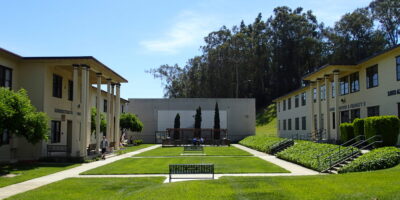
Are you thinking of attending medical school in California? We have covered many California medical schools here on the blog: the entire UC system, UC Riverside, UC Davis, USC Keck, UC San Diego, California Northstate, Touro University, California Health Sciences University and now California University of Science and Medicine. Simply put, California is full of strong medical schools that can give you the education you want as you work toward becoming a physician.
California University of Science and Medicine (CUSM) is a private, not-for-profit medical school in Colton, in the Inland Empire of Southern California. It grants the Doctor of Medicine (MD) degree and also runs a 10-month Master of Biomedical Sciences (MBS) program. Some applicants still know the school as CalMed, from its earlier calmedu.org web address. CUSM took its first medical students in 2018, and its MD program now holds full accreditation from the Liaison Committee on Medical Education (LCME). Its primary teaching hospital, Arrowhead Regional Medical Center, sits across the street from campus.
This guide covers the 2026-2027 application cycle, for students who would start medical school in July 2027 as the Class of 2031. The AMCAS deadline is December 1, 2026, and the secondary deadline is December 30, 2026. Facts were checked against CUSM’s own pages and the LCME directory on November 11, 2026, and every figure is labeled with its year or cohort.
So, what makes CUSM worth a close look? The school was built to answer a real shortage of doctors in San Bernardino and Riverside counties. It admits applicants holistically, it requires every MD student to learn medical Spanish, and it trains students in a busy county hospital from their third year onward. If you want to practice medicine in a community that needs more physicians, CUSM was designed with you in mind.
Key Takeaways
- Eligibility is narrow on citizenship, broad on coursework. You must be a U.S. citizen, a permanent resident or a DACA recipient. CUSM does not admit international students. It has no specific course requirements and instead recommends a solid base in biology, chemistry, physics, math, behavioral and social sciences, communication and lab or field work.
- Know the numbers. CUSM has a minimum MCAT of 502 and prefers a total GPA and a BCPM (science) GPA of 3.0 or higher. The average MCAT of the most recent incoming class was 510. For the 2025 entering class, the median MCAT of accepted applicants was 512 and the median GPA was 3.83. For 2027 entry, your MCAT must be from January 2024 through September 2026.
- The mission is the Inland Empire. CUSM was founded to improve health and reduce disparities in a region with too few physicians. In the 2026 Match, 80% of graduates stayed in California and 31% stayed in the Inland Empire.
- Key dates. AMCAS by December 1, 2026. Secondary, with a $100 fee and the CASPer test, by December 30, 2026. Interview invitations go out September 2026 to April 2027. Admission is rolling, so early is better.
- The interview is virtual. Invited applicants complete Kira timed video and written assessments and can join a Virtual Engagement Day. There are no traditional one-on-one interviews.
- Costs are high and the same for everyone. 2026-2027 tuition is $72,100 for California and out-of-state students alike. The first-year cost of attendance budget is $111,620.
- Training is distinctive. Expect team-based learning in a flipped classroom, required medical Spanish, a Dual-Pass Clerkship Curriculum and a six-month Professional Development Semester.
- Next step. Check your MCAT date window and citizenship status, then plan clinical and service experience in communities like the ones CUSM serves.
Key Statistics About California University of Science and Medicine
The snapshot below pulls together the newest admissions and cost figures for applicants. The median MCAT, median GPA and number of applicants interviewed are for the 2025 entering class. Class size is for the classes that entered from 2020 through 2026 (data as of September 2026). Tuition and the first-year budget are for 2026-2027 and apply to every student regardless of state residency.

| Item | Value | Year or cohort | Source |
|---|---|---|---|
| Degree and campus | MD; Colton, California (Inland Empire) | Current | CUSM Doctor of Medicine page |
| LCME accreditation | Full; initial year 2018; next survey 2030-31 | LCME directory, updated November 2, 2026 | LCME Directory of Accredited U.S. Programs |
| Institutional accreditation | WASC Senior College and University Commission (WSCUC) | Received 2022 | CUSM accreditation news release, February 13, 2026 |
| New MD students per class | 130 | Entering classes 2020 through 2026 | CUSM MD Program Outcomes |
| Average MCAT | 510 | Most recent incoming class | CUSM Requirements for Admission |
| Median MCAT, accepted applicants | 512 (mean 511.9) | 2025 entering class | AAMC MSAR |
| Median MCAT section scores, accepted applicants | 128 / 127 / 128 / 129 (Chem/Phys, CARS, Bio/Biochem, Psych/Soc) | 2025 entering class | AAMC MSAR |
| Median GPA | 3.83 | 2025 entering class | AAMC MSAR |
| Applicants interviewed | 633 (628 in-state, 5 out-of-state, 0 international) | 2025 entering class | AAMC MSAR |
| First-year class by gender | 67 women, 63 men | 2025 entering class | AAMC MSAR |
| Total MD enrollment | 550 | October 2025 | AAMC MSAR |
| Minimum MCAT | 502 composite | 2027 entering class | CUSM Requirements for Admission |
| Preferred GPA | 3.0 or higher total and BCPM | Current policy | CUSM Requirements for Admission |
| Tuition | $72,100 (same in and out of state) | 2026-2027 | CUSM Tuition and Fees |
| Billed tuition, fees and health insurance | $82,571 | 2026-2027, MD students | CUSM Tuition and Fees |
| First-year cost of attendance budget | $111,620 | 2026-2027 (as of February 2, 2026) | CUSM MD Tuition and Financial Aid |
| Secondary fee | $100 (waived with AMCAS fee assistance) | 2026-2027 cycle | CUSM Application Process |
| Early Decision Program | Yes; deadline August 1, decision by October 1 | 2026-2027 cycle | AAMC MSAR |
| Students receiving financial aid | 83% | 2024-2025 | AAMC MSAR (LCME Part I-B) |
| Average debt of indebted graduates | $84,439 | 2024-2025 | AAMC MSAR (LCME Part I-B) |
| Match rate | 100% of 120 graduates | 2026 Match | CUSM MD Program Outcomes |
| Graduates training in California / Inland Empire | 80% / 31% | 2026 Match | CUSM MD Program Outcomes |
| Graduation rate | 100% (Class of 2022); 99% (Classes of 2023 and 2025) | Data as of September 2026 | CUSM MD Program Outcomes |
CUSM does not publish an acceptance rate or the number of acceptance offers it makes, so no acceptance rate is shown here. Do not try to compute one by dividing class size by applicants or by interviewees: matriculants are not the same as accepted applicants. The class profile section below explains the interview and class figures.
Mission and Educational Priorities
CUSM states its mission in one sentence: “To advance the art and science of medicine through innovative medical education, research, and compassionate healthcare delivery in an inclusive environment that advocates critical thinking, creativity, integrity, and professionalism.”
Its vision is longer, and it explains why the school exists: “To establish a school of medicine that inspires, motivates, and empowers students to become excellent and caring physicians, scientists, and leaders, advance the art and science of medicine through research, improve the health of its community, share innovative curriculum, and promote best practices in medical education globally, and facilitates a medical education to promising disadvantaged students, especially from California and the Inland Empire.”
The school also endorses the American Association of University Professors’ Statement of Principles of Academic Freedom. That commitment to academic freedom has been part of CUSM’s identity since its founding.
Why the Inland Empire matters
The Inland Empire is the name for San Bernardino and Riverside counties together. CUSM’s history page describes a region with higher rates of diabetes-related death, coronary heart disease, chronic liver disease and severe psychological distress than California averages, yet a region that ranks in the lower half of California counties for physicians per capita. In San Bernardino County there are fewer than 40 primary care physicians per 100,000 residents, well below the benchmark of 60 to 80.
Prem Reddy, MD, the founder of Prime Healthcare, established CUSM to help close that gap. The school began under the name Eastern California College of Medicine in 2012, was renamed California University of Science and Medicine in 2013 and began operating in 2015. Dr. Reddy and the Prime Healthcare Foundation have contributed $80 million to the university. CUSM was built as a private-public partnership with Arrowhead Regional Medical Center, the County of San Bernardino and the City of Colton.
The MD program’s six values
CUSM names six MD program values that tell you what it wants in its students:
- Community-focused: educating physicians who will improve underserved communities’ health and advocate for eliminating health disparities.
- Accountability: directing education, research and service at the priority health concerns of local and global communities.
- Leadership: training physicians to lead in every area of medicine.
- Motivation: shaping students’ character through dedicated faculty and creative teaching.
- Excellence: upholding high standards of ethics, intellectual honesty and professional conduct.
- Diversity: respecting the ethnic, intellectual, social and cultural diversity of students, faculty and patients.
What the mission means for you as an applicant
The mission is not decoration. It shows up in concrete policies. CUSM requires every first- and second-year student to take Spanish for Healthcare Professionals. Pre-clerkship students complete community-engaged projects with regional partners through the CHANGE program. The school’s own outcomes report proudly counts how many graduates stay in California and in the Inland Empire. The MBS program gives preference to applicants from Inland Empire communities, and CUSM’s partnership page says the school prioritizes applicants from the Inland Empire and first-generation students.
For you, that means three things. First, sustained service to underserved or Spanish-speaking communities fits CUSM better than a long list of short activities. Second, if you have ties to the Inland Empire or Southern California, say so clearly and specifically. Third, if you do not, explain honestly why a community-focused school in a physician-shortage region is where you want to train. CUSM reviews applications holistically, “looking at requirements and qualifications, experiences, passions, and commitments to your chosen field of medicine,” so your story matters as much as your numbers.
Accreditation and Institutional Identity
The CUSM School of Medicine MD program holds full accreditation from the LCME, the body recognized by the U.S. Department of Education to accredit programs leading to the MD degree. The LCME voted to grant full accreditation at its February 10-12, 2026 meeting, and CUSM announced it on February 13, 2026. The LCME directory, updated November 2, 2026, lists “California University of Science and Medicine – School of Medicine” in Colton with a status of Full, an initial accreditation year of 2018 and a next survey date of 2030-31.
What does full accreditation mean for you? Graduates of LCME-accredited schools can sit for the United States Medical Licensing Examination (USMLE), apply to residency programs accredited by the Accreditation Council for Graduate Medical Education (ACGME) and qualify for licensure in most states. CUSM students had those rights before 2026 too, because the program was already accredited at an earlier stage. Full status means the program has completed the LCME’s process for new schools.
The university itself is accredited by the WASC Senior College and University Commission (WSCUC), which it received in 2022. Before that, CUSM was approved by California’s Bureau for Private Postsecondary Education (BPPE). After earning WSCUC accreditation, CUSM requested exemption from BPPE regulation in August 2023. It keeps a contract with BPPE to review student complaints, valid through June 30, 2027.
A few identity points help you avoid confusion:
- Name: the school is California University of Science and Medicine, and the medical school is the CUSM School of Medicine. Older materials may say CalMed or CUSM-SOM.
- Campus: one campus, at 1501 Violet Street in Colton. There are no branch campuses for the MD program.
- Degrees: the MD and the MBS. CUSM does not publish any combined degree such as an MD/PhD or MD/MPH.
- Not a UC school: CUSM is private. It has no state-resident tuition rate.
Accreditation tells you a program meets national standards. It is not a ranking or a guarantee of any outcome. Use it alongside the match, retention and cost data later in this guide.
Medical Programs and Affiliations
CUSM offers two degree programs: the Doctor of Medicine and the Master of Biomedical Sciences. It also runs an Office of Research and a set of optional Scholars Programs inside the MD. Here is what each one offers and who it is for.
Doctor of Medicine
The MD is a four-year program on the Colton campus. CUSM accepts 130 new MD students each year. The school first accepted medical students in 2018, graduated its first class in 2022 and graduated its fifth class in May 2026.
The MD program is built around six competencies that match the core competencies the ACGME uses for resident education:
- Medical knowledge
- Patient care
- Professionalism
- Interpersonal communication
- Personal improvement (practice-based learning)
- System improvement (systems-based practice)
Learning these outcomes as you study will help you practice medicine more successfully after you graduate. CUSM structures them so that students show step-by-step mastery as they move through school, and it expects graduates to understand the U.S. health care system, local Inland Empire health care needs and the social determinants of health.
The program ends with a year built to prepare you for residency, the training that comes after graduation. You will find the full structure in the curriculum section below.
Arrowhead Regional Medical Center
Arrowhead Regional Medical Center (ARMC) is CUSM’s primary teaching hospital. It is a 456-bed hospital operated by San Bernardino County, with a Level 1 trauma center, a burn center, a comprehensive stroke center, an inpatient behavioral health center and a neonatal intensive care unit. CUSM says ARMC’s emergency department is the second busiest in California. ARMC has more than 4,000 employees, more than 400 physicians and more than 200 resident physicians in ten residency programs.
All CUSM students complete rotations and clerkships with ARMC physicians, and ARMC physicians serve as CUSM faculty, department leaders and mentors. Department leads listed on the MD page include Rodney Borger, MD (emergency medicine), Kambiz Raoufi, MD (internal medicine), Javed Siddiqi, MD (surgery and neurosurgery), Webster Wong, MD (pediatrics) and Elizabeth Morrison-Banks, MD (neurology), among others.
Master of Biomedical Sciences
On its own, the Master of Biomedical Sciences (MBS) will not make you a doctor. But it can strengthen your academic record for medical school or another health career. CUSM describes the MBS as a foundation for an MD, DO, DDS or PhD and for careers in:
- Nursing
- Pharmacy
- Research
- Education
- Physician assistant practice
- Health sciences more broadly
The MBS is a 10-month, two-semester, 32-credit program. CUSM’s MD faculty teach the courses, and the cohort is limited to 60 students. Courses include Cellular Biochemistry, Principles of Anatomy and Histology, Cell Biology, Pathophysiology, Critical Thinking in Biomedical Research, Human Genetics, Integrated Immunology, Microbiology and Infectious Diseases, and General Pharmacology. Students also get help with professional program applications, a simulated medical school interview with faculty feedback, career advising and online MCAT review resources. You can read more on the CUSM website.
The MBS has two published routes into the CUSM MD program:
| Pathway | What it offers | Eligibility |
|---|---|---|
| Pathway 1: Guaranteed Interview | A guaranteed interview with the CUSM MD program | Students finishing the MBS and for two years after graduation; fall semester MBS GPA of 3.2 or higher and an MCAT of at least 502; must apply through AMCAS |
| Pathway 2: MBS to MD Conditional Admit | A conditional MD acceptance for up to 15 students, chosen after an interview and application review | Current MBS students; fall semester MBS GPA of 3.5 or higher and an MCAT of at least 502; AMCAS and CUSM secondary by the deadline; MCAT taken before or early in the fall semester; must graduate from the MBS with a 3.7 overall GPA |
Neither pathway guarantees admission. Both require a complete AMCAS application and CUSM secondary. In CUSM’s outcomes data (updated August 2026), 141 of 253 graduates from the MBS Classes of 2019 through 2023, or 55.7%, matriculated into an MD or DO program within three years. Seventy-five of those students entered the CUSM MD program. Graduates have also gone on to UC Riverside, Charles R. Drew University, Loma Linda, the University of Washington and several DO, PA, dental and pharmacy programs.
MBS admission is separate from MD admission. It uses CUSM’s own online application with a $50 fee, a minimum undergraduate GPA of 2.8 (3.0 preferred), two letters or one committee letter, and a personal statement under 250 words. Test scores are not required. Applications open in February and are reviewed on a rolling basis through June. Applicants must be U.S. citizens, permanent residents or DACA recipients with a Social Security number. If you are weighing a postbaccalaureate year, the MBS is one option, and so are pre-health internships that add hands-on patient experience to your application.
Office of Research
The Office of Research does not grant a degree, but it is worth knowing about because of what it offers students. Its mission is “To advance biomedical, clinical, translational and educational research through inquiry and discovery to enhance health and reduce illness.” It encourages collaboration among faculty and students at CUSM, ARMC and other universities.
Resources available to CUSM research faculty include:
- A research laboratory with instruments and a tissue culture facility
- Grant writing and management support
- Coverage of publication costs
- Poster printing
- Funding for small and large equipment on an as-needed basis
- Administrative support
Student research routes, including a funded fellowship, summer research and small grants, are covered in the rotations and research section below.
Scholars Programs
MD students can join one optional, longitudinal Scholars Program. Each one combines education modules, a practicum of at least 30 hours and a capstone project, and students who finish by the deadline before fourth year are recognized as MD Scholars in their Medical Student Performance Evaluation (the dean’s letter). Current programs include Basic Science, Healthcare Research and Innovation, Global Health Equity, Public Health, Academic Medicine, Sleep Medicine, Rural Medicine, Health Equity, Clinically Integrated Training in Ultrasound (CITRUS), Lifestyle Medicine, Laboratory Medicine, Service-Learning, Clinical Documentation, Biostatistics and Data Analysis, and Addiction Medicine. Students usually apply in the first year.
Combined degrees and special tracks
CUSM does not publish an MD/PhD, MD/MPH, early assurance or accelerated MD track, and it does not offer a three-year MD pathway. It does take part in the AAMC Early Decision Program (EDP) for California and out-of-state applicants: for the 2026-2027 cycle, the EDP application deadline was August 1, 2026, and EDP applicants were notified by October 1, 2026. It also does not accept transfer students at this time. If you need a combined degree, compare programs such as UC San Diego, UCLA or UCSF, which are linked in the related guides section.
Curriculum Overview
CUSM’s MD curriculum is a four-year program that “promotes critical thinking, teamwork, and early patient contact.” Basic science and clinical disciplines are integrated with case presentations in each organ system from the first day of class. You can see the full structure on the school’s MD curriculum page, which includes a detailed Q&A-style breakdown of each phase.
| Phase | Length | What happens |
|---|---|---|
| Orientation | Two weeks in July | Introduction to the program; small-group learning communities; White Coat Ceremony |
| Pre-Clerkship | 18 months | Systems-based courses, clinical skills and simulation, medical Spanish, health systems science, community engagement, a research project |
| Clerkship | 18 months | 12-month Dual-Pass Clerkship Curriculum in eight specialties, plus a 6-month Professional Development Semester |
| Transition to Residency | Fourth year | Sub-internship, electives, radiology, internship bootcamp, residency applications and the Match |
Orientation
The MD program begins with a two-week orientation in July that introduces the program, faculty and classmates and ends with the White Coat Ceremony. For the class entering in 2027, Year 1 Orientation Week is July 12-16, 2027, followed by Orientation to Clinical Skills Week on July 19-23, 2027. Both are mandatory. During orientation, students meet their small-group learning communities, which they use for team-based learning.
Pre-Clerkship Phase (first 18 months)
The first 18 months focus on core medical science. The curriculum is interdisciplinary and organized by organ system, delivered in integrated blocks:
- Foundations
- Musculoskeletal-Skin
- Blood-Lymph
- Renal-Urinary
- Respiratory-Cardio
- GI-Metabolism
- Endo-Repro-Stages
- Neuro-Behavior
Instead of sitting through long lectures, CUSM students learn in a flipped classroom. You study material before class, then apply it in team-based learning sessions with your small group. This places much of the responsibility for learning in your hands, and it rewards students who prepare consistently and work well in teams.
Running alongside the systems courses are four longitudinal threads:
- Weekly clinical case presentations: team-based cases inside each systems course that build clinical reasoning.
- Clinical Skills and Simulation: weekly sessions aligned with the cases, including simulation and encounters with standardized patients.
- Health Systems and Professional Practice: health systems science, public health, ethics and professionalism. As part of this coursework, students take on community-engaged projects with regional partners through the CHANGE program.
- Academic Research Study: students write a research proposal in Year 1 and carry out the study in Year 2.
Vida, the medical Spanish program
Medical Spanish is a requirement at CUSM, not an elective. Beginning in 2024-2025, Spanish for Healthcare Professionals I became a required first-year course. In 2025-2026, Spanish for Healthcare Professionals II became a required second-year continuation. The courses are aligned with the systems curriculum and built to meet students at every level, from beginners to native speakers.
The Vida program has three parts:
- Weekly large-group sessions with live standardized patient interviews tied to the current system block, faculty-led role play and step-by-step practice, from basic questions to sensitive topics like reproductive health or chronic illness.
- Biweekly small-group Spanish labs led by experienced faculty and native speakers, focused on pronunciation, grammar, clinical phrasing and structured encounters such as taking a history or explaining lab results.
- Asynchronous learning, including online modules aligned with each system block, pronunciation tools and elective medical Spanish in specialized fields.
Vida also connects students with community organizations, mobile clinics and health fairs that serve Spanish-speaking patients across the Inland Empire, supports research on language concordance and health equity, and supports medical Spanish immersion experiences abroad. If you want Spanish practice in a clinical setting before medical school, a medical internship in Peru is one way to build it.
Clerkship Phase (18 months)
The clerkship phase includes 12 months of core clerkships and a 6-month Professional Development Semester (PDS).
CUSM uses a Dual-Pass Clerkship Curriculum (DPCC). The year is split into two six-month semesters. In six of the eight core clerkships, you rotate through the specialty twice:
| Clerkship | First pass (formative) | Second pass (summative) |
|---|---|---|
| Surgery | 4 weeks | 4 weeks |
| Internal Medicine | 4 weeks | 4 weeks |
| Pediatrics | 3 weeks | 3 weeks |
| Obstetrics and Gynecology | 3 weeks | 3 weeks |
| Family Medicine | 3 weeks | 3 weeks |
| Psychiatry | 3 weeks | 3 weeks |
| Neurology | 4 weeks, single pass | none |
| Emergency Medicine | none | 4 weeks, single pass |
The first semester is formative. It gives you time to get used to clinical environments and your role on the team. At the midpoint, you meet one-on-one with a clerkship director to review NBME exam scores, objective structured clinical examination (OSCE) results and clinical evaluations. In the second semester, you return to each dual-pass specialty to show your clinical competence for a grade. Each semester includes National Board of Medical Examiners (NBME) subject exams and an OSCE.
Why does this matter? Many schools run each clerkship once, so a weak start in a specialty is hard to fix. The dual-pass model builds in a second chance to apply feedback, and it lets you see each core field twice before you choose a residency.
The Professional Development Semester is six months of flexible time. Students use it to explore their professional identity, take part in “distinguishing activities” such as research or a Scholars Program, or study for the USMLE Step exam.
Transition to Residency Phase (fourth year)
The fourth year prepares you for residency and the Match:
- Sub-internship: 4 weeks
- Electives: 26 weeks, clinical or non-clinical, including research, a teaching elective, advanced medical Spanish and the Learning Assistant Program
- Radiology: 2 weeks
- Internship bootcamp: 2 weeks
During this year you apply to residency through ERAS, interview for residency and take part in the National Resident Matching Program. For 2027, Match Day is March 19, 2027.
Assessment and support
CUSM assesses students through NBME exams, OSCEs, clinical performance evaluations and mid-clerkship and end-clerkship feedback. Its Information Commons provides digital textbooks for each year of the MD curriculum and resources such as AccessMedicine, ClinicalKey, UpToDate and board review series. In the fourth year, the Learning Assistant Program and a teaching elective let students who enjoy teaching help train the classes behind them.
Admissions Requirements and Application Process
CUSM reviews every application holistically. This section covers what you must have, what CUSM prefers and how the process runs from AMCAS to your first day.
Degree and coursework
You must hold a bachelor’s degree from an institution accredited by a U.S. Department of Education-recognized accrediting body, or the equivalent from a non-U.S. institution. Coursework from outside the United States must come with an evaluation report from a credential evaluation service CUSM approves, such as a member of NACES.
CUSM “welcomes diverse curricular student backgrounds and does not have specific course requirements.” Instead, it recommends solid depth in:
- Biology
- Chemistry and physics
- Mathematics
- Behavioral and social sciences
- Communication
- Laboratory or field experiments
No prerequisite list does not mean no preparation. The MCAT tests this material, and the pre-clerkship phase moves fast. If your record is light in any of these areas, upper-level science coursework is the clearest way to show you are ready.
GPA
CUSM prefers a total undergraduate GPA of 3.0 or above and a BCPM (biology, chemistry, physics and math) GPA of 3.0 or above. That is a preference, not a hard cutoff, and it is not a description of the typical admitted student. Admitted students usually exceed it.
MCAT
- Minimum: 502 composite.
- Date window: for the class entering in 2027, your MCAT must be taken between January 2024 and September 2026. Scores should be no more than three years old at the time of application, and no exceptions are made.
- Multiple scores: the Admissions Committee uses your highest MCAT score.
- Pending scores: if you list an upcoming test date in AMCAS, CUSM holds your application until the score arrives. The committee reviews each application only once, so it will not re-review when a new score comes in.
Citizenship, residency and DACA
You must be a U.S. citizen or permanent resident. Applicants with Deferred Action for Childhood Arrivals (DACA) status may also apply under CUSM’s DACA policy. CUSM does not admit international students and cannot issue the I-20 needed for a student visa.
CUSM’s DACA policy also notes two practical points. Students must meet ARMC’s background check requirements, which include a Social Security number, before training there. And while the school works to find aid for all students, it cannot guarantee enough funding for students with limited aid options. Federal student loans require U.S. citizenship or eligible non-citizen status.
California residency does not change tuition, which is the same for all students. CUSM’s stated preferences for Inland Empire and first-generation applicants relate to its mission, not to a tuition rate.
Letters of recommendation
Submit three letters of recommendation through AMCAS. If your college has a pre-health advisory committee, its letter of evaluation can replace the three individual letters. CUSM does not accept letters sent any other way.
Experience
CUSM does not publish minimum hours for clinical work, shadowing, service or research. Its mission and holistic review make sustained, hands-on work with patients and communities important anyway. Strong applicants show where they have served, what they did with their own hands and what they learned about the people they served. Many build that record through medical internships for undergraduates, hospital and clinic jobs, scribing, community health work or long-term volunteering.
Tests: CASPer and Kira
CUSM uses two assessments beyond the MCAT:
- CASPer: applicants invited to the secondary must complete the CASPer assessment along with the secondary. CASPer is an online situational judgment test that CUSM uses to evaluate “the non-cognitive skills and interpersonal characteristics essential for our program’s success.” Testing dates and access details come with the secondary invitation.
- Kira: applicants invited to interview complete the Kira Timed Video Assessment and Timed Written Assessment. The interview section explains how this works.
The application process step by step
- AMCAS. Applying to medical school is a two-step process: a primary application and a secondary application. Your primary application for CUSM goes through AMCAS, the American Medical College Application Service. The Association of American Medical Colleges created AMCAS so applicants could enter their information once and send it to every school on their list. Read our AMCAS application guide before you start. The AMCAS deadline for CUSM is December 1, 2026.
- Screening and secondary invitation. CUSM’s Office of Admissions reviews AMCAS applications and invites applicants who meet its criteria to complete a secondary application. You will receive the invitation by email. AMCAS verification takes time, especially in the summer, so submit early.
- Secondary and CASPer. The secondary includes essay questions “that aim to explore the applicants’ attributes,” a non-refundable $100 fee and the CASPer assessment. The fee is waived if your AMCAS fee waiver appears on your verified AMCAS application. The deadline is December 30, 2026.
- Committee review. The MD Admissions Committee reviews your AMCAS and secondary and selects candidates for the interview process. Response time is generally about three weeks, and it may vary during the cycle.
- Interview. Invitations are emailed September 2026 through April 2027.
- Decision. After a holistic review of the primary, secondary and interview evaluations, the committee decides to accept, waitlist or reject. CUSM uses rolling admissions, and some applicants do not receive a final decision until late May.
More detailed information about how primary and secondary applications fit together is available in our separate guide. We cover the topic in depth because applying to medical school can be a long, demanding process.
No updates after you submit
CUSM does not accept updates to your AMCAS or secondary after submission. That includes new experiences, jobs, letters of intent and new transcripts. Only what is in your initial AMCAS submission is considered. Plan your timing so your application is complete and strong the day you submit it. If you are still adding a major experience, such as a summer clinical role, decide whether to wait for it or describe it as planned in your AMCAS.
2026-2027 timeline
| Date | What happens |
|---|---|
| May 28, 2026 | AMCAS submission period begins |
| August to December 2026 | CUSM accepts MD applications; secondary invitations emailed to selected applicants, with CASPer |
| September 2026 to April 2027 | Interview invitations emailed; Kira Timed Video Assessment and Timed Written Assessment |
| December 1, 2026 | AMCAS primary deadline |
| December 30, 2026 | Secondary deadline |
| Rolling | Offers of admission; applications may not be reviewed in the order received |
| February 19, 2027 | “Plan to Enroll” opens in AMCAS for accepted students |
| April 30, 2027 | “Commit to Enroll” opens in AMCAS; $100 deposit becomes non-refundable after this date |
| May 15, 2027 | Accepted students must indicate Plan to Enroll or Commit to Enroll; open seats after this date go to the waitlist |
| June 21, 2027 | CUSM deadline to Commit to Enroll |
| July 12-16, 2027 | Year 1 Orientation Week (mandatory) |
| July 19-23, 2027 | Orientation to Clinical Skills Week (mandatory) |
If you are planning ahead for a later cycle, use the months before you apply wisely. Pre-med summer internships and summer clinical jobs can add meaningful patient contact before you submit AMCAS in late May or June.
Acceptance, deposit, deferral and waitlist
- Acceptance: you receive a CUSM acceptance letter by email. A $100 registration deposit is due within seven days to hold your seat. It is refundable until April 30.
- Deferral: CUSM may grant a one-year deferral only for extreme or severe extenuating circumstances. Email requests to [email protected]. The committee’s decision is final.
- Waitlist: the acceptance process repeats after each interview cycle until the class is full. If seats remain after May 15 of the matriculation year, waitlisted applicants are offered the remaining spots.
- No appeals: admission decisions are final. You can reapply in a later cycle.
Before you enroll
After acceptance, you must report any institutional, legal or academic action taken against you between AMCAS submission and matriculation, consent to a criminal background check, meet California and CUSM immunization requirements, attend orientation, agree to the Standards of Conduct for the Teacher-Learner Relationship and keep continuous student health insurance from enrollment through graduation. You will also sign CUSM’s Technical Standards, with or without reasonable accommodations.
Reapplicants and gap years
CUSM reviews reapplicants “with a focus on new information.” If you reapply, your file should show what has changed. CUSM also says applicants who took a gap year “are placed at no disadvantage in our admissions process.”
Tours and individual advising
Because of the volume of requests, and to keep the process fair, the Office of Admissions generally does not offer tours or personalized application counseling during interview season. You can reach the office at (909) 490-5910 or [email protected].
Tuition, Cost of Attendance and Financial Aid
So, how much does it cost to attend California University of Science and Medicine? The answer is: a lot. CUSM is a private school, and it charges the same tuition to California residents and out-of-state students.
2026-2027 tuition and billed charges
| Charge | Fall 2026 | Spring 2027 | 2026-2027 total |
|---|---|---|---|
| Tuition (in and out of state) | $36,050 | $36,050 | $72,100 |
| Registration fee | $100 | $100 | $200 |
| MD general fee | $2,250 | $2,250 | $4,500 |
| Student health insurance (waivable) | $5,771 | $0 | $5,771 |
| Total billed | $44,171 | $38,400 | $82,571 |
The MD general fee is non-refundable and covers equipment, lab costs, textbooks and other learning media, student association, orientation, a disability insurance premium and a laptop or tablet. Student health insurance is charged automatically on the fall bill. You can waive it if you have other coverage and follow the registrar’s instructions by the deadline, but CUSM requires continuous health coverage either way.
For comparison, 2025-2026 tuition was $70,000 with a $4,300 general fee and $5,482 for health insurance. Tuition is reviewed at least once a year by the Board of Trustees, so plan for increases.
Cost of attendance by year
CUSM’s financial aid office builds a separate budget for each year of the program. These are the 2026-2027 budgets, posted as of February 2, 2026:
| Item | Year 1 | Year 2 | Year 3 | Year 4 |
|---|---|---|---|---|
| Tuition and fees | $76,600 | $76,600 | $76,600 | $76,800 |
| Rent and food | $27,620 | $30,382 | $33,144 | $30,382 |
| Transportation | $3,500 | $3,500 | $3,500 | $3,500 |
| Personal expenses | $3,500 | $3,500 | $3,500 | $3,500 |
| Federal loan origination fee | $400 | $400 | $400 | $400 |
| Total budget | $111,620 | $114,382 | $117,344 | $114,582 |
Years 2 and 3 also include testing costs, and year 4 includes travel costs, which the financial aid office explains individually. The fourth-year budget does not include travel and lodging for away rotations or residency interviews.
Add the four budgets and you get about $457,928 in estimated cost of attendance for students starting in 2026-2027, before any scholarships and before tuition increases in later years. That is an estimate built from one year’s budgets, not a quote. See our guide to the total cost of medical school for how these numbers compare nationally.
Your cost of living is a real part of the total. Housing (unless you live at home), food, transportation and anything else you need all count. If something is a must in your life, include it in your estimate. We recommend working out your needs month by month and then multiplying out to four years. Because CUSM has no dorms, most students rent nearby.
Financial aid
If you cannot afford CUSM on your own, take a deep breath. Most medical students cannot. That is why financial aid exists. Through federal loans, private loans and scholarships, you can pay for a large part of your education. CUSM has a dedicated financial aid department to help, and its team offers virtual appointments for FAFSA help and a review of your options.
- FAFSA: file every year you are in school. CUSM’s federal school code is G42908. Parent information is not required.
- Federal Direct Unsubsidized Loans: CUSM medical students are eligible only for the Direct Unsubsidized Loan, with an annual borrowing limit of $50,000. With a first-year budget above $111,000, most borrowers will need other funding to cover the gap.
- Federal loan changes: federal student loan rules for graduate and professional students changed on July 1, 2026, including Grad PLUS eligibility and borrowing limits. What applies to you depends on when you first borrow, so confirm your federal options, limits and interest rates with the CUSM financial aid office and on the Federal Student Aid website before you plan your borrowing.
- Private loans: CUSM does not have a preferred lender list. It uses FastChoice so you can compare lenders, and it requires private loan entrance counseling once a loan is approved.
- Scholarships: CUSM students may apply for scholarships they are eligible for. The school points students to the AMA Foundation, the AAMC, National Medical Fellowships, Scholarships.com and service-obligation scholarships. The financial aid page also highlights the HPSP scholarship, which comes with a service obligation in a VA health care facility.
- Research funding: the CUSM Biomedical Research Fellowship pays $4,000 per semester ($16,000 over two years) to selected students doing laboratory research. It is a research award, not need-based aid.
The financial aid office is reachable at [email protected] or (909) 490-4571.
Costs after aid
CUSM offers several merit-based and need-based scholarships, including 13 full-ride scholarships, but it does not publish award amounts or a need-based grant schedule, so plan on loans covering most of the cost unless you win a scholarship. In 2024-2025, 83% of CUSM students received financial aid, and indebted graduates left with an average of $84,439 in medical school debt. Service-commitment programs, such as military scholarships and loan-repayment programs for working in shortage areas, are worth researching early, since much of the Inland Empire is short on physicians.
Campus Facilities and Student Life
The Colton campus
CUSM’s campus in Colton was completed in 2020. It houses a research lab, an anatomy lab, a clinical skills and simulation center, a digital library, two lecture halls, classrooms, a study lounge, a fitness center and student break areas. ARMC is across the street, so third- and fourth-year students can walk to much of their clinical training.
The Information Commons is CUSM’s digital library. It offers databases, e-journals, e-books, research guides, interlibrary loans and research appointments, and it provides the required digital textbooks for each year of the MD program.
Housing
CUSM does not offer dormitories, and it does not find housing for students. There are more than 20 apartment complexes within five miles of campus, with one- and two-bedroom apartments ranging from about $900 to $1,600 a month and most averaging about $1,400. Rental prices change, so check current listings before you budget. The financial aid budget for rent and food in year 1 is $27,620.
Getting around
Public transportation is limited and is mostly local bus service through Omnitrans. A Metrolink train station is about 10 minutes away, and Ontario International Airport is about 30 minutes away. On-campus parking is first come, first served. Most students will want a car, which is why each year’s budget includes $3,500 for transportation.
Life in the Inland Empire
CUSM sits between mountains and cities. The San Bernardino National Forest is about 25 minutes away, Lake Arrowhead about 45 minutes and Big Bear Lake about 55 minutes, with hiking, camping and nearby ski resorts in winter. Newport Beach and Laguna Beach are about an hour away, and Los Angeles is about 50 miles west. The region has warm, dry summers that can top 100 degrees and mild, wet winters.
Student organizations
CUSM has more than 80 registered student organizations, each with a faculty advisor. Groups listed by the school include:
- Advocacy in Medicine
- Arts in Medicine
- Doctors Without Borders
- Family Medicine
- Global Health
- Medical Technology
- Mental Health Advocacy and Promotion
- Pediatrics
- Precision Medicine
- Retina Global
- Rural Health
- Street Medicine
- Women in Medicine and Surgery
Students can also start new groups. Service-minded groups like Street Medicine and Rural Health connect closely to CUSM’s mission.
Wellness and support
CUSM employs a Director of Counseling and Wellness, Deborah L. Wright, EdD, LCSW, for in-person appointments, and it provides the MYgroup Student Assistance Plan with free, confidential support and 24-hour emergency coverage. Fauzia Nausheen, MD, is Assistant Dean for Wellness and leads mindfulness and wellness programs. Wellness events have included budgeting and meal prep workshops, depression screening and therapy dogs on campus. Food insecurity resources are posted for students in Canvas.
Center for Brain and Behavioral Health
CUSM recently launched the Center for Brain and Behavioral Health, focused on health equity in brain, behavioral and neurological health in the Inland Empire. It works across four areas: research, clinical care (including multiple sclerosis, Parkinson’s disease, epilepsy, stroke and dementia), education and training, and community partnership. Zohray Talib, MD, is its founding director. For students interested in psychiatry, neurology or behavioral health, it is a natural place to look for projects. If mental health is your interest before medical school, mental health internships abroad are one way to see behavioral health care in another setting.
Clinical Rotations and Research Opportunities
Core clinical training sites
CUSM students complete their core clinical training mainly at Arrowhead Regional Medical Center. Once you start working with patients, you also rotate at regional sites that reflect the varied needs of Inland Empire communities. CUSM’s current list of core clerkship sites includes:
- Arrowhead Regional Medical Center
- San Bernardino County Department of Behavioral Health
- Eisenhower Health
- Inland Pediatric
- Interim Psychiatric Care
- Inland Psychiatric Medical Group
- Mission Community Hospital
- Pomona Valley Hospital Medical Center
- Riverside Community Hospital
- Riverside University Health System
- Bernardine’s Medical Center
- Talia Medical Group
- Universal Health Services
- Choice Medical Group
- Kidstrong Medical Group
Sites spread across San Bernardino and Riverside counties, and Eisenhower Health is in the Coachella Valley, so expect some driving during clerkships. Site lists can change from year to year.
What clinical training looks like
In the clerkship phase, you are part of the care team. You take histories, examine patients, present cases and help plan care under supervision, and you are assessed through NBME exams, OSCEs and clinical evaluations. In the fourth year, a sub-internship gives you more responsibility, close to that of an intern. CUSM’s clinical phase is designed to get you ready for residency, and its fourth-year internship bootcamp focuses on that transition.
Match outcomes
CUSM reports strong match results:
- 2026 Match: 100% match rate. 120 graduates will train in 16 specialties across 13 states. 80% will train in California, 31% in the Inland Empire and 23% at CUSM partners (ARMC, Eisenhower Medical Center, Riverside Community Hospital and Riverside University Health System). 43% will enter fields that lead to primary care careers.
- Top specialties in 2026: internal medicine (28), emergency medicine (17), psychiatry (14), family medicine (13), pediatrics (9) and anesthesiology (7).
- Competitive placements: CUSM graduates have matched in anesthesiology, surgical specialties, ophthalmology, obstetrics and urology.
- Across graduating classes: CUSM reports a 99% match rate.
CUSM also posts match lists with specialties and locations for 2022 through 2026 on its outcomes page.
Retention and on-time progress
As of September 2026, CUSM reports graduation rates of 100% for the Class of 2022 (64 matriculants), 99% for the Class of 2023 (98 matriculants) and 99% for the Class of 2025 (130 matriculants). Classes entering from 2020 through 2026 each started with 130 students.
Research opportunities for students
Research is part of the required curriculum through the Academic Research Study course, where you write a proposal in Year 1 and carry it out in Year 2. Beyond that, CUSM offers:
- Biomedical Research Fellowship: for first-year students with research experience. Fellows do mentored, original lab research at CUSM for four semesters (M1 through M2, including the Professional Development Semester), commit 8 to 12 hours a week and receive $4,000 per semester, support to attend one national conference and coverage of a publication fee. Applications are due September 15 and decisions come by October 15.
- MD Scholar Program in basic science: a research track with support for lab supplies. Students who finish are recognized as MD Scholars on the dean’s letter and graduate with honors.
- Summer Student Research Program (SSRP): a 7-week summer research opportunity with a stipend for students after the first year, in basic science, clinical, educational and global or community research.
- Volunteer research projects: an updated list of faculty projects open to any interested student.
- Student Research and Scholarly Activity Grants: up to $1,000 per project, mostly for survey-based research, reviewed by a faculty expert.
CUSM’s partnership with ARMC adds clinical research, and the Center for Brain and Behavioral Health offers seed funding and research workshops.
Global and community engagement
CUSM has worked with the University of Global Health Equity (UGHE) in Butaro, Rwanda, for more than a decade on curriculum development, faculty training and leadership. Several CUSM faculty teach at UGHE in person or virtually. CUSM’s Global Health Equity Scholars Program has students build a needs assessment and a group research project with a local partner to improve health outcomes and reduce inequities globally. The Vida program supports medical Spanish immersion abroad.
Locally, Scholars Programs in Health Equity (with the Inland Empire Area Health Education Center), Rural Medicine, Service-Learning, Public Health and Addiction Medicine place students in community settings, such as public health outpatient facilities and rural partner sites. If global health interests you before medical school, pre-med internships abroad can give you supervised, hands-on clinical experience in another health system that you can reflect on in your application.
Notable Alumni, Faculty, Leadership and Admissions Staff
The people below hold current roles listed on CUSM’s leadership page, faculty directory or program pages, checked November 11, 2026. Knowing who leads the school helps you understand its priorities. It does not mean any of them will review your file, and you should never contact faculty to lobby for admission.
School leadership
Paul Lyons, MD, Dean and President. The CUSM Board of Trustees appointed Dr. Lyons as Dean and President in 2019. He is a professor in administration and family medicine. In his message to the CUSM community, he describes the school’s focus as “100 percent on education in the health sciences” and points to ARMC as the place where third- and fourth-year students gain hands-on skills. When CUSM received full LCME accreditation in February 2026, he called it “a defining moment in the life of our institution.” His public statements return again and again to one theme: training physicians who stay to serve the Inland Empire and California.
Zohray Talib, MD, Executive Vice Dean of Education. Dr. Talib leads education at CUSM, directs its Global Health Program and is founding director of the Center for Brain and Behavioral Health. She is a practicing internal medicine primary care physician, board certified by the American Board of Internal Medicine and a Fellow of the American College of Physicians. She trained in internal medicine at George Washington University, where she later served as an associate program director. Her work focuses on health professions education, social accountability and global mental health. She was founding chair of internal medicine at the University of Global Health Equity in Rwanda and co-chairs a National Academy of Medicine global forum on health professions education.
Sunny Nakae, PhD, MSW, Senior Associate Dean of Social Mission and Partnership. Dr. Nakae works with national organizations to increase access and equity in higher education and health care for undocumented, underrepresented and marginalized students, trainees and practitioners. Her scholarship covers access and outcomes from premedical preparation through faculty development, with an emphasis on holistic, mission-driven processes. She earned her doctorate at Loyola University Chicago and her MSW at the University of Utah. Her role tells you that CUSM treats partnership with its community as part of the job of a medical school, not an add-on.
Admissions and student affairs
Mohsin Yakub, MD, PhD, Senior Associate Dean of Admissions. Dr. Yakub leads admissions and is a professor of medical education with teaching interests in physiology and nutrition. He earned his MBBS at Karachi University and his PhD at Aga Khan University in Karachi, Pakistan, and completed a postdoctoral fellowship at the Johns Hopkins Bloomberg School of Public Health. He received an Outstanding Teacher Award from Aga Khan University. The Office of Admissions he leads can be reached at [email protected] or (909) 490-5910.
Christina Rangel, MBA, Assistant Dean of Student Affairs. Christina Rangel is CUSM’s assistant dean of student affairs, the office that supports students once they enroll. If you are admitted, student affairs is where questions about orientation, student organizations and support services usually go.
Faculty and program leaders
Hani Atamna, PhD, Associate Dean of Basic Research. Dr. Atamna earned his PhD in biological chemistry at the Hebrew University of Jerusalem and did postdoctoral training at the University of California, Berkeley. He became a principal investigator at Children’s Hospital Oakland Research Institute in 2003 and later taught at The Commonwealth Medical College (now Geisinger Commonwealth School of Medicine). His research has been funded by the National Institutes of Health and the American Federation for Aging Research. At CUSM he leads the Basic Science Scholars Program, which makes him a key contact for students who want serious lab research.
Fauzia Nausheen, MD, Assistant Dean for Wellness. Dr. Nausheen is an obstetrician-gynecologist who moved into medical education after earning an MSc in clinical anatomy at the University of Western Ontario. She has more than 12 years of experience teaching anatomy at American medical schools, including embryology, neuroanatomy and ultrasonographic anatomy, and she is a registered diagnostic medical sonographer. She leads the CITRUS ultrasound Scholars Program, advises the ultrasound and OB/GYN interest groups and runs mindfulness and wellness programming for students.
Alexandra Lopez Vera, PhD, MPH, Director of the Vida Medical Spanish Program. Dr. Lopez Vera developed and implemented CUSM’s mandatory medical Spanish curriculum. She holds a PhD in Hispanic languages and applied linguistics from the University of California, Santa Barbara and an MPH from Claremont Graduate University. Her work focuses on overcoming language barriers in clinical settings to improve care for underserved patients. If you speak Spanish or want to learn, her program will be part of your first two years.
Vanessa Orozco, PhD, MBS Program Director. Dr. Orozco directs the Master of Biomedical Sciences program and is an assistant professor of medical education. She co-leads the Public Health Scholars Program and leads education and training for the Center for Brain and Behavioral Health. If you are considering the MBS pathway into CUSM’s MD, her program is where it starts.
Carol Lee, MD, Professor of Emergency Medicine. Dr. Lee is a CUSM professor of emergency medicine, an ARMC emergency physician and ARMC’s Designated Institutional Official, the leader responsible for its graduate medical education. She has described the CUSM and ARMC partnership as “a true commitment to training the next generation of physicians who will serve this community.” Her roles show how tightly CUSM’s MD training is tied to ARMC’s residency programs.
Elizabeth Morrison-Banks, MD, MSEd, Professor and Chair of Neurology. Dr. Morrison-Banks chairs neurology, is listed among ARMC’s physician department leads on the MD program page and leads clinical care for the Center for Brain and Behavioral Health, which treats conditions such as multiple sclerosis, Parkinson’s disease, epilepsy and stroke.
Javed Siddiqi, MD, Professor of Surgery. Dr. Siddiqi is a professor of surgery at CUSM and is listed for surgery and neurosurgery among the ARMC physician faculty on the MD page. Students interested in surgical fields will encounter ARMC’s surgical departments during the dual-pass surgery clerkship.
Alumni
CUSM graduated its first MD class in 2022, so its alumni are still early in their careers, mostly in residency or the first years of practice. CUSM does not yet publish profiles of individual MD alumni. What the school does publish is where its graduates go: five graduating classes, a 100% match in 2026, and a large share staying in California and the Inland Empire, including seven 2026 graduates who matched at ARMC and 28 who matched at CUSM partner and regional hospitals. For applicants, that pattern is the most useful alumni fact: CUSM graduates tend to train close to the communities where they studied.
Admissions Statistics and Class Profile
What CUSM publishes
- Class size: 130 new MD students each year. Every class entering from 2020 through 2026 started with 130 students.
- Average MCAT: 510 for the most recent incoming class.
- Minimum MCAT: 502.
- Preferred GPA: 3.0 or higher total and BCPM.
- Applicant pool: CUSM said the class graduating in 2024 was selected from an application pool of more than 6,300, and that more than 40% of that year’s MD graduates were from the Inland Empire.
- Geography: in 2024, CUSM said more than 90% of its 520 medical students came from California.
CUSM also posts an MD class profile dashboard on its Doctor of Medicine page. Check it for the newest class demographics, since the dashboard is updated by the school.
If you are interested in CUSM, chances are you would like to know about its students. The school’s stated priorities give a picture even without a full statistical profile: an applicant pool in the thousands, a class of 130, most students from California and a strong share from the Inland Empire, and a commitment to educating promising disadvantaged students, especially from California and the Inland Empire.
The 2025 entering class
- Median MCAT: 512 for accepted applicants (mean 511.9). Median section scores were 128 in Chemical and Physical Foundations, 127 in Critical Analysis and Reasoning Skills, 128 in Biological and Biochemical Foundations and 129 in Psychological, Social, and Biological Foundations.
- Median GPA: 3.83.
- Interviews: 633 applicants were interviewed: 628 California residents, 5 out-of-state applicants and no international applicants.
- Class: 130 new students, 67 women and 63 men.
- Enrollment: 550 MD students were enrolled in October 2025.
- Financial aid and debt: 83% of students received financial aid in 2024-2025, and indebted graduates averaged $84,439 in medical school debt.
- Global health: 14% of 2025 graduating seniors reported a global health experience during medical school.
CUSM does not publish the number of applications, acceptance offers or a residency split for its matriculants, so an acceptance rate cannot be calculated from these figures.
How to read these numbers
An average MCAT of 510 and a median of 512 for accepted applicants are midpoints, not minimums. Some admitted students score below them and many score above them. CUSM’s 502 minimum is the floor below which the school will not consider you. A GPA preference of 3.0 tells you the school will look at applicants with modest grades, but the 2025 entering class had a median GPA of 3.83, so applicants below that range usually need an upward trend or strong upper-level science work. The interview pool is overwhelmingly Californian: 628 of the 633 applicants interviewed for the 2025 entering class were California residents, so out-of-state applicants need clear ties to the Inland Empire or to CUSM’s mission.
CUSM does not publish an acceptance rate. If you see one online, check what it measures. Dividing 130 seats by thousands of applicants gives a matriculation ratio, not an acceptance rate, because CUSM makes more offers than it has seats.
Tips and Strategies for Admission
1. Apply early because admission is rolling
CUSM makes offers on a rolling basis throughout the interview season, and interview invitations run from September through April. Submitting AMCAS in June and your secondary soon after an invitation gives you more chances while seats are open. Waiting until the December deadlines is allowed, but it is not a strategy.
2. Submit a complete, final application
CUSM does not accept updates after submission, including letters of intent, new experiences or new transcripts, and it reviews each application only once. That rule changes how you should plan. Make sure your AMCAS includes your strongest experiences, your MCAT date and your full coursework before you hit submit.
3. Show sustained service to underserved communities
CUSM was founded to improve health in a region short on doctors. Long-term work with underserved patients, such as at a free clinic, a community health center, a hospice or a food bank with a health focus, speaks directly to its mission. Depth matters more than a long list. If you are still building experience, look for pre-med internships and local roles where you work with patients, not just near them.
4. Build real clinical hours
CUSM does not publish an hours minimum, but its students start clerkships in a busy county hospital. Admissions committees want evidence that you understand patient care. Paid clinical jobs (medical assistant, scribe, EMT, CNA) and clinical internships for pre-med students that let you take vitals, do intake and help with care under supervision show you know what the work involves.
5. Use Spanish if you have it, and be honest if you do not
Every CUSM student takes medical Spanish. If you speak Spanish, show how you have used it with patients or families. If you do not, you are not at a disadvantage on that point, since Vida is designed for every level, but you can show openness to learning it.
6. Prepare for CASPer and Kira
CUSM uses CASPer at the secondary stage and Kira timed video and written assessments at the interview stage. Both test how you think and communicate under time pressure. Practice answering situational questions out loud and in writing on a timer, and review the official CASPer and Kira preparation materials.
7. Explain your connection to the Inland Empire, or to communities like it
If you grew up, studied or worked in San Bernardino or Riverside County, make that clear in your secondary and anywhere else it fits. If you are from elsewhere, connect your experience to the kinds of communities CUSM serves: places with too few physicians, high rates of chronic disease and many Spanish-speaking patients.
8. Choose letter writers who have seen you work
You need three letters through AMCAS or one committee letter. Choose science faculty who know your work and a supervisor from clinical or service work who can describe how you treat patients and teammates. Ask early, and give each writer a short summary of your experiences and why you are applying to schools like CUSM.
9. Think about whether the MBS fits your plan
If your GPA or science record needs strengthening, CUSM’s MBS offers a defined route: a guaranteed interview with a 3.2 MBS fall GPA and a 502 MCAT, or a competitive conditional MD acceptance for up to 15 students with a 3.5 and a 502. It is a one-year commitment and costs $43,300 in tuition for 2026-2027, so weigh it carefully against other postbaccalaureate options.
10. Write secondaries that sound like you
CUSM’s secondary prompts are short, behavioral questions with a 150-word limit. They reward specific stories over general statements. Use one clear example per prompt, show what you did and say what you learned.
11. Reapply with new information
If you are not admitted, CUSM does not offer appeals or individual feedback, but it reviews reapplicants with a focus on what is new. Use the year to add something meaningful, such as a full-time clinical role, a research project or more service. Pre-med gap year programs are one way to add focused clinical experience during a gap year, and CUSM says gap-year applicants are at no disadvantage.
12. Apply broadly
CUSM is one of many California medical schools, and California applicants face intense competition. Apply to a balanced list of schools that fit your goals, including other mission-driven schools. Our guide to medical schools in California can help you compare them.
Secondary Application Questions, Example Responses and Analysis
Your secondary essays for California University of Science and Medicine are mostly behavioral questions from the admissions committee. This is your chance to shine. Show them who you are and why they should invite you to interview. Your personal statement explains why you want to be a doctor. The CUSM secondary asks how you act: how you take criticism, handle difficult people, keep your integrity and picture your future.
2026-2027 secondary at a glance
- Invitation: by email, after CUSM screens your AMCAS application.
- Fee: $100, non-refundable. Waived if your AMCAS fee waiver appears on your verified AMCAS application.
- Also required: the CASPer assessment.
- Deadline: December 30, 2026.
- Prompts: five essays for every applicant plus one conditional question about a reduced course load.
- Limit: 150 words for each response. Follow the limit shown in your portal if it differs.
CUSM does not publish its prompts on its website. The prompts below are the 2026-2027 wording, and the same set was used in 2025-2026 and 2024-2025. Confirm the wording and limits when your invitation arrives.
For more schools’ prompts, see our medical school secondary essay prompts database.
How to write a 150-word answer
A 150-word limit is short, about the length of one solid paragraph. You do not have room for a long setup. A useful pattern:
- One sentence of context: where you were and what was happening.
- Two to four sentences of action: what you specifically did.
- One or two sentences of result and reflection: what changed and what you learned.
- One sentence of connection, where it fits: how this shapes the physician you want to be, or how it connects to CUSM.
Do not spend words restating the question. Do not repeat your AMCAS activity descriptions. Each answer should add something new to your file.
Prompt 1: Diversity
“Diversity comes in many forms. How do you think you might contribute to the diversity of the class?”
Limit: 150 words. Who answers: every applicant.
What it asks: CUSM lists diversity among its MD program values, and it wants a class that brings different life experiences, languages, cultures and perspectives. “Diversity” here is broad. It can mean your background, your language, your family’s experience with health care, your career before medicine, your faith, your rural or urban upbringing or a viewpoint shaped by hardship. The second half of the question matters most: how will you contribute to your classmates’ learning?
Approach: choose one or two parts of your identity or experience that genuinely shape how you see patients. Show it through a moment, then say what you will bring to small-group learning, Vida sessions or community work.
Illustrative example, not an actual applicant essay
I grew up in Fontana as the oldest child of parents who cleaned offices at night. By twelve I was translating at my mother’s diabetes appointments, learning words like “neuropathy” in two languages and watching her nod at instructions she did not fully understand. Later, as a volunteer at a community clinic in San Bernardino, I helped Spanish-speaking patients complete intake forms and saw the same nod from strangers. I would bring that perspective to CUSM’s small-group learning: a habit of asking whether the patient actually understood, not just whether we explained. In Vida sessions I could help classmates practice everyday phrases families really use, and I would learn from classmates whose experiences are nothing like mine. I also bring the view of a first-generation student who had to learn how medicine works from the outside. I want to help make it easier for the next one.
Why this works: the answer uses one clear thread, language and access, and shows it through a specific memory rather than a label. It names concrete contributions to the class (small-group learning, Vida practice) and also shows humility by saying the writer will learn from others. It connects naturally to CUSM’s mission without flattering the school.
Mistakes to avoid: listing demographic categories without a story; claiming diversity you cannot speak to personally; writing only about yourself without saying what you will add to classmates; using the word “diverse” five times instead of showing it.
Prompt 2: Criticism
“Describe the last time you were criticized by a peer or supervisor. How did you handle it?”
Limit: 150 words. Who answers: every applicant.
What it asks: this is a coachability question. CUSM’s dual-pass clerkships are built around formative feedback in the first semester and improvement in the second. The committee wants to see that you can hear criticism, avoid defensiveness and change your behavior. Note the word “last”: choose a recent example, not something from high school.
Approach: describe the criticism honestly, including whether it was fair. Then spend most of your words on what you did next and what changed.
Illustrative example, not an actual applicant essay
Last spring, two months into my job as an emergency department scribe, the attending physician pulled me aside after a shift. My notes were complete, she said, but my history sections read like transcripts, and she was spending time cutting them down. My first instinct was to explain that I was trying not to miss anything. Instead I asked her to show me two of her best-written notes. That evening I compared them with mine and saw the difference: she organized symptoms by timeline and left out details that did not change the plan. For the next two weeks I sent her one note per shift and asked for one specific correction. By the end of the month she stopped editing my histories. I learned that feedback is most useful when I ask for examples and check back, a habit I want to carry into clerkships.
Why this works: the criticism is real and specific, and the writer admits a defensive first instinct before showing a better choice. The action is concrete (asking for model notes, sending one note per shift), and the result is measurable. The final line links the habit to clinical training without overstating it.
Mistakes to avoid: picking criticism that is secretly a compliment (“I work too hard”); blaming the person who gave the feedback; describing feelings without describing what you did; choosing an example so old it no longer reflects who you are.
Prompt 3: A difficult person
“Give an example of when you had to work with someone who was difficult to get along with. Why was this person difficult? How did you handle that person?”
Limit: 150 words. Who answers: every applicant.
What it asks: three questions in one: the example, why the person was difficult and how you handled it. At CUSM you will spend the first 18 months in team-based learning groups and then work on busy hospital teams. The committee wants evidence that you can stay professional, understand another person’s view and still get the work done.
Approach: be fair to the other person. Describe their behavior, not their character. Show that you tried to understand why they acted that way, then show what you did.
Illustrative example, not an actual applicant essay
At the food bank where I coordinated Saturday volunteers, one longtime volunteer, Mr. Alvarez, ignored our new sign-in process and told newer volunteers it was a waste of time. He was difficult because he was respected, so his complaints spread, and lines grew while volunteers argued about procedure. I asked him to coffee before a shift and listened. He explained that the old process let him greet families by name, and the new tablet made the line feel cold. That was fair. We agreed he would greet each family while a volunteer handled the tablet, and I asked him to train new volunteers on how to welcome people. His complaints stopped, and our wait times dropped. I learned that resistance often protects something the person values, and that finding it can turn a critic into a partner.
Why this works: it answers all three parts in order: who (a respected volunteer), why (his complaints undermined the team), and how (listening, then giving him a role that used his strength). It treats the other person with respect, and the reflection shows insight, not just conflict resolution.
Mistakes to avoid: answering only one or two of the three questions; making the other person a villain; describing a conflict you “won”; using an example where you simply avoided the person.
Prompt 4: Integrity
“What would be the best example that shows you are a person of integrity?”
Limit: 150 words. Who answers: every applicant.
What it asks: CUSM’s MD program expects “the highest standards of ethical behavior, intellectual honesty, and professional conduct.” Integrity is clearest when doing the right thing costs you something. The best examples usually involve admitting a mistake, reporting a problem or keeping a commitment when it would have been easier not to.
Approach: choose a moment with a real cost or risk. Describe what you were tempted to do, what you did and what happened.
Illustrative example, not an actual applicant essay
As a pharmacy technician, I counted a patient’s blood pressure prescription and handed the bag to the pharmacist for final check. After the patient left, I realized I had filled it from the wrong strength bottle on the shelf. No one else had noticed, and admitting it meant a report with my name on it during my first year on the job. I told the pharmacist immediately. She called the patient, who returned within the hour before taking a dose, and we corrected the fill. I filled out the incident report, and our store later moved the two strengths to separate shelves. I was nervous about my evaluation, but my manager told me that reporting quickly was exactly what she needed. Integrity, to me, is choosing the patient’s safety over my own comfort, especially when nobody is watching.
Why this works: the example has real stakes, a medication error, and a real personal cost, a report with the writer’s name. The writer acts quickly, and the result includes a system fix, which shows awareness of patient safety beyond one mistake. The closing line defines integrity in the writer’s own terms.
Mistakes to avoid: choosing an example with no cost to you (returning a lost wallet with no temptation); describing someone else’s integrity; moralizing at length; picking an academic dishonesty story where you were the one who cheated, unless your reflection is unusually strong.
Prompt 5: Ten years from now
“If given the opportunity to attend medical school, where would you see yourself in ten years?”
Limit: 150 words. Who answers: every applicant.
What it asks: ten years after starting medical school, most physicians are finishing residency or early in practice. CUSM wants a realistic, mission-aligned picture: what kind of physician you hope to be, for whom and where. It is fine to be open about specialty. It is not fine to be vague about values.
Approach: describe a plausible stage of training, the patients you want to serve and one or two concrete roles beyond clinical work, such as teaching, research or community programs. Connect it to something CUSM offers.
Illustrative example, not an actual applicant essay
In ten years, I hope to be finishing residency or starting practice as an internal medicine physician in the Inland Empire, caring for adults with diabetes, heart disease and substance use disorders in a county or community clinic. My uncle’s alcohol use went untreated for years because our family did not know where to go, so I want to be the doctor who asks and then knows what to offer. At CUSM, I would apply to the Addiction Medicine Scholars Program to learn evidence-based care in public health outpatient settings and to complete a capstone on that work. I also see myself teaching: precepting students in clinic and helping run a community health fair in Spanish. Wherever residency takes me, I want to return to a region like this one, where one more primary care physician makes a measurable difference.
Why this works: the timeline is realistic (end of residency or early practice), and the patient population is specific. A personal reason explains the interest without dominating the answer. The writer names one verified CUSM program and describes what it involves, then adds teaching and community roles that match CUSM’s values.
Mistakes to avoid: promising a specific prestigious residency; describing only income or lifestyle; listing every specialty you might like; naming CUSM programs you have not looked up; ignoring the “where” part of the question.
Prompt 6: Reduced course load (conditional)
“If you were enrolled in fewer than 12 units/credits for more than 1 semester/ 2 quarters during your undergraduate education, please provide a brief explanation below. (If not applicable, please enter N/A in the box below)”
Limit: 150 words. Who answers: only applicants who were enrolled in fewer than 12 units or credits for more than one semester or two quarters. Everyone else enters N/A.
What it asks: medical school is a full-time, demanding program, so the committee wants to understand any extended part-time enrollment. There is nothing wrong with having been part-time. Many students carry lighter loads because they work, care for family or manage health issues. If you worked two jobs while enrolled, a reduced course load is understandable. Explain honestly and briefly, then show evidence that you can handle a full load now.
Approach: state the terms, give the reason in one or two sentences and point to evidence of readiness, such as later full-time semesters, a strong science GPA or a demanding job.
Illustrative example, not an actual applicant essay
I was enrolled in 8 to 9 units for two semesters, spring and fall 2022. In January 2022 my father had a stroke, and I became his main caregiver during the day while my mother worked. I drove him to physical therapy three times a week, managed his medications and worked 20 hours a week at a pharmacy to replace part of his income. Reducing my course load let me stay enrolled and keep my grades up while my family adjusted. Once he regained enough independence, I returned to full-time study in spring 2023 and completed 15 to 17 units per semester, including organic chemistry, biochemistry and physiology, with a science GPA of 3.7 over those semesters. Caring for him also taught me how much recovery depends on what happens between appointments.
If this does not apply to you, the worked response pattern is simply:
N/A
Why this works: it gives exact dates and unit counts, explains the reason without drama and shows evidence of readiness (later full-time semesters with hard science courses). The last sentence adds a brief reflection without turning a logistical answer into a second personal statement.
Mistakes to avoid: leaving it blank instead of writing N/A; over-explaining or apologizing; being vague about which terms were part-time; leaving out the evidence that you can now handle a full load.
Questions CUSM has asked in earlier cycles
CUSM’s secondary has changed over the years. In the 2020-2021 cycle, for example, it asked applicants whether they had been exposed to long periods (months at a time) of significant stress and how they coped, when they had found themselves working in unsettled or rapidly changing circumstances and exactly what they did, and how they would respond to a group project member who was not pulling their weight. From 2021-2022 through 2023-2024, CUSM also asked about coping with problems or stresses, building enthusiasm in others, teamwork and emotional intelligence.
These are not current prompts, so do not answer them in your 2026-2027 secondary. They are still useful practice, because they reflect what CUSM has wanted to learn about applicants: how you handle stress, change and teamwork. Those same themes come up in CASPer and Kira. Working with groups is a real part of medicine. You will work in teams starting with your first CUSM class and with physicians, nurses, CNAs and other staff for your whole career. Some of those experiences will be easy and some will test you.
If you start to feel stuck on any of these essays, reach out to us. At International Medical Aid, our medical school admissions consulting includes help with your essays, both your personal statement and your secondaries.
Interview Format and Preparation
First off, congratulations if you are invited to interview with California University of Science and Medicine. You have impressed the admissions committee enough that it wants to know you better and see whether you are a good fit for CUSM.
The current format
CUSM’s interview process is virtual. It does not use the traditional interview format of face-to-face conversations with faculty interviewers. Instead, the process has these parts:
- Kira Timed Video Assessment: a series of pre-recorded questions that you answer on video within a set amount of time. CUSM says it should take 30 to 60 minutes and can be completed on your own time.
- Kira Timed Written Assessment: timed written responses, also administered through Kira.
- Virtual Q&A sessions: you can join a virtual session with faculty about the CUSM curriculum and research, and you may be invited to a Q&A with student ambassadors.
- Virtual Engagement Day (group session): interviewees are invited to connect with the admissions team, deans and faculty, learn about the curriculum and research opportunities, and meet student ambassadors who talk about student life and organizations.
Invitations are emailed from September 2026 through April 2027. After the interview, the committee reviews your complete file, including the interview evaluations, and decides to accept, waitlist or reject. In spring, CUSM holds two in-person Visit-In-Person (VIP) days for accepted and waitlisted applicants who want to see the campus.
How to prepare for a timed video assessment
A recorded, timed format is different from a conversation. There is no interviewer to smile, ask a follow-up or rescue a slow start. Here is how to prepare:
- Set up your space. Use a quiet room, a neutral background, good light in front of you and a stable internet connection. Test your camera and microphone in advance.
- Practice on a timer. Record yourself answering questions with a short preparation window and a fixed response time. Watch the recordings and notice filler words, eye contact and pacing.
- Use a simple structure. For behavioral questions, give the situation, what you did and what you learned. For ethical or situational questions, name the issue, consider the people affected, state what you would do and explain why.
- Finish on time. It is better to give a complete, shorter answer than to be cut off mid-sentence.
- Write clearly under pressure. For the written assessment, practice organizing short answers quickly: a clear first sentence, two or three supporting points and a conclusion.
What CUSM is likely to care about
CUSM does not publish its Kira questions, so treat any list as practice, not prediction. Based on CUSM’s mission, its secondary prompts and its emphasis on teamwork, it makes sense to prepare for questions about:
- Why you want to be a physician and why CUSM
- Working with people from different backgrounds, including patients who speak another language
- Teamwork, conflict and feedback
- Ethics and integrity
- Health disparities and underserved communities
- Handling stress and change
Our list of the most common medical school interview questions is a good place to start practicing.
Engagement Day tips
Treat Virtual Engagement Day as both a chance to learn and part of the impression you make. Prepare two or three specific questions, for example about the Dual-Pass Clerkship Curriculum, the Professional Development Semester, Vida or a Scholars Program that interests you. Ask student ambassadors what they wish they had known before starting.
If you want to practice before your big day arrives, you can practice with us. Mock interview prep is one of the services we offer as part of our medical school admissions consulting, and timed video practice is part of that preparation.
Frequently Asked Questions
Is California University of Science and Medicine accredited?
Yes. The CUSM School of Medicine MD program holds full accreditation from the Liaison Committee on Medical Education. The LCME voted to grant full accreditation at its February 10-12, 2026 meeting, and the next full survey is scheduled for 2030-31. The university is also accredited by the WASC Senior College and University Commission.
Is CUSM the same as CalMed?
Yes. California University of Science and Medicine used the calmedu.org web address in its early years, so some applicants and older materials call it CalMed or CalMed CUSM. Today it uses cusm.edu.
Where is CUSM located?
CUSM is in Colton, California, in the Inland Empire, about 50 miles east of Los Angeles. Its campus is across the street from Arrowhead Regional Medical Center, its primary teaching hospital.
What MCAT score do I need for CUSM?
CUSM has a minimum composite MCAT of 502. The average MCAT of its most recent incoming class was 510, and the median MCAT of accepted applicants for the 2025 entering class was 512. For the class entering in 2027, your MCAT must have been taken between January 2024 and September 2026. If you have several scores, CUSM uses your highest.
What GPA does CUSM require?
CUSM prefers a total undergraduate GPA of 3.0 or above and a BCPM GPA of 3.0 or above. That is a preference, not a typical admitted GPA: the median GPA for the 2025 entering class was 3.83, so aim higher if you can. Only grades in your AMCAS application are considered.
Does CUSM have prerequisites?
No specific courses are required. CUSM recommends a solid base in biology, chemistry, physics, math, behavioral and social sciences, communication and lab or field experience. Plan your coursework around the MCAT and around being ready for an intense first year.
Does CUSM accept international students or DACA recipients?
CUSM does not admit international students and cannot issue the I-20 for a student visa. U.S. citizens, permanent residents and applicants with DACA status may apply. DACA applicants should read CUSM’s DACA policy, which explains background check requirements at ARMC and limits on financial aid.
Does CUSM give preference to California residents?
Tuition is the same for all students, and CUSM does not publish an in-state admissions quota. Its mission does emphasize California and the Inland Empire, and CUSM prioritizes applicants from the Inland Empire and first-generation students. Most CUSM students come from California, and 628 of the 633 applicants interviewed for the 2025 entering class were California residents.
How much does CUSM cost?
For 2026-2027, tuition is $72,100 for every student, and total billed charges with fees and health insurance are $82,571. The first-year cost of attendance budget, including living costs, is $111,620. Budgets for years 2 through 4 range from $114,382 to $117,344.
What is on the CUSM secondary?
For 2026-2027, five essays for every applicant (diversity, criticism, a difficult person, integrity and where you see yourself in ten years) and one conditional question about a reduced course load. Each response has a 150-word limit. The secondary also requires a $100 fee and CASPer, and it is due December 30, 2026.
Does CUSM require CASPer?
Yes. Applicants invited to complete the secondary must also take CASPer. Testing details come with the secondary invitation.
What is the CUSM interview like?
It is virtual. Invited applicants complete a Kira Timed Video Assessment, in which they record answers to pre-recorded questions within a time limit, and a Kira Timed Written Assessment. They can also join virtual Q&A sessions and a Virtual Engagement Day with admissions staff, deans, faculty and students.
Can I send updates or a letter of intent to CUSM?
No. CUSM does not accept updates after submission, including new experiences, employment, letters of intent or new transcripts. Make sure your AMCAS is complete before you submit it.
Does CUSM have rolling admissions?
Yes. Offers are made on a rolling basis throughout the interview season, and applications may not be reviewed in the order received. Some applicants do not receive a final decision until late May, and waitlisted applicants may be offered seats after May 15.
Does CUSM have early decision?
Yes. CUSM takes part in the AAMC Early Decision Program for California and out-of-state applicants. For the 2026-2027 cycle, the EDP deadline was August 1, 2026, and EDP applicants were notified by October 1, 2026. If you apply early decision, you may apply only to CUSM until you receive its decision.
How many applicants does CUSM interview?
For the 2025 entering class, CUSM interviewed 633 applicants for a class of 130: 628 California residents and 5 out-of-state applicants. Interviews are virtual Kira video and written assessments, so a strong secondary and CASPer are what earn the invitation.
Does CUSM require clinical experience?
CUSM does not publish a minimum number of clinical hours. Because its mission centers on underserved communities and its students train in a busy county hospital, sustained, hands-on clinical and service experience strengthens an application. Options include paid clinical jobs, long-term volunteering and supervised internships for pre-med students where you work directly with patients.
Is the CUSM MBS a guaranteed path into the MD program?
No. Pathway 1 guarantees an interview, not admission, for MBS students with a 3.2 fall MBS GPA and a 502 MCAT. Pathway 2 offers a conditional MD acceptance to up to 15 MBS students with a 3.5 fall GPA and a 502 MCAT, who must then graduate with a 3.7. Both require complete AMCAS and secondary applications.
Does CUSM offer an MD/PhD or other dual degree?
CUSM does not publish any combined degree programs. Students can pursue research through the required Academic Research Study course, the Biomedical Research Fellowship, the summer research program and the Scholars Programs.
Is learning Spanish required at CUSM?
Yes. Spanish for Healthcare Professionals I and II are required courses in the first and second years. The Vida program is designed for every level of Spanish, from beginners to fluent speakers.
Where do CUSM graduates match?
In the 2026 Match, 100% of CUSM’s 120 graduates matched, into 16 specialties across 13 states. Eighty percent will train in California and 31% in the Inland Empire. The top specialties were internal medicine, emergency medicine, psychiatry and family medicine.
Does CUSM have student housing?
No. CUSM does not offer dormitories. There are more than 20 apartment complexes within five miles of campus, and most students rent nearby and drive.
Can I transfer into CUSM?
CUSM does not accept transfer students at this time.
Does taking a gap year hurt my chances at CUSM?
No. CUSM says applicants who took a gap year “are placed at no disadvantage in our admissions process.” Use the time for meaningful work, such as clinical employment, research or service.
Related Medical School Guides
If CUSM is on your list, these guides cover schools that are worth comparing:
- UCLA David Geffen School of Medicine: a public Southern California MD program in Los Angeles, worth comparing for its research depth and its lower tuition for California residents.
- UC San Diego School of Medicine: another Southern California MD option, useful to compare if you want combined degrees that CUSM does not offer.
- UCSF School of Medicine: a public, research-intensive California MD program, for applicants who want to compare a very different scale and set of combined degrees.
- Loma Linda University School of Medicine: a private MD school that is also in the Inland Empire, and one of the MD programs CUSM’s MBS graduates have entered.
- Charles R. Drew University College of Medicine: a mission-driven private MD school in Los Angeles focused on underserved communities, a close match to CUSM’s social mission.
- UC Davis School of Medicine: a public MD program in Northern California for applicants who want a UC option with lower tuition for California residents.
For the full picture of the state, see our guide to medical schools in California and our ranking of UC medical schools.
More medical school guides
It is best to apply to several schools to give yourself the best chance of getting into at least one. While you are here, explore some of our other guides:
- UC Riverside School of Medicine
- USC Keck School of Medicine
- California Northstate University College of Medicine
- Touro University of California
- CHSU College of Osteopathic Medicine
- Western University of Health Sciences (in California)
- Harvard Medical School
- Johns Hopkins School of Medicine
- Yale School of Medicine
- Perelman School of Medicine
- NYU Medical School
- Washington University School of Medicine
- Brown Medical School
- Vanderbilt University School of Medicine
- George Washington University School of Medicine
- Georgetown University School of Medicine
- Wake Forest University School of Medicine
- Sidney Kimmel Medical College at Thomas Jefferson University
- Drexel University College of Medicine
- Stritch School of Medicine at Loyola University Chicago
- Lake Erie College of Osteopathic Medicine (in Pennsylvania)
- St. George’s University School of Medicine
- UT Southwestern Medical School
- Long School of Medicine at UT Health San Antonio
- University of the Incarnate Word School of Osteopathic Medicine
- UT Austin’s Dell Medical School
- UTMB School of Medicine
- McGovern Medical School at UT Health
- The University of Texas Rio Grande Valley School of Medicine
- UNT Texas College of Osteopathic Medicine
- University of Houston College of Medicine
- Texas A&M College of Medicine
- Baylor College of Medicine
How International Medical Aid Can Help
We are thrilled that you are browsing our medical school guides to figure out where you might want to attend medical school. You are on the right path, and International Medical Aid (IMA) is here to help however we can.
Your experience in medicine can begin with medical internships abroad. IMA places pre-health students in clinical internships in Kenya and other countries, where you work alongside local doctors and nurses in hospitals and clinics that serve patients who really need care. Under supervision, IMA interns take vitals, do patient intake and triage and help with direct patient care. It is hands-on work, and it is the kind of experience CUSM’s secondary prompts ask about: working with people unlike you, adapting to unfamiliar settings and taking responsibility for patients.
IMA has run healthcare internships abroad for students like you for years, and we would love to have you join us. Many students use an internship to test their interest in medicine, build clinical experience and gain stories to reflect on in their secondaries and interviews. An IMA internship is your own experience to learn from. It is not affiliated with CUSM and does not affect admissions decisions.
IMA can also help with your application. We work with pre-med students on AMCAS, AACOMAS and TMDSAS applications, as well as secondary applications, and, as we mentioned earlier, we can help you prepare for interviews, including timed video formats like CUSM’s.
Applying to medical school is both exciting and demanding. There is so much to it, and we are honored that you would consider us part of your journey. Your next step: browse IMA’s international healthcare internships to find a program and dates that fit your timeline, or reach out to our admissions consulting team for help with your CUSM application.
Final Thoughts and Sources
California University of Science and Medicine is a young, fully accredited MD school with a clear purpose: training physicians for the Inland Empire and for communities like it. It offers a distinctive curriculum (flipped-classroom team-based learning, required medical Spanish, dual-pass clerkships and a Professional Development Semester), a large county teaching hospital across the street and strong recent match results. It is also expensive, with the same high tuition for every student, and its admissions process is unusual: no prerequisites, no updates after submission, CASPer at the secondary stage and a fully virtual, Kira-based interview.
If CUSM fits your goals, your next steps are simple. Confirm your MCAT falls in the January 2024 to September 2026 window and meets the 502 minimum. Submit a complete AMCAS early, well before December 1, 2026. Prepare your 150-word secondary answers and CASPer practice before the invitation arrives, and plan to return the secondary well before December 30, 2026. Then practice timed video answers.
We wish you the very best on your medical school journey. We will be here if you need any help along the way.
Sources
All sources were checked on November 11, 2026.
- CUSM, MD Application Process and 2026-2027 Application Timeline: AMCAS and secondary deadlines, $100 fee, CASPer, Kira assessments, interview process, decisions and enrollment dates.
- CUSM, Requirements for Admission: degree, course recommendations, GPA preference, MCAT minimum and window, average MCAT of the most recent incoming class, citizenship and letters.
- CUSM, MD Program FAQs and Notification of Decisions: highest MCAT used, no updates, reapplicants, gap years, deferral, deposit and waitlist.
- CUSM, MD Curriculum and Vida Medical Spanish Program pages: program phases, Dual-Pass Clerkship Curriculum, Professional Development Semester and clinical training sites.
- CUSM, MD Program Outcomes (data as of September 2026): 2026 Match, class sizes, retention and graduation.
- CUSM, Tuition and Fees (2026-2027 and 2025-2026) and MD Tuition and Financial Aid (budgets as of February 2, 2026).
- CUSM, Mission, Vision, and History; Accreditation; LCME Accreditation; BPPE pages; and news releases of February 13, 2026 (full accreditation), March 20, 2026 (Match Day) and January 28, 2026 (UGHE).
- LCME Directory of Accredited U.S. Programs, updated November 2, 2026: status Full, initial year 2018, next survey 2030-31.
- CUSM, MBS Program Overview, Curriculum, Admission Requirements and Student Outcomes (outcomes updated August 2026).
- CUSM, Scholars Programs, Student Research Opportunities, Office of Research, Center for Brain and Behavioral Health, Living in the IE, Registered Student Organizations and Wellness pages.
- CUSM, Leadership page and Faculty Directory: titles and biographies of people profiled.
- Secondary prompt wording for 2026-2027: Med School Insiders secondary prompts database and Shemmassian Academic Consulting’s 2026-2027 secondary prompt list (wording and 150-word limits only).
- CUSM, Office of Financial Aid and MD Tuition and Financial Aid: federal loan types, the $50,000 Direct Unsubsidized Loan limit for medical students, FAFSA school code and scholarships. Federal loan rules: Federal Student Aid (studentaid.gov).
- AAMC Medical School Admission Requirements (MSAR), CUSM School of Medicine profile, 2026 edition (2025 entering class data): median MCAT and section scores of accepted applicants, median GPA, applicants interviewed by residency, class gender, total enrollment, Early Decision Program, percent receiving aid and average graduate debt (LCME Part I-B, 2024-2025), and global health participation (2025 Graduation Questionnaire).
See more of our guides in your Google results: add International Medical Aid as a preferred source on Google.