The Best Medical Schools in the US: 2026 Rankings and What Has Changed
If you want to earn your medical degree at one of the best medical schools in the country, you are not alone. Every year, tens of thousands of pre-med applicants research programs, compare rankings, and try to figure out where they have the strongest chance of admission and the best fit for their goals. For years, the go-to resource has been the U.S. News and World Report’s list of Best Global Universities for Clinical Medicine. The United States continues to dominate that list, though outstanding programs exist in other countries as well.
The best medical schools are ranked according to each school’s research performance in the clinical medicine field. Schools that focus on serving underserved communities are also considered for rankings. Highly populated suburban areas and scarcely populated rural regions need the same quality of health care. Unfortunately, suburban areas often have far better care than rural areas. Some medical programs have been created to help fill these gaps.
Research is another big factor for the top med schools in the US because medical research has changed the world. Many of the vaccines and life-saving treatments we have today come from medical programs where professors and students came together and pioneered them. U.S. News and World Report knows how important these programs are.
However, if you are researching medical school rankings in 2026, there is something important you need to understand before you read any further. The ranking system has fundamentally changed since this list was first published, and several elite schools have withdrawn from the rankings entirely. We will explain all of this below.
How U.S. News Medical School Rankings Changed in 2024 and 2025
Starting in 2024, U.S. News and World Report eliminated its traditional numbered ranking system for domestic medical schools. Instead of assigning each school a specific position (such as #1, #2, or #20), the publication now sorts schools into tiers based on overall percentile performance. There are four tiers. Tier 1 includes schools with overall scores of 85 to 99. Tier 2 covers scores of 50 to 84. Tier 3 spans 15 to 49, and Tier 4 includes schools scoring 1 to 14.
For the 2025 rankings (released April 8, 2025), U.S. News surveyed 197 medical and osteopathic schools fully accredited by the Liaison Committee on Medical Education (LCME) or the American Osteopathic Association. Of those, 105 had eligible data for research rankings, and 99 had eligible data for primary care rankings.
This matters because you can no longer say a school is “#3 in the nation” based on U.S. News domestic rankings. You can say a school is in Tier 1 for research or primary care, but that tier includes roughly 16 schools, all grouped together without internal ordering.
Elite Schools That Withdrew from Rankings
The other major development is that many of the most prestigious medical schools in the country have pulled out of the U.S. News ranking process entirely. Schools associated with Harvard, Columbia, Duke, Cornell, Stanford, the University of Pennsylvania, and the University of Washington all declined to participate in the statistical survey or submitted surveys that lacked key data. As a result, U.S. News labels them as “unranked.” According to U.S. News, about 20% of the top 100 medical schools in both research and primary care from the 2022–2023 rankings declined to participate for the 2025 edition.
Being unranked does not mean these schools are less excellent. It means they chose not to participate in this particular ranking system. Harvard Medical School, for instance, remains the #1 Best Global University for Clinical Medicine in the separate U.S. News global rankings. It also tops the 2026 QS World University Rankings for Medicine, achieving perfect scores in four of five ranking indicators. Stanford ranks third globally in the QS system.
The bottom line: rankings are one useful data point, but they are not the whole picture. If you are choosing where to apply, factors like curriculum structure, clinical training sites, research opportunities, match rates, location, cost, and personal fit matter just as much. We have written about why medical school ranking does not always matter as much as applicants think, and that perspective is more relevant now than ever.
2026 Tier 1 Research Medical Schools
For the 2025 U.S. News Best Medical Schools: Research rankings, 16 schools earned Tier 1 status. Based on publicly available announcements from schools and reporting outlets, the confirmed Tier 1 schools include Vanderbilt University, Yale University, University of Michigan, University of Pittsburgh, University of California–San Francisco, University of North Carolina–Chapel Hill, Ohio State University, Mayo Clinic Alix School of Medicine, Case Western Reserve University, the Donald and Barbara Zucker School of Medicine at Hofstra/Northwell, and the University of South Florida Morsani College of Medicine. The full official list is available through U.S. News for subscribers.
Notable changes from the previous year: the University of North Carolina–Chapel Hill, the University of Rochester, and the University of South Florida all moved into Tier 1 for 2025. Meanwhile, Northwestern University’s Feinberg School of Medicine, which had been in Tier 1 for 2024, was not included in Tier 1 for the 2025 research rankings.
Medical School Costs in 2026: What Applicants Should Know
The cost of medical school continues to rise. According to Education Data Initiative, the average cost of medical school in the 2024–25 academic year was $59,720, up 3.52% year over year. The class of 2025 paid an average of $228,959 to attend the average U.S. medical school over four years. Graduates from in-state public institutions paid $161,222 on average, while nonresidents at public schools paid $259,203. Private school graduates paid an average of $255,497.
According to Kaplan, citing AAMC data, the average four-year cost of attendance for the class of 2025 at in-state public medical schools was $286,454, while the average at private medical schools was $390,848. Full-time tuition at top-ranked schools can exceed $70,000 per year.
These numbers are significant, but there is encouraging news. Several elite institutions have introduced full-tuition or near-full-tuition scholarship programs in recent years. Understanding the cost picture early can help you plan realistically and research scholarship opportunities. For applicants weighing cost against prestige, our article on top medical school scholarships offers a useful starting point.
Tuition-Free Medical Schools: A Growing Trend
One of the most significant developments in medical education over the past two years has been the expansion of tuition-free programs at top institutions.
In July 2024, Johns Hopkins University announced that, thanks to a $1 billion gift from alumnus Michael R. Bloomberg, it would offer free tuition to MD students from families earning under $300,000 per year, covering roughly 95% of all Americans. Students from families earning under $175,000 receive a full ride that includes living expenses.
NYU Grossman School of Medicine continues to offer full-tuition scholarships to all MD students regardless of financial background. The scholarship covers the full cost of tuition, which was $64,250 for the 2025–26 academic year.
Albert Einstein College of Medicine in the Bronx became tuition-free in perpetuity thanks to a $1 billion donation from Dr. Ruth L. Gottesman.
Harvard Medical School also expanded its financial aid: the school now offers full tuition coverage for students whose families earn $200,000 or less per year. Harvard’s total cost of attendance for 2025–26 (excluding health insurance) is $116,996.
These changes are worth paying attention to, because the financial landscape of medical education is shifting. Cost should be a factor in your decision, but it should not automatically rule out schools that appear expensive on paper.
NIH Research Funding to Medical Schools in 2025
Research strength is a major factor in how medical schools are evaluated, and NIH funding is one of the clearest measures of that strength. In fiscal year 2025, the National Institutes of Health awarded $19.297 billion to 145 medical schools, a slight increase from $19.193 billion to 148 schools in fiscal 2024. The University of California–San Francisco maintained the top spot, receiving approximately $724 million.
It is also worth noting that research funding has faced policy uncertainty. The Trump administration proposed capping federal reimbursement of indirect research costs at 15%, which would have significantly reduced funding for many institutions. Twenty-two states sued the NIH over the proposed cap, and a federal appeals court blocked it in January 2026, ruling it would violate congressional appropriations law and NIH’s own grant regulations. For students interested in research-heavy programs, understanding this funding landscape provides important context about why certain schools invest so heavily in research infrastructure.
The Top Med Schools in US: Category Rankings
While the domestic U.S. News rankings now use a tier system, U.S. News still publishes subject-specific global rankings where U.S. medical schools are ranked numerically. The following categories are used to evaluate medical school strength across specialties:
- Biology and Biochemistry
- Biotechnology and Applied Microbiology
- Cardiac and Cardiovascular Systems
- Cell Biology
- Chemistry
- Clinical Medicine
- Endocrinology and Metabolism
- Gastroenterology and Hepatology
- Immunology
- Infectious Diseases
- Microbiology
- Molecular Biology and Genetics
- Neuroscience and Behavior
- Oncology
- Pharmacology and Toxicology
- Physics
- Psychiatry/Psychology
- Public, Environmental and Occupational Health
- Radiology, Nuclear Medicine and Medical Imaging
- Social Sciences and Public Health
- Surgery
Below, we profile 20 of the strongest medical schools in the United States. The original list was based on the U.S. News Best Global Universities for Clinical Medicine rankings. Because the domestic ranking system has shifted to tiers and several elite schools have withdrawn, we have updated each school’s entry to reflect its current standing as of 2026. Where a school’s specific global subject rankings could not be verified with current data, we have retained the most recent available data and noted the year.
About Each School
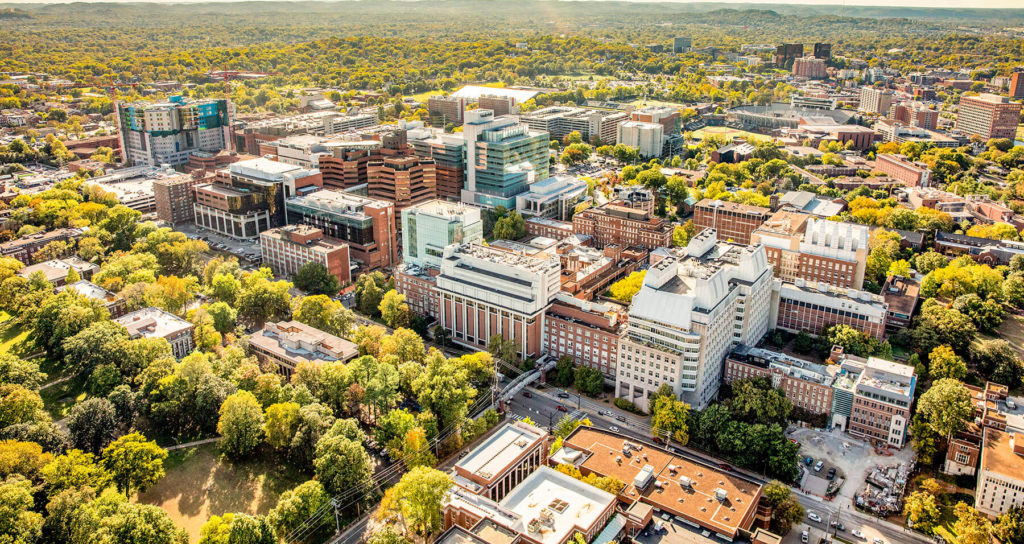
#20 Vanderbilt University School of Medicine
Located in Nashville, Tennessee, Vanderbilt University School of Medicine was founded in 1873. The university is dedicated to “catalyzing the advancement of impactful discovery, servant leadership and lifelong learning.” The school trains students to become excellent doctors. Ranking in Oncology, Surgery, Immunology and more, Vanderbilt University School of Medicine remains among the top medical schools in the United States.
2026 Update: Vanderbilt was confirmed as a Tier 1 school in the U.S. News 2024 Best Medical Schools: Research rankings, and multiple sources indicate it remained in Tier 1 for the 2025 edition as well. Vanderbilt has also been noted for integrating AI, data science, and interdisciplinary learning into its curriculum to prepare students for the future of medicine.
As one of the best medical schools in the US, Vanderbilt University School of Medicine ranks in the following global subject categories (as of the most recent available U.S. News Best Global Universities data):
#10 in Oncology
#31 in Surgery
#50 in Immunology
#50 in Cardiac and Cardiovascular Systems
#54 in Pharmacology and Toxicology
#67 in Biology and Biochemistry
#71 in Public, Environmental and Occupational Health
#74 in Neuroscience and Behavior
#82 Endocrinology and Metabolism
#98 in Social Sciences and Public Health
Vanderbilt University School of Medicine offers the following programs:
- Doctor of Medicine
- Doctor of Medicine / Doctor of Philosophy (Medical Scientist Training Program)
- Medical Innovators Develop Program
- Oral and Maxillofacial Surgery M.D. Program
- Doctor of Medicine / Juris Doctorate
- Doctor of Medicine / Master of Science in Biomedical Informatics
- Doctor of Medicine / Master of Science in Divinity
- Doctor of Medicine / Master of Education
- Doctor of Medicine / Master of Public Health
- Doctor of Medicine / Master of Business Administration
- Doctor of Medicine / Master of Arts in Medicine, Health and Society
- Doctor of Medicine / Master of Science in Clinical Investigation
- Doctor of Medicine / Master of Education in International Education Policy and Management
- Doctor of Medicine / Master of Arts in Latin American Studies
For detailed information on everything Vanderbilt has to offer, visit their website.

#19 Icahn School of Medicine at Mount Sinai
Located in New York City, New York, Icahn School of Medicine at Mount Sinai is at the center of everything. You won’t find many quiet places on this campus. Icahn is the only medical school associated with the Mount Sinai Health System. “Intense collaborative learning, social concern and scholarly inquiry” are at the helm of the MD program.
2026 Update: Icahn School of Medicine at Mount Sinai has withdrawn from the U.S. News domestic ranking process and is currently labeled “unranked.” This does not reflect a decline in quality. The school boasts over 4,500 faculty members and 2,685 residents and clinical fellows, with 13 departments ranking in the NIH’s top 20 for funding. In 2025, Mount Sinai became the first U.S. medical school to incorporate artificial intelligence throughout its entire training program, aiming to teach future physicians how to use AI responsibly.
To provide the best care and teaching opportunities, Icahn School of Medicine is associated with hospitals outside of the Mount Sinai Health System, including:
- BronxCare Health System
- The Brooklyn Hospital Center
- Elmhurst Hospital Center
- Queens Hospital Center
- Veterans Administration Hospital
- Holy Name Medical Center
- Stony Brook Medical Center
- Valley Health System
As one of the best medical schools in the US, Icahn School of Medicine at Mount Sinai ranks in the following global subject categories (as of the most recent available U.S. News Best Global Universities data):
#3 in Gastroenterology and Hepatology
#5 in Cardiac and Cardiovascular Systems
#15 in Immunology
#16 in Microbiology
#23 in Neuroscience and Behavior
#26 in Molecular Biology and Genetics
#27 in Clinical Medicine
#29 in Cell Biology
#33 in Radiology, Nuclear Medicine and Medical Imaging
#44 in Surgery
#48 in Pharmacology and Toxicology
Icahn School of Medicine offers the following programs to pre-med students:
- Doctor of Medicine
- Doctor of Medicine / Doctor of Philosophy
- Doctor of Medicine / Master of Public Health
- Doctor of Podiatric Medicine / Master of Public Health
- Global Health Scholars Program
- Physician Scholars Program
- Primary Care Scholars Program
For more information on Icahn School of Medicine at Mount Sinai, visit its website.
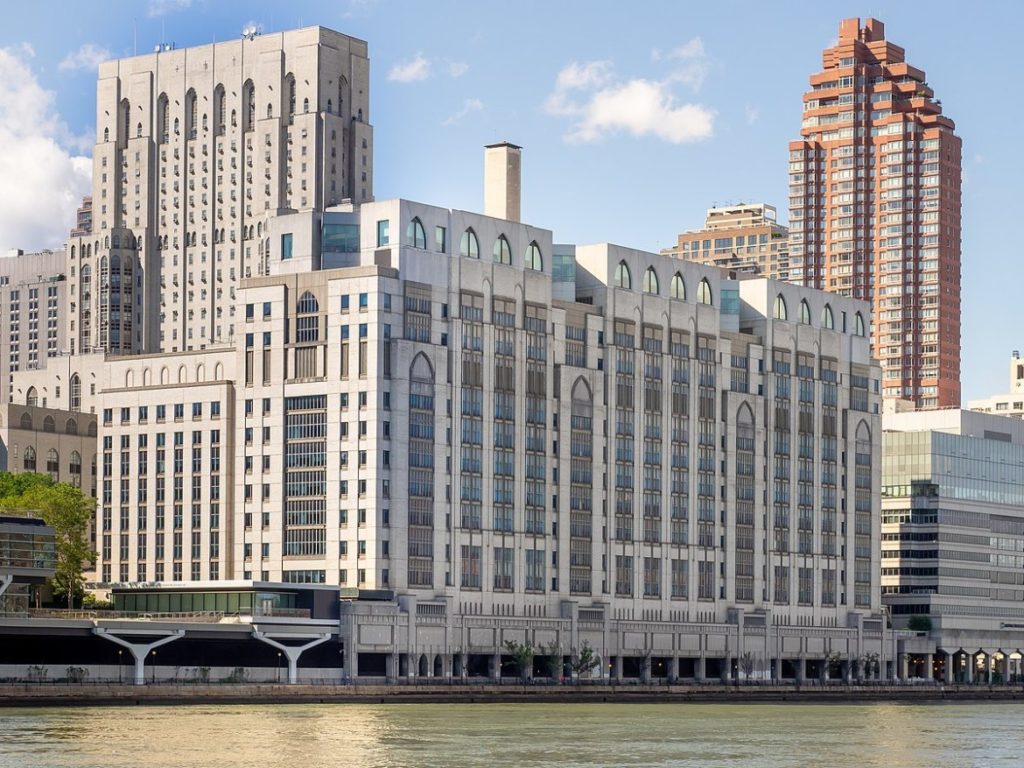
#18 Cornell University (Weill Cornell Medicine)
Cornell University was founded in 1865 in Ithaca, New York. Cornell also has campuses located in New York City and Doha, Qatar. The school has an abundance of undergraduate and graduate programs open to U.S. citizens and international students alike. The tuition is the same across the board. A student from New Zealand pays the same as a student from California. Additionally, Cornell University offers programs to help international students adapt to life in the United States and prepare for a career in the U.S. workforce.
2026 Update: Weill Cornell Medicine is among the elite medical schools that have withdrawn from U.S. News domestic rankings and is currently listed as “unranked.” Located in the heart of Manhattan, Weill Cornell maintains strong programs in global health and clinical training through major New York City hospitals. Its withdrawal from the ranking system reflects a broader movement among top institutions, not a decline in educational quality.
So, how does Cornell University rank among other medical schools globally? There’s a reason it’s one of the top medical schools in the US. The following global subject rankings reflect the most recent available data:
#3 in Oncology
#5 in Cell Biology
#6 in Microbiology
#27 in Surgery
#31 in Radiology, Nuclear Medicine and Medical Imaging
#38 in Chemistry
#49 in Infectious Diseases
#72 in Pharmacology and Toxicology
#90 in Geosciences
#98 in Cardiac and Cardiovascular Systems
Weill Cornell Medicine at Cornell University offers the following programs:
- Doctor of Medicine
- Doctor of Medicine / Doctor of Philosophy
- Doctor of Medicine / Master of Business Administration
For more information on Cornell’s program, visit its website.

#17 Northwestern University
Northwestern University was founded in 1851 in Evanston, Illinois. Other campuses include one in Chicago and one in Doha, Qatar. Northwestern University is home to 12 programs and multiple research centers. Northwestern has received $650 million in grants for its research, making it an ideal university to attend if research is your passion.
2026 Update: Northwestern’s Feinberg School of Medicine was included in Tier 1 for the 2024 U.S. News Best Medical Schools: Research rankings. However, for the 2025 rankings, Feinberg was not included in Tier 1, placing it in Tier 2. This shift does not diminish the school’s considerable strengths. Feinberg remains a research powerhouse with substantial NIH funding and a strong national reputation.
The Feinberg School of Medicine at Northwestern University has received multiple awards from:
- Albert Lasker Basic Medical Research Award
- American Academy of Arts and Sciences
- Howard Hughes Medical Institute
- National Academy of Engineering
- National Academy of Inventors
- National Academy of Medicine
- National Academy of Sciences
Famous graduates from Northwestern include John Eccles, Robert F. Furchgott and Ferid Murad.
The Feinberg School of Medicine has the following programs for interested pre-med students:
- Doctor of Medicine
- Doctor of Medicine / Doctor of Philosophy
- Doctor of Medicine / Master of Public Health
- Doctor of Medicine / Master of Science in Health Services and Outcomes Research
- Doctor of Medicine / Master of Science in Healthcare Quality and Patient Safety
- Doctor of Medicine / Master of Business Administration
- Doctor of Medicine / Master of Arts in Medical Humanities and Bioethics
- Master of Science in Clinical Investigation / Doctor of Philosophy
- Master of Public Health / Doctor of Philosophy
Northwestern University also offers an Early Admissions Program and a Premedicine Linkage Program. For more information, visit Northwestern.edu.
One of the best medical schools in the US, Northwestern ranks in these global subject categories (as of the most recent available data):
#5 in Chemistry
#15 in Cardiac and Cardiovascular Systems
#24 in Gastroenterology and Hepatology
#26 in Clinical Medicine
#30 in Surgery
#34 in Psychiatry/Psychology
#35 in Neuroscience and Behavior
#38 in Oncology
#49 in Cell Biology
#51 in Biology and Biochemistry
#50 in Social Sciences and Public Health
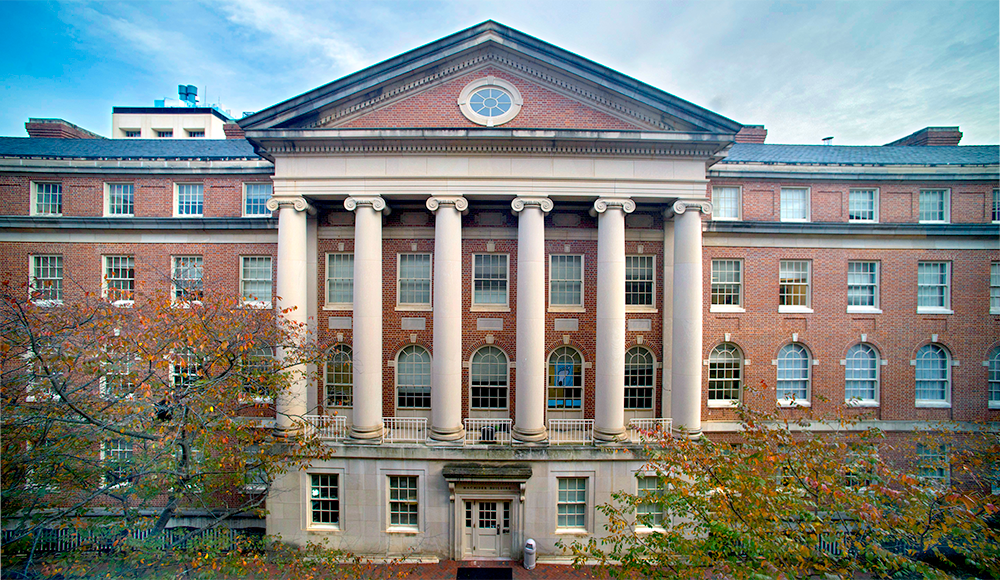
#16 University of North Carolina-Chapel Hill
Founded in 1789, the University of North Carolina-Chapel Hill is one of the oldest schools on our list. But don’t mistake age for being outdated. UNC Chapel Hill is one of the best medical schools in the US. The school is located in Chapel Hill, North Carolina, and has just about everything for which a student could ask. Most students choose to live on campus and venture into town in their free time. The environment itself makes it a good medical school to attend.
2026 Update: UNC-Chapel Hill made a notable move in the 2025 U.S. News rankings, rising into Tier 1 for research after not being included in the top tier the previous year. This places UNC among the top 16 research-focused medical schools in the country.
UNC Chapel Hill has some amazing graduate programs.
- School of Medicine
- Kenan-Flagler Business School
- School of Education
- School of Law
- Gilling School of Global Public Health
- School of Social Work
- Eshelman School of Pharmacy
- School of Government
Check out how UNC ranks on the U.S. News global subject list (as of the most recent available data):
#2 in Pharmacology and Toxicology
#8 in Endocrinology and Metabolism
#9 in Social Sciences and Public Health
#11 in Gastroenterology and Hepatology
#11 in Infectious Diseases
#13 in Public, Environmental and Occupational Health
#14 in Microbiology
#19 in Psychiatry/Psychology
#25 in Clinical Medicine
#25 in Molecular Biology and Genetics
#29 in Oncology
#30 in Cell Biology
#32 in Radiology, Nuclear Medicine and Medical Imaging
These are the medical programs that UNC Chapel Hill offers:
- Doctor of Medicine
- Doctor of Medicine / Doctor of Philosophy
- Doctor of Medicine / Master of Public Health
- Doctor of Medicine / Master of Business Administration
Not only does UNC Chapel Hill rank, but it ranks very well. For more information about this school, visit its official website.
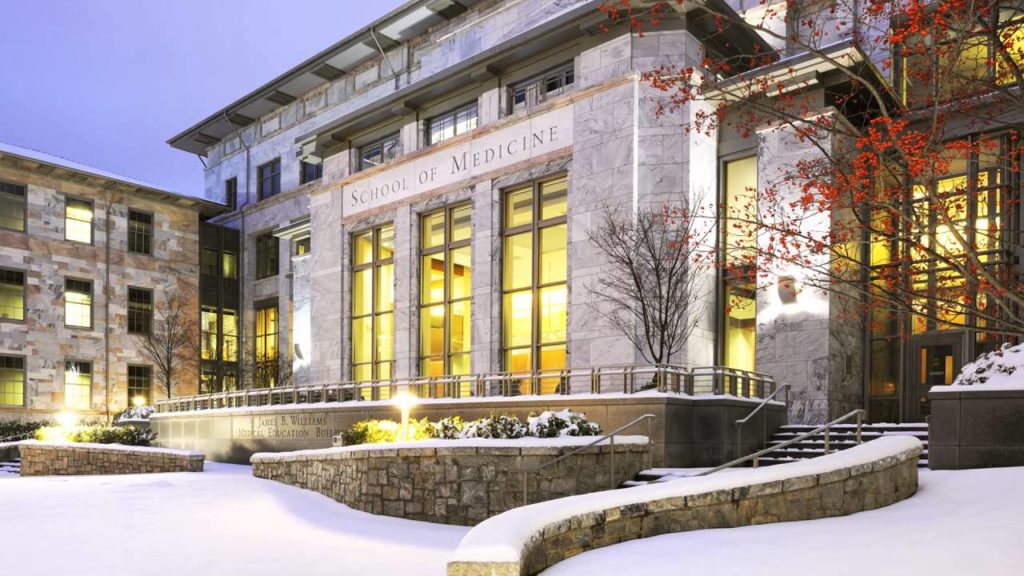
#15 Emory University
Emory University is well-known in the Southeastern part of the United States. The School of Medicine has been around since before the Civil War began. The Association of American Medical Colleges (the home of AMCAS) officially inducted Emory University into its family in 1917. The School of Medicine is part of the Robert W. Woodruff Health Sciences Center.
2026 Update: Emory’s estimated cost of attendance for the 2025–26 academic year is approximately $109,402 for a 12-month period. Emory remains a highly regarded research institution with substantial NIH funding and strong clinical training partnerships. Its specific tier placement in the 2025 U.S. News rankings could not be independently confirmed from publicly available sources, but the school continues to attract competitive applicants and produce strong match results.
Check out how Emory ranks in global subject categories (as of the most recent available data):
#9 in Infectious Diseases
#14 in Surgery
#14 in Public, Environmental and Occupational Health
#16 in Immunology
#20 in Cardiac and Cardiovascular Systems
#20 in Microbiology
#21 in Clinical Medicine
#27 in Neuroscience and Behavior
#28 in Oncology
#42 in Psychiatry/Psychology
#48 in Endocrinology and Metabolism
#53 in Molecular Biology and Genetics
#55 in Radiology, Nuclear Medicine and Medical Imaging
#56 in Gastroenterology and Hepatology
Emory University offers the following programs:
- Doctor of Medicine
- Doctor of Philosophy in Biological and Biomedical Sciences
- Doctor of Medicine / Doctor of Philosophy
- Doctor of Medicine / Master of Arts in Bioethics
- Doctor of Medicine / Master of Public Health
- Doctor of Medicine / Master of Business Administration
- Doctor of Medicine / Master of Science in Clinical Research
The School of Medicine at Emory University is an excellent university to attend and has multiple degree options. For more information, visit the Emory University website.

#14 University of California-San Diego
UC San Diego functions with a specific purpose: to treat the underserved populations of Inland Southern California. If you like the ocean, you’ll enjoy UC San Diego’s closeness to the Pacific. Located in La Jolla, California, UC San Diego continues to rank among the top global universities.
UC San Diego has multiple degree options for pre-med students.
- Doctor of Medicine
- Medical Scientist Training Program
- Doctor of Medicine in Bioengineering / Doctor of Philosophy
- Multiple Master of Arts and Master of Sciences dual-degree options
UCSD also offers educational opportunities in Bioinformatics and Systems Biology, Biomedical Sciences, Biostatistics and Neurosciences, Drug Development and Project Management, and Leadership of Healthcare Organizations.
UC San Diego ranks finely among its colleagues as one of the top medical schools in the US (global subject rankings, most recent available data):
#1 in Gastroenterology and Hepatology
#3 in Pharmacology and Toxicology
#5 in Microbiology
#6 in Cell Biology
#6 in Biotechnology and Applied Microbiology
#8 in Biology and Biochemistry
#9 in Molecular Biology and Genetics
#12 in Neuroscience and Behavior
#18 in Geosciences
#19 in Immunology
#19 in Clinical Medicine
#23 in Psychiatry/Psychology
#27 in Radiology, Nuclear Medicine and Medical Imaging
#30 in Endocrinology and Metabolism
For more information on the University of California-San Diego, check out our comprehensive guide. We cover the school’s medical programs in detail and provide useful information. You’ll be well-prepared to submit your application.

#13 University of Pittsburgh
Commonly coined “Pitt Med,” the University of Pittsburgh School of Medicine has been around for nearly a century. The school’s mission is to “improve the health and well-being of individuals and populations through cutting-edge biomedical research, innovative educational programs … and leadership in academic medicine.” The school does this through multiple curricular offerings.
2026 Update: The University of Pittsburgh earned Tier 1 status in the 2025 U.S. News Best Medical Schools: Research rankings, confirming its position among the top 16 research medical schools in the country.
- Doctor of Medicine
- Doctor of Medicine / Doctor of Philosophy
- Physician Scientist Training Program
- Clinical Scientist Training Program
- Multidisciplinary Master of Public Health Degree
Pitt Med ranks very well on U.S. News (global subject rankings, most recent available data).
#3 in Surgery
#13 in Infectious Disease
#18 in Clinical Medicine
#20 in Psychiatry/Psychology
#22 in Oncology
#24 in Neuroscience and Behavior
#30 in Immunology
#35 in Endocrinology and Metabolism
#39 in Microbiology
#42 in Cell Biology
#43 in Pharmacology and Toxicology
#48 in Cardiac and Cardiovascular Systems
For more information on Pitt Med, check out their official website.

#12 Massachusetts Institute of Technology (Harvard-MIT Health Sciences and Technology)
The Massachusetts Institute of Technology is located in Cambridge, Massachusetts. The institute was founded in 1861 and has five schools:
- Architecture and Planning
- Engineering
- Humanities
- Arts and Social Sciences
- Management
- Science
The school operates with a unique 4-1-4 system. The “1” stands for an “Independent Activities Period,” which takes place in January. The IAP includes forums, lectures, recitals and more.
MIT is also home to the MIT Nuclear Reactor Laboratory and the Lincoln Laboratory. Additionally, MIT has conducted research with the Department of Defense. MIT partners with Harvard to bring students the Harvard-MIT Health Sciences and Technology Program. Students can earn their Doctor of Medicine degree here.
MIT ranks among the top global universities. It ranks very well in medicinal categories (global subject rankings, most recent available data):
#1 in Physics
#2 in Biology and Biochemistry
#2 in Biotechnology and Applied Microbiology
#2 in Cell Biology
#2 in Molecular Biology and Genetics
#3 in Chemistry
#3 in Immunology
#3 in Neuroscience and Behavior
#7 in Oncology
#7 in Geosciences
#9 in Pharmacology and Toxicology
#17 in Clinical Medicine
#24 in Psychiatry/Psychology
For more information on everything MIT has to offer, visit its official website.
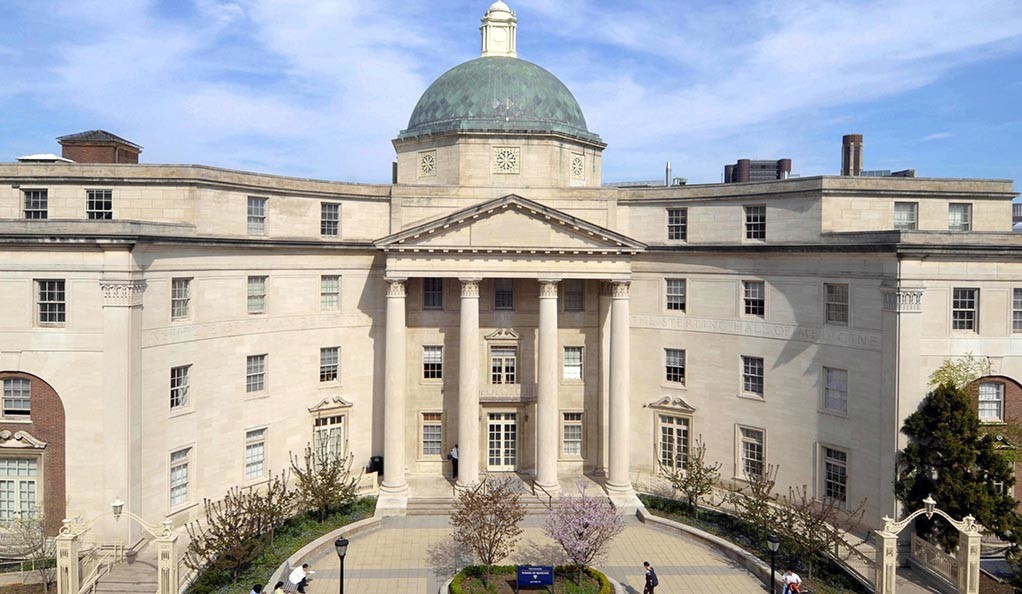
#11 Yale University
New Haven, Connecticut, is home to Yale University. The university has been around since 1701. With over 1,000 applicants every year, the Yale Medicine admissions team works hard to choose the best applicants for its program. Yale’s class sizes remain small, which allows for an unusually high degree of mentorship and individualized attention.
2026 Update: Yale University is confirmed as a Tier 1 school in the 2025 U.S. News Best Medical Schools: Research rankings. Yale continues to be one of the most competitive medical schools in the country.
Yale offers quite a few curricular options:
- Doctor of Medicine
- Doctor of Medicine / Doctor of Philosophy
- Doctor of Medicine / Juris Doctorate
- Doctor of Medicine / Master of Business Administration
- Doctor of Medicine / Master of Divinity
- Doctor of Medicine / Master of Public Health
- Doctor of Medicine / Master of Health Science
Yale remains one of the best medical schools out there, ranking highly across global subject categories (most recent available data):
#4 in Psychiatry/Psychology
#7 in Endocrinology and Metabolism
#10 in Immunology
#12 in Oncology
#13 in Clinical Medicine
#13 in Social Sciences and Public Health
#13 in Neuroscience and Behavior
#17 in Physics
#18 in Molecular Biology and Genetics
#20 in Biology and Biochemistry
#25 in Microbiology
#26 in Radiology, Nuclear Medicine and Medicinal Imaging
#29 in Public, Environmental and Occupational Health
For more detailed information on everything Yale University has to offer, check out our definitive guide.

#10 University of Michigan-Ann Arbor
The University of Michigan-Ann Arbor is a diverse university that’s home to international students from over 110 different countries. There are 19 schools and colleges under the University of Michigan umbrella. Undergrad and graduate opportunities abound.
2026 Update: The University of Michigan-Ann Arbor earned Tier 1 status in the 2025 U.S. News Best Medical Schools: Research rankings. It continues to be one of the strongest medical schools in the country for both research and clinical training.
These are the medical programs that UM Ann Arbor offers:
- Doctor of Medicine
- Doctor of Medicine / Doctor of Philosophy
- Doctor of Medicine / Master of Business Administration
- Doctor of Medicine / Master of Education
- Doctor of Medicine / Master of Science in Health Infrastructure and Learning Systems (HILS)
- Doctor of Medicine / Master of Public Health
- Doctor of Medicine / Master of Science in Health Sciences Administration
- Doctor of Medicine / Master of Public Policy
- Doctor of Medicine / Master of Science in Clinical Research
- Doctor of Medicine / Master of Science in Information
Here are its global subject rankings for medicine (most recent available data):
#6 in Social Sciences and Public Health
#8 in Surgery
#9 in Oncology
#12 in Clinical Medicine
#12 in Infectious Disease
#13 in Psychiatry/Psychology
#13 in Biology and Biochemistry
#14 in Cardiac and Cardiovascular Systems
#16 in Gastroenterology and Hepatology
#19 in Pharmacology and Toxicology
#20 Molecular Biology and Genetics
#23 in Endocrinology and Metabolism
#24 in Public, Environmental and Occupational Health
#27 in Physics
#38 in Radiology, Nuclear Medicine and Medicinal Imaging
#40 in Chemistry
For more information on everything the school has to offer, visit the official website.

#9 Columbia University
Less than four percent of all applicants get into Columbia University School of Medicine. The school was founded in 1754 on the Upper East Side of Manhattan. It has affiliations with Barnard College for women, the Union Theological Seminary and Jewish Theological Seminary. Columbia is home to the famous New York-Presbyterian University Hospital of Columbia and Cornell.
2026 Update: Columbia University’s medical school is among the elite institutions that have withdrawn from U.S. News domestic rankings and is currently listed as “unranked.” Its global reputation remains outstanding, and it continues to be one of the most competitive medical schools in the world.
While Columbia University’s main campus is on the Upper East Side, it has multiple campuses all over the world, including:
- Amman, Jordan
- Beijing
- Mumbai, India
- Paris
- Istanbul
- Nairobi, Kenya
- Santiago, Chile
- Rio de Janeiro
Just like Columbia has worldwide campuses, International Medical Aid offers pre-medical internships all over the world, giving students structured clinical exposure and mentorship in international settings. A well-structured clinical experience abroad can strengthen your medical school application by showing maturity, adaptability, and genuine interest in global health. For more information, check out our website.
Columbia offers the following programs:
- Doctor of Medicine
- Three-year PhD-to-MD Program (for students who already have a PhD)
- Medical Scientist Training Program
- Columbia-Bassett MD Track for rural healthcare
Columbia’s global subject medical ratings are as follows (most recent available data):
#4 in Psychiatry/Psychology
#4 in Geosciences
#4 in Cardiac and Cardiovascular Systems
#6 in Public, Environmental and Occupational Health
#7 in Neuroscience and Behavior
#11 in Cell Biology
#11 in Clinical Medicine
#12 in Molecular Biology and Genetics
#14 in Biology and Biochemistry
#19 in Endocrinology and Medicine
#19 in Surgery
#23 in Microbiology
#27 in Immunology
#35 in Space Science
#35 in Oncology
For more information on Columbia University, check out our definitive guide. We’ve included everything you need to know to submit a top-notch application.
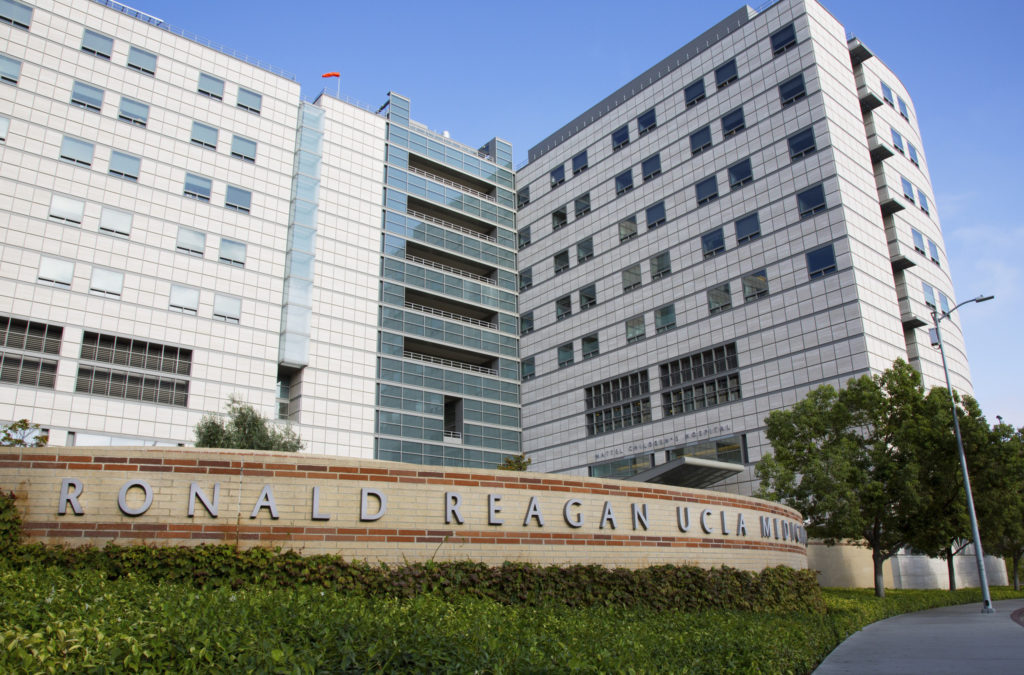
#8 University of California-Los Angeles
If you’ve ever heard of UCLA, you’ve heard of the University of California-Los Angeles. Better known by its nickname, the school was founded in Los Angeles, California, in 1919. Undergraduate students go into one of five different UCLA-branded schools or one of UCLA’s esteemed graduate programs. The Anderson School of Management, David Geffen School of Medicine and Henry Samueli School of Engineering and Applied Science are excellent programs for students interested in these fields.
As for the David Geffen School of Medicine, the following programs are offered:
- Doctor of Medicine
- Medical Scientist Training Program
- UCLA PRIME
- UCLA / Charles R. Drew Medical Education Program
UCLA continues to rank among the top global universities and is one of the best medical schools you can attend. Here are its global subject medical school rankings (most recent available data):
#5 in Oncology
#9 in Psychiatry/Psychology
#11 in Neuroscience and Behavior
#12 in Cell Biology
#13 in Radiology, Nuclear Medicine and Medicinal Imaging
#14 in Geosciences
#15 in Molecular Biology and Genetics
#15 in Social Sciences and Public Health
#16 in Nanoscience and Nanotechnology
#17 in Surgery
#18 in Biology and Biochemistry
#22 in Chemistry
#26 in Microbiology
#28 in Infectious Diseases
#34 in Physics
#36 in Public, Environmental and Occupational Health
#38 in Gastroenterology and Hepatology
For more information on UCLA, check out our definitive guide.

#7 Duke University
Duke University is one of the best medical schools in the U.S. It’s known for its broad medical offerings. Have you ever seen a nuclear magnetic resonance machine? You might get to if you attend Duke University! The university is located in Durham, North Carolina, and has East, West and Central campuses. Nearly 15,000 students study at Duke every year.
2026 Update: Duke University is among the elite medical schools that have withdrawn from U.S. News domestic rankings and is currently listed as “unranked.” This has no bearing on the school’s quality. Duke continues to attract some of the strongest applicants in the country and maintains robust research programs and clinical training.
The university has 10 colleges:
- Arts and Sciences
- Law
- Medicine
- Nursing
- Engineering
- Business
- Public Policy
- Environment
- Divinity
- Graduate Studies
Duke University offers two programs:
- Doctor of Medicine
- Medical Scientist Training Program
Duke’s global subject rankings remain strong (most recent available data):
#3 in Cardiac and Cardiovascular Systems
#9 in Clinical Medicine
#12 in Microbiology
#14 in Endocrinology and Metabolism
#16 in Surgery
#16 in Psychiatry/Psychology
#18 in Social Sciences and Public Health
#19 in Oncology
#23 in Biology and Biochemistry
#26 in Pharmacology and Toxicology
#29 Molecular Biology and Genetics
#32 in Immunology
#35 in Infectious Diseases
#39 in Cell Biology
#48 in Public, Environmental and Occupational Health
Interested in applying to Duke University? We covered Duke on our admissions consulting blog.

#6 University of Pennsylvania
The University of Pennsylvania stands strong among the Ivy League schools of America. It’s one of the best medical schools in the US. Located in Philadelphia, the university has a dozen different schools that cover every subject imaginable. There are also 12 different graduate-level programs that the University of Pennsylvania offers. The school devotes $875 million to research every year. UPenn’s Center for Undergraduate Research and Fellowships helps students find research projects that interest them and satisfy degree requirements.
2026 Update: The University of Pennsylvania’s Perelman School of Medicine is among the schools that have withdrawn from U.S. News domestic rankings and is currently listed as “unranked.” Despite this, Penn remains one of the most selective medical schools in the country. According to recent data, only about 6.5% of applicants are accepted, and most incoming students have GPAs around 3.9 or higher with MCAT scores above 521.
The University of Pennsylvania has over 130 research institutes, which include:
- Center for Cognitive Neuroscience
- Leonard Davis Institute of Health Economics
- Penn Institute for Urban Research
Here are UPenn’s top global subject medical school rankings (most recent available data):
#7 in Clinical Medicine
#7 in Surgery
#7 in Microbiology
#7 in Neuroscience and Behavior
#8 in Immunology
#8 in Gastroenterology and Hepatology
#9 in Cell Biology
#9 in Endocrinology and Metabolism
#10 in Cardiac and Cardiovascular Systems
#10 in Oncology
#12 in Psychiatry/Psychology
#12 in Radiology, Nuclear Medicine and Medical Imaging
#19 in Biology and Biochemistry
#21 in Social Sciences and Public Health
#23 in Biotechnology and Applied Microbiology
#29 in Infectious Disease
#36 in Pharmacology and Toxicology
For more information on the University of Pennsylvania, visit the school’s official website.

#5 University of Washington
The University of Washington has its main campus in Seattle, with smaller campuses in Bothell and Tacoma. The university is home to students studying subjects at one of its 16 colleges or 370 graduate-level programs. UW has been awarded over $1 billion in research funds. This money has gone to the West Coast Poverty Center, the Polar Science Center and the Center for Emerging and Re-emerging Infectious Diseases, among others. UW also has its students complete clinical rotations in Alaska, Idaho, Montana, Washington and Wyoming.
2026 Update: The University of Washington is among the schools that have withdrawn from U.S. News domestic rankings and is listed as “unranked.” It continues to rank among the very top schools globally for clinical medicine. UW’s unique regional training model, which places students in clinical rotations across five states, remains one of the most distinctive features of any medical school in the country.
UW offers the following programs:
- Doctor of Medicine
- Pathways in
– Indian Health
– Global Health
– Hispanic Health
– LGBTQ Health
– Underserved Communities
UW continues to be one of the best medical schools in the US, with strong global subject rankings (most recent available data):
#6 in Infectious Disease
#6 in Clinical Medicine
#6 in Molecular Biology and Genetics
#6 in Immunology
#6 in Surgery
#7 in Social Sciences and Public Health
#8 in Pharmacology and Toxicology
#11 in Public, Environmental and Occupational Health
#12 in Cardiac and Cardiovascular Systems
#17 in Physics
#17 in Biology and Biochemistry
#20 in Endocrinology and Metabolism
#22 in Cell Biology
#28 in Radiology, Nuclear Medicine and Medical Imaging
#29 in Psychiatry/Psychology
For more information on the University of Washington, visit the school’s official website.

#4 University of California-San Francisco
The University of California-San Francisco was founded in 1864 and has grown into multiple campuses across San Francisco, including Parnassus, Mission Bay and Mount Zion. The school offers the traditional, four-year Doctor of Medicine degree, as well as multiple post-baccalaureate and graduate-level programs.
2026 Update: UCSF earned Tier 1 status in the 2025 U.S. News Best Medical Schools: Research rankings. UCSF also maintained the #1 position among all medical schools for NIH funding in fiscal year 2025, receiving approximately $724 million. Its research infrastructure is among the strongest in the world.
- Anesthesia and Perioperative Care
- Dermatology
- Emergency Medicine
- Family and Community Medicine
- Neurological Surgery
- Obstetrics and Gynecology
- And more
For a complete listing of graduate-level programs, check out this page.
UCSF ranks in the following global subject categories (most recent available data):
#2 in Neuroscience and Behavior
#3 in Cell Biology
#3 in Clinical Medicine
#3 in Microbiology
#4 in Molecular Biology and Genetics
#5 in Surgery
#5 in Infectious Diseases
#6 Biology and Biochemistry
#10 in Public, Environmental and Occupational Health
#13 in Pharmacology and Toxicology
#15 in Gastroenterology and Hepatology
#16 in Radiology, Nuclear Medicine and Medical Imaging
#17 in Endocrinology and Metabolism
#18 in Cardiac and Cardiovascular Systems
For more information on what the University of California-San Francisco offers, check out the school’s official website.
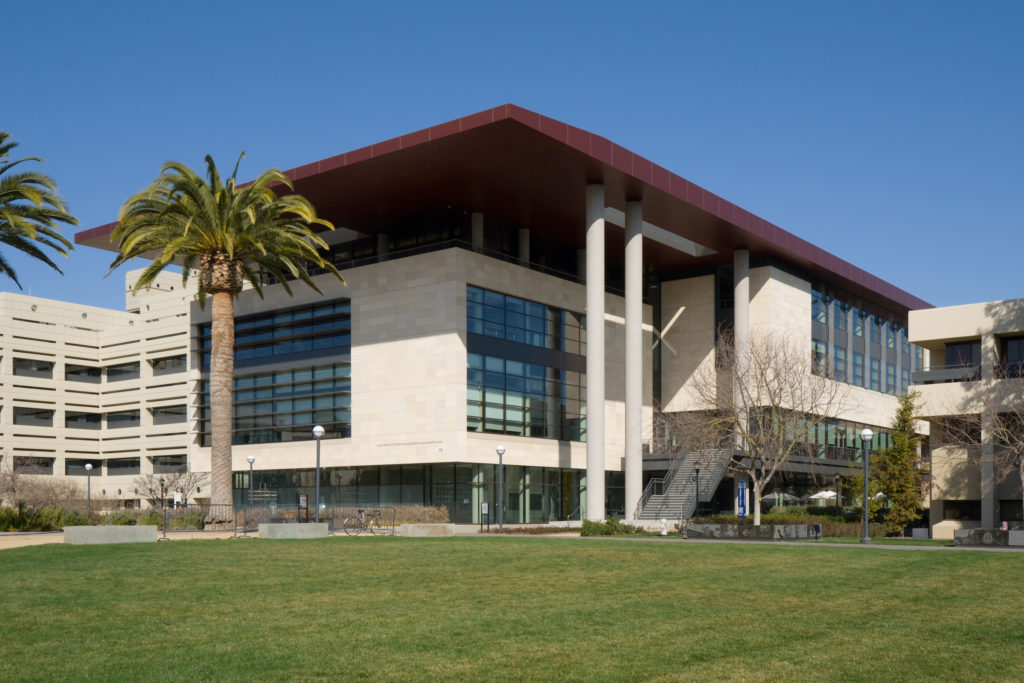
#3 Stanford University
Stanford University provides students with a world-class education and rigorous research opportunities. It’s one of the best medical schools in the US. Eight members of the university’s faculty have been awarded Nobel prizes for their research. Stanford’s curriculum challenges students to think outside the box by presenting them with situations that memorized knowledge can’t solve. Stanford’s methods have won the school great recognition.
2026 Update: Stanford is among the schools that have withdrawn from U.S. News domestic rankings and is listed as “unranked.” Globally, Stanford ranks #3 in the 2026 QS World University Rankings for Medicine, behind only Harvard and Oxford. Stanford continues to integrate AI, data science, and interdisciplinary learning into its medical curriculum. For students interested in how medical education is evolving, Stanford’s approach is worth studying closely.
Here are the programs that Stanford offers:
- Doctor of Medicine
- Medical Scientist Training Program
- Physician-Scientist Training Program
- Doctor of Philosophy in Bioengineering
- Doctor of Philosophy in Biosciences
- Doctor of Philosophy in Biomedical Physics
- Doctor of Philosophy in Epidemiology and Clinical Research
- Doctor of Philosophy in Health Policy
Here are the school’s global subject medical school rankings (most recent available data):
#2 in Physics
#3 in Biology and Biochemistry
#3 in Clinical Medicine
#3 in Molecular Biology and Genetics
#3 in Social Sciences and Public Health
#4 in Neuroscience and Behavior
#7 in Immunology
#7 in Pharmacology and Toxicology
#7 in Cardiac and Cardiovascular Systems
#10 in Surgery
#20 in Endocrinology and Metabolism
We’ve written a comprehensive guide on Stanford University. It’s an excellent resource if you’re thinking of applying to Stanford. It is an elite school that’s hard to get into, but it’s well worth the effort for what it offers.

#2 Johns Hopkins University
Johns Hopkins University continues to rank among the top global universities and remains one of the best medical schools in the US for clinical medicine. Johns Hopkins firmly believes in training its students to become leaders in the medical field. There are nine academic divisions, ranging from engineering to international studies. Johns Hopkins also has its own hospital, which is highly ranked for several of its specialties.
2026 Update: In a landmark move, Johns Hopkins announced in July 2024 that, thanks to a $1 billion gift from alumnus Michael R. Bloomberg, it would offer tuition-free medical education to students from families earning under $300,000 per year. This covers approximately 95% of all American families. Students from families earning under $175,000 receive a full ride, including living expenses. This makes Johns Hopkins one of the most financially accessible elite medical schools in the country. Johns Hopkins also accepts approximately 6% of applicants, with most admitted students holding GPAs near 3.93 and MCAT scores above 522.
Johns Hopkins offers students the following programs:
- Doctor of Medicine
- Doctor of Medicine / Master of Business Administration
- Doctor of Medicine / Doctor of Philosophy
- Doctor of Medicine / Master of Science in Health Care Management
Here are the U.S. News global subject medical school rankings for Johns Hopkins University (most recent available data):
#2 in Infectious Diseases
#2 in Oncology
#2 in Surgery
#2 in Clinical Medicine
#2 in Public, Environmental and Occupational Health
#3 in Radiology, Nuclear Medicine and Medical Imaging
#4 in Immunology
#5 in Pharmacology and Toxicology
#5 in Molecular Biology and Genetics
#6 in Neuroscience and Behavior
#7 in Cell Biology
#8 in Cardiac and Cardiovascular Systems
#9 in Biology and Biochemistry
#10 in Gastroenterology and Hepatology
As you can see, Johns Hopkins University ranks among the top ten in most fields. If you want to learn more about Johns Hopkins, we’ve covered everything there is to know about the university.

#1 Harvard University
Harvard University is the most prestigious medical school you can attend. It ranks as the #1 Best Global University for Clinical Medicine according to U.S. News and also holds the #1 position in the 2026 QS World University Rankings for Medicine, earning perfect scores in four of five ranking indicators. It was founded in 1636, making it the oldest university in the United States. Harvard has multiple schools, including the renowned Business School, Graduate School of Education, Law School and the John F. Kennedy School of Government.
2026 Update: Harvard is among the elite schools that have withdrawn from U.S. News domestic rankings. However, it continues to dominate global rankings. Harvard’s acceptance rate is approximately 3.1%, with most admitted students holding GPAs near 4.0 and MCAT scores above 520. Harvard’s total cost of attendance for 2025–26 (excluding health insurance) is $116,996. The school now offers full tuition coverage for students from families earning $200,000 or less per year. Harvard also introduced a PhD track in “AI in Medicine” and added dedicated AI training for all incoming MD students in 2025.
Harvard offers the following medical programs:
- Doctor of Medicine Program
- Doctor of Philosophy in Bioinformatics and Integrative Genomes
- Doctor of Philosophy in Biological and Biomedical Sciences
- Doctor of Philosophy in Biophysics
- Doctor of Philosophy in Chemical Biology
- Doctor of Philosophy in Immunology
- Doctor of Philosophy in Neuroscience
- Doctor of Philosophy in Speech and Hearing Bioscience and Technology
- Doctor of Philosophy in Systems Biology
- Doctor of Philosophy in Virology
Harvard’s global subject rankings remain extraordinary (most recent available data):
#1 in Infectious Diseases
#1 in Biology and Biochemistry
#1 in Biotechnology and Applied Microbiology
#1 in Cardiac and Cardiovascular Systems
#1 in Cell Biology
#1 in Endocrinology and Metabolism
#1 in Microbiology
#1 in Molecular Biology and Genetics
#1 in Neuroscience and Behavior
#1 in Oncology
#1 in Pharmacology and Toxicology
#1 in Psychiatry/Psychology
#1 in Surgery
#1 in Public, Environmental and Occupational Health
#1 in Radiology, Nuclear Medicine and Medicinal Imaging
#1 in Social Sciences and Public Health
#2 in Gastroenterology and Hepatology
#4 in Physics
Harvard Medical School dominates the U.S. News global rankings for its outstanding programs. It’s no wonder that the school’s acceptance rate is approximately 3.1%. Harvard is another school we’ve covered on our blog. Our post is full of practical advice for submitting a strong application.
How to Think About Medical School Rankings in 2026
With the shift to tiers, the withdrawal of several elite schools, and the growing number of tuition-free options, the way applicants evaluate medical schools is changing. Here are some practical considerations for 2026 applicants.
Rankings Are a Starting Point, Not an Endpoint
A Tier 1 designation or a high global ranking tells you that a school has strong research output and institutional resources. It does not tell you whether the school’s curriculum fits your learning style, whether its clinical training sites match your interests, whether its location works for you, or whether its culture will support you through four demanding years. Spend time on each school’s website. Read student accounts. Talk to current students and recent graduates if you can.
“Unranked” Does Not Mean Less Competitive
Harvard, Stanford, Columbia, Duke, Cornell, and Penn are all “unranked” in U.S. News domestic rankings as of 2025. These remain among the most competitive and well-resourced medical schools on earth. Their decision to withdraw reflects institutional disagreements with the ranking methodology, not a change in educational quality. Do not eliminate a school from your list because it is labeled “unranked.”
Cost Should Factor into Your Decision More Than Ever
With average four-year costs ranging from $286,454 (in-state public) to $390,848 (private), debt load is a real concern. But the landscape is shifting. Johns Hopkins, NYU, Albert Einstein, and Harvard have all introduced major tuition relief programs. Before you assume a school is too expensive, check its current financial aid offerings. The cost-of-attendance figures published on school websites are often higher than what students actually pay after aid.
Apply Broadly and Strategically
If you only apply to the schools profiled in this article, you are limiting your chances. Acceptance rates at these institutions range from 2% to 7%. A strong applicant might still be rejected from every one of them due to sheer volume. Most pre-med advisors recommend applying to a mix of reach, target, and likely schools. Our article on how many medical schools you should apply to covers this in detail.
Your Application Matters More Than Where You Apply
The strongest applicants to these schools have more than high GPAs and MCAT scores. They have meaningful clinical experience, thoughtful personal statements, strong letters of recommendation, and a clear sense of why they want to practice medicine. If you are still building your profile, consider how international clinical exposure, mentored research, or structured health experiences can add substance to your application. Our article on 20 tips to make your medical school application stand out offers specific, actionable advice.
AI Integration: The Newest Shift in Medical Education
One trend that did not exist when this article was first published is the integration of artificial intelligence into medical school curricula. In 2025, Mount Sinai’s Icahn School of Medicine became the first U.S. medical school to incorporate AI throughout its entire training program. Harvard introduced a PhD track in “AI in Medicine” and added dedicated AI training for all incoming MD students. Stanford and Vanderbilt have also integrated AI and data science into their teaching.
This reflects a broader recognition that physicians will increasingly work alongside AI tools for diagnostics, treatment planning, and research analysis. Schools that invest early in teaching students how to use these tools responsibly, ethically, and effectively may give their graduates a meaningful advantage. If AI in medicine interests you, it is worth asking schools directly about their approach during interviews or information sessions.
Medical School Admissions and Pre-Medicine Additional Reading
Choosing a career in medicine is a long-term commitment that goes far beyond academic excellence. The path to becoming a physician includes understanding admissions strategies, gaining relevant experience, exploring specialties, and making smart decisions about where and how to apply. The following articles are curated to support students at various stages of the pre-med journey, from early high school planning to reapplying after rejection. Use these resources as additional reading to better prepare for medical school admissions and to deepen your understanding of what lies ahead.
- Persuasive Speech Topics Every Med Student Must Master
- 14 Exciting Types of Internships for Pre-Med Students
- Is Dentistry Your Calling? Make Sure with a Pre-Dentistry Internship
- Invitation to Alumni for Future Programs
- How to Get Clinical Experience as a Pre-Med Student
- Witch Doctors in Tanzania: Western Medicine vs. Traditional Healing
- Early Action vs. Early Decision: A College Application Strategy for Pre-Med Students
- Fulbright Scholarship Guide for Pre-Med and Medical Students
- Difference Between An Internship And An Externship
- A Tool for Clinical Precision: SOAP Notes for Clinical Rotations
- How to Become a Psychiatrist: Training, Licensing, and Certification Requirements
- How To Become A Cardiologist: Training, Licensing, and Certification Requirements
- 4 Compelling Reasons To Be A Medical Volunteer In Kenya
- AMCAS Application AMCAS Most Meaningful Experiences: 15 Best Examples
- MCAT registration and test dates
- Tips for Medical School Applicants: Your Social Media Can Be as Impactful as Your CV
- Answering the Tough Questions: Preparing for Ethical Challenge Questions in Medical School Interviews
- Turning a Lower GPA into a Medical School Acceptance: Strategies to Strengthen Your Application
- A Happy New Year and a Heartfelt Thank You from International Medical Aid
- Weighing Between Acceptance and Waitlist Offers From Medical Schools
- Top 7 Ways to Gain Clinical Hours for Med School Paid and Unpaid
- How To Approach Reapplying To Med School
- Familiarize Yourself with the Medical School Admissions Process
- Dressing Right for Your Medical School Interview: An In-Depth Guide
- When Do You Need An Admissions Consultant For Medical School?
- Exploring Gap Year Options: Enhancing Your Profile For Medical School
What to Do with This Information
The 20 schools profiled above represent some of the strongest medical education programs in the world. Every one of them produces well-trained physicians and offers serious research opportunities. Getting into any of these programs would be a significant accomplishment and would provide a world-class education.
That said, we do not recommend only applying to these 20 schools. Acceptance rates at these institutions are extremely low, typically between 2% and 7%. Even applicants with near-perfect GPAs and MCAT scores are routinely rejected from multiple top programs. You should also have a balanced list that includes target and safety schools. This will greatly increase your chances of getting into a strong medical school without putting all of your hopes on a small number of highly selective programs. If you are also considering schools outside the U.S., our article on the pros and cons of Caribbean medical schools provides an honest look at that option.
Building a competitive application takes time. Beyond your GPA and MCAT score, admissions committees want to see clinical experience, research, community involvement, and genuine reflection on why you want to become a physician. Structured clinical experiences, whether domestic or international, can give you the kind of firsthand exposure that makes your personal statement and interview responses more specific and credible. If you want to understand what to know before getting into medical school, we cover the essentials in that article.
Do you need help with your medical school applications? Our medical school admissions consulting team is here for you. We help students with everything from their personal statements to mock interviews. We offer several tiers of medical school admissions consulting. Reach out to us today to get started.
Not sure which medical schools you want to apply to? Check out our comprehensive list of good medical schools to attend in the United States.
- UC Riverside School of Medicine
- USC Keck School of Medicine
- UT Southwestern Medical School
- Long School of Medicine at UT Health San Antonio
- University of the Incarnate Word School of Osteopathic Medicine
- UT Austin’s Dell Medical School
- UTMB School of Medicine
- McGovern Medical School at UT Health
- Johns Hopkins School of Medicine
- The University of Texas Rio Grande Valley School of Medicine
- UNT Texas College of Osteopathic Medicine
- University of Houston College of Medicine
- Texas A&M College of Medicine
- Baylor College of Medicine
- George Washington University School of Medicine
- Vanderbilt University School of Medicine
- St. George’s University School of Medicine
- Lake Erie College of Osteopathic Medicine (in Pennsylvania)
- Sidney Kimmel Medical College at Thomas Jefferson University
- Wake Forest University School of Medicine
- Western University of Health Sciences (in California)
- Drexel University College of Medicine
- Stritch School of Medicine at Loyola University Chicago
- Georgetown University School of Medicine
- Yale School of Medicine
- Perelman School of Medicine
- UCLA Medical School
- NYU Medical School
- Washington University School of Medicine
- Brown Medical School
Good luck on your path to medical school.