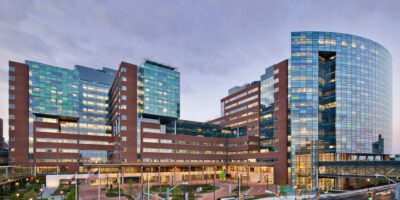
Welcome to the definitive guide for students who want to earn an MD at Oakland University William Beaumont School of Medicine (OUWB). OUWB sits at the center of Oakland University’s campus in Rochester, Michigan, about 40 minutes north of Detroit, and trains its students at three Corewell Health hospitals in Royal Oak, Troy and Grosse Pointe. The school welcomed its charter class in August 2011 and now enrolls about 125 new students each year.
OUWB is known for a curriculum that puts students in front of patients from the first semester, a required four-year research program called Embark, a four-year mentoring program called PRISM and a strong focus on the health of southeast Michigan communities. Admission is competitive and holistic. The school looks for applicants who pair solid academics with real service, teamwork and a clear understanding of what physicians do.
This guide covers the 2026-2027 application cycle, which the school calls the 2027 admissions cycle, for students who will start medical school in early August 2027 as the Class of 2031. The AMCAS deadline is November 15, 2026, and the supplemental application is due December 15, 2026. All facts were checked on October 28, 2026.
We cover everything you need to know: the newest class profile, mission and accreditation, the MD and MD/MPH programs, the curriculum year by year, requirements and deadlines, 2026-27 tuition and cost of attendance, campus life and student organizations, clinical rotations and research, the people who lead and teach at OUWB, all seven 2026-2027 secondary essay prompts with original examples and analysis, the virtual interview day and a long list of frequently asked questions. If you have questions along the way, International Medical Aid has helped thousands of students get into medical school through our admissions consulting and healthcare internship programs.
Key Takeaways
- Who can apply. Only U.S. citizens and permanent residents are eligible. OUWB does not consider international, Canadian or DACA applicants, and it does not accept transfer students at this time.
- In-state and out-of-state are welcome. OUWB describes itself as a privately funded medical school, charges the same tuition to every student and admits out-of-state applicants. It is strongly committed to southeast Michigan, and 63% of the Class of 2030 are Michigan residents.
- Academic context. The Class of 2030 (entered 2026) had a median overall GPA of 3.90, a median math and science GPA of 3.70 and a median MCAT of 509. These are medians, not cutoffs. The firm minimums are a 495 MCAT and a 3.00 BCPM GPA (or a 3.5 post-baccalaureate or graduate BCPM GPA with at least 24 credits).
- Key dates. AMCAS closes November 15, 2026. The supplemental application, $100 fee and letters are due December 15, 2026. Interviews run mid-August 2026 through early March 2027, and offers go out on a rolling basis starting October 15.
- Early Decision is an option. Michigan residents and applicants with strong OUWB ties can apply through the Early Decision Program with a 3.6 BCPM GPA and a 505 MCAT. The primary is due August 1, the secondary August 14, and decisions come by October 1.
- Costs. Tuition for 2026-27 is $63,636 for every student, with no added fees for health insurance, technology, parking or the recreation center. The first-year cost of attendance ranges from $79,045 (living with a parent) to $91,945 (off campus).
- Distinctive training. Patient encounters from the first semester, a required Embark capstone research project, monthly PRISM mentoring groups, clerkships at three Corewell Health hospitals and an MD/MPH option that takes five years.
- Next step. Write your secondary with care, take the AAMC PREview exam if you can (it is highly recommended), line up three to five strong letters and prepare for a virtual interview day that includes four interviews.
Key Statistics About Oakland University William Beaumont School of Medicine
OUWB fills a class of about 125 students from more than 8,000 applicants through a mission aligned review that weighs experiences, attributes and metrics together. The snapshot and table below collect the key numbers. Each figure carries its cohort or academic year, because the class profile, the cost budget and the national data each cover a different year.

What Are OUWB’s Median MCAT and GPA?
The Class of 2030, which entered in August 2026, had a median MCAT of 509, a median overall GPA of 3.90 and a median math and science GPA of 3.70 (OUWB Class of 2030 profile). For the 2025 entering class, accepted applicants had a median MCAT of 511 (mean 511.2) and a median GPA of 3.89. Medians describe the middle of the class. Half of the students were below them.
The section medians for 2025 accepted applicants were 128 in Chemical and Physical Foundations, 126 in Critical Analysis and Reasoning Skills, 128 in Biological and Biochemical Foundations and 129 in Psychological, Social and Biological Foundations. OUWB looks at section scores and score trends, not only the total.
| Measure | Value | Cohort, population and source |
|---|---|---|
| School and degree | Oakland University William Beaumont School of Medicine; Doctor of Medicine (MD) | OUWB, About |
| Campus | O’Dowd Hall, Oakland University, Rochester, Michigan; clinical training at three Corewell Health hospitals (Royal Oak, Troy, Grosse Pointe) | OUWB, About |
| Accreditation | LCME, full accreditation; eight-year term granted February 2020; next site visit February 2028 | OUWB, LCME Accreditation |
| Class size | 124 | Class of 2030 (entered 2026), matriculants; OUWB class profile |
| Applicants | 8,627 | Class of 2030; OUWB class profile |
| Interviews | 500 | Class of 2030; OUWB class profile |
| Interviewed / applicants | 5.8% (500 / 8,627) | Class of 2030; computed by IMA from the class profile. Not an acceptance rate |
| Acceptance rate | Not published | OUWB does not publish the number of offers |
| Median MCAT | 509 | Class of 2030 matriculants; OUWB class profile |
| Median MCAT, accepted applicants | 511 (mean 511.2) | 2025 entering class; AAMC MSAR 2026 |
| Median overall GPA | 3.90 | Class of 2030 matriculants; OUWB class profile |
| Median math and science GPA | 3.70 | Class of 2030 matriculants; OUWB class profile |
| Minimum MCAT and GPA | 495 MCAT; 3.00 BCPM GPA (or 3.5 post-bacc or graduate BCPM GPA with 24+ credits) | 2027 admissions cycle; OUWB Admissions Requirements |
| Michigan residents | 63% | Class of 2030; OUWB class profile |
| Tuition | $63,636 (same for all students) | 2026-2027; OUWB Admissions FAQ |
| First-year cost of attendance | $79,045 (with parent), $90,646 (on campus), $91,945 (off campus) | 2026-2027; OUWB Estimated Cost of Attendance |
| Students receiving aid | 86% | 2024-2025; AAMC MSAR 2026 (LCME Part I-B) |
| Average debt of indebted graduates | $201,577 | 2024-2025; AAMC MSAR 2026 (LCME Part I-B) |
| Match rate | 98% | Class of 2026, Match Day March 20, 2026; OUWB inMedicine |
| Key deadlines | AMCAS November 15, 2026; supplemental December 15, 2026 | 2026-2027 cycle; OUWB Application Process |
Applicants, Interviews and Class Size
OUWB’s profile reports three numbers for each class: applicants, interviews and class size. For the Class of 2030, 8,627 people applied, 500 were interviewed and 124 enrolled. That means about 5.8% of applicants received an interview. The school does not publish how many offers it made, so any single “acceptance rate” you see online is an estimate. Dividing 124 by 8,627 gives a matriculation ratio of about 1.4%, which is not the same as an acceptance rate, because some admitted students choose other schools.
The practical message is simple. The interview is the main gate. Your primary and secondary must earn one of roughly 500 interview spots, and the screening for the secondary itself is light: if you meet the minimum MCAT, GPA and citizenship requirements, you receive the supplemental application.
Class Demographics and Geographic Mix
The Class of 2030 is 55% female and 45% male. Nineteen percent of students are socioeconomically disadvantaged and 8% are first-generation college students. Students came from 19 states, 9 countries of origin and 41 undergraduate institutions, and together they speak 24 languages. Sixty-three percent are Michigan residents.
Tuition and Costs at a Glance
Tuition for 2026-27 is $63,636, charged as $31,818 per semester. OUWB charges the same rate to Michigan residents and nonresidents. There are no added fees for health insurance, technology, parking or the Oakland University recreation center. Our full cost breakdown, including the cost of attendance for all four years, appears in the tuition section below.
Important Dates
| Milestone | Date (2026-2027 cycle) |
|---|---|
| Early Decision AMCAS deadline | August 1, 2026 |
| Early Decision secondary and materials | August 14, 2026 |
| Interviews | Mid-August 2026 to early March 2027 |
| Early Decision decisions | By October 1, 2026 |
| Rolling admission offers begin | October 15, 2026 |
| AMCAS deadline | November 15, 2026 |
| Supplemental application, fee and letters | December 15, 2026 |
| Tuition deposit ($100) | April 30, 2027 |
| Classes begin | Early August 2027 |
Mission and Educational Priorities
OUWB states its mission plainly:
To develop compassionate physicians who are dedicated to improving the health of their communities, collaboration, and lifelong learning.
Its vision is “to be a recognized leader in medical education inspired by our commitment to community engagement, championing innovation, and enhancing culture to improve the health of every person.” The school lists five values: Collaboration, Compassion, Community, Excellence and Service (About OUWB).
What the Mission Means for Applicants
The mission has three working parts, and each one shows up in the admissions process.
Compassion and community health. OUWB wants physicians who improve the health of their communities, and it says it is strongly committed to improving health outcomes in southeast Michigan. It hopes to enroll students who share that interest. That does not mean only Michigan residents are welcome. It does mean that sustained service to a real community, ideally one you can describe in detail, carries weight. Applicants who can explain how social and economic conditions shape health, and who have worked with people different from themselves, fit the mission well.
Collaboration. The values list describes “teamwork, professionalism, and appreciation for diverse perspectives.” The curriculum uses team-based learning, and one of the 2026-2027 secondary prompts asks directly about working through conflict in a team. Leadership on its own is not enough. Show how you work with others, especially when their views differ from yours.
Lifelong learning. Every OUWB student completes a four-year research and scholarship program, and the school lists “evidence of intellectual curiosity and a commitment to life-long learning” among its desired criteria. Research is not required for admission, but curiosity is. Applicants should be able to describe how they learn from mistakes, feedback and new evidence.
Mission Aligned Review
OUWB uses the AAMC’s Experiences, Attributes and Metrics model to judge each applicant’s fit with its mission, vision and goals. The school says grades and test scores are “absolutely” important, because medical school is academically demanding. It also says metrics do not measure everything a physician needs. Its examples of what it likes to see include:
- Evidence of academic preparation for a rigorous curriculum
- Dedication to serving others
- Ability to work in teams toward a shared goal
- Excellence in an activity that shows commitment, drive and passion
- Competence for delivering quality care in a global society
- Understanding of the medical field and what it takes to be a physician
The committee also looks favorably on “a longitudinal commitment to serving their community, experiences that take one outside of their comfort zone,” and a clear commitment to medicine. Those words line up closely with this year’s secondary prompts, so read them as a guide to what the school values.
Holistic Development and Support
The school’s commitment to students as whole people is built into the curriculum. PRISM, which stands for Promoting Reflection and Individual Growth through Support and Mentoring, runs for all four years and focuses on professional identity, reflection and career development. OUWB also funds two dedicated mental health counselors for medical students and a free peer tutoring program. Applicants who show self-awareness and a healthy approach to stress and help-seeking will find that the school values the same things.
Accreditation and Institutional Identity
OUWB’s MD program is fully accredited by the Liaison Committee on Medical Education (LCME), the body that accredits MD programs in the United States and Canada. The school received full accreditation on February 10, 2015, the year its charter class graduated. On February 25, 2020, the LCME reaccredited OUWB for eight years, the maximum term it grants (OUWB LCME Accreditation).
After reaccreditation, the school submitted follow-up reports on a small number of elements. It reached compliance with all 93 accreditation elements in November 2022 and continues to submit monitoring reports; the most recent, in March 2026, covered medical student feedback and the monitoring of student time. The next LCME site visit is scheduled for February 2028.
LCME accreditation matters to you in practical ways. It lets students take the USMLE exams, makes graduates eligible for ACGME-accredited residencies and allows the school to take part in federal loan programs. It is a baseline, not a ranking.
Institutional Identity
OUWB is the medical school of Oakland University, one of Michigan’s 15 public universities, with nearly 20,000 students and a doctoral research classification. The school was created through a partnership between Oakland University and Beaumont Health, which is now Corewell Health. The two organizations sent a letter of intent to the LCME in January 2007, both boards approved funding for the new school on July 31, 2008, and the first class of 50 students started in 2011. In March 2021, Oakland University and Beaumont extended their affiliation agreement through 2041.
Although Oakland University is public, OUWB describes itself as a privately funded medical school. That is why tuition is the same for Michigan residents and nonresidents. Oakland University is accredited by the Higher Learning Commission, which conducted a focused visit on OUWB in January 2010.
Corewell Health as Clinical Partner
Corewell Health is Michigan’s largest health system. OUWB students train at three Corewell Health East hospitals: Corewell Health William Beaumont University Hospital in Royal Oak, Corewell Health Beaumont Troy Hospital and Corewell Health Beaumont Grosse Pointe Hospital. Royal Oak is the primary teaching hospital, with more than 1,400 physicians on faculty, Level I adult trauma and Level II pediatric trauma designations. The school’s faculty affairs office supports more than 1,400 faculty members in all.
What OUWB Is Not
OUWB grants only the MD degree. It does not offer a DO program. It is also separate from Oakland University’s undergraduate programs, nursing school and health sciences school, although it shares a campus with them and partners with the School of Health Sciences on the MD/MPH. If you are researching other MD schools in the state, our guide to medical schools in Michigan compares them side by side.
Medical Programs and Affiliations
OUWB’s main degree is a four-year MD. Applicants can also enter through the Early Decision Program or signal interest in the MD/MPH. Each route uses the same AMCAS application, and the school notes that its secondary has separate questions for Early Decision and MD/MPH applicants.
Doctor of Medicine (MD) Program
At its core, the MD program trains compassionate physicians for the communities they will serve. It is a four-year program on one campus, with organ system-based preclinical courses in the first two years and clerkships at Corewell Health hospitals in the third and fourth years. The curriculum builds clinical skills, social determinants of health, research and professional identity into all four years through longitudinal courses. You can read the details in the curriculum section below.
MD/MPH Dual Degree
The MD/MPH is offered jointly by OUWB and the Oakland University School of Health Sciences (OU MD/MPH dual degree). It takes five years instead of the six or more that two separate degrees would need. OUWB students apply to the MPH during their first year of medical school, then take a leave from the medical program between the M2 and M3 years to complete MPH core courses. These include:
- Foundations of Health Behavior and Health Education (PH 5000)
- Principles of Community-based Participatory Research (PH 5100)
- Biostatistical Methods in Public Health (PH 5410) and Laboratory (PH 5411)
- Introduction to Environmental Health Sciences (PH 5600)
- Health Policy and Management (PH 5700)
- Planning, Implementation and Evaluation of Public Health Interventions (PH 5200)
- Introduction to Epidemiology (PH 5500)
- Public Health Capstone (PH 5996)
Applicants can also indicate MD/MPH interest at admission through AMCAS, and the 2026-2027 secondary includes a question just for MD/MPH applicants. The program is open only to U.S. citizens and permanent residents, and it is directed by Mozhgon Rajaee, Ph.D., MPH, of the School of Health Sciences, with Victoria Lucia, Ph.D., as the OUWB contact.
MD/PhD and MD/MBA
OUWB does not offer an MD/PhD or an MD/MBA program. Its only combined degree is the MD/MPH. Students who want a research-heavy career can still build one through Embark, the Eye Research Center and research electives, and many OUWB graduates go on to academic residencies. Applicants who are certain they want a funded physician-scientist track should look at schools with MSTP or MD/PhD programs, such as the University of Michigan Medical School.
Graduate Study at Oakland University
Beyond medical education, Oakland University offers graduate programs in the biomedical and health sciences, and OUWB faculty in the Department of Foundational Medical Studies and the Eye Research Center mentor graduate students and postdoctoral fellows in their labs. These are separate graduate programs, not tracks within the MD. If you are an Oakland University undergraduate or graduate student, research work with OUWB faculty can be a real tie to the school.
Early Decision Program
OUWB takes part in the AMCAS Early Decision Program (EDP). Residents of Michigan and applicants with strong OUWB ties are invited to apply. The requirements are a 3.6 BCPM GPA and a 505 MCAT. The AMCAS deadline is August 1, the secondary and all materials are due August 14, and applicants learn their decision by October 1 (OUWB Application Process). EDP applicants may apply only to OUWB until they receive a decision. The school expects about 3 of its roughly 125 new students to enter through EDP each year, so treat it as a choice for applicants who are certain OUWB is their first choice, not as a shortcut.
Pathway and Outreach Programs
OUWB does not run a BS/MD program, an early assurance program or a three-year MD pathway. Its Office of Diversity, Equity and Inclusion leads pathway and outreach work, and medical student Culture Ambassadors help with pathway programs and welcome prospective students. Medical students also teach younger students through Reach Out to Youth, Doctors Back to School and Careers in Health, and they mentor children ages 9 to 17 through a partnership with Catholic Charities of Southeast Michigan Hispanic Outreach Services.
Clinical Affiliations
All required clerkships take place at Corewell Health hospitals. Students rotate through all three teaching hospitals: William Beaumont University Hospital in Royal Oak, Beaumont Troy Hospital and Beaumont Grosse Pointe Hospital. The Clinical Skills Training and Simulation Center, which has 16 simulated patient rooms and video observation suites, is located on the Corewell Health East Troy Beaumont campus in Sterling Heights. OUWB’s affiliation with Corewell Health runs through 2041.
Faculty and Mentorship
OUWB supports students with mentoring at every stage. Every student has a physician mentor through PRISM, an Embark research mentor from OUWB, Corewell Health or Oakland University, an Academic Success Team for study strategies and USMLE preparation, and career advisers in Student Affairs. In 2025, the school named an alumna, Laura Ortiz, M.D., as assistant dean for Clinical Advising, so M3 and M4 students can get residency advice from someone who went through the same program.
Commitment to Community
Community service is part of the OUWB curriculum. Curricular and co-curricular outreach is coordinated by Compass, the Center for Community Engagement, and the family medicine student interest group supports a student-run clinic. Students take part in Street Medicine Oakland, a student-led group that brings care and resources to people experiencing homelessness, along with health fairs and spirituality rounds beginning in the first year. Students in the classes of 2025 through 2028 logged 9,281 service hours through Compass, and 44 members of the Class of 2025 earned a service cord for logging at least 150 hours.
Curriculum Overview
OUWB offers a four-year curriculum that vertically integrates the basic and clinical sciences. In the school’s words, training “starts with skills instruction and patient encounters beginning in the first semester” (About OUWB Curriculum). The preclinical years are organized by organ system, and four longitudinal courses run alongside them: the Art and Practice of Medicine, Medical Humanities and Clinical Bioethics, Promotion and Maintenance of Health, and personal and professional development through PRISM. A four-year research program, Embark, requires every student to complete a scholarly project.
Educational Approach at OUWB
OUWB’s teaching mixes several methods. Students learn through lectures, cadaver anatomy lab, small groups, team-based learning (TBL), patient panels, skills instruction and simulated patient encounters, then bedside and point-of-care teaching during clerkships. Attendance is mandatory at TBL sessions, labs, patient panels and all clinical instruction. Many other lectures are available online. The academic year is divided into semesters.
The clinical training model includes:
- Team-based learning in the preclinical courses
- Simulation at the Clinical Skills Training and Simulation Center
- Longitudinal courses: Promotion and Maintenance of Health, Medical Humanities and Clinical Bioethics, and the Embark program
- Clinical instruction: the Art and Practice of Medicine courses, with simulated and real patients from the first semester
- Clinical Integration courses in the preclinical years that add early clinical exposure
- PRISM: a four-year program focused on personal growth, wellness and career development
- A traditional clerkship program in the M3 and M4 years, supplemented by weekly clerkship lectures and monthly instruction in clinical bioethics, infectious disease, health care management and economics, leadership and medical jurisprudence
Grading and Assessment
In the M1 and M2 years, courses are graded Honors, P1 (Pass), P2 (Pass that required retesting) or Fail. In the M3 and M4 years, OUWB adds a High Pass grade. Students are placed in quartiles for the Medical Student Performance Evaluation (MSPE) that goes to residency programs. OUWB’s Academic Success Team supports students from before orientation through graduation, with workshops, one-on-one coaching, a free peer tutoring program and personalized USMLE Step 1 and Step 2 preparation.
M1: Foundational Knowledge
The first year lays the groundwork in the biomedical sciences and starts clinical skills right away. Students learn anatomy, biochemistry, cell biology and physiology in integrated courses, and they see the relevance of each topic through patient panels, simulation and early clinical experiences. M1 courses include:
- Anatomical Foundations of Clinical Practice (AFCP) 1 and 2
- Biomedical Foundations of Clinical Practice (BFCP) 1 and 2
- Hematopoietic and Lymphoid
- Cardiovascular
- Respiratory
- Neuroscience 1
- Clinical Integration 1
- Art and Practice of Medicine, Medical Humanities and Clinical Bioethics, Promotion and Maintenance of Health, Embark and PRISM (longitudinal)
M2: Deepening Clinical Knowledge and Skills
The second year continues the organ system approach and prepares students for USMLE Step 1. Pathology, pharmacology and clinical reasoning run through each block, and clinical skills keep developing in the Art and Practice of Medicine. M2 courses include:
- Renal and Urologic
- Gastrointestinal and Hepatology
- Endocrine
- Reproductive
- Neuroscience 2
- Musculoskeletal, Connective Tissue and Skin
- Behavioral Medicine and Psychopathology
- Diagnostic Medicine 1
- Integrative Evidence Based Medicine
- Clinical Integration 2
- Art and Practice of Medicine 5, which focuses on primary care topics such as care of children, families and older adults
- Longitudinal courses and a dedicated Step 1 study period
M3: Core Clerkships in Clinical Medicine
The third year moves students into core clerkships at Corewell Health hospitals. The required M3 clerkships are internal medicine (8 weeks), pediatrics (8 weeks), surgery, family medicine (6 weeks), obstetrics and gynecology (5 weeks), psychiatry, neurology and ophthalmology. The family medicine clerkship is based in Troy. Embark gives students protected research time during the M3 year, and Interdisciplinary Studies and Medical Humanities and Clinical Bioethics continue alongside the clerkships.
M4: Sub-Internships and Electives
The fourth year lets students shape their training toward their chosen specialty. Required M4 experiences include emergency medicine, anesthesiology and pain medicine, diagnostic medicine (radiology and pathology) and a 4-week sub-internship, which can be in internal medicine, pediatrics, family medicine, surgery or emergency medicine. The rest of the year is electives, including away rotations through VSLO and, for some students, international away electives. Students present their Embark capstone at a research colloquium before graduation.
Longitudinal Courses
- Art and Practice of Medicine (APM): clinical skills, history taking and physical examination, starting in the first semester, with a service-learning teaching project
- Embark: a four-year mentored research program ending in a required capstone project
- Medical Humanities and Clinical Bioethics: ethics, humanities and professionalism, led by faculty of the Center for Moral Values in Health and Medicine
- PRISM (Promoting Reflection and Individual Growth through Support and Mentoring): monthly professional identity sessions, reflection assignments, faculty mentoring groups and career development
- Promotion and Maintenance of Health: prevention, nutrition, population health and the social determinants of health
Course and Clerkship Personnel
OUWB publishes the faculty who direct each course and clerkship. Knowing these names helps you understand who teaches what, and some may become research or career mentors. The current list includes:
M1 courses
- Anatomical Foundations of Clinical Practice 1: Jickssa Gemechu, Ph.D., and Varna Taranikanti, M.D., Ph.D. AFCP 2: Stefanie Attardi, Ph.D., and Ngan Nguyen, Ph.D. Coordinator: Katie Hitt
- Biomedical Foundations of Clinical Practice 1: Serena Kuang, M.D., Ph.D., and Paul Megee, Ph.D. BFCP 2: Claudio Cortes, Ph.D., DVM, and Eric Jones, Ph.D. Coordinator: Erica Snader, Ph.D.
- Cardiovascular: Simon Dixon, M.D., and Rebecca Pratt, Ph.D.
- Hematopoietic and Lymphoid: Xia Chen, M.D., and Sarah Lerchenfeldt, Pharm.D., Ed.D.
- Neuroscience 1: Kesava Mandalaneni, M.B.B.S., and Daniel Menkes, M.D.
- Respiratory: Enrique Calvo-Ayala, M.D., and Kyeorda Kemp, Ph.D.
- Clinical Integration 1: Jay Eastman, M.D. Coordinator: Katie Hitt
M2 courses
- Behavioral Medicine and Psychopathology: Cameron Davidson, Ph.D., and Agnes Wrobel, M.D.
- Diagnostic Medicine 1: Sayf Al-Katib, M.D., and Wendy Wiesend, M.D.
- Endocrine: Michael Brennan, D.O., and Virginia Uhley, Ph.D.
- Gastrointestinal and Hepatology: Inaya Hajj Hussein, Ph.D., and Laith Jamil, M.D.
- Integrative Evidence Based Medicine: Alexandra Halalau, M.D., Brett Holmes, D.O., and Victoria Lucia, Ph.D.
- Musculoskeletal, Connective Tissue and Skin: Suzan ElSayed, DVM, Ph.D., and Rajesh Iyer, M.D.
- Neuroscience 2: Kesava Mandalaneni, M.B.B.S., and Daniel Menkes, M.D.
- Renal and Urologic: Mohammad Jafri, M.D., Saima Mansuri, M.D., and Akshata Naik, Ph.D.
- Reproductive: Sangeeta Kaur, M.D., Anna Kochanowska-Karamyan, Ph.D., Jane Newman, Ph.D., and Jeffrey Yeamans, M.D.
- Clinical Integration 2: Jay Eastman, M.D. Most M2 courses are coordinated by Loretta Trader.
M3 clerkship directors
- Family Medicine (Troy): Srikala Yedavally, D.O.
- Internal Medicine: Dillon Karmo, M.D., and Maham Siddiqi, M.D.
- Neurology: Adam Kuhlman, D.O.
- Obstetrics and Gynecology: Ty Kwaiser, M.D.
- Ophthalmology: Lori Stec, M.D.
- Pediatrics: Christopher Bergsman, M.D.
- Psychiatry: Jolyn Wagner, M.D.
- Surgery: Jimmi Mangla, M.D., and Mario Villalba, M.D.
M4 clerkship and sub-internship directors
- Anesthesia and Pain Medicine: Rebecca Clemans, M.D.
- Diagnostic Medicine: Sayf Al-Katib, M.D. (radiology), and Wendy Wiesend, M.D. (pathology)
- Emergency Medicine clerkship and sub-internship: Steven Joseph, M.D.
- Family Medicine sub-internship: Erik Weitz, D.O.
- Internal Medicine sub-internship: Florian Bukovec, M.D.
- Pediatrics sub-internship: Christopher Bergsman, M.D.
- Surgery sub-internship: Jimmi Mangla, M.D., and Mario Villalba, M.D.
Corewell Health Beaumont Troy Hospital: site director Stephanie Goike, M.D., an OUWB graduate, with site coordinator Teri White.
Longitudinal course directors
- Art and Practice of Medicine: Andrea Hernandez-Troya, M.D., and Ida Rubino, M.D.
- Embark: Dwayne Baxa, Ph.D., and Cameron Davidson, Ph.D.
- Interdisciplinary Studies: Maham Siddiqi, M.D.
- Medical Humanities and Clinical Bioethics: Abe Brummett, Ph.D.
- PRISM: Matthew Kopera, M.D., Tracey Taylor, Ph.D., Brandon Trivax, D.O., and Ann Voorheis-Sargent, Ph.D. Coordinator: Julie Jagmin
- Promotion and Maintenance of Health: Deidre Hurse, Ph.D., Victoria Lucia, Ph.D., Yujin Oh, M.D., and Virginia Uhley, Ph.D.
How the Curriculum Shapes Your Application
Three features of this curriculum should shape how you present yourself. First, early patient contact means OUWB wants students who are comfortable with real people from day one, so direct clinical experience matters. Second, TBL and small groups reward students who prepare and contribute to a team. Third, Embark and PRISM reward curiosity and reflection. An application that shows all three will read as a natural fit.
Admissions Requirements and Application Process
The admissions journey to OUWB is a holistic evaluation of each candidate. It is designed to find applicants who are academically ready and who also have the personal qualities of compassionate, competent physicians. This section covers eligibility, academic minimums, prerequisites, letters, assessments and every step from AMCAS to the deposit.
Eligibility and Citizenship
Only U.S. citizens and U.S. permanent residents are eligible for admission (OUWB Admissions Requirements). OUWB does not accept international, Canadian or DACA applicants. Applicants who did not attend U.S. or Canadian schools should complete at least one year, and preferably two, at a regionally accredited college or university in the United States or Canada, and that institution must validate earlier credits.
OUWB does not accept transfer students at this time. A criminal background check through the AAMC’s Certiphi service is required of every accepted student, and every student must meet the school’s technical standards for observation, communication, motor coordination, cognition and professional conduct, with or without reasonable accommodation.
Minimum Academic Requirements
To receive the supplemental application, you must meet both academic minimums:
- MCAT: a total score of at least 495.
- GPA: an undergraduate BCPM (biology, chemistry, physics and math) GPA of at least 3.00, or a cumulative post-baccalaureate BCPM GPA of 3.5 with at least 24 math and science credits, or a cumulative graduate BCPM GPA of 3.5 with at least 24 math and science credits.
Credits from different programs cannot be combined to reach the 24-credit minimum. These are screening floors, not targets. The Class of 2030 median MCAT was 509 and the median overall GPA was 3.90.
MCAT Policy
The MCAT is required of every applicant. For the 2027 admissions cycle (applying in 2026), the oldest MCAT considered is September 2023 and the newest is September 2026. The committee considers your highest total score, looks at section scores and pays attention to trends across attempts. If you plan to test late in the cycle, remember that a September score arrives after many interview invitations have already gone out. Our MCAT Sections Guide: Experts Explain the MCAT explains each section and how to plan your preparation.
Prerequisite Coursework
OUWB’s prerequisites are lighter than many schools’. You need at least 24 college credits with breadth and depth in the sciences and math. Those 24 credits must include:
- 1 course in biochemistry
- 1 course in statistics (math or social science based)
- 1 lab in biology, chemistry or physics
In addition, you must complete 1 course in the social or behavioral sciences. Psychology works, but it does not have to be psychology.
OUWB strongly recommends an anatomy course and an advanced biology course (cellular or molecular). It also recommends humanities courses such as philosophy, history, literature, language, anthropology, ethics and theology, plus behavioral science courses. There is no formal English requirement, but applicants are expected to write, speak and read critically at a high level.
Course Policies
- Pass/fail: the committee prefers letter grades for prerequisites but accepts pass/fail grades case by case.
- AP credit: accepted case by case.
- Online courses: online prerequisites are reviewed case by case, because many include labs. Online courses in general should come from a regionally accredited university, preferably a four-year school.
- Community college: accepted. OUWB encourages students who use community college courses to take higher-level science courses at a four-year institution.
- Outstanding courses: you can apply with prerequisites in progress, but all must be finished before matriculation. OUWB recommends having no more than one or two outstanding. The latest date to finish them is June 2027.
- Substitutions: after an interview invitation or offer, you can request a course substitution by sending the course description and syllabus to [email protected].
- Degree: a bachelor’s degree from an accredited institution is recommended and customary before enrollment.
Desired Criteria for Selection
OUWB lists six qualities it looks for:
- Meaningful medical activities, including volunteer work and shadowing
- Service to others and to the community
- Teamwork and leadership skills
- A demonstrated ability to perform well in an academic setting
- Excellence in an activity or area of interest (sports, research or another endeavor) at a local, regional or national level
- Evidence of intellectual curiosity and a commitment to lifelong learning
The school also says it seeks applicants with a broad education that extends beyond the sciences to the social sciences, history, the arts and languages.
Clinical Experience and Shadowing
Shadowing is recommended, not required, and OUWB accepts in-person or virtual shadowing. The committee wants applicants who can describe medically related activities in depth and who show both breadth and depth over time. It also considers other medical experiences. Among the 2025 entering class, 95% reported research or lab experience, 93% physician shadowing or clinical observation, 92% community service, 89% clinical volunteering and 83% paid clinical employment. Those numbers show that nearly every student who enrolls has hands-on patient contact. If you are still building yours, clinical internships for pre-med students are one way to gain supervised, direct patient experience to add to steady local service.
Letters of Recommendation
Submit at least three and no more than five letters through the AMCAS Letter Service. A committee letter from your premedical advising office counts as all three required letters. Letters must be signed and preferably on letterhead. OUWB recommends writers who know you well and suggests including at least one faculty member who taught you. Letters from family members or friends are discouraged.
AAMC PREview
OUWB highly recommends that every 2026-2027 applicant take the AAMC PREview Professional Readiness Exam. It is not required, and you can apply without a score. Results are reviewed holistically by the Admissions Committee. PREview tests run from June through September, so plan early if you want a score on file. OUWB does not list Casper or any other situational judgment test.
Step-by-Step Application Process
Step 1: AMCAS application. OUWB uses the American Medical College Application Service. Submit early: OUWB starts reviewing applications in July. The AMCAS deadline is November 15, 2026. Our guide to applying to medical school with AMCAS walks through every section.
Step 2: Supplemental application. If you meet the minimum academic and citizenship requirements, OUWB emails you instructions for its supplemental application after AMCAS verifies your file. The supplemental includes a non-refundable $100 fee, which is waived if you received AMCAS Fee Assistance. The supplemental, fee and letters are due December 15, 2026.
Step 3: Screening. Once all materials are in, the committee completes a holistic review of your file.
Step 4: Interview. Select applicants are invited to a virtual interview day. Interviews run from mid-August 2026 through early March 2027, and about 500 applicants are interviewed each cycle.
Step 5: Admission offer. Offers are made on a rolling basis starting October 15, 2026, until the class is full.
Step 6: Acceptance and deposit. Admitted students are asked to accept within two weeks. A $100 tuition deposit is due by April 30, 2027. OUWB follows the AAMC Application and Acceptance Protocols, which set the national plan-to-enroll and commit-to-enroll dates. In the 2026 cycle those were April 30 and June 15, and the dates are similar each year.
Rolling Admission Timeline
| Date | Step |
|---|---|
| Early May | AMCAS application opens |
| Early June | AMCAS applications may be submitted |
| June to September | AAMC PREview test dates |
| July | OUWB begins reviewing applications |
| July to December | Supplemental applications sent to eligible applicants |
| Mid-August to early March | Virtual interview days |
| September | Last MCAT date accepted for the cycle |
| October 15 | Rolling offers begin |
| November 15 | AMCAS deadline |
| December 15 | Supplemental application, fee and letters due |
| December | File the FAFSA (Oakland University code 002307) |
| Within 2 weeks of an offer | Accept the offer |
| Late March to early April | Remaining applicants placed on a two-tier waitlist |
| April 30 | $100 tuition deposit due |
| Early August 2027 | Classes begin |
For a broader calendar that covers the year before you apply, see The Best Med School Application Timeline Guide.
Does It Matter When You Apply?
OUWB says the timing of your application does not affect your chance of review or of an interview, but it still recommends applying early. Rolling admission means offers start in October and continue until the class is full, so a complete file in the summer gives you more chances. Most strong applicants submit AMCAS in June and return the supplemental within about two weeks of receiving it.
Updates, Letters of Intent and the Waitlist
You cannot update your AMCAS application after you submit it, but you can upload updates to your OUWB supplemental application at any time through the “Upload File” option in the OUWB electronic application system. OUWB accepts letters of intent, letters of interest and notices of significant updates through the admissions portal, and it says plainly that these do not have a significant effect on your application. Send them only when you have real news.
After the committee reviews all applications in late March or early April, remaining applicants are placed on a two-tier waitlist, and OUWB tells each applicant which tier they are on. Our guide on How to Write an Excellent Medical School Letter of Intent or Letter of Interest explains how to write one well.
Deferrals
Deferral requests are considered case by case.
Advanced Placement and Applicants Educated Abroad
OUWB accepts AP credit case by case. It does not mention International Baccalaureate credit, so ask the admissions office about IB in writing. Applicants with foreign educational credentials (other than Canada) should complete prerequisites at a regionally accredited four-year institution in the United States. Because only U.S. citizens and permanent residents are eligible, a U.S. citizen who studied abroad can apply after meeting these course rules, but an international student cannot.
Technical Standards and the Interview
Every applicant must meet the technical standards with or without reasonable accommodations. Applicants who need accommodations are encouraged to contact the Office of Disability Support Services. The interview day itself, covered in detail below, includes an overview of the school, time with current students and four interviews.
Tuition, Cost of Attendance and Financial Aid
Understanding the full cost of medical school is part of a smart application strategy. OUWB publishes its tuition and a detailed cost of attendance (COA) for each year of the program, and its Financial Services team works with students from the time they are admitted.
Tuition for 2026-2027
Tuition for the 2026-2027 academic year is $63,636, charged as $31,818 for the fall semester and $31,818 for the winter semester (OUWB Admissions FAQ). Tuition is the same for in-state and out-of-state students. OUWB charges no additional fees for health insurance, technology, parking or access to the Oakland University recreation center.
For comparison, the AAMC’s Tuition and Student Fees survey for 2025-2026 lists first-year tuition and fees of $61,484 and a total cost of attendance of $91,065, the same for residents and nonresidents.
Cost of Attendance by Year and Housing
The COA is OUWB’s estimate of a full year’s costs. It sets the maximum amount of aid a student can receive. The table below shows the 2026-2027 totals from the school’s Cost of Attendance page.
| Budget | M1 (10 months) | M2 (11 months) | M3 (12 months) | M4 (11 months) |
|---|---|---|---|---|
| Living on campus | $90,646 | $94,732 | $102,055 | $103,048 |
| Living with a parent | $79,045 | $82,828 | $86,187 | $87,728 |
| Living off campus | $91,945 | $99,000 | $104,490 | $104,342 |
Each budget includes tuition of $63,636, plus housing and food, books and supplies, personal expenses, transportation and federal loan fees. A few line items explain the differences between years:
- Housing and food: $19,596 for M1 students on campus and $18,900 off campus, rising to $24,480 off campus in M3.
- Books, course materials and equipment: $900 in M1, $890 in M2 and $500 in each clinical year.
- Personal expenses: $3,800 in M1 and $4,620 to $4,990 in later years.
- Transportation: $4,180 for M1 students living off campus or with a parent, and up to $9,005 for M3 students living on campus, because clerkships require travel to Royal Oak, Troy and Grosse Pointe.
- Professional licensure, certification and credentials: $0 in M1, $695 in M2 and M3, and $5,750 in M4, the year students take licensing exams and apply to residency.
- Loan fees: federal Direct Loan fees of about 1.057% and Grad PLUS fees of about 4.228% are built into the budget.
Over four years, the on-campus budget totals about $390,000. That figure makes scholarships and careful borrowing important.
Health Insurance
All OUWB students must have health insurance while enrolled. OUWB offers Priority Health plans, and the basic HMO (Core plan) is free to students. Students may buy higher-level HMO or PPO coverage at extra cost, buy coverage for a spouse or dependents, or waive the school plan by showing comparable group coverage. OUWB does not offer dental or vision coverage. Students also receive long-term disability insurance through the school.
Scholarships
All admitted applicants are automatically considered for merit-based scholarships. To be considered for need-based scholarships, you must file the FAFSA. OUWB does not require a separate scholarship application; it uses your admission file and FAFSA. Parent tax information may be requested to confirm full financial need. Scholarship decisions continue on a rolling basis, depending on funds, until classes begin in early August.
OUWB says its scholarships recognize academic excellence, personal attributes, commitment to service and the profession, financial need and alignment with the school’s mission and values. After matriculation, current students can apply each September for donor-funded scholarships that recognize academic excellence, community service and leadership in medical education. Embark also awards partial fourth-year scholarships for the best capstone mini-manuscripts.
Outside scholarships worth exploring include service-commitment programs such as the National Health Service Corps, the Indian Health Service, the military Health Professions Scholarship Programs and the Veterans Affairs Health Professions Scholarship Program.
Loans
Most students also borrow. Federal Direct Unsubsidized Loans are available to medical students regardless of need. OUWB also lists Direct Graduate PLUS loans, which are not need-based but require a borrower without an adverse credit history. Federal student loan law changed in 2025, with new limits for graduate and professional borrowers starting July 1, 2026, so confirm current federal rules with Financial Services before you plan your borrowing. Private loans can fill gaps up to the COA. OUWB certifies loans from any private lender and urges students to maximize federal options first.
Financial Aid at OUWB: How It Works
To apply for aid:
- Accept admission. You must be admitted and enrolled at OUWB to receive aid.
- Create a StudentAid.gov (FSA ID) account at least one week before you start the FAFSA. A spouse who is a FAFSA contributor needs an account too.
- File the FAFSA each year using Oakland University’s federal school code, 002307. The FAFSA opens in October, and OUWB’s priority filing dates are June 1 for incoming M1 and M2 students and May 1 for M3 and M4 students. All contributors must consent to IRS data sharing.
- Watch for your aid offer. Financial Services emails aid offer notifications starting in mid-April.
- Use the Student Loan Planner. OUWB publishes a 2026-2027 Student Loan Planner to help you borrow only what you need.
To keep aid, you must stay enrolled at least half-time and make satisfactory academic progress. Aid pays tuition and on-campus housing first, and any remaining aid is refunded to you for living expenses. Oakland University also offers semester payment plans that spread tuition and on-campus housing into smaller payments.
Financial Aid Packages and Need
The Student Aid Index (SAI) from the FAFSA now replaces the old Expected Family Contribution in determining need-based eligibility. OUWB’s packages combine any scholarships with federal loans up to your assessed need and COA. If your family’s finances change significantly after you file, for example through a job loss or the death of a parent or spouse, contact Financial Services about a professional judgment review. OUWB also runs a Medical Student Emergency Relief Fund that can give enrolled students up to about $1,000 for unexpected hardships such as car repairs or emergency travel.
Aid and Debt Data
In 2024-2025, 86% of OUWB students received financial aid, and the average debt of indebted graduates was $201,577, both from the LCME Part I-B survey. Those figures are a reminder to compare total cost, not just tuition, when choosing a school.
Financial Wellness and Support
OUWB Financial Services helps students build lasting financial skills. Advisers meet individually with students and run group sessions on personal budgeting, setting financial goals, strategic borrowing, repayment and loan forgiveness programs, and the financial transitions of residency. Students selected to interview can talk with Financial Services during the cycle.
Financial Services is in the Center for Medical Student Services, 216 O’Dowd Hall. In-person, virtual and walk-in appointments are available Monday through Friday from 8 a.m. to 5 p.m. ET, with after-hours and Royal Oak appointments by arrangement. Parents, spouses or partners are welcome at appointments. Contact: [email protected] or (248) 370-3611. The team is led by Gregory Ashe, director of Financial Services, with financial services adviser Autumn Jean.
Campus Facilities and Student Life
Medical school is more than coursework. It is also where you build lifelong friendships, find your specialty and decide what kind of physician you want to be. OUWB’s location on a full university campus gives its students resources that a stand-alone medical school cannot.
Setting and Facilities
Oakland University sits on a 1,441-acre campus of wooded hills and rolling meadows in southeast Michigan. OUWB is at the center of the main campus in O’Dowd Hall, close to the Kresge Library, the Hannah Hall of Science anatomy lab, the Oakland Center (the student union) and the Recreation Center (About OUWB). The school has a large medical student lounge with lockers, an award-winning gross anatomy lab and technology-equipped breakout rooms for group study, all near the Center for Medical Student Services in 216 O’Dowd Hall.
Clinical skills teaching happens at the OUWB Clinical Skills Training and Simulation Center on the Corewell Health East Troy Beaumont campus in Sterling Heights. It has 16 simulated patient rooms, separate student and patient areas, classrooms and video control and observation suites. OUWB also has its own Medical Library, and students can use Oakland University’s Kresge Library for study space and general collections.
Housing
Oakland University offers on-campus student townhomes, and affordable off-campus apartments are within walking distance of campus and close to Corewell Health William Beaumont University Hospital in Royal Oak. Because clerkships rotate among Royal Oak, Troy, Grosse Pointe and the simulation center in Sterling Heights, OUWB recommends that students have a driver’s license and a car. The cost of attendance includes a transportation allowance that rises in the clerkship years.
Building Connections and Making Friends
OUWB has almost 50 student organizations and interest groups (OUWB Student Organizations). Joining one is the fastest way to build friendships and professional networks. Advocates for Global Health and Human Rights raises awareness of global health and human rights through education and service. The Anesthesiology Interest Group connects students with a specialty that was among the most common matches for the Class of 2026. The American Medical Association and American Medical Student Association chapters give students a voice in policy and advocacy.
Students interested in ethics can join Biomedical Ethics, and those who want a creative outlet can sing with DocAppella, the medical student a cappella group, or with Spinal Chords. Identity and professional groups include the Asian Pacific American Medical Student Association, the Association of Women Surgeons, the Latino Medical Student Association, the Student National Medical Association and the National Arab American Medical Association, which support students from many backgrounds and promote inclusion in medicine. The Medical Student Government represents every class and runs a Big Sib Program that pairs M1s with M2s.
OUWB’s Office of Diversity, Equity and Inclusion supports all students through programs on belonging, LGBTQIA+ awareness, community engagement and cultural celebration, including Culture 365 mini-grants for student groups. The school also partners with Oakland University’s Gender and Sexuality Center.
OUWB Student Organizations and Interest Groups
The full list of student organizations and interest groups gives a clear picture of student life:
- Advocates for Global Health and Human Rights: global health issues and human rights advocacy through education and service.
- Anesthesiology Interest Group: guest lectures, workshops and networking in anesthesiology.
- American Medical Association (AMA): policy, advocacy and professional development.
- American Medical Student Association (AMSA): leadership, health policy and community service.
- American Medical Women’s Association (AMWA): mentorship and advocacy for women in medicine.
- Asian Pacific American Medical Student Association: cultural awareness and professional development.
- Association of Women Surgeons: networking and mentorship for women interested in surgery.
- Bike and Run Collective: fitness and wellness through group rides and runs.
- Biomedical Ethics: discussions of ethical issues in medicine.
- Christian Medical and Dental Association: a faith community for Christian students.
- Catholic Medical Student Association: faith-based activities and service.
- Dermatology Interest Group: education and networking in dermatology.
- DocAppella: the medical student a cappella group.
- Emergency Medicine Interest Group: simulations, speakers and hands-on workshops.
- ENT Interest Group: exposure to otolaryngology.
- Family Medicine Interest Group: community service and careers in family medicine, including support for a student-run clinic.
- Health Care Economics: the economics of health care and medical practice.
- Internal Medicine Interest Group: lectures and networking in internal medicine.
- Jewish Medical Student Association: community for Jewish students.
- Lifestyle Medicine Interest Group: healthy lifestyles and preventive medicine.
- Latino Medical Student Association: mentorship, networking and advocacy for Latino students and communities.
- Med-Peds Interest Group: combined internal medicine and pediatrics.
- MedTech: the intersection of medicine and technology.
- Mental Health and Psychiatry Interest Group: education and support for students interested in psychiatry and mental health.
- Muslim Medical Students Association: community-building and faith-based activities.
- Medical Students for Choice: education on reproductive health.
- Medical Student Government: the elected voice of the student body.
- National Arab American Medical Association: networking and advocacy for Arab American students.
- Ob/Gyn Interest Group: education and networking in obstetrics and gynecology.
- Ophthalmology Interest Group: exposure to ophthalmology.
- Oncology Interest Group: cancer care and research.
- Orthopedic Surgery and Sports Medicine Interest Group: orthopaedics and sports medicine.
- Pediatric Interest Group: careers in pediatrics and community service.
- Physical Medicine and Rehabilitation Interest Group: exposure to PM&R.
- Plastic Surgery Interest Group: information and networking in plastic surgery.
- Queers and Allies (Q&A): support and advocacy for LGBTQ+ students.
- Radiology and Radiation Oncology Student Advocacy Group: radiology and radiation oncology.
- Raising Awareness in the Student Environment (RAISE): student wellness and mental health.
- Robert J. Lucas Surgical Society: interest in surgery.
- South Asian Medical Outreach Student Association: networking and service.
- The Sherlocks of Medicine (Pathology Interest Group): exposure to pathology.
- Student Interest Group in Neurology/Neurosurgery (SIGN): neurology and neurosurgery.
- Student National Medical Association (SNMA): support and advocacy for underrepresented students.
- Spinal Chords: a medical student music group.
- Spools and Sutures: knitting and sewing as a creative outlet.
- Urology Interest Group: exposure to urology.
- Vascular and Cardiothoracic Surgery Interest Group: vascular and cardiothoracic surgery.
Students drawn to the Latino Medical Student Association or to Spanish-language care sometimes build those skills before medical school, for example through a medical internship in Peru. Students interested in the Mental Health and Psychiatry Interest Group may also look at mental health internships abroad to see how behavioral health is delivered in other settings.
Community Engagement and Partnerships
OUWB builds service-learning partnerships with communities at the local, regional, national and global levels through Compass, the Center for Community Engagement (OUWB Compass). These partnerships give students real experience with the health needs of southeast Michigan. Compass programs include:
- OUWB Day of Service: every August, students, faculty and staff begin the school year with volunteer work across metro Detroit.
- Make a Difference Day: an annual day of service at partners that have included World Medical Relief in Southfield, the HOPE Warming Center in Pontiac and Forgotten Harvest in Oak Park.
- Martin Luther King Jr. Day of Service and Health Fair: each January, students run a community health fair at Chandler Park Academy in Detroit with basic screenings and flu shots.
- OUWB-HOS Mentoring Program: with Catholic Charities of Southeast Michigan Hispanic Outreach Services, students mentor a child age 9 to 17 for a year.
- Medical Student as Educator: Reach Out to Youth, Doctors Back to School and Careers in Health let students practice teaching.
- Summer internships: rising M2 students can spend June in community, educational and clinical internships.
- Street Medicine Oakland: a student-led organization that brings care and resources to people experiencing homelessness.
Compass also funds community service mini-grants for student projects and recognizes service: students who log at least 150 hours over four years earn a service cord at Honors Convocation, and those who log 100 hours earn a service certificate.
A Synergy of Academic and Community Work
Partnerships connect OUWB’s classroom work to the real world. Through Compass, OUWB students gain exposure to diverse health care settings, community health projects and the people who run them. The school’s partnership with Corewell Health links students to the largest health system in Michigan, and its location in Oakland County, with both affluent suburbs and cities such as Pontiac, gives students a wide view of how place shapes health.
Global Opportunities
Oakland University’s Office of International Education and OUWB’s Global Health Initiatives offer study abroad and global health experiences. OUWB M1 students may join the university’s annual public health trip to Ghana, which partners with the Center for Learning and Childhood Development in Accra; OUWB has covered $4,000 of the program cost for up to four students. The Holocaust and Medicine program, run through the Center for Moral Values in Health and Medicine, includes a study trip to Auschwitz. M4 students can take international away electives through VSLO with stipends, and an exchange with Hadassah Medical School in Israel is currently on hold. In the 2025 Graduation Questionnaire, 8% of OUWB graduating seniors reported a global health experience during medical school.
Maintaining Physical and Mental Health
The Oakland University Recreation Center is across the street from the medical school, and many students use it for wellness programs and intramural sports at no added cost. OUWB has two dedicated mental health counselors for medical students who offer confidential counseling, workshops, support groups and crisis help at no additional cost. Common topics include adjustment to medical school, stress and burnout, imposter feelings, relationships, anxiety, depression and grief. Students can also use the OU Counseling Center in the Graham Health Center, where licensed counselors with no teaching role in the medical school provide confidential care; the first four sessions are free. The Graham Health Center offers primary care, immunizations and lab testing.
Taking in Culture
Oakland University adds culture to medical school life. Meadow Brook Hall, a National Historic Landmark and the former home of university founder Matilda Dodge Wilson, sits on campus. The university’s School of Music, Theatre and Dance stages performances, the OU Art Gallery hosts exhibitions, and the Oakland Center is a hub for dining and student activities. Metro Detroit adds professional sports, music and museums within a short drive.
Preparing for Your Future Career
Career planning starts in the first year. OUWB Student Affairs offers a Career Exploration Series mapped to the AAMC Careers in Medicine model, individual career advising, physician observerships with Corewell Health physicians and help finding summer research and internship opportunities after the M1 year. PRISM mentors guide specialty choice, and in the clinical years advisers help with VSLO away rotations, letters, residency applications and mock interviews. Dr. Laura Ortiz, an OUWB alumna, serves as assistant dean for Clinical Advising for M3 and M4 students.
Earning Good Grades
OUWB’s Academic Success Team supports students from before orientation through graduation. Incoming students get an online toolkit on effective learning, stress and resilience. During school, students can use free peer tutoring with weekly review sessions and clinical reasoning practice, individual academic coaching, workshops on self-regulated learning and organ system courses, and personalized support for USMLE Step 1 and Step 2.
Major Events
Each August, Orientation Week ends with the White Coat Ceremony, where new students receive their coats and stethoscopes and recite the Declaration of Geneva. Other milestones include the Alpha Omega Alpha induction each autumn, Match Day in March, Honors Convocation and Commencement, where PRISM mentors hood their graduating students.
Clinical Rotations and Research Opportunities
Where OUWB Students Train
OUWB’s required clerkships take place at three Corewell Health East hospitals, and students rotate through all three: Corewell Health William Beaumont University Hospital in Royal Oak, Corewell Health Beaumont Troy Hospital and Corewell Health Beaumont Grosse Pointe Hospital. Royal Oak is the primary teaching hospital and a major academic and referral center with Level I adult trauma and Level II pediatric trauma designations. The medical staff includes more than 4,500 physicians in 91 medical and surgical specialties.
Required Rotations
OUWB’s required clinical rotations are family medicine, psychiatry, internal medicine, surgery, pediatrics, obstetrics and gynecology, neurology, ophthalmology, emergency medicine, a sub-internship, anesthesiology and pain medicine, and diagnostic medicine. Primary care training runs through the curriculum: Art and Practice of Medicine 5 covers pediatric, family and geriatric care in the M2 year, the M3 year includes 6 weeks of family medicine, 8 weeks of internal medicine and 8 weeks of pediatrics, and the M4 sub-internship can build further hospital-based primary care experience.
Allocation, Travel and Electives
Because students rotate among three hospitals and the simulation center, plan for regular driving in the M3 and M4 years. OUWB’s cost of attendance builds in higher transportation costs for those years. In the fourth year, students choose electives at OUWB and can apply for away rotations at other institutions through VSLO. Students interested in global health can apply for international away electives through VSLO and Child Family Health International, with stipends available.
Match Outcomes
On Match Day, March 20, 2026, 121 members of the Class of 2026 learned where they would train, and the class match rate was 98% (OUWB Match Day 2026). Graduates are headed to 23 states. Fifty-one (42%) will train in Michigan, including 17 in Corewell Health programs. The top states were Michigan, California, Florida, Illinois and Ohio. Students matched in 21 specialties; 43% matched in primary care, and the top non-primary care specialties were anesthesiology, emergency medicine, neurology, psychiatry and orthopaedic surgery. Matches included Mayo Clinic, Johns Hopkins Hospital, Stanford Health Care, Vanderbilt University Medical Center, University of Michigan Hospitals and UC Irvine Medical Center.
Embark: Required Research for Every Student
Embark is OUWB’s required scholarly concentration program and a mentored introduction to research (OUWB Embark). It runs for all four years:
- First year: coursework on research design, writing a research question and proposal, and the rules of research oversight such as the institutional review board. Students choose a mentor from OUWB’s Foundational Medical Studies faculty, Corewell Health clinical departments or Oakland University departments.
- Second year: instruction in writing abstracts and giving oral or poster presentations. Many students finish data collection by the end of the M2 year, and awards recognize the best short presentations.
- Third and fourth years: protected research time in the M3 year and optional Directed Independent Research rotations in the M4 year. Every student presents a capstone project at a research colloquium in the M4 year, a graduation requirement.
The capstone can be a research, service or educational project, as long as it uses a scholarly, hypothesis-driven approach and collects and analyzes outcomes data. Recent award-winning projects have studied inclusive language in biochemistry textbooks, stroke risk after emergency department treatment of high blood pressure, and surgical site infections after an enhanced recovery program. Students can earn partial fourth-year scholarships through a mini-manuscript competition and travel funds to present at regional and national meetings. Embark is directed by Dwayne Baxa, Ph.D., and Cameron Davidson, Ph.D.
Research Focus Areas
OUWB’s research covers a wide range of fields. Active focus areas include:
- Clinical bioethics and medical humanism
- Medical education
- Neurosciences, neurotoxicology and neurodegeneration
- Population health, community health and health equity
- Vision science and ophthalmology
OUWB received $4,708,908 in direct federal research grants and contracts in fiscal year 2024. Research at the school is closely tied to Corewell Health through the Beaumont Research Institute, led by Richard Kennedy, Ph.D., who is also OUWB’s associate dean for research. The institute’s work spans drug and device development, patient care outcomes, preclinical and laboratory research and clinical trials, with more than 350 investigators in over 35 departments and studies involving more than 81,000 participants.
Population Health
Reflecting national trends toward value-based care, OUWB has built a population health program that draws on health systems research, implementation science, health economics, epidemiology, biostatistics, health information technology, social and behavioral sciences and community health. Its aim is to promote health, prevent disease and reduce health inequities. Students interested in this area can connect it to the MD/MPH and to Embark projects in Oakland County.
Eye Research Center
The OUWB Eye Research Center (OUWB-ERC) conducts basic and clinical research to understand eye diseases and find new treatments (OUWB Eye Research Center). Its investigators study diabetic retinopathy, retinopathy of prematurity, retinal degenerative diseases, age-related macular degeneration, blood-retinal and blood-brain barrier function, traumatic optic neuropathy and bioinformatics. The center brings together Oakland University’s long-established Eye Research Institute, the OUWB neuroscience program, the Department of Ophthalmology, population health informatics and the OU Department of Biological Sciences. It trains undergraduate, medical and graduate students, postdoctoral fellows and ophthalmology residents and fellows.
Research Labs and Facilities
The ERC core facility has four modules:
- Microscopy Module, directed by Andrew Goldberg, Ph.D., for electron and light microscopy.
- In Vivo Imaging Module, directed by Amany Tawfik, M.D., M.Sc., for fluorescein angiography and optical coherence tomography (OCT) of retinal structure and vessels.
- Retinal Function Assessment Module, directed by Dao-Qi Zhang, Ph.D., with electroretinography, visual evoked potential and behavioral vision testing in small animals.
- Cell and Molecular Biology Module, for live cell analysis and molecular biology.
Key Faculty and Their Research
- Mohamed Al-Shabrawey, MBBCH (M.D.), M.Sc., Ph.D.: V. Everett Kinsey Endowed Professor, founding director of the Eye Research Center and director of Oakland University’s Eye Research Institute. His work focuses on diabetic retinopathy and retinal vascular disease.
- Andrew F.X. Goldberg, Ph.D.: Professor of Biomedical Sciences, studying photoreceptor biology and retinal degenerative diseases.
- Kenneth Mitton, Ph.D.: Associate Professor of Biomedical Sciences, with research in pediatric retinal disease.
- Dao-Qi Zhang, Ph.D.: Biomedical Sciences faculty member who studies dopamine and dopamine neurons in normal and diseased retinas.
Research Training and How to Get Involved
OUWB weaves research into medical education so that every graduate understands scientific rigor and evidence-based medicine. Students can join faculty labs, Corewell Health clinical studies or community projects through Embark. Student Affairs also shares summer research and internship opportunities after the M1 year through its MedSync platform. Students interested in eye research can contact Dr. Al-Shabrawey ([email protected]) or the Eye Research Center business office at (248) 370-2391.
Student-Run and Community Clinics
Students who want direct service during medical school can work with the student-run clinic supported by the Family Medicine Interest Group, Street Medicine Oakland and Compass health fairs. These are optional activities, separate from required clerkships, but they let students keep a thread of community care going through all four years. Before medical school, steady service in a similar setting is one of the best ways to show OUWB you understand its mission. Some applicants add healthcare internships abroad for a wider view of how care works with limited resources, alongside long-term local service.
Notable Alumni, Faculty, Leadership and Admissions Staff
OUWB’s alumni, faculty and staff show what the school produces and who you will learn from. The profiles below come from the school’s own pages and news stories. Roles are current as of the dates noted.
School Leadership
Christopher Carpenter, M.D., MHSA, Stephan Sharf Dean. Dr. Carpenter became OUWB’s third permanent dean on July 15, 2024, after serving as interim dean from September 2023. He previously chaired the Department of Internal Medicine at OUWB and Corewell Health William Beaumont University Hospital, where he led more than 1,000 physicians and advanced practice providers. An infectious diseases physician, he directed the hospital’s antibiotic stewardship program for 15 years and its infectious diseases fellowship for 10. He earned his BSE and MD at the University of Michigan and joined the Corewell Health Board in 2022. For applicants, his background signals a dean who knows the clinical partner well.
David M. Thomas, Ph.D., Associate Dean for Preclinical Education. Dr. Thomas leads the development and delivery of the M1 and M2 curriculum and previously served as assistant dean for Medical Education. He earned his doctorate at Wayne State University and trained at the University of Michigan Medical School. His work shapes the organ system courses and team-based learning that define the first two years.
Pierre A. Morris, M.D., Associate Dean for Clinical Education. Dr. Morris joined OUWB in 2021 from Wayne State University School of Medicine, where he founded and directed its transitional year residency for 13 years. A former high school biology teacher who went to medical school after 12 years in the classroom, he oversees the clinical years.
Richard Kennedy, Ph.D., Associate Dean for Research. Dr. Kennedy is a professor of Foundational Medical Studies and vice president and director of the Beaumont Research Institute. He previously served as vice provost for research at Loyola University Chicago’s Health Sciences Division and has published more than 105 peer-reviewed papers in cardiovascular pharmacology.
Danielle Turner-Lawrence, M.D., Associate Dean for Graduate Medical Education. Dr. Turner-Lawrence is an associate professor of emergency medicine and the emergency medicine residency program director at Corewell Health William Beaumont University Hospital. She joined OUWB in 2009 and has served as emergency medicine clerkship director, chair of the OUWB Admissions Committee and assistant dean for career advising.
Kara Sawarynski, Ph.D., Assistant Dean for Accreditation and Continuous Quality Improvement. Dr. Sawarynski helped define OUWB’s inaugural curriculum in 2011, teaches cell biology in the preclinical years and has served as an Embark co-director. Her research focuses on medical student wellness and research design teaching.
Tracey Taylor, Ph.D., Assistant Dean for Diversity and Inclusion. Dr. Taylor is an associate professor of microbiology who teaches microbiology and infectious diseases to M1 and M2 students and co-directs PRISM. She also advises the Medical Student Government.
Tonya Bailey, Ph.D., Associate Dean for Diversity, Equity and Inclusion and Community Engagement. Dr. Bailey oversees the Compass and Diversity and Inclusion offices and leads pathway and community engagement strategy.
Admissions Leadership and Staff
Abhinav Krishnan, Ph.D., MPH, Associate Dean for Student Affairs and Enrollment Management. Dr. Krishnan leads Student Affairs, Admissions, Financial Aid and Records (OUWB Admissions Meet the Team). Before OUWB, he was associate director of admissions and enrollment management at Wayne State University School of Medicine. He has served the AAMC as a national ambassador for its Center for Health Justice, Promising Practices in Admissions and Holistic Review, and PREview, which helps explain OUWB’s strong recommendation of the PREview exam.
Ray Wilson, MSA, Director of Medical School Admissions. Mr. Wilson oversees the admissions staff, interview days, recruitment events and student ambassadors. He spent five years as associate director of admissions and financial aid at Central Michigan University College of Medicine, where he helped implement a virtual interview system, and he has more than 15 years of admissions experience. He is OUWB’s listed admissions contact.
Kendra Hawkins, Assistant Director of Medical School Admissions. Ms. Hawkins oversees the electronic application and data management process, coordinates the First Look program for prospective students and manages the interview day experience. She previously managed clinical placements for the University of Michigan-Flint School of Nursing.
Monique Aftimos, MBA, Admissions Coordinator. Ms. Aftimos recruits students, takes part in interview days and Second Look and coordinates the Admissions Student Ambassador program.
Notable Faculty
Mohamed Al-Shabrawey, MBBCH (M.D.), M.Sc., Ph.D. Dr. Al-Shabrawey is a professor in the Department of Foundational Medical Studies, the V. Everett Kinsey Endowed Professor, the founding director of the OUWB Eye Research Center and director of Oakland University’s Eye Research Institute. His research seeks new therapeutic targets for vision-threatening diseases such as diabetic retinopathy.
Andrew F.X. Goldberg, Ph.D. A professor of biomedical sciences, Dr. Goldberg studies photoreceptor biology and directs the Eye Research Center’s Microscopy Module.
Kenneth Mitton, Ph.D. An associate professor of biomedical sciences, Dr. Mitton studies pediatric retinal disease.
Dao-Qi Zhang, Ph.D. Dr. Zhang leads the Retinal Function Assessment Module and studies dopamine neurons in the retina and retinal function.
Amany Tawfik, M.D., M.Sc. An associate professor of biomedical sciences, Dr. Tawfik directs the In Vivo Imaging Module and studies changes in retinal structure using experimental models of eye disease.
Antonio Capone Jr., M.D. A professor of ophthalmology at OUWB, Dr. Capone is an internationally recognized retina surgeon whose interests include pediatric vitreoretinal disease and ocular oncology. He has authored or co-authored more than 300 publications and has trained many retina specialists.
Tarek S. Hassan, M.D. A professor of ophthalmology at OUWB, director of the Vitreoretinal Fellowship Training Program and a partner at Associated Retinal Consultants in Royal Oak, Dr. Hassan is a past president of the American Society of Retina Specialists. He has been an investigator in more than 150 national trials and has trained 54 clinical fellows.
These faculty members are teachers, mentors and collaborators. Many serve as Embark mentors, and the ophthalmology faculty teach in the M3 ophthalmology clerkship.
Alumni
OUWB graduated its first class in 2015, so its alumni are early in their careers, but many already hold leadership roles. Here are some highlights.
Stephanie Goike, M.D. (Class of 2015). Dr. Goike, a charter class member, is an emergency medicine physician at Corewell Health Beaumont Troy Hospital, an assistant professor of emergency medicine at OUWB, the school’s site director at Troy and a PRISM mentor (role as of February 2024). Before medical school she taught middle school in Los Angeles with Teach for America and earned a master’s in education. She first saw OUWB as a chance to visit family in Michigan and left her interview set on attending.
Laura Ortiz, M.D. (Class of 2015). Dr. Ortiz was named assistant dean for Clinical Advising in February 2025, giving M3 and M4 students career and residency advice from someone who went through OUWB herself. An emergency medicine physician at Corewell Health William Beaumont University Hospital, she trained at Indiana University, became the first OUWB alumna appointed to clinical faculty, served on the admissions committee, mentors in PRISM and co-leads Street Medicine Oakland.
Fatima Fahs, M.D. (Class of 2016). Dr. Fahs is a dermatologist who practices medical, surgical and cosmetic dermatology at Dermatology Specialists of Canton and Livonia. Known as “Dermy Doctor” on Instagram, where she had nearly 65,000 followers in 2022, she shares skin care advice and runs a subscription box called Dermy Doc Box. In October 2022 she and Dr. Alhashidi became the first OUWB alumni honored as “Young Alumni 10 Within 10” at Oakland University’s Alumni Night of Excellence.
Florence Doo, M.D. (Class of 2017). Dr. Doo completed a diagnostic radiology residency at Mount Sinai West and fellowships at Stanford and through the American College of Radiology, then was set to become director of innovation at the University of Maryland Medical Intelligent Imaging (UM2ii) Center (as of April 2023). While at OUWB, she ran a startup built on an eye-tracking device she developed in college.
Jamilah Alhashidi, M.D. (Class of 2019). Dr. Alhashidi is a family medicine physician who completed residency at Beaumont Hospital, Troy, where she served as chief resident. She practiced family medicine with Beaumont Health in Dearborn Heights (as of 2022) and was honored with a “Young Alumni 10 Within 10” award.
Nate Loudon, M.D. (Class of 2020). Dr. Loudon trained in the integrated interventional radiology residency at University of Michigan Medicine, where he was set to serve as chief resident (as of August 2024). During his fourth year at OUWB he worked in Tanzania on Road2IR, a project to introduce interventional radiology there.
Engagement and Contributions
Alumni and faculty keep OUWB growing. OUWB graduates now teach as clinical faculty, mentor through PRISM and advise current students, while faculty lead research that students join through Embark. For applicants, these people are proof that the school’s mission is lived out, and they are worth mentioning in your secondary only when their work truly connects to your own interests.
Admissions Statistics and Class Profile
OUWB is selective, and its numbers reward careful reading. The school publishes applicants, interviews and class size, and national data add accepted-applicant scores. Each figure below carries its cohort and population.
The Admissions Funnel
| Stage | Number | What it means |
|---|---|---|
| Applicants | 8,627 | Everyone who applied for the class |
| Interviewed | 500 | About 5.8% of applicants (interviewed / applicants) |
| Offers of admission | Not published | OUWB does not publish the number of offers, so an acceptance rate cannot be computed |
| Matriculants (class size) | 124 | Students who enrolled; about 1.4% of applicants (a matriculation ratio, not an acceptance rate) |
MCAT Scores
The Class of 2030’s median MCAT was 509. For the 2025 entering class, accepted applicants had a median MCAT of 511 and a mean of 511.2 with a standard deviation of 5.9. Section medians for 2025 accepted applicants were:
- Chemical and Physical Foundations of Biological Systems: 128
- Critical Analysis and Reasoning Skills: 126
- Biological and Biochemical Foundations of Living Systems: 128
- Psychological, Social and Biological Foundations of Behavior: 129
The minimum MCAT for consideration is 495. A score between 495 and the low 500s is not disqualifying, but it means the rest of your file must carry more weight. Our list of Medical Schools Accepting Low MCAT Scores can help you build a balanced list if your score is below the median.
GPA Data
The Class of 2030’s median overall GPA was 3.90, and its median math and science GPA was 3.70. For the 2025 entering class, the median GPA of accepted applicants was 3.89. The 0.20-point gap between the overall and science medians shows that many students in the class had a stronger overall record than science record. The firm floor is a 3.00 BCPM GPA, or a 3.5 post-baccalaureate or graduate BCPM GPA over at least 24 credits.
Matriculant Demographics
| Measure | Class of 2030 |
|---|---|
| Female / male | 55% / 45% |
| Socioeconomically disadvantaged | 19% |
| First generation | 8% |
| Michigan residents | 63% |
| States represented | 19 |
| Countries represented | 9 |
| Undergraduate institutions | 41 |
| Languages spoken | 24 |
Premedical Experiences of the Class
The AAMC’s data on the experiences of the 2025 entering class show how universal some activities are:
| Experience | Share of 2025 matriculants |
|---|---|
| Research or lab | 95% |
| Physician shadowing or clinical observation | 93% |
| Community service or volunteering (non-medical) | 92% |
| Medical or clinical volunteering | 89% |
| Medical or clinical paid employment | 83% |
| Military service | 2% |
Research, shadowing and service are close to universal among students who enroll, and more than four in five have held a paid clinical job. Use these numbers to check your own file for gaps.
In-State and Out-of-State Applicants
OUWB accepts out-of-state applicants and charges everyone the same tuition. In the Class of 2030, 63% of students were Michigan residents, and the class represented 19 states. Out-of-state applicants are competitive when they show the same commitment to service and community that OUWB looks for, and when they can explain a real reason for wanting to train in southeast Michigan.
Limits of the Data
Three cautions apply. First, medians describe the middle of a class, not a cutoff, and half of enrolled students had lower numbers. Second, the class profile and the national accepted-applicant data cover different populations and years. Third, no published figure tells you your personal odds, because OUWB’s mission aligned review weighs experiences and attributes along with metrics. To compare these numbers with other schools, see our list of the Average GPA and MCAT Score for Every Medical School in the US.
Tips and Strategies for Admission
Applying to OUWB takes a strategy built around what the school says it values. These tips turn the mission, the desired criteria and this year’s secondary prompts into concrete steps.
Reflect on Your Motivations for Medicine
Explain clearly why you want to be a physician, using specific moments rather than general statements. OUWB’s secondary prompts this year ask about sacrifice, discomfort and conflict, which means the committee wants to see how you think and grow, not just what you did. Before you write, list three or four experiences that changed how you see patients or communities, and for each one write down what you believed before and what you believe now. Those changes are the raw material for your personal statement and secondaries. Our AMCAS Personal Statement Examples show how other applicants have built strong narratives.
Showcase Your Academic Excellence
A strong GPA and MCAT still matter. The Class of 2030’s medians were a 3.90 overall GPA, a 3.70 math and science GPA and a 509 MCAT. If your numbers are below those medians, show an upward trend, strong recent coursework or a post-baccalaureate record. OUWB considers post-baccalaureate and graduate GPAs, looks at MCAT section scores and trends, and states plainly that grades are “important predictors.” Use the optional additional-information prompt to explain real context, such as a family illness or a heavy work schedule, without making excuses.
Engage in Meaningful Extracurricular Activities
Depth beats volume. OUWB lists “a longitudinal commitment to serving their community” among the things its committee views favorably, and one of its desired criteria is excellence in an activity at a local, regional or national level. Two or three activities you have done for years, with growing responsibility, will read better than ten one-semester commitments. Look for roles where you work with a team toward a shared goal, because teamwork is both a desired criterion and a secondary prompt. Our 20 Tips on How to Make Your Medical School Application Stand Out offers more ideas.
Seek Relevant Clinical Experience
Nearly every OUWB student arrives with hands-on patient contact: 89% of the 2025 entering class reported clinical volunteering and 83% paid clinical work. Shadowing is recommended, but it should not be your only clinical experience. Roles such as medical assistant, emergency medical technician, nursing assistant, scribe or hospice volunteer show that you understand the daily work of patient care. Structured pre-med internships can add supervised direct-care experience, and pre-med summer internships are a practical option if your school year is full. Whatever you choose, keep a short journal so you can describe specific patients and moments later.
Step Outside Your Comfort Zone
OUWB’s committee looks favorably on “experiences that take one outside of their comfort zone,” and this year’s second prompt asks about exactly that. Seek service with people whose lives differ from yours, such as a warming shelter, a free clinic, a refugee resettlement agency or a program for adults with disabilities. Stay long enough to move past the awkward first weeks. The growth that happens after the discomfort fades is what makes a strong essay.
Highlight Unique Aspects of Your Background
Your experiences, perspectives and identity add to the OUWB community. The Class of 2030 included first-generation college students, socioeconomically disadvantaged students and speakers of 24 languages. If your background shapes how you connect with patients, such as speaking Arabic or Spanish in a region with large Arab American and Latino communities, explain how. Reflect on how your identity has shaped your goals without assuming it speaks for itself.
Understand the AAMC Core Competencies
PREview and mission aligned review both draw on the AAMC’s competencies for entering medical students, such as service orientation, teamwork, ethical responsibility and resilience. Map your experiences to these competencies before you write. Our guide on What Pre-Med Students Need to Know About the AAMC Core Competencies explains each one.
Take PREview If You Can
OUWB highly recommends the AAMC PREview exam for 2026-2027 applicants and reviews scores holistically. If you are applying next cycle, register early, because testing runs only from June through September.
Choose Letter Writers Carefully
Submit three to five letters, or a committee letter. Include at least one faculty member who taught you, and choose writers who can describe your character and your work with patients or teams. Avoid letters from family friends. Give each writer a short summary of the experiences you want them to address.
Prepare Thoughtfully for the Secondary Application
Use the secondary essays to add new information and to show how you fit OUWB’s mission. This year’s prompts focus on resilience and help-seeking, discomfort and growth, and teamwork. Draft your answers in advance, then return the secondary within about two weeks of receiving it. Do not repeat your personal statement. Refer to specific OUWB programs, such as Embark, PRISM, Compass or the MD/MPH, only where they connect honestly to your experiences. The clinical and service roles you choose before you apply will give you the stories these prompts ask for.
Apply Early and Keep Your File Complete
OUWB reviews applications from July and makes offers on a rolling basis from October 15. Submit AMCAS in June if you can, and make sure your letters arrive before you return the supplemental. A complete file in early fall gives you the most interview dates to choose from.
Build a Balanced School List
If you are interested in a medical career at OUWB, also explore other schools that fit your goals. OUWB admits a small share of a large applicant pool, so a balanced list is essential. Here is a broader list of institutions to consider in your medical school journey:
- Wayne State University School of Medicine
- NYU Grossman School of Medicine (NYU Manhattan)
- Touro University California College of Osteopathic Medicine
- University of Massachusetts T.H. Chan School of Medicine
- Columbia University Vagelos College of Physicians and Surgeons
- Idaho College of Osteopathic Medicine
- Tufts University School of Medicine
- University of Louisville School of Medicine
- Michigan State University College of Human Medicine
- University of South Dakota Sanford School of Medicine
- University of Chicago Pritzker School of Medicine
- Carle Illinois College of Medicine
- Northwestern University Feinberg School of Medicine
- Chicago Medical School at Rosalind Franklin University
- Southern Illinois University School of Medicine
- Rush Medical College of Rush University Medical Center
- Central Michigan University College of Medicine
- Geisel School of Medicine at Dartmouth
- University of Minnesota Medical School
- Johns Hopkins School of Medicine
- Oklahoma State University College of Osteopathic Medicine
- University of Oklahoma College of Medicine
- Marshall University Joan C. Edwards School of Medicine
- Warren Alpert Medical School of Brown University
- Georgetown University Medical School
- Yale School of Medicine
- Full List of Medical School Guides
Secondary Application Questions, Example Responses and Analysis
OUWB sends its supplemental application by email to applicants who meet the minimum academic and citizenship requirements after AMCAS verifies their file. The supplemental costs $100 (waived for AMCAS Fee Assistance recipients) and is due, with your letters, by December 15, 2026. OUWB does not post its prompts on its website; they appear in the OUWB electronic application system. The 2026-2027 prompts below are the current wording.
For 2026-2027, OUWB asks seven questions:
- A significant sacrifice, help-seeking and resilience (required, 400 words)
- Stepping outside your comfort zone (required, 400 words)
- Working through conflict in a team (required, 400 words)
- Anything else the committee should know, including activities since graduation (400 words; new information only)
- Early Decision applicants: why EDP and your ties to OUWB (EDP applicants only; no limit published)
- MD/MPH applicants: interest in public health (MD/MPH applicants only, 400 words)
- Reapplicants: improvements since your last application (reapplicants only; no limit published)
Each example below is original and written for this guide. Each is labeled “Illustrative example, not an actual applicant essay.” Use them to understand structure and depth, then write about your own experiences. Do not copy them. For more practice with common question types, see our database of Medical School Secondary Essay Prompts.
Prompt 1: Significant Sacrifice and Help-Seeking
“Describe a significant sacrifice you had to make for someone else. How did you respond, what help-seeking behaviors did you utilize, and how did the experience shape your resilience, self-awareness, or personal growth?” (400 words)
Who answers: all applicants who receive the supplemental application.
What it asks. This prompt has four parts: the sacrifice, your response, the help you sought and what you learned. The phrase “help-seeking behaviors” is the heart of it. Medical schools know that students who ask for help early do better than students who struggle in silence, and OUWB has built PRISM mentoring, two student counselors and an Academic Success Team around that idea. The committee wants evidence that you can recognize your limits and use support.
How to approach it. Choose a real sacrifice for another person, such as caregiving, financial support for family, giving up an opportunity or taking on responsibility for a sibling. Spend no more than a third of the essay on the situation. Then describe specific help you sought: a person, an office or a resource. End with a concrete change in how you handle stress now.
Illustrative example, not an actual applicant essay (395 words)
In the fall of my sophomore year, my mother had spinal surgery that was supposed to keep her off her feet for six weeks. It became four months. My father works nights as a machinist, and my brother, Eli, was eleven. Someone had to get Eli to school, cook, manage my mother’s medications and drive her to physical therapy twice a week. I moved home, dropped to part-time enrollment and gave up my spot in a summer research program I had worked a year to earn.
At first I treated it as a test of endurance. I built a color-coded schedule, studied after midnight and told friends I was fine. By November I was failing an organic chemistry quiz I would normally ace, and I snapped at Eli over a missing shoe. That evening he asked me if I was mad at him for being there. I realized I was not handling this alone so much as hiding it.
The next morning I did three things I had been avoiding. I emailed my academic advisor and asked what options existed instead of quietly withdrawing; she helped me arrange an incomplete in one course. I booked an appointment at the campus counseling center, where a counselor helped me see that guilt about my mother’s pain was driving my exhaustion. And I called my aunt, who agreed to take two of the therapy drives each week. None of this felt natural. Asking for help felt like failing my family.
What I learned is that resilience is not the absence of strain. It is noticing strain early and building a structure that lets you keep going. Once I had help, I was a better caregiver. I matched her pain medication to her therapy sessions and noticed when she skipped doses. I also learned something about myself that I did not want to know: my first instinct under pressure is to go silent.
I now watch for that instinct. When my clinical volunteer shifts got heavy this past year, I told my supervisor early instead of late. I expect medical school to test me in new ways, and I value OUWB’s PRISM groups because they make reflection and mentoring a monthly habit rather than something a student seeks only in crisis. I want to be a physician who asks for help before patients pay the price for my pride.
Why it works. The essay answers all four parts in order. The sacrifice (moving home, dropping to part time and losing a research spot) is concrete. The response is honest, including a low point. The help-seeking is specific: an adviser, a counselor and a family member, with what each one did. The growth is shown in a later situation, which proves the change lasted. The link to PRISM is brief and true to the school’s program.
Mistakes to avoid.
- Writing a sacrifice story with no help-seeking. The prompt asks for it directly.
- Choosing a trivial sacrifice, such as missing a party, or one that makes another person look bad.
- Presenting yourself as a lone hero who never needed anyone. That is the opposite of what the prompt rewards.
- Sharing private health details about family members beyond what the story needs.
Prompt 2: Stepping Outside Your Comfort Zone
“Describe a time when you stepped outside of your comfort zone to engage with individuals, communities, patient populations, or environments that were unfamiliar to you. What challenges did you encounter and what did you learn about yourself and others?” (400 words)
Who answers: all applicants who receive the supplemental application.
What it asks. The prompt has three parts: the unfamiliar setting, the challenges you faced and what you learned about yourself and others. OUWB’s committee already says it looks favorably on experiences that take applicants outside their comfort zone. The question tests cultural humility: whether you can admit your assumptions and learn from people who are different from you.
How to approach it. Pick a sustained experience rather than a single day. Be honest about your discomfort and your first mistakes. Then show what changed in your behavior and what you learned about the people you served. Avoid “savior” framing, where you rescue others. The best answers show you learning from the community.
Illustrative example, not an actual applicant essay (388 words)
The first time I walked into the Sunday warming shelter in Pontiac, I stood near the coffee table for almost an hour. I had signed up through my church to serve dinner, but the volunteer coordinator asked if I would also sit with guests while a nurse from a nearby clinic checked blood pressures. I had grown up twenty minutes away and had never spoken at length with someone who had slept outside.
The challenges were mostly mine. I did not know how to start a conversation without sounding like a survey. My questions came out formal, and several guests answered with one word. One man, Darnell, told me plainly that people like me came for a semester and disappeared. He was right that I had planned to come for a semester.
I changed my approach. I stopped carrying a clipboard and started showing up every Sunday, including through the winter break. I learned names and asked about the Pistons instead of about housing. I watched how the nurse, Ms. Harper, explained a high reading: she sat at eye level, asked what the person already knew about blood pressure and never rushed. Over three months, guests began to ask me to save them a seat at the screening table. Darnell eventually let me walk him through how to get his prescription refilled at the county clinic, and then told me which bus line actually ran on time.
I learned that my discomfort had been a form of distance. I had assumed the barrier was their trust in me, but it was also my trust in them. I also learned that consistency is its own kind of care. Many guests had stories of missed appointments that were less about motivation than about bus schedules, lost phones and clinic hours that did not fit a shift job. Those details changed how I think about what it means when a chart says a patient is noncompliant.
I want to keep learning in settings that are not comfortable for me. At OUWB, I hope to join student outreach such as Street Medicine Oakland and to use the Promotion and Maintenance of Health courses to understand the systems behind what I saw on Sunday nights. Most of all, I want to keep showing up long enough for people to tell me the truth.
Why it works. The writer names the unfamiliar setting, admits awkwardness and quotes a direct challenge from a guest. The change is concrete: no clipboard, weekly attendance through the winter and learning from a nurse’s technique. The lessons cover both self (discomfort as distance) and others (missed appointments as logistics, not motivation). The closing ties the experience to Street Medicine Oakland and the Promotion and Maintenance of Health courses, two real parts of OUWB.
Mistakes to avoid.
- Describing a short trip or one-day event with no lasting engagement.
- Writing about people in the community as props for your growth.
- Focusing only on what you learned about yourself and skipping “and others.”
- Claiming you fixed a problem the community has faced for decades.
Prompt 3: Working Through Conflict in a Team
“At OUWB, we believe that effective physicians must be able to navigate differing perspectives with compassion and respect. Describe a time when you worked through conflict in a team (at a workplace, classroom, service activity, personal setting). What did you learn about communication, collaboration, and professionalism?” (400 words)
Who answers: all applicants who receive the supplemental application.
What it asks. You need a real conflict, your role in resolving it and lessons about three named areas: communication, collaboration and professionalism. The prompt reflects OUWB’s value of collaboration, its team-based learning classrooms and the reality of clerkship teams.
How to approach it. Choose a conflict with real stakes in which you were not simply right. Describe the other people fairly. Show the steps you took to move the team forward. Then address each of the three named lessons, ideally in separate sentences so the reader can see you answered the whole question.
Illustrative example, not an actual applicant essay (400 words)
As a junior, I was one of four student coordinators for our campus peer tutoring center, which served about 300 students. Midway through the fall, our director asked us to cut weekly sessions from twenty to fourteen because of a budget shortfall. The four of us clashed sharply over which sessions to cut.
Jordan, who had built our chemistry program, wanted to keep chemistry intact and trim biology. Priya argued we should cut evening sessions, which had lower attendance. I pushed back on Priya’s idea because I knew from my own sign-in sheets that evening sessions were used mostly by commuter students and students with jobs. Our group chat turned sharp, and Jordan said I was protecting my own sessions. Part of me wanted to win, and part of me wanted to avoid the fight.
I asked the team to stop debating and spend one week collecting the same data for every session: attendance, course, time and whether the student worked or commuted. When we met again, I opened by acknowledging what was true in each position. Jordan was right that chemistry had the highest failure rate. Priya was right that some evening sessions had only two students. The data also showed that the evening students were the ones who attended most consistently and had the fewest other options.
We agreed to keep two evening sessions, merge small daytime biology sessions and convert one chemistry block into a larger review led by two tutors. No one got everything. When attendance and chemistry pass rates held the next term, Jordan said he was glad he had been wrong. So was I, because I had been less sure than I sounded.
I learned three things. First, communication improves when people argue about evidence rather than about each other. Second, collaboration means designing a solution others can own, not one they tolerate. Third, professionalism includes admitting when my motives are mixed. I did care about my evening students, and I also cared about being right. Naming that to myself made me a better listener.
I expect to work through similar conflicts in OUWB’s team-based learning sessions and on clerkship teams at Corewell Health, where the stakes will be patients rather than tutoring schedules. I want to bring the same habits: gather facts, give each person credit for what is right in their view and keep the shared goal in front of the team.
Why it works. The conflict has real stakes, and the writer presents each teammate’s view fairly. The resolution is a process (shared data and a compromise), not a speech. The writer admits mixed motives, which shows maturity. The final section answers communication, collaboration and professionalism separately, and the closing connects to team-based learning and Corewell Health clerkships.
Mistakes to avoid.
- Picking a conflict in which you were the only reasonable person.
- Describing a conflict you avoided rather than worked through.
- Skipping one of the three named lessons.
- Writing about a dispute over grades or credit that makes you seem self-interested.
Prompt 4: Anything Else the Committee Should Know
“Is there anything you want the admissions committee to know about your qualifications for medical school that are not already represented in your application materials? For example, if you have already graduated, briefly summarize your activities since graduation. (Note: This space is provided for new information only, not to promote qualifications already highlighted in your other materials)” (400 words)
Who answers: all applicants may respond. The prompt is designed for new information, and it is the place for graduates to summarize what they have done since graduation. If you have nothing new, a short answer or a skip is better than repetition.
What it asks. New information only. Good uses include a job or degree that began after you submitted AMCAS, new coursework or MCAT results, a significant life event that explains part of your record or a role that deserves more detail than AMCAS allowed. The note in the prompt warns against restating what is already in your application.
How to approach it. Lead with what is new. Use concrete numbers (hours, patients, results) where you can. Show growth, including any mistake you learned from. If you graduated already, account for your time in a sentence or two per role.
Illustrative example, not an actual applicant essay (359 words)
Since graduating in May 2025 with a degree in health sciences, I have worked full time as a medical assistant at an independent family medicine practice in Macomb County. The role is not listed among my AMCAS activities in the detail it deserves because it began only a few weeks before I submitted.
The practice has three physicians and serves many older adults on Medicare and a growing number of Arabic-speaking families. My daily work includes rooming patients, taking vital signs, updating medication lists, performing EKGs and point-of-care glucose tests and calling patients with normal results. Since January, I have also helped our nurse run a diabetes follow-up list: each Friday I call patients who missed an A1c check and help them reschedule, and I record the reasons they give. Of the first 40 patients I called, 17 cited transportation or work conflicts rather than forgetting. Our physicians used that tally to add two early-morning lab slots each week.
This year has also tested my readiness in practical ways. I learned to manage a schedule that runs behind, to stay calm when a patient is frightened by a high blood pressure reading and to ask a physician for clarification instead of guessing. I made one error that stays with me: I recorded a medication from an old list without confirming it with the patient, and the physician caught it. Since then I read every list aloud with the patient, and I trained the newest medical assistant to do the same.
Outside work, I completed a semester of conversational Arabic at a community college this spring, because I was relying on family members to interpret more often than I should. I am not fluent, but I can now greet patients, explain that a provider is coming and recognize when an interpreter is needed.
Finally, I retook the MCAT in January 2026 after my first score did not reflect my preparation. I changed my approach from content review to timed practice and error logs, and my score rose by seven points. That process taught me that improvement comes from honest feedback, which is the same lesson my clinic job keeps teaching.
Why it works. Every paragraph adds information the committee would not otherwise have: a new full-time clinical role, a data project, an error and its correction, a language course and an improved MCAT. The details are specific and measurable. The tone is factual, and the essay connects the new information to readiness for medical school without repeating the personal statement.
Mistakes to avoid.
- Restating your top three AMCAS activities.
- Using this space for a second “why OUWB” essay.
- Explaining a weakness in a defensive or blaming tone.
- Leaving a long, unexplained gap since graduation.
Prompt 5: Early Decision Program Applicants
“Why did you choose to apply to OUWB’S Early Decision program (EDP)? Please explain your ties to OUWB.”
Who answers: only applicants who applied through the Early Decision Program. No word limit has been published for this question, so follow the limit shown in your portal. A focused answer of about 200 to 300 words is usually enough.
What it asks. Two things: why you chose EDP, and your ties to OUWB. EDP is open to Michigan residents and applicants with strong OUWB ties, so the committee wants to see real, specific connections and certainty about attending.
How to approach it. Name your ties plainly: residency, schooling, family, research or clinical work connected to OUWB or Corewell Health. Explain why you are certain enough to commit to one school. Confirm that you understand the EDP rules.
Illustrative example, not an actual applicant essay (238 words)
I chose the Early Decision Program because OUWB is the school where I want to train, and my ties to it are long and specific.
I am a Michigan resident from Rochester Hills and will graduate from Oakland University in May 2027 with a degree in biology. Since my sophomore year I have worked in a laboratory affiliated with the OUWB Eye Research Center, studying how retinal blood vessels respond to high glucose in a cell model of diabetic retinopathy. My mentor and the graduate students in the lab are OUWB faculty and trainees, and I have attended the center’s research presentations. I have seen how OUWB connects basic science to patients at Corewell Health, and I want that connection in my own training.
My family’s ties are also local. My grandmother was treated at Corewell Health William Beaumont University Hospital in Royal Oak after a stroke, and I spent many evenings there watching residents and nurses teach her to swallow and walk again. I would be proud to learn in those same hallways.
Finally, I am applying early because I am certain. OUWB’s Embark program would let me continue research with a mentor I already know, and PRISM’s monthly mentoring matches how I learn best. I meet the program’s academic requirements, and I understand that Early Decision means I will not apply elsewhere unless I am not accepted. That is a commitment I am glad to make.
Why it works. The answer covers both parts of the question. The ties are concrete and checkable: residency, an Oakland University degree, work in a lab connected to the Eye Research Center and a family connection to the Royal Oak hospital. The writer explains certainty and shows understanding of the EDP commitment.
Mistakes to avoid.
- Applying EDP without strong ties or without meeting the 3.6 BCPM GPA and 505 MCAT requirements.
- Treating EDP as a way to “get ahead” rather than a commitment.
- Listing ties without explaining why they make OUWB your clear first choice.
Prompt 6: MD/MPH Applicants
“Reflect on the experiences that sparked your interest in public health and your decision to pursue and MPH degree. How will the knowledge and skills gained through MPH training complement your medical education to achieve your professional aspirations?” (400 words)
Who answers: only applicants who applied through the MD/MPH combined degree program. The phrase “pursue and MPH degree” is quoted exactly as the prompt is written.
What it asks. Two parts: the experiences that sparked your public health interest, and how MPH training will work with your MD toward a specific career goal.
How to approach it. Start with a concrete public health insight, not a general statement about population health. Then connect specific MPH courses to skills you lack. Show you understand the five-year structure, with MPH courses between the M2 and M3 years. End with a career goal that needs both degrees.
Illustrative example, not an actual applicant essay (381 words)
My interest in public health began with a spreadsheet. In my second year of college, I volunteered at a free vaccine clinic run by our county health department in a Detroit suburb. My job was data entry, and after a month I noticed that most walk-in patients came from three ZIP codes, while one nearby neighborhood with similar income levels barely appeared. When I asked why, a public health nurse told me that neighborhood had no direct bus line to the clinic and that many residents worked shifts that ended after we closed.
That answer shifted how I thought about medicine. The vaccines were free and effective, but access depended on transit routes and work schedules. Over the next year, I helped the health department pilot two evening pop-up clinics at a church in that neighborhood. Attendance was modest, but the residents who came told us what they needed next: blood pressure checks, help with insurance forms and Arabic-language materials. I learned that a community knows its barriers better than any outside planner.
I want to become a primary care physician who can treat the patient in the exam room and also understand the patterns that bring patients through the door. The MD/MPH would give me the tools I lacked as a volunteer. Courses in epidemiology and biostatistics would help me analyze clinic data with rigor rather than intuition. Principles of Community-based Participatory Research would teach me to design projects with residents as partners instead of subjects, which is exactly what our pop-up clinics needed. Health Policy and Management would help me understand how decisions about funding and access are made.
I am drawn to OUWB’s five-year structure, which places MPH coursework between the M2 and M3 years. That timing would let me begin clerkships at Corewell Health with a public health lens already in place. I also hope to align my Embark scholarly project with my MPH capstone, perhaps studying follow-up rates for patients referred from community screenings in Oakland County.
My long-term goal is to practice family medicine in southeast Michigan while working with a county health department on prevention programs. I have seen what happens when access depends on a bus schedule. With MPH training alongside my MD, I hope to help design systems where it does not.
Why it works. The essay begins with a real observation about access and shows the applicant acting on it. It names real MPH courses from the OUWB and OU School of Health Sciences program and explains why each matters. It shows knowledge of the five-year timeline and links the MPH capstone to an Embark project. The career goal clearly needs both degrees.
Mistakes to avoid.
- Listing every MPH course without explaining why each matters to you.
- Describing a public health interest with no experience behind it.
- Ignoring the second half of the question about your professional aspirations.
Prompt 7: Reapplicants
“If you are a reapplicant to OUWB, please describe the improvements you have made to your current application compared to previous cycles (please include academics, experiences, etc.)”
Who answers: only applicants who applied to OUWB in a previous cycle. No word limit has been published for this question, so follow the limit in your portal and keep the answer focused, usually 250 to 350 words.
What it asks. What has changed since your last application, including academics and experiences.
How to approach it. Identify the weaknesses in your earlier application honestly, then show measurable improvement in each. Address academics and experiences, as the prompt asks. Avoid blaming the committee or the process. If you spent the year in pre-med gap year programs or a clinical job, describe what you did and learned rather than just naming the program.
Illustrative example, not an actual applicant essay (300 words)
Since my last application to OUWB, I have worked to address the two weaknesses that I believe held my application back: limited direct patient contact and an MCAT score that did not match my coursework.
Clinical experience. In my first application, most of my clinical hours came from shadowing and a hospital front-desk role. Over the past year I completed a certified nursing assistant course and have worked 24 hours a week on a rehabilitation unit for nine months, about 900 hours so far. I help patients bathe, transfer and eat, take vital signs and report changes to the nurse. This work has taught me more about dignity and fatigue than any shadowing day did, and it gave me the patient stories that are now at the center of my personal statement.
Academics. My first MCAT score was 504. I retook the exam in April 2026 after four months of structured, timed practice and scored 512. I also completed upper-level physiology and biochemistry courses as a post-baccalaureate student and earned A grades in both, which raised my science GPA and showed I can handle a heavier science load while working.
Reflection and service. I asked for feedback on my prior application from my pre-health advisor and realized my essays described what I did but not what I learned. I rewrote my materials around specific patients and moments of growth. I also continued my Saturday volunteer work at a food pantry, where I now coordinate the volunteer schedule.
My interest in OUWB has only grown. I remain committed to training in southeast Michigan, and I am especially drawn to the Embark scholarly concentration and to the Promotion and Maintenance of Health courses. I believe this application shows a more prepared and more reflective applicant than the one you saw last year.
Why it works. The answer is organized around the two areas the prompt names. Each improvement is measurable: about 900 hours of hands-on care, a 504 to 512 MCAT increase and A grades in upper-level courses. The writer also shows reflection by explaining what changed in the essays. The close restates interest in OUWB with specific programs.
Mistakes to avoid.
- Listing new activities without connecting them to the weaknesses of your earlier application.
- Sounding resentful about a prior rejection.
- Reusing your previous essays with small edits.
Program-Specific Prompts Not Listed for This Cycle
OUWB does not offer an MD/PhD, MD/MBA, BS/MD or early assurance program, so there are no separate secondary prompts for those tracks. If your portal shows a question not listed here, answer it as written and follow the limit shown there.
Interview Format and Preparation
Format for 2026-2027
OUWB’s interview day is virtual for the 2026-2027 cycle (OUWB Virtual Interview Day). Interviews run from mid-August 2026 through early March 2027, and OUWB plans about 500 interviews for an entering class of 125. Invitations come by email, with instructions for choosing a date. Admitted students can take campus tours throughout the cycle.
The interview day includes:
- Welcome and overview: an introduction to the curriculum, student services, admissions, financial services and Corewell Health, OUWB’s clinical partner.
- Meeting current students: time to ask questions of OUWB students.
- Interviews: three short interviews, each with a current student, staff member, faculty member or alumnus, plus one traditional one-on-one interview of about 30 minutes with a faculty physician or foundational science faculty member.
- Wrap-up session: admissions staff answer remaining questions.
Interviews are semi-blinded. Interviewers do not see your GPA, MCAT score, colleges attended or letters of recommendation. They do know your application otherwise, so be ready to discuss any experience you listed.
Throughout the season, interviewed applicants are also invited to “OUWBe Engaged,” a student-led virtual chat held several Thursday evenings each month, to learn about culture, community involvement and student organizations. Admitted students are invited to a Second Look event in early spring.
What Is Confirmed and What Is General Advice
The format above is what OUWB states. OUWB does not publish its interview questions or scoring rules. The guidance below is general preparation advice based on the format and the school’s priorities, not inside knowledge of OUWB’s rubric.
How to Prepare
Know your application cold. Because interviewers do not see your metrics but do see your experiences, expect questions about specific activities. Reread your AMCAS entries and secondaries, and prepare a short story for each major activity.
Practice short-form answers. Three of your four interviews are short. Practice answering in about two minutes: the situation, what you did and what you learned. Then practice expanding an answer when the interviewer follows up.
Prepare for the long interview. The traditional interview gives a faculty member time to explore your motivation, your understanding of medicine and your fit with OUWB’s mission. Expect “why medicine,” “why OUWB” and questions about teamwork, ethics and challenges you have faced.
Connect to the mission. Know the mission’s emphasis on community health, collaboration and lifelong learning. Be ready to explain why you want to train in southeast Michigan and how you would use OUWB’s resources, such as Embark, PRISM or Compass, in ways that match your own history.
Master the virtual setting. Test your camera, microphone and internet. Use a quiet, well-lit space with a plain background. Look at the camera when you speak, and keep notes out of view.
Prepare questions. You will meet students and staff. Ask about clerkship travel, PRISM mentoring groups, Embark project choices or student-run clinics. Good questions show you have done your research.
Practice with feedback. Mock interviews with an adviser or trained coach help you hear how you sound. Our medical school admissions consulting team runs mock interviews for applicants, and our list of the most common medical school interview questions is a good place to start.
After the Interview
Decisions are made on a rolling basis beginning October 15. If you are admitted, you will have two weeks to accept. If you are not yet admitted after the committee finishes its review in late March or early April, you may be placed on one of two waitlist tiers. You can upload meaningful updates through the OUWB portal, but OUWB says these letters have limited impact, so focus on new, significant achievements.
Frequently Asked Questions
How do I apply for admission to the Oakland University William Beaumont School of Medicine (OUWB)?
You apply through the American Medical College Application Service (AMCAS), the centralized application most U.S. MD schools use. The AMCAS deadline is November 15, 2026. After AMCAS verifies your application, OUWB checks it against its minimum requirements: a 495 MCAT, a 3.00 BCPM GPA (or a 3.5 post-baccalaureate or graduate BCPM GPA with at least 24 credits) and U.S. citizenship or permanent residency. If you qualify, OUWB emails instructions for its supplemental application, which costs $100 (waived for AMCAS Fee Assistance recipients) and is due with your letters by December 15, 2026. Submit early, because OUWB starts reviewing in July and makes offers on a rolling basis from October 15.
What is the minimum MCAT score for Oakland University William Beaumont School of Medicine?
The minimum is 495. OUWB requires a total score of at least 495 to receive the supplemental application. For the 2027 admissions cycle, the score must be from September 2023 through September 2026. The minimum is only a screening floor. The Class of 2030’s median MCAT was 509, so a score near 495 means the rest of your file must be especially strong. If you have taken the test more than once, the committee considers your highest total score and also looks at section scores and trends.
What is the average MCAT score for Oakland University William Beaumont School of Medicine?
OUWB publishes medians rather than averages. The Class of 2030, which entered in 2026, had a median MCAT of 509. For the 2025 entering class, accepted applicants had a median MCAT of 511 and a mean of 511.2. Section medians for 2025 accepted applicants were 128 in Chemical and Physical Foundations, 126 in Critical Analysis and Reasoning, 128 in Biological and Biochemical Foundations and 129 in Psychological, Social and Biological Foundations. A score near 509 to 511 puts you in the middle of the class, not at a guaranteed level.
What is the average GPA for Oakland University William Beaumont School of Medicine?
The Class of 2030 had a median overall GPA of 3.90 and a median math and science GPA of 3.70. For the 2025 entering class, the median GPA of accepted applicants was 3.89. The minimum is a 3.00 BCPM GPA, or a 3.5 BCPM GPA over at least 24 credits in a post-baccalaureate or graduate program. If your undergraduate science GPA is lower, strong post-baccalaureate work can make you eligible and show an upward trend.
How much does it cost to go to Oakland University William Beaumont School of Medicine?
Tuition for 2026-2027 is $63,636 for every student, regardless of residency, with no added fees for health insurance, technology, parking or the recreation center. The full first-year cost of attendance, including housing, food, books, personal costs, transportation and loan fees, is $79,045 for students living with a parent, $90,646 on campus and $91,945 off campus. Costs rise in the clinical years, to as much as $104,490 for M3 students living off campus. All admitted students are considered for merit scholarships, and filing the FAFSA makes you eligible for need-based awards.
What is the Oakland University William Beaumont School of Medicine acceptance rate?
OUWB does not publish an acceptance rate, because it does not publish how many offers it makes. What it does publish is that 8,627 people applied for the Class of 2030, 500 were interviewed and 124 enrolled. That means about 5.8% of applicants were interviewed. Some websites divide class size by applicants and call the result an acceptance rate, but that is a matriculation ratio (about 1.4%), and it understates the real chance of an offer because some admitted students choose other schools. The useful takeaway: the interview is the main hurdle.
What is the Oakland University William Beaumont School of Medicine ranking?
Rankings vary by publisher and method, so we do not use a single ranking number here. More useful measures for applicants are the ones OUWB can show directly: full LCME accreditation through a maximum eight-year term, a 98% match rate for the Class of 2026, matches at programs such as Mayo Clinic, Johns Hopkins and Stanford, and a large academic clinical partner in Corewell Health. Judge the school on fit, cost, training sites and outcomes rather than a rank.
What are the Oakland University William Beaumont School of Medicine reviews like?
Online reviews are anonymous and hard to verify, so the best evidence comes from OUWB’s students and graduates directly. Alumni featured by the school describe close classmates, responsive faculty and strong clinical training at Corewell Health, and several have returned as faculty, PRISM mentors and an assistant dean. To form your own view, attend an OUWB webinar or Admissions Chat, ask current students hard questions during interview day and the student-led OUWBe Engaged sessions, and go to Second Look if you are admitted.
How successful are OUWB students in matching to residency programs?
Very successful. The Class of 2026 had a 98% match rate on Match Day, March 20, 2026. Its 121 graduates matched in 21 specialties in 23 states; 43% matched in primary care, and 42% stayed in Michigan, including 17 in Corewell Health programs. The most common non-primary care specialties were anesthesiology, emergency medicine, neurology, psychiatry and orthopaedic surgery. Matches included Mayo Clinic, Johns Hopkins Hospital, Stanford Health Care, Vanderbilt and University of Michigan Hospitals.
What is the OUWB PRISM program?
PRISM stands for Promoting Reflection and Individual Growth through Support and Mentoring. It is a required four-year program focused on professional identity, reflection, wellness and career development. Each month, students attend a professional identity session, complete a reflection assignment and meet with a small group led by a physician mentor from Corewell Health and OUWB; they also meet one on one with their mentor each year. Sample topics include imposter feelings, the mindful physician, Step 1 preparation, the business of medicine and preparing for the Match. PRISM mentors also hood their students at Commencement.
Where can I find more information about OUWB’s facilities and resources?
OUWB’s website describes its facilities, including O’Dowd Hall, the Clinical Skills Training and Simulation Center in Sterling Heights, the anatomy lab and the Medical Library, along with student services. You can also attend an OUWB prospective student webinar or Admissions Chat; the school does not offer individual appointments with prospective students. Interview day includes an overview of the school and time with current students. Admitted students can tour campus throughout the cycle and attend Second Look in early spring.
How do OUWB students rate their overall experience?
OUWB does not publish a single satisfaction score, and we do not rely on anonymous forum posts. What the school does show is a strong support structure: PRISM mentoring, free peer tutoring, an Academic Success Team, two dedicated mental health counselors and a 98% match rate for the Class of 2026. Alumni such as Dr. Laura Ortiz, who called attending OUWB “the best decision I ever made,” returned to teach. Ask current students about their experience during interview day.
Does OUWB accept out-of-state applicants?
Yes. OUWB describes itself as a privately funded medical school, admits out-of-state applicants and charges everyone the same tuition. It is strongly committed to southeast Michigan, though, and 63% of the Class of 2030 are Michigan residents. Out-of-state applicants should explain a real reason to train in Michigan, such as family ties, an interest in Corewell Health’s clinical training or a commitment to the kind of community service OUWB values.
Can international or DACA students apply to OUWB?
No. Only U.S. citizens and U.S. permanent residents are eligible for admission. OUWB does not accept international, Canadian or DACA applicants. U.S. citizens or permanent residents educated abroad should complete at least one year, and preferably two, at a regionally accredited U.S. or Canadian institution, and should complete prerequisites at a regionally accredited four-year U.S. school.
What is OUWB’s Early Decision Program?
The Early Decision Program lets Michigan residents and applicants with strong OUWB ties apply to OUWB alone and get an early answer. You need a 3.6 BCPM GPA and a 505 MCAT. The AMCAS deadline is August 1, the secondary and materials are due August 14, and you hear by October 1. You may not apply to other schools until you receive a decision. EDP applicants answer an extra secondary question about why they chose EDP and their ties to OUWB.
Does OUWB offer an MD/PhD or MD/MBA?
No. OUWB’s only combined degree is the MD/MPH with the Oakland University School of Health Sciences. Students apply to the MPH during the first year of medical school and finish both degrees in five years, with MPH courses between the M2 and M3 years. Applicants can also indicate MD/MPH interest on AMCAS and answer an MD/MPH secondary question. Students who want research careers can build them through Embark, the Eye Research Center and research electives.
Is the PREview exam or Casper required?
Neither is required. OUWB highly recommends that every 2026-2027 applicant take the AAMC PREview Professional Readiness Exam, and results are reviewed holistically, but you can apply without a score. PREview testing runs from June through September. OUWB does not list Casper or any other situational judgment test.
Is the OUWB interview virtual?
Yes. For the 2026-2027 cycle, interview day is virtual. It includes an overview of the school, time with current students, three short interviews with students, staff, faculty or alumni, and one traditional one-on-one interview of about 30 minutes with a faculty member. Interviews are semi-blinded, so interviewers do not see your GPA, MCAT, colleges or letters. Interviews run from mid-August through early March.
Can I apply with prerequisites still in progress?
Yes. You can apply once you meet the minimums for the supplemental application, but every prerequisite must be complete before you enroll, by June 2027 for this cycle. OUWB recommends having no more than one or two prerequisites outstanding. The required courses are biochemistry, statistics, one lab in biology, chemistry or physics within at least 24 science and math credits, plus one social or behavioral science course.
How much clinical experience do I need for OUWB?
OUWB does not set a minimum number of hours. It recommends shadowing and wants applicants who can describe medical experiences in depth and over time. Among the 2025 entering class, 93% reported shadowing, 89% clinical volunteering and 83% paid clinical work, so hands-on patient contact is nearly universal. Aim for steady, long-term involvement where you work directly with patients, and keep notes so you can describe specific moments. Supervised pre-med internships abroad can add a different setting, but they work best alongside sustained local service.
How many letters of recommendation does OUWB require?
Submit at least three and at most five letters through the AMCAS Letter Service. A committee letter from your premedical advising office counts as all three required letters. Choose writers who know you well, and include at least one faculty member who taught you. Letters from family or friends are discouraged.
When should I return the OUWB secondary?
As soon as you can do it well, ideally within about two weeks of receiving it. The firm deadline is December 15, 2026, but OUWB admits on a rolling basis, and offers begin October 15. Prepare drafts for the three required prompts in early summer so you can submit a complete file quickly.
Is OUWB pass/fail?
Not strictly. In the M1 and M2 years, grades are Honors, Pass (P1), Pass after retesting (P2) or Fail. The M3 and M4 years add High Pass. Students are placed in quartiles for the Medical Student Performance Evaluation used in residency applications.
Where do OUWB students do their clinical rotations?
At three Corewell Health East hospitals: Corewell Health William Beaumont University Hospital in Royal Oak (the primary teaching hospital), Corewell Health Beaumont Troy Hospital and Corewell Health Beaumont Grosse Pointe Hospital. Students rotate through all three, and clinical skills training happens at the simulation center in Sterling Heights. A car is recommended.
Do I need a car at OUWB?
A car and a driver’s license are recommended. Clerkships take place at hospitals in Royal Oak, Troy and Grosse Pointe, and the simulation center is in Sterling Heights. OUWB’s cost of attendance includes a transportation allowance that grows in the clinical years.
Should I reapply to OUWB if I was not admitted?
You can, and OUWB has a secondary question just for reapplicants about how your application has improved, including academics and experiences. Reapply only after you have made clear, measurable changes, such as more direct patient care, a higher MCAT or stronger recent coursework. A gap year spent in steady clinical work can help if you use it to fix the specific gaps in your earlier file.
Does OUWB accept transfer students?
Not at this time. OUWB considers potential third-year transfer students only when positions are available, and there are no current openings.
Related Medical School Guides
These guides cover schools that OUWB applicants often compare. The relationships are geographic or program-based, not claims of equal selectivity.
- University of Michigan Medical School: Michigan’s flagship public research medical school in Ann Arbor, for applicants who want an in-state option with an MD/PhD program and a large research enterprise.
- Western Michigan University Homer Stryker M.D. School of Medicine: a newer private MD school in Kalamazoo, close to OUWB in age and built on a hospital partnership, useful for comparing community-focused curricula.
- Michigan State University College of Human Medicine: a public, community-based MD school with campuses across Michigan, for applicants interested in community and primary care training around the state.
- Wayne State University School of Medicine: a large urban MD school in Detroit, for applicants drawn to metro Detroit and urban underserved care.
- Medical College of Wisconsin: a private Midwestern MD school with regional campuses, a useful comparison for applicants weighing private-school costs in the region.
- University of Iowa Roy J. and Lucille A. Carver College of Medicine: a public Midwestern research MD school, for applicants comparing research depth and public school costs in the region.
For a side-by-side look at every MD and DO school in the state, see our guide to medical schools in Michigan.
Additional Resources for Aspiring OUWB Students
These articles cover each stage of the application.
- Medical School Admissions Consulting: How It Could Help You: how personalized guidance helps with strategy, personal statements and interview preparation.
- AMCAS Personal Statement Examples: real examples that show what makes a strong narrative.
- The Best Med School Application Timeline Guide: every step, from preparation to post-interview follow-up.
- Average GPA and MCAT Score for Every Medical School in the US: benchmarks for comparing your numbers.
- 20 Tips on How to Make Your Medical School Application Stand Out: practical ways to highlight your experiences.
- What Pre-Med Students Need to Know About the AAMC Core Competencies: the skills and attributes schools look for and how to show them.
- How to Write an Excellent Medical School Letter of Intent or Letter of Interest: when and how to write one.
- Medical School Secondary Essay Prompts: common secondary questions and how to answer them.
- MCAT Sections Guide: Experts Explain the MCAT: each section and how to prepare.
- The Value of Study Abroad for Pre-Med and Pre-Health Students: how international study can add academic, cultural and personal growth.
- 20 Reasons to Work with a Medical School Advisor from International Medical Aid: how one-on-one advising can help.
- Medical Schools Accepting Low MCAT Scores: options if your score is below your target.
How International Medical Aid Can Help
OUWB’s mission centers on compassionate care and the health of communities, and its committee values sustained service, real patient contact and experiences outside your comfort zone. International Medical Aid (IMA) offers programs that help pre-health students build that kind of experience and reflect on it. IMA is independent of OUWB, and taking part in an IMA program does not affect admission to any school.
Global Health Experience
IMA’s international healthcare internships place students in clinics and hospitals in Kenya and other countries, where care is delivered with limited resources. Interns work under the supervision of local physicians, nurses and clinical officers. They take vitals, help with patient intake and triage and assist with direct patient care. That experience can deepen your understanding of how social and economic conditions shape health, a theme that runs through OUWB’s mission, its Promotion and Maintenance of Health courses and its global health programs.
Pre-Med Clinical Internships
Our internships for pre-med students are built for undergraduates who want supervised, hands-on clinical experience. They also work as medical internships for undergraduates who are still deciding whether medicine fits, because interns see the daily work of a clinical team up close. Our medical internships abroad can add a new setting to the long-term local service OUWB looks for.
Making the Experience Count for OUWB
An internship abroad strengthens an application only when you can explain what you learned. Connect it to OUWB’s priorities: what you saw about access to care, how you worked within a team, when you felt out of your depth and how you responded. Those are the same themes as this year’s secondary prompts. For example, you might explain how working in a clinic with limited resources changed your view of follow-up care, then connect that lesson to a patient you met back home.
Admissions Consulting
IMA’s medical school admissions consulting team helps applicants plan a timeline, build a school list, write focused secondary essays and prepare for interviews, including OUWB’s short-form and traditional interviews. Advisers help you present your own experiences clearly. They do not write essays for you. Learn more in 20 Reasons to Work with a Medical School Advisor from International Medical Aid and The Value of Study Abroad for Pre-Med and Pre-Health Students.
Next step: if you are building clinical experience for a future OUWB application, explore IMA’s programs and plan your hours early, so you can write about them with depth when you apply.
Final Thoughts and Sources
Oakland University William Beaumont School of Medicine offers a full MD education with early patient contact, required research through Embark, four years of PRISM mentoring and clerkships across three Corewell Health hospitals in metro Detroit. It charges one tuition rate to every student, admits applicants from across the country and remains strongly committed to the health of southeast Michigan. The admissions process is designed to find students who will thrive in its collaborative program. From the AMCAS application to the final decision, each step lets you show that you can contribute to medicine with compassion, integrity and skill.
OUWB is also clear about what it values. Its committee looks for service over time, teamwork, curiosity and the self-awareness to ask for help, and this year’s secondaries ask about exactly those things. The Class of 2030’s medians, 3.90 overall GPA and 509 MCAT, show a strong but reachable academic bar. Applicants who succeed usually combine solid academics with a clear commitment to the people they want to serve.
Your next step depends on where you are. If you are in the 2026-2027 cycle, return your supplemental application and letters well before December 15, and prepare for a virtual interview day with four interviews. If you are planning for a later cycle, take the MCAT in time for the score window, consider PREview, build steady clinical and community service and take on experiences that push you outside your comfort zone. If you need help along the way, our admissions consulting team is here for you. Best of luck as you take the next step toward a career in medicine.
Sources
Facts in this guide were checked against these sources on October 28, 2026. Cohort and academic year labels appear with each figure above.
- Oakland University William Beaumont School of Medicine, Admissions: Application Process, Admissions Requirements, Frequently Asked Questions, Class of 2030 Profile, Meet the Team, Admissions Events and Virtual Interview Day.
- OUWB Financial Services: Cost of Attendance and the 2026-2027 Estimated Cost of Attendance sheet, Applying for Financial Aid, Scholarships and Loans, Billing and Payment Information, Manage Your Financial Aid and Financial Services staff page.
- OUWB, About OUWB (history, mission, vision, values, administration) and LCME Accreditation.
- OUWB curriculum and programs: About OUWB Curriculum, Course and Clerkship Personnel, Clinical Skills Training and Simulation Center, Educational Programs, Embark, PRISM, Global Health Initiatives and the MD/MPH Dual Degree (Oakland University School of Health Sciences).
- OUWB student life: Student Organizations and the OUWB Student Organizations and Interest Groups list, Student Health, Academic Support, Career Development, Major OUWB Events, Diversity and Inclusion and Compass Center for Community Engagement.
- OUWB Eye Research Center faculty and facilities page.
- OUWB inMedicine news: Class of 2026 Match Day (March 20, 2026); Laura Ortiz named assistant dean of Clinical Advising (February 3, 2025); Stephanie Goike profile (February 1, 2024); Nate Loudon profile (August 7, 2024); Florence Doo profile (April 27, 2023); Two OUWB alumni recognized as Young Alumni 10 Within 10 (October 7, 2022).
- AAMC Medical School Admission Requirements (MSAR), Oakland University William Beaumont School of Medicine profile, 2026 edition (2025 entering class acceptance data; Tuition and Student Fees survey 2025-2026; LCME Part I-B 2024-2025; LCME Part I-A FY2024; AAMC Graduation Questionnaire 2025; 2026-2027 cycle policies), accessed October 28, 2026.
- Secondary prompts: 2026-2027 wording of the OUWB supplemental application, checked October 28, 2026.