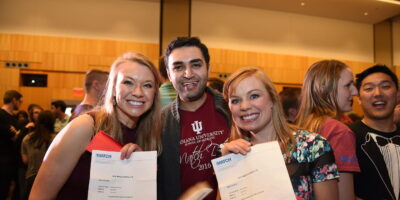
The East Tennessee State University James H. Quillen College of Medicine (ETSU Quillen College of Medicine), located in Johnson City, Tennessee, is a public, state-supported medical school dedicated to training physicians, especially those interested in primary care, for rural and underserved communities. Founded in 1974 on the grounds of the VA Medical Center at Mountain Home, Quillen has more than 2,400 graduates and a strong record in medical education, biomedical research and community engagement. Its mission centers on improving health care in Northeast Tennessee and the surrounding Appalachian region, and its students describe a close, supportive community they call the Quillen Family.
The information below covers the 2026-2027 application cycle for students who plan to start medical school in summer 2027 (the Class of 2031). The AMCAS deadline for this cycle is November 1, 2026, Casper scores from tests taken after December 3, 2026 are not accepted, and all interviews are virtual. In July 2026 Quillen welcomed the largest class in its history, 100 students, after expanding from 78 seats. All facts were checked on October 23, 2026.
You will find the school’s mission, admissions requirements, the TRAILS curriculum, the Rural Primary Care Track, the three-year Tri-TRAILS pathway, 2026-27 costs, class statistics, the current secondary essay prompts with original example responses and strategies to strengthen your application.
Be an Informed Applicant
Many things stand out to every medical school admissions committee: a high GPA, excellent MCAT scores, international healthcare internships and other pre-med experiences and more. But medical school applications are not one-size-fits-all. Each medical school has a distinct institutional identity, selection factors and admissions guidelines. The sections below organize key information and insights about Quillen College of Medicine to help you focus your application and make an impactful case for your candidacy.
However, nothing beats one-on-one guidance. Our medical school admissions consulting team works with students applying to medical schools across the country. Whether you need help with an overall application strategy, your application materials or unique circumstances you can’t find advice about elsewhere, IMA’s admissions consulting can help.
Key Takeaways
- Tennessee residents have preference, but out-of-state applicants are welcome. Quillen gives preference to permanent Tennessee residents, applicants from designated border counties in North Carolina and Virginia, active duty military and honorably discharged veterans. Out-of-state applicants with strong academics and a clear interest in the mission are encouraged to apply. Of the 100 students in the Class of 2030, 79 are from Tennessee.
- Academic context. Accepted students for the 2026 entering class averaged a 512 MCAT and a 3.82 GPA (as of April 27, 2026). For the 2025 entering class, the averages were 509 and 3.77, and the medians for all accepted applicants were a 512 MCAT and a 3.89 GPA. MCAT scores below 497 are not considered competitive.
- Who can apply. You must be a U.S. citizen or permanent resident, have at least 90 semester hours from a regionally accredited U.S. school and submit MCAT scores from the previous three calendar years. No specific courses are required.
- Key dates. Submit AMCAS by November 1, 2026 (Early Decision closes August 1 with decisions by October 1). Return the supplemental application within 14 days of the invitation, take Casper by December 3, 2026 and expect virtual interviews from September through March. Acceptance notices go out from October 1, 2026 through July 16, 2027.
- Costs. The 2026-27 first-year budget lists tuition and fees of $38,900 for Tennessee residents and $49,844 for non-residents, with a total base budget of $75,947 and $86,891.
- Distinctive training. The TRAILS curriculum starts patient contact in the first semester, the required Underserved Medicine Clerkship places every student in rural communities, and the Rural Primary Care Track adds rural precepting across all four years. Quillen ranks No. 2 in the nation for graduates practicing in medically underserved areas and is a Tier 1 school for primary care (U.S. News & World Report, 2025).
- Special routes. Tri-TRAILS (a three-year MD leading to a Quillen residency in family medicine, internal medicine or pediatrics), MD/MPH, MD/MBA, the EQUIP pipeline for rural college students and the Quillen Honors Scholars program for ETSU students.
- Next step. If you are applying this cycle, make sure your AMCAS is in by November 1, schedule Casper early and be ready to explain, with real experiences, why rural and underserved care matters to you.
Key Statistics About ETSU Quillen College of Medicine
The snapshot and table below gather Quillen’s key numbers. Each figure carries its cohort or academic year, because the class profile, the tuition schedule and the match results each cover a different year. The school publishes its entering class statistics on its own site and updates them during the cycle. The newest table is for the 2026 entering class, as of April 27, 2026. The Class of 2030 then entered in July 2026 with 100 students.

| Measure | Value | Cohort, population and source |
|---|---|---|
| School and degree | East Tennessee State University James H. Quillen College of Medicine; Doctor of Medicine (MD) | Quillen Admissions |
| Location | Johnson City, Tennessee; medical campus on the grounds of the VA Medical Center at Mountain Home | Quillen Vets Welcome; Admissions contact |
| School type and founding | Public, state-supported; founded 1974; more than 2,400 graduates | Quillen About Us |
| Accreditation | Liaison Committee on Medical Education (LCME) | Quillen Accreditation page |
| Class size | 100 (79 from Tennessee; 35 admitted through Early Decision) | Class of 2030, entered July 2026 (ETSU News, July 31, 2026) |
| Average MCAT | 512 | Accepted students, 2026 entering class, as of April 27, 2026 (Quillen Statistics of Entering Classes) |
| Average GPA | 3.82 total; 3.76 BCPM; 3.89 all other | Accepted students, 2026 entering class, as of April 27, 2026 (Quillen Statistics of Entering Classes) |
| Average MCAT and GPA, prior year | 509; 3.77 total (3.70 BCPM, 3.86 all other) | Accepted students, 2025 entering class (Quillen Statistics of Entering Classes) |
| Median MCAT | 512 (section medians: 128 Chemical and Physical, 127 CARS, 128 Biological and Biochemical, 129 Psychological and Social) | All accepted applicants, 2025 entering class (AAMC MSAR, 2026 edition) |
| Median GPA | 3.89 total; 3.86 science | All accepted applicants, 2025 entering class (AAMC MSAR, 2026 edition) |
| Total enrollment | 325 medical students | All actively enrolled MD students, October 2025 (AAMC MSAR, 2026 edition) |
| Estimated new entrants | 100 (66 regular MD, 34 Early Decision) | 2026-2027 cycle, class entering in 2027 (AAMC MSAR, 2026 edition) |
| Applications received | 2,929 (613 in-state, 2,316 out-of-state) | 2026 entering class, as of April 27, 2026 (Quillen Statistics of Entering Classes) |
| Interviews completed | 440 (290 in-state, 150 out-of-state) | 2026 entering class, as of April 27, 2026 (Quillen Statistics of Entering Classes) |
| Acceptances offered | 143 (113 in-state, 30 out-of-state) | 2026 entering class, as of April 27, 2026 (Quillen Statistics of Entering Classes) |
| Acceptance rate | Not published by the school; acceptance offers divided by applications were about 4.2% (169 of 4,009) for the 2025 entering class | Quillen Statistics of Entering Classes, 2025 entering class, checked October 23, 2026 |
| Acceptance notices | October 1, 2026 through July 16, 2027; two weeks to respond to an offer | 2026-2027 cycle (AAMC MSAR, 2026 edition) |
| Interview format | Two one-on-one, semi-structured interviews with Admissions Committee members; all virtual | 2026-2027 cycle (AAMC MSAR, 2026 edition) |
| MCAT competitiveness | Scores below 497 are not deemed competitive; scores must be from the previous three calendar years | Quillen Academic Requirements |
| Tuition and fees, first year | $38,900 Tennessee residents; $49,844 non-residents | 2026-27, TRAILS Class of 2030 (Quillen 2026-2027 Estimated Student Budget) |
| Total base budget, first year | $75,947 Tennessee residents; $86,891 non-residents (includes $4,000 health insurance, living costs and loan fees) | 2026-27, TRAILS Class of 2030, 10 months (Quillen 2026-2027 Estimated Student Budget) |
| Average graduate debt | $231,104 for indebted graduates; 89% of students received financial aid | Academic year 2024-2025 (AAMC MSAR, 2026 edition, from the LCME Part I-B questionnaire) |
| Secondary fee | $50; waived for AAMC FAP recipients, active duty military and honorably separated veterans | Quillen Application Information |
| AMCAS deadline | November 1, 2026 (Early Decision: August 1, 2026) | 2026-2027 cycle (Quillen Application Information) |
| 2026 Match | 100% of 88 graduates matched; 41 into primary care | Class of 2026 (ETSU News, March 20, 2026) |
| National recognition | No. 2 for graduates practicing in medically underserved areas; Tier 1 for primary care | U.S. News & World Report 2025 Best Medical Schools (Quillen Admissions) |
For a side-by-side view of how Quillen’s numbers compare with other schools, see our list of the average GPA and MCAT score for every medical school.
Mission and Educational Priorities
Quillen states its mission plainly:
“The primary mission of the Quillen College of Medicine is to educate future physicians, especially those with an interest in primary care, to practice in underserved rural communities. In addition, the College is committed to excellence in biomedical research and is dedicated to the improvement of health care in Northeast Tennessee and the surrounding Appalachian Region.”
This mission reflects ETSU Quillen College of Medicine’s dedication to addressing health care disparities in rural areas by training compassionate and competent physicians. The school places significant emphasis on primary care and encourages students to engage in community service and outreach throughout their medical education. The college defines the primary care physician as “the physician of first and continuing contact, coordinating the entire care of the patient,” and it counts family physicians, general internists, general pediatricians and obstetrician-gynecologists in that group.
The mission is not a slogan. Quillen was created for it. The college opened in 1974 with funds allocated through the Veterans Administration under the Teague-Cranston Act, which created new medical schools to serve medically underserved areas, and the Tennessee legislature overrode a governor’s veto to make it happen. The first class of 24 students graduated in August 1978. Today the college ranks No. 2 in the nation for graduates practicing in medically underserved areas and is a Tier 1 school for primary care, placing it among the top 16 in the country (U.S. News & World Report, 2025). In the 2026 Match, 41 of 88 graduates entered primary care residencies.
The school’s strategic goals add four priorities: a student-centered learning environment, stronger research productivity (especially clinical research), clinical and community service tied to academic values and investment in faculty and staff development. The Office of the Dean also lists goals to excel in medical and biomedical science education, enhance research that improves the health of the region and deliver high-quality, patient-centered care.
What the mission means for applicants
- You do not have to choose primary care. Quillen students “are under no obligation to choose a career in primary care.” The Class of 2026 matched into anesthesiology, dermatology, emergency medicine, orthopaedic surgery, ophthalmology, radiology and other fields. Still, a credible interest in serving rural or underserved patients helps you fit the school’s purpose.
- Show, do not tell. The admissions committee values “clinically related experience demonstrating motivation for the study and practice of medicine” and says experience “should be varied as well as extensive.” Concrete rural, underserved or community health work speaks louder than a statement that you like small towns.
- Regional ties count. Preference goes to Tennessee residents, qualifying border-county applicants and veterans. If you are from Appalachia or plan to practice there, say so and explain why.
- Service and humility matter. The “Quillen Physician” is described as a skilled clinician, compassionate physician, servant leader, effective collaborator and lifelong learner. Your experiences should give evidence for several of these.
If you are still building that evidence, clinical internships for pre-med students in underserved settings can give you real patient contact to reflect on in your application.
Accreditation and Institutional Identity
ETSU Quillen College of Medicine is accredited by the Liaison Committee on Medical Education (LCME), the nationally recognized accrediting authority for medical education programs leading to the MD degree in U.S. and Canadian medical schools. The LCME is sponsored by the Association of American Medical Colleges and the American Medical Association. Under Dean William A. Block, the college completed a successful LCME accreditation process and modernized its student curriculum.
A few points of identity are worth getting straight before you apply:
- The degree is an MD. Quillen is an allopathic medical school. East Tennessee also has osteopathic schools, but they are separate institutions with separate applications.
- Quillen is part of ETSU’s academic health sciences center. Along with the College of Nursing, College of Health Sciences, Bill Gatton College of Pharmacy and College of Public Health, the medical school forms the university’s health sciences center. This matters for dual degrees, interprofessional education and research collaboration.
- The campus is on VA grounds. The medical campus, including Stanton-Gerber Hall, sits on the grounds of the VA Medical Center at Mountain Home in Johnson City. The college still provides care for veterans and actively welcomes veteran applicants.
- There is one MD campus. Clinical training spreads across hospitals and clinics in the Tri-Cities region (Johnson City, Kingsport and Bristol) and rural partner communities, but there is no separate regional MD campus with its own admissions.
- The school is named for Congressman James H. Quillen, whose support was central to winning the federal legislation that made the school possible.
Accreditation tells you the school meets national standards. It is not a ranking, and it does not guarantee any individual outcome. What makes Quillen distinctive is how it uses those standards to train physicians for the region.
Medical Programs and Affiliations
Quillen offers a four-year MD, a three-year accelerated MD, two dual degrees and a separate PhD in Biomedical Science. Several of these pathways have their own applications, and some are open only after you have been accepted to the MD program.
Doctor of Medicine (MD) Program
The Doctor of Medicine (MD) program at ETSU Quillen College of Medicine is a four-year program designed to help students gain the knowledge, attitudes, skills and practice principles required to enter residency training, while encouraging lifelong learning. It is built to produce physicians who are well versed in medical sciences and deeply committed to serving rural and underserved populations.
The Medical Student Education Committee has developed Institutional Educational Objectives (IEO) that cover patient care, knowledge for practice, practice-based learning and improvement, interpersonal and communication skills, professionalism, systems-based practice, interprofessional collaboration and personal and professional development. The first 18 months, the pre-clerkship phase, focus on foundational science and its clinical relevance while introducing early clinical skills. The clinical phase applies that foundation to patient care.
Key features
- Integrated curriculum combining foundational sciences with clinical exposure.
- Early patient contact beginning in the first semester.
- Rural Primary Care Track (RPCT): optional specialized training for rural and underserved health care.
- A required Underserved Medicine Clerkship for every third-year student.
- Focus on professionalism, interprofessional collaboration and personal development.
Accelerated 3-Year MD Program (Tri-TRAILS)
Tri-TRAILS is Quillen’s three-year curriculum leading to the MD. It is a directed pathway that lets students finish medical school in less time and at lower cost, with a planned route into one of five Quillen residency programs: Internal Medicine, Pediatrics, Family Medicine Bristol, Family Medicine Johnson City and Family Medicine Kingsport.
Students follow the first three years of the TRAILS curriculum alongside students in the four-year program. They add eight weeks of clinical experiences between the first and second years and complete their pre-clerkship preceptor experience with faculty in their chosen residency program. After the required third-year clerkships, they take USMLE Step 2 CK, complete the Keystone experience and a required sub-internship and ICU experience, and finish all graduation requirements before the end of May of year three. They begin residency in July.
Key features
- A maximum of eleven students each year: six planning to enter family medicine, three internal medicine and two pediatrics.
- A separate application and interview after you are accepted to Quillen. Selected students start medical school at the same time as everyone else.
- You still enter the NRMP Match and can rank any program, but you are positioned to match in your chosen Quillen program.
- You may opt out during the second or third year and return to the four-year curriculum.
- A failing grade in a course or clerkship, or a failed USMLE exam, ends participation in the accelerated track.
- Tri-TRAILS assesses a 15% service charge in the second and third years to cover fee administration for three years of continuous enrollment.
Tri-TRAILS is best suited to highly motivated students who have already chosen family medicine, internal medicine or pediatrics. The program is directed by Amanda Stoltz, MD, FAAFP, Assistant Dean for Student Affairs.
Combined Degree Programs
Quillen’s combined degrees let students integrate medical education with public health or business. In both cases you must first be accepted to the MD program and receive authorization from the Quillen Admissions Office before applying through the ETSU School of Graduate Studies, and you must choose the combined program application, not the standalone master’s.
MD/MPH (Master of Public Health)
- A four- or five-year dual degree with the ETSU College of Public Health. You can finish the MPH within the four years of medical school or take one year off from the MD.
- Concentrations in biostatistics, community health, epidemiology and public health leadership and policy.
- Program application deadlines: July 1 for fall and December 1 for spring.
- A good fit for students who want to address population health, health disparities and community health initiatives alongside clinical practice.
MD/MBA (Master of Business Administration)
- A four-year dual degree with ETSU’s College of Business and Technology, completed in a two-year or three-year cohort option.
- You may start the MBA in the fall or spring of your first, second or third year of medical school.
- Students without an undergraduate business degree complete a self-guided online module program first.
- Prepares graduates for leadership roles in health care administration, policy or innovation.
Both programs emphasize interdisciplinary learning and expand career options at the intersection of medicine, public health and business.
PhD in Biomedical Science
Quillen also runs a PhD in Biomedical Science with five concentrations: cardiovascular sciences; cellular, molecular and chemical biology; immunology, inflammation and infectious diseases; neuroscience; and pharmaceutical sciences. This is a separate graduate program with its own admissions, not a combined MD/PhD track.
Specialized and Rural Programs
ETSU Quillen College of Medicine is deeply committed to preparing future physicians for the unique challenges of rural and underserved health care. Its Rural and Community Programs office runs opportunities from high school through medical school:
- Rural Primary Care Track (RPCT): a small-cohort track embedded in the four-year curriculum (described in detail under Clinical Rotations).
- EQUIP (Extending Quillen to the Underserved through an Integrated Program): a pipeline that identifies and mentors college students from rural and underserved communities in Tennessee, Southwest Virginia and Western North Carolina who want to become primary care physicians. Participants must be able to take part for at least 2.5 years before medical school and meet minimum GPA criteria (3.4 beyond the first year of college). They receive mentoring from an RPCT medical student and complete a four-week Appalachian Preceptorship, with three weeks in a rural community working alongside a physician. Students who complete every component, log at least 100 hours of physician shadowing or similar activity and reach a 3.4 GPA and 498 MCAT are granted an interview. There is no cost to participate.
- Rural High School Careers Fair and Rural High School Medical Camp: introduce rural high school students to medicine.
- College summer programs: a summer program in rural research and another for community involvement and physician shadowing.
Other early pathways include the Quillen Honors Scholars program, established in 2022, which guarantees admission to Quillen for five selected ETSU students upon graduation and provides scholarships and learning experiences. The first Honors Scholars entered with the Class of 2030. The Center for Experiential Learning also offers a summer internship for four to five college sophomores or above interested in medical education. If you are a high school student drawn to early pathways like these, medical internships for high school students can also help you test your interest in medicine.
Residency and Fellowship Programs
ETSU Quillen College of Medicine sponsors more than 15 residency and fellowship programs. These programs emphasize hands-on clinical experience, mentorship from experienced faculty and service to rural populations, and they give medical students daily contact with residents in teaching settings.
Residency programs: Family Medicine Bristol, Family Medicine Johnson City, Family Medicine Kingsport, General Surgery, Internal Medicine, Obstetrics and Gynecology, Orthopaedic Surgery, Pathology, Pediatrics and Psychiatry.
Fellowship programs: Addiction Medicine, Cardiovascular Disease, Gastroenterology, Infectious Diseases, Medical Oncology, Pulmonary/Critical Care, SEAL Global Surgery, Child and Adolescent Psychiatry, Global Primary Care and Rural Maternal Child Care.
In the 2026 Match, 14 Quillen graduates matched with ETSU Health programs, including family medicine, general surgery, internal medicine, OB/GYN, pediatrics and psychiatry.
Research and Institutional Affiliations
Research is a central part of Quillen’s mission. Faculty, staff and students study the biological foundations of medical and psychiatric disorders that affect the region, with a focus on the cardiovascular, immune and nervous systems. The college highlights partnerships with St. Jude Children’s Research Hospital and the Vanderbilt-Ingram Cancer Center Network, and it serves as an HIV/AIDS Center for Excellence. A St. Jude Affiliate Clinic operates at Niswonger Children’s Hospital in Johnson City.
Key research affiliations
- St. Jude Children’s Research Hospital: pediatric and oncology care through the St. Jude Affiliate Clinic at Niswonger Children’s Hospital.
- Vanderbilt-Ingram Cancer Center Network: cancer care and clinical research collaboration.
Taken together, the traditional MD, the accelerated track, dual degrees, rural programs, residencies and research affiliations reflect the college’s focus on serving underserved and rural communities while advancing medical science.
Curriculum Overview
Quillen’s curriculum is called TRAILS: the Team-based Rural Applied Integrated Learning System. It integrates basic and clinical sciences, offers early clinical experiences, uses interprofessional training and simulation and includes multiple service learning and community outreach opportunities. Courses are delivered in learning environments that engage faculty and students in the active application of knowledge, which is why the secondary application asks about peer co-learning.
Vision of the Quillen Physician
Graduates of the ETSU Quillen College of Medicine are expected to be:
- Skilled clinicians with excellent clinical and diagnostic skills who apply critical thinking and evidence-based principles.
- Compassionate physicians who use patient-centered principles and shared decision-making to guide patients through the health care system.
- Servant leaders who put the well-being of colleagues and patients first and advocate for those disadvantaged by the current system.
- Effective collaborators who work well in interprofessional teams and respect the contributions of every team member.
- Lifelong learners who keep learning and critically evaluate new information.
Guiding Principles of the Quillen MD Curriculum
The Quillen curriculum is grounded in principles that keep it patient-centered, inclusive and inquiry-driven while promoting professional growth and interprofessional collaboration:
- Patient-centered: focused on improving patient care, considering social and cultural contexts.
- Aligned with mission: emphasizes interprofessional primary care, rural and underserved patients and improving care in the region.
- Inclusive: seeks to reduce bias and promote health equity for all.
- Application-focused: engages students and faculty in the active practice of skills central to patient care.
- Inquiry-driven: equips students to think critically and make evidence-based decisions.
- Integrated: combines information from all disciplines throughout every phase of training.
- Personal and professional growth: develops well-rounded clinicians beyond the traditional classroom.
- Continuous improvement: regularly reviewed to give students the best possible outcomes.
- Planned assessment: formative and summative feedback as students advance toward competence.
Pre-Clerkship Phase
The pre-clerkship phase lasts 17 months (three semesters) and focuses on basic science and foundational clinical science through integrated organ systems-based courses. Clinical experience begins in the first year. Students get nine weeks of summer vacation between the first and second years and six weeks of USMLE Step 1 study time in the spring of the second year.
First semester (fall, M1)
- EQUAL Professional Immersion (2 weeks): EQUAL stands for Experiencing Quillen, Underserved in Appalachia, and Learning communities. It introduces students to Quillen, the underserved patients and communities of Appalachia and each student’s Learning Community.
- Foundations of Medical Knowledge 1 (8 weeks): the fundamental principles, core concepts and vocabulary of the basic science disciplines, connecting molecular and cellular processes to health and disease.
- Foundations of Medical Knowledge 2 (5 weeks): gross anatomy through cadaveric dissection and prosection, embryology and histology, with clinical correlations and diagnostic imaging.
- Immunology and Hematology (6 weeks): immune and blood disorders, infectious disease responses and malignancies, with practice interpreting laboratory data.
- Doctoring TRAILS 1 (19 weeks): physical examination, patient communication, medical ethics, cultural humility, systems-based practice, patient safety and quality improvement.
Second semester (spring, M1)
- Cardiovascular, Pulmonary and Renal (14 weeks): the heart, lungs and kidneys, individually and together.
- Gastrointestinal System and Nutrition (5 weeks): physiology, pathophysiology and pharmacology of the GI system and the role of nutrition.
- Doctoring TRAILS 2 (19 weeks): advanced interviewing and examination with real, standardized and simulated patients; differential diagnosis; documentation and case presentation; the impact of trauma and health disparities.
Third semester (fall, M2)
- Brain, Body and Behavior (13 weeks): nervous system, clinical psychiatry, musculoskeletal and integumentary systems.
- Endocrinology and Reproduction (6 weeks): endocrine function and disease and male and female reproductive function.
- Doctoring TRAILS 3 (19 weeks): integration and application of pathophysiology through the cardinal manifestations of disease.
Clinical Phase
The clinical phase includes a 12-month core clerkship year and a 14-month senior year focused on advanced training and electives.
Clerkship year (12 months)
- BRIDGE to Clinical Clerkships: two weeks in the 2026-27 clinical schedule (three weeks in 2025-26), preparing students to move from the classroom to clinical settings.
- Required core clerkships (48 weeks): emergency medicine, family medicine, internal medicine, obstetrics and gynecology, pediatrics, psychiatry, surgery and underserved medicine.
- Two weeks of elective time.
- Foundational Science in Clinical Medicine: a longitudinal course that meets every other week during the clerkship year.
Senior year (14 months)
- Required selectives: four weeks of ambulatory care, two weeks of critical care and a four-week inpatient sub-internship.
- Electives: 28 weeks, including 14 weeks of direct patient care.
- Flexible time: 14 weeks.
- Summative OSCE and a four-week Keystone Course that prepares students for graduation and residency.
- Graduation in early May.
Simulation and experiential learning
Quillen’s Experiential Learning Teams run the Human Patient Simulation Lab and the Standardized Patient Program, which support clinical skills, communication and team-based care for medical students, residents and other learners. Students practice skills in a safe, realistic environment before they enter clinical settings. The college also highlights a state-of-the-art surgery simulation lab.
The curriculum at ETSU Quillen College of Medicine represents a thoughtful and comprehensive approach to medical education. Through the TRAILS framework, students gain a deep understanding of medical science while building early clinical engagement and interprofessional collaboration, so graduates can meet the evolving needs of patients and communities with competence and empathy.
Admissions Requirements and Application Process
The admissions process at ETSU Quillen College of Medicine is structured to identify students who show the academic ability, personal qualities and professional potential to become skilled, compassionate and community-focused physicians. Quillen participates in the American Medical College Application Service (AMCAS) and uses holistic review, weighing academic metrics alongside personal experiences and alignment with the mission. The Admissions Committee has total authority over admissions policies, processes and decisions, with “no outside influences.”
Eligibility and academic requirements
- Coursework: a minimum of 90 semester hours from a regionally accredited U.S. community college, college or university.
- MCAT: officially reported scores from the previous three calendar years. Scores from an MCAT taken after the application deadline are not considered, and applications with MCAT scores below 497 are not deemed competitive.
- Casper: officially reported Acuity Insights Casper scores. No applicant progresses to the interview stage without them.
- Citizenship: U.S. citizenship or a U.S. permanent resident visa. International, Canadian and DACA applicants are not accepted.
- GPA: there is no minimum GPA screen. If your undergraduate GPA is lower, postbaccalaureate or graduate coursework is considered, and there should be enough of it to show increasing ability in higher-level courses.
- AMCAS: a current AMCAS application submitted by the deadline. Use your full name, including your full middle name.
Recommended coursework
Quillen welcomes applications from excellent students regardless of major or course of study, and it does not require specific prerequisite courses. It highly recommends (but does not require) biochemistry, communications, general biology, general chemistry, organic chemistry, anatomy, physics, psychology, rhetoric or logic and sociology. Competitive MCAT performance requires preparation in the behavioral and social sciences, general biology, general and organic chemistry, biochemistry, algebraic and trigonometric quantitative skills and physical science. The committee also looks for a broad foundation in the behavioral and social sciences, humanities, literature and the fine arts. Advanced placement, CLEP and other nontraditional credit awarded by a regionally accredited college is honored.
For a broader view of typical medical school coursework, see Pre-Med Requirements: Everything You Need to Know.
Selection criteria
The Admissions Committee evaluates “demonstrated academic achievement, scores earned on the MCAT, letters of recommendation, pertinent extracurricular experiences, evidence of non-scholastic accomplishment, and clinically related experience demonstrating motivation for the study and practice of medicine.” It looks for integrity, willingness and ability to assume responsibility, high scholastic achievement, maturity, intellectual curiosity and sound motivation. It also values altruism, community service, leadership and activities that reflect an understanding of human behavior, ethics and cultural awareness.
- Academic achievement: strong undergraduate GPA and MCAT scores, plus the strength of your curriculum.
- Interpersonal skills: effective communication, cultural awareness and teamwork.
- Clinical and community engagement: direct health care experience and service to underserved populations.
- Altruism and leadership: a demonstrated commitment to helping others and the ability to lead.
The personal comments section of AMCAS is where each applicant can stand out “by expressing what ‘special qualifications’ they possess.” Take that seriously.
Residency, border counties and veterans
Quillen is state-supported, and preference goes to applicants who permanently reside in Tennessee. Residency is determined at the time of application under Tennessee Board of Regents guidelines.
- Border counties: students from Ashe, Avery, Haywood, Madison, Mitchell, Watauga and Yancey counties in North Carolina and from Bristol City, Grayson, Lee, Scott and Washington counties in Virginia who received the Tennessee in-state fee as ETSU undergraduate or graduate students and earned an ETSU degree are considered Tennesseans for admissions and tuition at the medical school. Notify the admissions office at the time of application.
- Military and veterans: Quillen gives preference to active duty military personnel and honorably discharged veterans. The Tennessee Veterans Support Act also lets the college classify honorably separated veterans for in-state tuition. Nine military-affiliated students entered with the Class of 2030.
- Out-of-state applicants: those who show strong academic ability and a strong interest in the mission or commitment to serving the region are encouraged to apply.
Technical Standards for Admission
Like every LCME-accredited school, Quillen requires candidates to meet technical standards for medical education with or without reasonable accommodation. Applicants should be able to gather information through observation, communicate effectively with patients and colleagues, perform the motor tasks of diagnosis and basic patient care, analyze and apply information, and show professionalism, emotional resilience and adaptability. Review the current technical standards in the Quillen catalog before you apply, and contact the school early if you expect to need accommodation.
Key Steps in the Admissions Process
- AMCAS application: the standard application period runs June 1 to November 1 of the year before admission. Your application and all required materials must be received by AMCAS by November 1.
- Initial screening: after AMCAS verifies your application, the committee determines residency and reviews academic preparation and MCAT scores. Competitive applicants receive an email with instructions for supplemental information. Others receive an email that the application has been terminated.
- Supplemental (secondary) application: selected applicants get a web link to the forms. You pay a $50 fee (waived for FAP recipients, active duty military and honorably separated veterans), provide additional personal information and essays and arrange letters. The supplemental application must be completed within 14 days of the request.
- Casper: all applicants who reach the secondary stage must take Casper and report scores. Expect about four weeks for score reporting, and note that scores from tests after December 3, 2026 are not accepted. You will not be considered for an interview until scores arrive.
- Screening for interview: the committee reviews the complete file again and emails interview invitations. The first invitations go out in mid-to-late August. All evaluations and scores must be in by January 15, 2027 to be considered.
- Interview: virtual interviews run from September through March or as long as needed. Each interview day consists of two one-on-one, semi-structured interviews with members of the Admissions Committee.
- Committee review and decision: after interviews, the committee usually takes one of three actions: acceptance, termination or hold for further consideration. Acceptance notices go out from October 1, 2026 through July 16, 2027.
Letters of evaluation
Quillen recommends a pre-professional committee evaluation from your school if one is available, but it no longer requires one. Without a committee evaluation, provide at least three evaluations from faculty members, advisors or others who know you well as a student and as a person. Letters that speak to academic ability (especially in the sciences), leadership, problem solving, altruism, communication or teamwork are most valuable. Employer evaluations may also be submitted. Additional letters, such as from an employer, mentor or physician, should be kept to a minimum and should add information not found elsewhere in your file. Quillen accepts up to 10 letters, including committee letters, letter packets and individual letters. Quillen uses AMCAS Letters, so assign your letters to Quillen in the AMCAS Medical Schools tab once you receive the supplemental request. Our guide to recommendation letters can help you approach letter writers.
Early Decision Program
Quillen participates in the AMCAS Early Decision Program (EDP). The EDP application period is June 1 to August 1, and applicants are notified by October 1. EDP applicants agree to apply to no other medical school before Quillen’s October 1 decision. Applicants who are not accepted early may be deferred to the regular pool or have their consideration terminated. Early decision and regular applicants are held to the same high standards, and EDP applicants are not given preference. Even so, EDP is a real route here: a record 35 students in the Class of 2030 were admitted through it, up from 20 Early Decision matriculants (19 of them Tennessee residents) in the 2025 entering class. For the class entering in 2027, Quillen expects about 34 of its estimated 100 new students to come through Early Decision. Early Decision is also the preferred route for EQUIP students seeking the program’s guaranteed interview.
Decisions, hold list, deposit and deferral
- Acceptance offers are decided by the committee and sent over the Dean’s signature.
- Response time: 14 days or in compliance with AAMC recommendations. Quillen follows the AAMC Application and Acceptance Protocols and uses the Choose Your Medical School tool. Accepted applicants must select Commit to Enroll no later than 38 days before the first day of orientation and confirm that they have withdrawn every other MD, DO and Texas medical school application. Missing that step can cost you the seat.
- Letters of intent and updates: Quillen accepts letters of intent, letters of interest and notices of significant updates, sent to the admissions office at [email protected].
- Active Hold List: applicants who are neither accepted nor terminated may be placed on hold and ranked by the committee’s score. Those on hold are later accepted or terminated, with prompt notification.
- No class deposit: Quillen no longer requires a deposit to hold your place.
- Criminal background check: all accepted applicants complete the AMCAS Criminal Background Investigation, and acceptances depend on a favorable result.
- Deferred entrance: accepted applicants may request a one-year deferral by letter to the Admissions Committee, received by June 1. Deferred students reapply through AMCAS as deferred matriculants by August 1 and agree not to seek admission elsewhere.
- Reconsideration: the committee does not reconsider decisions unless significant new information comes to light, and such requests are rarely granted.
Transfer applications
Transfer positions are extremely rare. On a space-available basis, Quillen may accept qualified students from LCME-accredited schools in good standing, with preference for Tennessee residents who are U.S. citizens and for veterans. Applicants must meet all first-year requirements and report USMLE Step 1 when available, and they must complete at least the last two full years at ETSU to earn the MD. Contact the admissions office about availability.
2026-2027 application timeline
| Step | Date or timing | Notes |
|---|---|---|
| AMCAS opens | June 1, 2026 (standard period June 1 to November 1) | Submit early; screening begins after AMCAS verification |
| Early Decision deadline | August 1, 2026 | Apply to no other school before October 1 |
| Supplemental application | Due within 14 days of the email request | $50 fee, waivers available |
| First interview invitations | Mid-to-late August 2026 | Sent by email after file review |
| Interviews | September 2026 through March 2027 | All virtual; two one-on-one interviews |
| Latest MCAT considered | September 12, 2026 | Scores from January 2023 onward are considered |
| Early Decision notification | By October 1, 2026 | Not accepted: deferred to regular pool or terminated |
| Acceptance notices | October 1, 2026 through July 16, 2027 | Offers continue through the spring and summer |
| AMCAS deadline | November 1, 2026 | Application and all materials received by AMCAS |
| Last Casper test date accepted | December 3, 2026 | Allow about four weeks for score reporting |
| All evaluations and scores received | January 15, 2027 | Final date for letters and scores to be considered |
| Response to an offer | 14 days, or as AAMC recommends | No deposit required |
| Deferral request deadline | June 1, 2027 | For accepted applicants with compelling reasons |
| Prerequisite coursework completed | June 2027 | Latest date to finish coursework |
| Classes begin | July 19, 2027 | Class of 2031 |
For a step-by-step walk through the primary application, see our AMCAS application guide. If you have questions about Casper or Duet requirements across schools, read Do You Need Casper or Duet? Read This Before You Apply and our list of medical schools that require Casper. At Quillen, Casper is the required Acuity Insights test.
Applying to ETSU Quillen College of Medicine is a rigorous but rewarding process for those dedicated to serving the health care needs of rural and underserved communities. Prepare comprehensively, show your experiences honestly and connect them to Quillen’s goals.
Tuition, Cost of Attendance and Financial Aid
Quillen’s Office of Financial Services publishes an annual student budget that combines tuition and fees with estimated living costs. The 2026-2027 budget is the current one. Tuition and fees are subject to change by the ETSU Board of Trustees.
2026-2027 first-year budget (TRAILS Class of 2030)
| Item | Tennessee resident | Non-resident |
|---|---|---|
| Total tuition and fees (COM maintenance fee $36,480, program service fees $2,372, disability insurance $48; non-residents also pay out-of-state tuition) | $38,900 | $49,844 |
| Health insurance | $4,000 | $4,000 |
| Books, supplies, microscope lab fee and diagnostic equipment | $2,533 | $2,533 |
| Transportation and miscellaneous | $8,284 | $8,284 |
| Rent, food and household items, utilities and phone | $21,789 | $21,789 |
| Estimated federal loan fees | $441 | $441 |
| Total base budget (10 months, July 20, 2026 to May 21, 2027) | $75,947 | $86,891 |
The budget assumes full-time enrollment. Later years are longer and cost more: the 2026-27 total base budget is $79,638 in-state and $91,045 out-of-state for second-year students (TRAILS 2029, 11 months), $83,231 and $94,638 for third-year students (TRAILS 2028, 12 months, including extra transportation for Sevierville rotations) and $75,120 and $86,527 for fourth-year students (TRAILS 2027, 10 months, including away rotations and the Keystone online course). Tuition and fees are the same $38,900 and $49,844 in each year. Dependent child care expenses can be added with documentation.
Tri-TRAILS costs. The three-year track has its own budget. For 2026-27, tuition and fees are $38,900 in-state and $49,844 out-of-state in the first year and $44,728 and $57,314 in the second and third years, which reflects the 15% service charge. Total base budgets run from $79,012 to $102,192 depending on year and residency. Even with the service charge, finishing a year early removes a full year of tuition and living costs.
Health insurance is listed at $4,000 in the 2026-27 budget.
Financial Aid Options
At Quillen, admissions and financial aid are independent. Your need for aid has no bearing on selection, but an offer of admission does not guarantee aid, and you must apply separately. Specific financial information is also shared during the virtual information session before your interview.
Most students borrow or receive aid: 89% of Quillen students received financial aid in 2024-25, and graduates with medical school debt that year owed an average of $231,104. Plan your borrowing early, and treat scholarships and service programs as ways to bring that figure down.
Federal loans
- Direct Unsubsidized Loans: 8.07% for 2026-27 (July 1, 2026 to June 30, 2027).
- Grad PLUS Loans: 9.07% for 2026-27, covering remaining costs after other aid.
- Complete the 2026-2027 FAFSA, which is required for need-based scholarships.
Service-commitment scholarships
- National Health Service Corps (NHSC) Scholarship: pays tuition, fees and other costs plus a living stipend in return for at least two years at an NHSC-approved site in an underserved community. The scholarship accepts applications once a year.
- Armed Forces Health Professions Scholarship Program (HPSP): Air Force, Army and Navy programs cover tuition and some fees, a sign-on bonus and a monthly stipend in exchange for active duty service. Start the process no later than January.
- Indian Health Service Scholarships: for Native American students, with a service year for each year of support.
- Hospital contracts: some hospitals pay for medical education in return for service.
Veterans: the ETSU Military Affiliated Student (MAS) Scholarship can help veterans who are not receiving other ETSU scholarships and have exhausted GI Bill benefits.
Financial Aid Counseling
The Office of Financial Services provides resources and guidance on financial planning, loan repayment strategies and budgeting. It points students to the AAMC Medloans Organizer and Calculator to track loans and plan repayment, warns students about student loan scams and follows the NASFAA Code of Conduct. Financing medical education is a significant concern for many students, and the office is the place to start.
Scholarships and Financial Aid at ETSU Quillen College of Medicine
Quillen supports students through a long list of institutional scholarships. These recognize academic excellence, financial need, leadership, regional ties and alignment with the mission.
Institutional Scholarship Application Process
To be considered for need-based scholarships, complete the FAFSA for the relevant academic year and submit one Institutional Scholarship Application per year. The 2026-2027 application is open. Eligibility is determined by the FAFSA needs analysis, donor criteria and federal regulations, and unless noted, recipients are chosen by the Financial Aid/Scholarship Committee. Award amounts depend on available funding.
Key Scholarships
- Welsford P. and Ethel C. Artz Scholarship: first-year students with documented financial need, preference for Washington County or Tennessee residents; renewable for four years.
- Steven L. and Shirley H. Berk Scholarship: entering students with a GPA of 3.5 or higher and financial need; renewable for four years.
- Bieber Scholarship: first-year or current students who have overcome personal adversity, with a preference for interest in research.
- Bridgforth Family International Healthcare Scholarship: students interested in delivering health care in underserved developing countries.
- Guy Steven Bucy, MD Family Scholarship: first-generation college students.
Scholarships for Specific Interests and Backgrounds
- Drs. David and Jenny Marion Byrd Scholarship: third- or fourth-year students planning a career in family medicine with financial need.
- Reuhland-Cummings Medical Scholarship: preference for students from Cannon County or Middle Tennessee; may support short-term, unexpected financial need.
- Dr. Mary Castillo Memorial Scholarship: students with an interest in Christian medical missions; requires a 500 to 700 word essay on mission involvement.
- Ruth C. Peeler Scholarship: third- or fourth-year students interested in OB/GYN, oncology, cardiology or internal medicine, with a focus on women’s health and disparities.
Merit-Based and Regional Scholarships
- ETSU College of Medicine Scholarship: entering first-year Tennessee residents who are first-generation college students with financial need.
- First Bank & Trust Scholarship: leadership and integrity, with preference for students planning to stay in the region.
- Bertha B. Votaw Scholarship: preference for first-year students with strong potential.
- Quillen Medicine Scholars: preference for students from Tennessee’s First Congressional District.
- County scholarships such as the Dr. L. C. Cox (Sullivan County, TN or Scott County, VA), Wallace (Hamblen County) and Quillen Class of 2021 / Wendell Burnette (Sevier County) scholarships.
Veterans and Military Scholarships
- Quillen College of Medicine Veterans Scholarship: rising third- or fourth-year students who are veterans.
- Quillen Class of 2001 Scholarship Endowment in Memory of Mark Summers, M.D.: second-year students, with preference for military service or Southwest Virginia ties.
- Dr. Thomas E. Kwasigroch and Edwin “Doug” Taylor scholarships: preferences that include military veterans and first-generation students.
Scholarships for Career-Specific Goals
- Walsh-Fudge Family Scholarship: fourth-year Tennessee residents planning a career in family medicine.
- Priester-Sloan Family Scholarship: rising third- or fourth-year students interested in rural primary care in Appalachia.
- Mary Jane Gibson-Valk, M.D. Scholarship: students pursuing primary care who plan to practice in East Tennessee.
- D.P. Culp Scholarship: preference for first-year students interested in family medicine or primary care.
Additional Information
Some scholarships require extra documentation or essays. The Dr. Mary Castillo Memorial Scholarship essay goes to the COM Office of Financial Services. Renewal usually depends on satisfactory academic progress and available funding.
How to Apply
Students can access the 2026-2027 Institutional Scholarship Application through the Office of Financial Services. For questions, contact the office directly. Apply early, keep deadlines in mind and maintain strong academic performance to stay eligible for renewable awards.
Campus Facilities and Student Life
ETSU Quillen College of Medicine offers a close-knit campus environment that supports academic excellence and personal growth. The college highlights a 2:1 student-to-faculty ratio and one of the smallest class sizes in the nation, even after expanding to 100 seats.
Campus Snapshot
- VA campus: the medical school’s home is on the grounds of the VA Medical Center at Mountain Home, where an inscription records Abraham Lincoln’s words, “to care for him who shall have borne the battle.” The admissions office is in Stanton-Gerber Hall.
- Main ETSU campus: less than two miles from downtown Johnson City, with university libraries, recreation facilities and student services available to medical students.
- Technology: students use ETSU systems such as GoldLink for university services and D2L for coursework.
- Enrollment: 325 medical students were enrolled as of October 2025, before the class expanded to 100 seats.
- Housing: campus apartments and dorm-style housing are available near the college, and off-campus apartments, rental homes and shared housing are plentiful in nearby communities.
- Transportation: a driver’s license and your own vehicle are strongly recommended, because clinical sites are off campus, especially in the clinical years.
Unique Facilities
- Sherrod Library: ETSU’s central library for study and research on the main campus, alongside the medical library and learning resources on the VA campus.
- Stanton-Gerber Hall Basic Sciences Building: home to labs, classrooms and the admissions office.
- Center for Physical Activity: the campus recreation center, which also rents bikes, kayaks and camping gear and runs outdoor trips.
- Jerry Robertson BUCSPORTS Athletic Medicine Center: supports the health and performance of ETSU athletes.
- Human Patient Simulation Lab and Standardized Patient Program: hands-on clinical skills practice before patient care.
Student Organizations and Leadership Opportunities
Medical students take part in interest groups, service events and learning communities. Examples tied directly to the medical school include:
- Learning Communities: every student is placed in a Learning Community during the EQUAL Professional Immersion.
- Military Medicine Interest Group (MMIG): supports veterans, HPSP students and anyone interested in military medicine, and partners with the Mountain Home VA Medical Center.
- Rural Primary Care Track cohort: RPCT students volunteer at health screenings and community events and mentor college students in EQUIP.
- Community health events: every student joins a health fair in a rural partner community during the Underserved Medicine Clerkship.
These groups build leadership skills and connect students with peers and professional networks.
Student Support and Wellness
The Office of Student Affairs manages admissions, records, financial aid and student services. It offers academic and career advising, leadership and professional development programming and a focus on student wellness to support healthy relationships and transitions throughout medical school. Students also have an incoming student orientation and a calendar of student events.
Modernization and New Developments
ETSU continues to invest in the medical school. The class expanded from 78 to 100 students in 2026, the curriculum has been modernized under the current dean, and the college has added a state-of-the-art surgery simulation lab.
A Vibrant Community in the Tri-Cities
The Quillen College of Medicine sits in the heart of the Tri-Cities region of Johnson City, Kingsport and Bristol, a balanced mix of small-city amenities and mountain landscapes. Downtown Johnson City hosts more than 150 events a year. More than 100 miles of the Appalachian Trail run nearby along the Tennessee and North Carolina border, and Boone and Watauga lakes, the Cherokee and Pisgah National Forests, the Blue Ridge Parkway and Great Smoky Mountains National Park are within a short drive. Asheville in North Carolina and historic Jonesborough are close by, and ETSU students receive discounts at Dollywood. For many students, the outdoors is a large part of staying well during medical school.
Clinical Rotations and Research Opportunities
Quillen provides a broad clinical phase in which students gain hands-on experience in diverse medical environments. Rather than relying on one teaching hospital, Quillen trains students across the Tri-Cities region and rural partner communities, with access to more than 3,000 patient beds in affiliated hospitals. Patient contact begins in the first semester.
Affiliated hospitals and clinics
Major teaching hospitals and affiliates include:
- Johnson City Medical Center: one of six Level 1 trauma centers in Tennessee and a major referral center.
- Niswonger Children’s Hospital: the region’s only children’s hospital, home to the St. Jude Affiliate Clinic.
- James H. Quillen VA Medical Center (Mountain Home): serves more than 170,000 veterans in a 41-county area of Tennessee, Virginia and Kentucky.
- Holston Valley Medical Center (Kingsport) and Bristol Regional Medical Center (Bristol).
- Woodridge Hospital: an 84-bed mental health and chemical dependency hospital and a primary teaching site for the Department of Psychiatry and Behavioral Sciences.
- Franklin Woods Community Hospital, Indian Path Medical Center, Johnson County Community Hospital, Hawkins County Hospital and LeConte Medical Center (Sevierville).
Clinical Rotations Overview
Clinical rotations at Quillen are divided into core clerkships, electives and senior rotations. Students start with BRIDGE to Clinical Clerkships, then complete 48 weeks of core clerkships in emergency medicine, family medicine, internal medicine, obstetrics and gynecology, pediatrics, psychiatry, surgery and underserved medicine, with the Foundational Science in Clinical Medicine course running alongside. Third-year budgets include extra transportation for rotations in Sevierville, so expect some travel. In the senior year, students complete required selectives in ambulatory care, critical care and an inpatient sub-internship, along with 28 weeks of electives and time for away rotations. These rotations prepare students for the residency Match and give flexibility to shape learning around career goals.
The Underserved Medicine Clerkship
Every third-year student completes a five-week Underserved Medicine Clerkship designed to immerse students in underserved rural communities. Students care for patients experiencing health care disparities and study social determinants of health through didactics, patient needs assessments, resource assessments and standardized tools for detailed social histories. The clerkship ends with a case presentation about a patient the student met, and all students take part in a health fair in a rural partner community. Few schools make this kind of experience required for the whole class.
Rural Primary Care Track (RPCT)
The RPCT is a specially designed experience embedded within the four-year curriculum for students interested in practicing primary care in rural areas. A small cohort develops the knowledge and skills to practice in communities with limited resources and greater health disparities.
- Pre-clerkship years: RPCT is scheduled during the weekly self-directed study day and averages about four hours a week. Students precept in regional rural clinics with physicians, nurse practitioners and physician assistants, taking histories, performing exams and forming assessments and plans. Precepting can require travel up to an hour each way, and the college provides state vehicles in most cases.
- Didactics and field trips: social determinants of health, disparities and inequities, Appalachian culture, the needs of special populations and legislative advocacy, plus field trips focused on social drivers of health and volunteer work at health screenings and community events.
- Clerkship year: the RPCT clerkship combines the Family Medicine and Underserved Medicine clerkships into 12 weeks, in two- to four-week blocks, mostly with regional rural partners. Housing is available at partner sites, but transportation is not provided, and students stay overnight in the communities. Some students create their own rotations in other rural places, such as their hometowns, with approval.
- Senior year: a required four-week RPCT senior rotation, plus exclusive electives such as Rural Health Policy.
- Admission: apply after you are accepted to Quillen. Faculty and staff from Rural and Community Programs interview applicants based on background, experience and interest in rural primary care. For the Class of 2030, interviews began in April 2026, decisions came by June 28 and accepted students were invited to Rural Track Days at Roan Mountain State Park in July.
Outside RPCT activities, the core curriculum is the same for RPCT and generalist students.
Global health
Quillen’s Global Health Program aims to inspire students and residents to serve people in resource-limited, medically underserved areas, offer service-learning in domestic and international settings and build local capacity in clinical care and research with partners. Its Global Health Initiative in Monze, Zambia is a bidirectional partnership that exchanges medical knowledge and training to strengthen health care in Zambia and rural Appalachia. The admissions office also highlights hands-on rotations in Belize. In the 2025 graduating class, 38% of seniors reported a global health experience during medical school. Students interested in global health should ask about current rotation availability. Before medical school, pre-med internships abroad can show you what care in a low-resource setting is like.
Research Opportunities
Medical research is an integral part of Quillen, advancing the mission to improve health outcomes for the region and beyond. Faculty, students and staff study disorders of the cardiovascular, immune and nervous systems. Through research, students “develop their critical thinking skills, improve their ability to communicate scientific information, build self-confidence, and learn to question ‘medical dogma.'”
Research Highlights
The 2025 Quillen Research Enhancement Grant went to Alex Hopke, PhD, of the Department of Biomedical Sciences, for a $25,000 project characterizing neutrophil swarming responses to fungal pathogens in diabetes, with the goal of finding new therapies for at-risk patients. Research is led by Eric Beaumont, PhD, Associate Dean for Research and Graduate Education.
Quillen’s research facilities include the Division of Laboratory Animal Resources, the Molecular Biology Core Facility and the Microscopy Core Facility, supported by departmental seminars. RPCT students can also take on optional rural health research, supported by faculty such as Randy Byington, PhD, who oversees the Rural Health Research and Rural Health Program Planning courses, and Laura Hunt Trull, PhD, MSW.
The Medical Student Summer Research Program is open to rising second-year students. Selected students spend about six weeks in the summer between the first and second years on a basic science or clinical research project, then present their work at the Medical Student Research Symposium in the first semester of the second year. Students are also encouraged to present at ETSU’s Appalachian Student Research Forum and at local or national conferences. Research or a thesis is not required to graduate, so research at Quillen is a choice you make rather than a box you check. In fiscal year 2024, the college reported $5,756,465 in direct federal research grants and contracts.
Notable Alumni, Faculty, Leadership and Admissions Staff
The faculty, staff and alumni of ETSU Quillen College of Medicine show the school’s commitment to education, clinical care and community service. Below are leaders, admissions staff and faculty who shape the student experience, followed by alumni whose careers reflect the range of paths Quillen graduates take. Roles were checked on October 23, 2026.
Leadership
William A. Block Jr., MD, MBA
Dean of Medicine and ETSU Vice President for Clinical Affairs
Dr. Bill Block is a Quillen graduate. After a B.S. in physics from the University of the South, he earned his MD at Quillen, completed residency in obstetrics and gynecology at the University of South Carolina and a maternal-fetal medicine fellowship at Wake Forest. He joined ETSU’s faculty, led the Division of Maternal-Fetal Medicine and served as OB/GYN clerkship director. In 2004 he moved to Minneapolis, where he founded the Midwest Fetal Care Center. He returned in 2016 as chair of Obstetrics and Gynecology, became dean in July 2018 and added the vice presidency in 2020. Under his leadership the college completed LCME accreditation, modernized its curriculum and expanded to 100 students.
David Linville, MD, EdD
Vice Dean of Academic Affairs
Dr. Linville leads academic affairs, the office that oversees the TRAILS curriculum, clerkship scheduling and the academic side of the student experience. Several associate deans, including those for continuing education, learning resources, rural programs, graduate medical education and accreditation, report to both the dean and the vice dean.
Deidre Pierce, MD
Associate Dean for Student Affairs and Chair of Internal Medicine
Dr. Pierce leads student affairs, the office that manages admissions, records, financial aid and student services, while also chairing the Department of Internal Medicine. She has taken part in the Global Health Initiative in Monze, Zambia, where she has spoken about how low-resource settings sharpen physical exam skills and attention to low-cost alternatives.
Kenneth Olive, MD
Associate Dean for Accreditation Compliance
Dr. Olive oversees accreditation compliance, the work that keeps Quillen aligned with LCME standards. Students benefit from that work every day, because accreditation standards shape curriculum, assessment and student services.
Amy Johnson, MA, EdD
Associate Dean for Faculty Affairs
Dr. Johnson leads faculty affairs, including faculty development, promotion and tenure. Strong faculty development matters to students at a school where many community physicians teach as part-time or volunteer faculty.
Eric Beaumont, PhD
Associate Dean for Research and Graduate Education
Dr. Beaumont leads research and graduate education, including the biomedical science PhD program and the research enterprise that gives medical students opportunities to work with faculty.
Admissions Staff
Tory Street, MPH, EdD
Associate Dean for Admissions and Records
Dr. Street leads the Office of Admissions and Records. The admissions team includes admissions counselor Stephanie Cole and admissions coordinators Amanda Cole and Makenna Bishop. The office can be reached at [email protected] or (423) 439-2033. Contact them with questions about residency status, border-county eligibility, deferral or transfer.
Amanda Stoltz, MD, FAAFP
Assistant Dean for Student Affairs and Tri-TRAILS Director
Dr. Stoltz directs Tri-TRAILS, the three-year MD pathway, and is the contact for students considering the accelerated route into family medicine, internal medicine or pediatrics.
Faculty
Tom G. Kincer, MD
Associate Dean for Rural and Community Programs and Professor of Family Medicine
Dr. Kincer was born and raised in Eastern Kentucky, attended Berea College and graduated from the University of Kentucky College of Medicine. After residency at the University of Alabama at Birmingham, he taught in Kingsport and spent most of his career as a program director in Montgomery, Alabama, before returning to ETSU. He now leads the rural programs, including RPCT and EQUIP, that recruit and train students for the region’s rural and underserved communities.
Melissa Robinson, MD
Director of Rural and Community Programs and Assistant Professor of Family Medicine
Dr. Robinson brings a rare perspective as a Quillen Rural Track graduate and former high school chemistry teacher. She put herself through Georgia State University at night, taught chemistry for many years and enrolled in Quillen’s Rural Track when her son left for college. After a family medicine residency in Bristol, she practiced for five years in rural Hot Springs, North Carolina, before returning to lead rural programs. Her story shows that Quillen welcomes nontraditional applicants with real commitment.
Caroline Abercrombie Baxter, MD
Senior Director of Experiential Learning and OSCE Director
Dr. Abercrombie Baxter joined Quillen’s faculty in 2011. She oversees the experiential laboratories and programs, including the human patient simulator laboratory, the standardized patient program and the anatomy and surgical innovation and teaching labs, and she directs the OSCE program. Her goal is a high-tech, realistic clinical environment where students can learn safely.
Stephen “Brock” Blankenship, MD, FAAEM
Director, Section of Medical Education / Center for Experiential Learning
Dr. Blankenship is a Tennessee native and U.S. Armed Forces veteran who trained and worked as a USAF Pararescueman. After graduating with honors from the University of Tennessee, he attended Quillen and graduated in the AOA Class of 2004. He trained in emergency medicine at Wake Forest Baptist, served as Chief of Staff at Johnston Memorial Hospital in Abingdon, Virginia, and joined Quillen in 2016 to direct interprofessional simulation and standardized patient education.
Michelson Padovany, MD, MMSc-GHD
Medical Director, Global Health Program
Dr. Padovany is medical director of the Global Health Program, which runs Quillen’s service-learning in domestic and international resource-limited settings, including the partnership in Monze, Zambia.
Celebrating Alumni Success
Quillen’s alumni include physicians serving in underserved communities, researchers and leaders in many fields. The examples below show a wide range of careers.
Davey Smith, MD, MAS (Class of 1996)
Dr. Davey Smith graduated from Quillen in 1996 and completed his internship, residency and chief residency in internal medicine and his infectious diseases fellowship at UC San Diego. He joined the UC San Diego faculty in 2003, became a full professor in 2012 and in 2017 became head of the Division of Infectious Diseases and Global Public Health. He is co-director of the San Diego Center for AIDS Research and holds the Florence Seeley Riford Chair in AIDS Research. In 2020 he led an NIAID-sponsored clinical trial, conducted by the AIDS Clinical Trials Group, testing hydroxychloroquine with azithromycin for COVID-19. “It will take science to get us through this pandemic,” he said at the time.
Erica Andres, MD (Class of 2020)
Before medical school, Dr. Erica Andres worked for two years as a post-baccalaureate scientist at Vanderbilt University in the lab of Dr. Mark R. Denison, where she led a collaboration with Gilead on experiments to develop remdesivir as an antiviral against coronaviruses. Denison said her “very careful and precise experiments were critical to it moving forward to testing in humans,” and she was co-first author on the paper describing how remdesivir works against coronaviruses. She graduated from Quillen in 2020 with The Glasgow-Rubin Achievement Award and the Internal Medicine Award and began an internal medicine residency at the Hospital of the University of Pennsylvania that summer.
Philip W. Tipton, MD
Dr. Philip Tipton is a Quillen-trained neurologist who specializes in movement disorders and behavioral neurology, treating conditions such as Parkinson’s disease, Lewy body dementia and essential tremor, including with deep brain stimulation. He completed his internal medicine internship and adult neurology residency at Mayo Clinic Florida, followed by fellowship training in behavioral neurology at Mayo Clinic in Jacksonville and movement disorders at Mayo Clinic in Rochester. His work in gait and movement research shows how a Quillen degree can lead to subspecialty academic medicine.
Steven M. Greer, MD (Class of 1987)
Dr. Steven Greer earned his MD from Quillen in 1987 and worked as an emergency physician before retiring from medicine in 1998. He is best known outside medicine as the founder of the Center for the Study of Extraterrestrial Intelligence (CSETI) in 1990 and the Disclosure Project in 1993, which seeks public disclosure of government information about UFOs. His career is one of the less conventional paths a Quillen graduate has taken.
Together, these leaders, faculty and alumni reflect Quillen’s commitment to education, research and community service. Remember that interviews and admissions decisions are made by the committee, not by any one person profiled here.
Admissions Statistics and Class Profile
Quillen publishes its own entering class statistics, updated during each cycle. These figures are school-reported averages for accepted students. They describe the class, not minimum requirements.
What Are ETSU Quillen’s Average MCAT and GPA?
Accepted students for Quillen’s 2026 entering class averaged a 512 MCAT and a 3.82 overall GPA (3.76 BCPM, 3.89 all other), as of April 27, 2026 (Quillen Statistics of Entering Classes, 2026). The 2025 entering class averaged a 509 MCAT and a 3.77 GPA. These are averages, not cutoffs.
The averages rose between the two cycles, and the 2026 figures were reported in April, before the class was final. Quillen also states that MCAT scores below 497 are not competitive, so plan your MCAT with that floor in mind.
For all accepted applicants in the 2025 entering class, the median MCAT was 512 and the median GPA was 3.89 overall and 3.86 in science. The section medians were 128 in Chemical and Physical Foundations, 127 in Critical Analysis and Reasoning Skills, 128 in Biological and Biochemical Foundations and 129 in Psychological, Social, and Biological Foundations. A median is the middle score, so half of accepted applicants scored at or above it and half at or below it.
Application data by cycle
| Measure | 2026 entering class (as of April 27, 2026) | 2025 entering class |
|---|---|---|
| Applications received | 2,929 (613 in-state, 2,316 out-of-state) | 4,009 (626 in-state, 3,383 out-of-state) |
| Interviews completed | 440 (290 in-state, 150 out-of-state) | 410 (283 in-state, 127 out-of-state) |
| Acceptances offered | 143 (113 in-state, 30 out-of-state) | 169 (138 in-state, 31 out-of-state) |
| Current accepted students | 96 (78 in-state, 18 out-of-state) | 78 (65 in-state, 13 out-of-state) |
| Average GPA (total / BCPM / all other) | 3.82 / 3.76 / 3.89 | 3.77 / 3.70 / 3.86 |
| Average MCAT | 512 | 509 |
| Median MCAT / median GPA (total, science), all accepted applicants | Not yet available | 512 / 3.89, 3.86 |
Source: Quillen College of Medicine, Statistics of Entering Classes, checked October 23, 2026. The 2026 table is a snapshot from April 27, 2026; offers and accepted students can change until the class starts. Medians: AAMC MSAR, 2026 edition (2025 entering class data).
2025 entering class profile
| Measure | 2025 entering class | Source |
|---|---|---|
| Physician shadowing or clinical observation | 94% of matriculants | AAMC MSAR, 2026 edition |
| Research or lab experience | 89% | AAMC MSAR, 2026 edition |
| Community service or volunteering | 88% | AAMC MSAR, 2026 edition |
| Medical or clinical volunteering | 79% | AAMC MSAR, 2026 edition |
| Medical or clinical paid employment | 78% | AAMC MSAR, 2026 edition |
| Military service | 7% | AAMC MSAR, 2026 edition |
| Graduate degree before matriculating | 13% | AAMC MSAR, 2026 edition |
| Science or math majors | 68% | AAMC MSAR, 2026 edition |
| Self-reported disadvantaged status | 28% | AAMC MSAR, 2026 edition |
| Grew up in a medically underserved area | 47% | AAMC MSAR, 2026 edition |
| Age | 48 aged 19-23, 24 aged 24-29, 6 aged 30-39 | AAMC MSAR, 2026 edition |
| Home states | Colorado, Connecticut, Florida, North Carolina, Ohio, Tennessee, Texas and Virginia | AAMC MSAR, 2026 edition |
The profile says a lot about what Quillen values. Nearly every matriculant had shadowed or observed clinical care, most had paid or volunteer clinical work, and almost half grew up in a medically underserved area. More than a quarter of the 2025 class reported disadvantaged status, up from 16% the year before. More than a third (30 of 78) were 24 or older, so a gap year or a first career is common here.
Specialty intentions of graduates
Among 2025 graduates who answered the AAMC Graduation Questionnaire, 20% planned careers in internal medicine, 14% in general surgery, 12% in family medicine, 10% in pediatrics, 8% in psychiatry and 6% in orthopaedic surgery. Taken together, more than 40% pointed toward internal medicine, family medicine or pediatrics, which fits the school’s primary care mission.
How to read these numbers
- Applications fell, seats rose. Applications dropped from 4,009 to 2,929 while the class grew from 78 to 100. The Class of 2030 was selected from nearly 3,000 applicants.
- In-state applicants have the clearest advantage. For the 2025 entering class, 283 of 626 in-state applicants (about 45%) completed an interview, compared with 127 of 3,383 out-of-state applicants (under 4%). In-state applicants received 138 of 169 acceptance offers.
- Acceptance offers versus applications. For the 2025 entering class, Quillen made 169 acceptance offers on 4,009 applications, about 4.2%. The school does not publish an official acceptance rate, and an offer count is not the same as the number who enroll.
- Interviews are a strong signal. For 2025, 169 offers went to a pool of 410 interviewees. Reaching the interview stage puts you in a much smaller group.
- The next class stays at 100. For the class entering in 2027, Quillen expects 100 new students: about 66 through the regular MD process and 34 through Early Decision.
- Class of 2030 profile. The 100 students come from 46 undergraduate institutions, 19 from ETSU. Of the class, 79 are from Tennessee, nine are military-affiliated, six are legacy students and 35 were admitted through Early Decision.
The school typically receives 3,000 or more applications, requests supplemental information from about 500 applicants and interviews about 400 each year. Those numbers make the secondary stage the first real cut, so a strong AMCAS that shows mission fit is essential.
For context on how acceptance figures are calculated across schools, see medical school acceptance rates.
Tips and Strategies for Admission
These strategies translate Quillen’s stated priorities into concrete steps. They are editorial guidance, not a description of a private admissions rubric.
1. Align with the mission
- Show your interest in primary care or underserved medicine with action. A sustained role at a rural clinic, a free clinic, a health department or a community health event says more than any sentence about wanting to help.
- Demonstrate community engagement. The committee values altruism, service and leadership. Choose a few commitments you can describe in depth.
- Explain your ties to the region. If you are from Tennessee, Appalachia or a border county, describe how that background shapes your goals. If you are from elsewhere, explain why rural Appalachia or a similar setting draws you.
2. Academic preparation
- Target the class averages. Accepted students averaged a 512 MCAT and 3.82 GPA for the 2026 entering class (as of April 27, 2026), and the 2025 medians were a 512 MCAT and a 3.89 GPA. Below 497 on the MCAT, your application is not considered competitive.
- A lower GPA is not automatic rejection. There is no minimum GPA screen, and postbaccalaureate or graduate work that shows an upward trend in higher-level courses is considered.
- Take the MCAT early. Scores from a test after the application deadline are not considered, and the school advises testing early enough to retake before the deadline if needed.
- Follow the recommended coursework. No courses are required, but biochemistry, biology, chemistry, physics, psychology, sociology and communications prepare you for the MCAT and the curriculum.
3. Health care experience
- Gain firsthand clinical exposure. Shadowing physicians, volunteering in clinics and working in health care settings give you material for every part of the application. If you are short on hours, look for supervised roles with hands-on patient care, such as patient care technician, scribe, EMT or medical assistant work.
- Understand rural health care challenges. If possible, gain experience in rural or underserved areas. EQUIP gives priority to students who have done 20 or more hours of shadowing and patient care volunteering and who have taken part in a Remote Area Medical (RAM) event or health fair, which is a useful benchmark for any applicant interested in rural medicine.
- Make experience varied and extensive. Quillen wants experience that is “varied as well as extensive,” so build depth in a few settings rather than a long list of brief ones.
4. Letters of recommendation
- Choose recommenders wisely. Select people who know you well and can speak to your academic ability, character and readiness for medicine.
- Use a committee letter if your school offers one. It is recommended but not required. Without one, send at least three letters, ideally including science faculty.
- Assign letters promptly. Quillen asks you to assign letters in AMCAS once you receive the supplemental request, and the supplemental application is due within 14 days. Every evaluation and score must be in by January 15, 2027.
5. Complete Casper on time
- Prepare for Casper. Practice situational judgment questions and understand the competencies being assessed.
- Schedule it early. Scores take about four weeks, and you cannot be considered for an interview until they arrive. The last accepted test date is December 3, 2026.
6. Craft a compelling personal statement
- Tell your story. Share your motivation for medicine and how your experiences have prepared you.
- Reflect the mission. The personal comments section is where you show your “special qualifications.” Connect your goals to rural, primary care or underserved medicine honestly, without overclaiming. Our list of 20 tips to make your medical school application stand out can help.
7. Prepare for virtual interviews
- Expect two one-on-one interviews. Each interview day has two semi-structured interviews with Admissions Committee members, after a virtual information session on an earlier afternoon.
- Test your technology, dress professionally and choose a quiet, well-lit space.
- Know your application well. Be ready to discuss any experience you listed.
8. Demonstrate professionalism
- Meet every deadline. Submit AMCAS before November 1, the supplemental within 14 days and Casper on time.
- Follow protocols. Know the AAMC Application and Acceptance Protocols and Quillen’s policies.
9. Consider Early Decision carefully
If Quillen is your clear first choice and you are a competitive Tennessee or mission-aligned applicant, EDP is worth considering. A record 35 students in the Class of 2030 entered through EDP. Remember that you cannot apply anywhere else until October 1, so it is only wise if your application is ready by August 1.
10. Plan a gap year with purpose
If you need more clinical time, a stronger MCAT or a clearer sense of your goals, a gap year can make your application stronger. Many applicants use pre-med gap year programs or full-time clinical jobs to build experience. If you are reapplying, show the committee what you changed.
Helpful Articles for Aspiring Medical Students
Getting into medical school can be challenging, but the right resources make a difference. These articles guide prospective medical students through every stage, from preparing as an undergraduate to succeeding in medical school.
- How to Get Into Medical School: The Definitive Guide: outlines the requirements and steps to gain admission, including choosing an undergraduate school, keeping a competitive GPA, gaining experience through volunteering or shadowing, the role of the MCAT and working with pre-health advisors.
- Premed 101: How to Prep Yourself for Applying to Any Medical School in the US: foundational advice on planning with advisors, application timelines, pre-med courses, clinical experience and community service.
- BS/MD Programs: The Definitive Guide to Getting In: how combined undergraduate and medical programs work, their benefits and how to strengthen an application. It is useful context for early pathways like the Quillen Honors Scholars program.
- 20 Tips on How to Make Your Medical School Application Stand Out: practical advice on academics, MCAT scores, clinical experience, research, service, leadership, personal statements and letters.
- Pre-Med Requirements: Everything You Need to Know: the science and non-science courses most schools expect and why clinical and extracurricular experience matter.
- Getting In and Staying In Medical School: The Definitive Guide: the admissions process and strategies for managing the demands of medical school, with an emphasis on resilience and study habits.
Secondary Application Questions, Example Responses and Analysis
Secondary questions are your chance to show your experiences, values and goals in light of a school’s specific mission. Quillen’s supplemental application comes by email after initial screening, costs $50 (with waivers) and must be completed within 14 days. It includes additional personal information, essays and your letters. The prompts below are the 2026-2027 questions, word for word, and each has a 1,500-character limit.
Plan your time: 14 days is short. Draft answers in advance from the prompts below, then refine them when your invitation arrives. You can also compare prompts across schools in our medical school secondary essay prompts database.
Quillen Secondary Essay 1: Why Quillen
Why have you chosen to apply to Quillen College of Medicine? How do your personal and professional goals align with Quillen’s mission and values? (1500 characters)
Who answers: all applicants who receive the supplemental application. Limit: 1,500 characters.
What it asks: two things. First, why you chose Quillen specifically. Second, how your personal and professional goals line up with the mission (rural and underserved care, primary care, research and the health of Northeast Tennessee and Appalachia) and with values such as service, collaboration and compassion.
How to approach it: name a real goal, give one experience that explains it and connect it to two or three specific Quillen features, such as the Rural Primary Care Track, the Underserved Medicine Clerkship, Tri-TRAILS or the Global Health Program. Address both personal and professional goals, since the prompt asks for both.
Example response (Illustrative example, not an actual applicant essay; 1,340 characters):
My grandfather drove forty minutes each way to dialysis three times a week, and on icy mornings he did not go. Growing up in Hawkins County, I learned that distance can be a diagnosis of its own. For three years I have worked as a patient care technician in a small emergency department, and I see the same pattern every shift: people arrive late because care is far away. My goal is to practice family medicine in a community like mine, as the physician of first and continuing contact for whole families.
Quillen’s mission to educate physicians for underserved rural communities describes the work I want to do. I want to apply to the Rural Primary Care Track because its clinical precepting begins in the first semester, so I would learn rural medicine from rural clinicians, not only from slides. The Underserved Medicine Clerkship, with its patient needs assessments and community health fair, matches what my job has taught me: the social history often explains the chart. I also value that so many Quillen graduates stay in Appalachia, because I want to train among the patients I plan to serve.
Personally, I want to stay close to the family and church community that taught me to show up for neighbors. Professionally, I hope to precept students in my own clinic someday, the way the physicians who let me shadow them did for me.
Analysis: The opening story makes the applicant’s interest in rural access concrete in two sentences. The response answers “why Quillen” with specific, verified features: RPCT precepting in the first semester and the Underserved Medicine Clerkship’s needs assessments and health fair. It ties those features to the applicant’s own work, so the fit feels earned. It covers both personal goals (staying near family and community) and professional goals (family medicine, precepting students), which answers the full prompt. The applicant also stays modest about RPCT, which requires a separate application after acceptance.
Mistakes to avoid: listing every program on the website without connecting them to your experience; writing only about the region’s needs and not about yourself; claiming a commitment to rural practice you cannot support with experiences; and ignoring the “personal goals” half of the question.
Quillen Secondary Essay 2: Peer co-learning
Quillen College of Medicine’s curriculum is designed to foster excellence in clinical practice through active, in-person participation and peer co-learning. This approach requires individual preparation, engagement in participatory class sessions, and a commitment to mutual coaching among peers. We believe that meaningful learning extends beyond academics and can be found in all areas of life. To help us understand how you will thrive in our community, please reflect on the significance of this learning model in your personal and professional development. In your response, consider the following: Describe a time when you navigated a challenging group learning experience. What was your role, and how did you contribute to the group’s success? Discuss the value you find in learning through teaching and coaching your peers. How does this approach enhance your understanding and application of material? You are encouraged to draw from both academic and non-academic experiences to illustrate your points. (1500 characters)
Who answers: all applicants who receive the supplemental application. Limit: 1,500 characters.
What it asks: a story about a challenging group learning experience, your role and your contribution; what you gain from teaching and coaching peers; and how that improves your understanding and use of material. The school wants to know you will prepare individually and engage in participatory, in-person sessions.
How to approach it: use one group story with a clear problem, your specific action and a result. Then give a short, concrete example of learning by teaching. Close by connecting both to how you will participate in Quillen’s TRAILS sessions and Learning Community.
Example response (Illustrative example, not an actual applicant essay; 1,410 characters):
In my EMT course, our four-person team failed our first graded trauma scenario. We all knew the steps, but we talked over each other and missed a second injury. Afterward, nobody wanted to discuss it. I asked if we could meet before the next lab and offered to lead a short debrief. I suggested one rule: each person names one thing they missed before anyone critiques someone else. That rule took the defensiveness out of the room. We assigned roles, practiced closed-loop communication and rotated as team leader so each of us could feel the pressure of calling the plan. Two weeks later we passed the scenario, and our instructor used our debrief format with the next cohort.
That semester I also started tutoring two classmates in pharmacology for the EMT exam. Teaching forced me to find the gaps in my own knowledge. When one classmate asked why we give aspirin for chest pain but not for every headache, I realized I had memorized the rule without the mechanism. Preparing a clear answer made me stronger than any practice test did.
Quillen’s peer co-learning model asks students to prepare individually and then teach and coach each other in class. I have seen how that shared accountability turns a group of people who know the steps into a team that can use them. I want to bring that habit of honest debriefing and patient teaching to my learning community and, later, to the care teams I work on.
Analysis: The first paragraph answers every part of the first bullet: a challenging group experience, the applicant’s role (organizing a structured debrief) and a measurable contribution (the team passed and the format was reused). The second paragraph addresses the value of teaching peers with a specific moment, the aspirin question, that shows how teaching exposed a gap and deepened understanding. The final paragraph links the lesson to Quillen’s model of individual preparation and mutual coaching. It draws on a non-academic setting, which the prompt explicitly invites.
Mistakes to avoid: describing a group project where everything went smoothly; making yourself the hero while blaming teammates; skipping the “teaching and coaching” part; and writing in general terms about teamwork without a specific scene.
Quillen Secondary Essay 3: Choose one of the following
Choose one of the following: a. As a physician, you will have the unique opportunity to foster positive change within your patients and community. Reflect on how your life experiences have shaped your values and attitudes towards others, especially those from different backgrounds or with differing values. How have these experiences prepared you to treat all patients with respect, care, compassion, and dignity, even when their beliefs differ from your own (1500 characters)
Who answers: all applicants who receive the supplemental application choose one option and answer it. Limit: 1,500 characters. Start your answer with the letter of the option you choose.
Option a appears above. If your portal lists additional options, read each carefully and pick the one where you have the strongest specific story. The same 1,500-character limit applies.
What option a asks: how your life experiences shaped your values and attitudes toward people from different backgrounds or with different values, and how those experiences prepare you to treat every patient with respect, care, compassion and dignity, even when their beliefs differ from yours.
How to approach it: choose an experience where you genuinely encountered difference, not a story where you simply observed it. Show what you did, what changed in your thinking and how you carry that into clinical settings now. Avoid lecturing about values in the abstract.
Example response (Illustrative example, not an actual applicant essay; 1,435 characters):
a. My first job was stocking shelves at a food pantry run by a church whose beliefs differed from mine on many issues. I was nineteen and expected to keep my head down. Instead, the pantry director, a retired coal miner, made me sit with clients while they filled out intake forms. One afternoon a man refused to give his address and grew angry when I asked again. I stopped asking and listened. He was living in his truck and was afraid that writing it down would cost him custody of his son. We found a way to register him without an address, and he came back every week.
That afternoon changed how I think about people whose choices or beliefs I do not share. The man and I disagreed about almost everything we later talked about, from vaccines to politics, but he trusted me because I treated his fear as real. The pantry director taught me that dignity is not something I give to people who agree with me. It is something every person who walks through the door already has.
In my work as a medical scribe, I see patients decline treatments that I would accept. I have learned to ask what worries them before assuming they do not understand. As a physician, I want to keep that practice: explain options clearly, respect the decision a patient makes and stay in the relationship even when we disagree. Respect, care and compassion are easiest to show to people like us. I want to practice them most carefully with everyone else.
Analysis: The response opens by naming its option (a). It uses one detailed scene with real tension: a client whose fear was misread as hostility. It shows how the experience changed the writer’s values (“dignity is not something I give to people who agree with me”). It then answers the second question directly with current behavior as a scribe (asking about worries, respecting decisions) and a clear plan for practice. The difference in beliefs is real but described respectfully, and the closing line answers “even when their beliefs differ from your own” without preaching.
Mistakes to avoid: writing about a single trip or one-time event without reflection; describing people from other backgrounds as lessons for your growth rather than as people; staying abstract; and forgetting to say how the experience will shape your care as a physician.
Special program questions
Tri-TRAILS, the Rural Primary Care Track, MD/MBA and MD/MPH each have their own application after you are accepted to Quillen. Their essay questions are not published for this cycle. Follow the instructions you receive from each program after acceptance.
Quick secondary checklist
- Draft all three essays before invitations arrive, then revise within the 14-day window.
- Keep each answer under 1,500 characters, including spaces.
- Use specific Quillen programs only where they connect to your experience.
- Register for Casper at the same time you submit your supplemental.
- Assign your AMCAS letters to Quillen once you receive the supplemental request.
Interview Format and Preparation
Current format
- Mode: all Quillen interviews are virtual.
- Timing: interviews begin in September and continue through March or as long as needed. Invitations go out by email after the committee reviews your completed supplemental application and Casper scores, with the first invitations sent in mid-to-late August. Regional interviews are not offered.
- Who interviews: well-qualified applicants are invited for personal interviews with members of the Admissions Committee. The interview day consists of two one-on-one, semi-structured interviews, so prepare for two conversations with different interviewers and different styles.
- Information session: on an afternoon before your interview day, you attend a virtual information session with admissions and financial services staff. Come with questions about costs, aid and student life.
- Cost: interviews are held at the committee’s request, and any related expenses are the applicant’s responsibility. Since interviews are virtual, that mainly means a reliable device, connection and quiet room.
- After the interview: the committee reviews complete files and usually accepts, terminates or places the applicant on hold. An invitation to interview does not guarantee any particular outcome.
How to prepare
- Know your application well. Interviewers may ask about any activity, gap or grade. Be ready to discuss each experience in depth.
- Be ready to explain “why Quillen.” Know the mission, the TRAILS curriculum, the Underserved Medicine Clerkship and RPCT, and explain what you would do with them.
- Prepare for questions about rural and underserved care. Think through real examples of serving people with limited resources. If you are from outside the region, explain your interest in Appalachia or similar communities.
- Practice ethical and situational questions. Casper prepares you for some of this, and our list of the most common medical school interview questions helps you practice concise, honest answers.
- Prepare for different styles. One interviewer may keep the conversation relaxed, while another may probe harder. Stay calm and specific either way.
- Get the technology right. Test your camera, microphone and connection, use a neutral background and keep notes off-screen.
- Ask good questions. Ask about learning communities, RPCT, Tri-TRAILS, research or global health rotations. Questions show genuine interest.
After your interview, a brief, specific letter of intent or interest can be appropriate if you are placed on hold, as long as it adds new information.
Frequently Asked Questions
What is the average MCAT score and GPA for accepted students?
Accepted students for the 2026 entering class averaged a 512 MCAT and a 3.82 GPA (3.76 BCPM), as of April 27, 2026. The 2025 entering class averaged a 509 MCAT and a 3.77 GPA. These are averages, not minimums, but MCAT scores below 497 are not considered competitive. Aim to meet or exceed the averages while building strong clinical and service experience.
What are the median MCAT and GPA at Quillen?
For all accepted applicants in the 2025 entering class, the median MCAT was 512 and the median GPA was 3.89 overall and 3.86 in science. Half of accepted applicants scored at or above those marks. Section medians ranged from 127 in Critical Analysis and Reasoning Skills to 129 in Psychological, Social, and Biological Foundations.
Does ETSU Quillen College of Medicine accept out-of-state applicants?
Yes. Quillen gives preference to Tennessee residents, qualifying border-county applicants and veterans, but out-of-state applicants with strong academics and a clear interest in the mission or the region are encouraged to apply. For the 2025 entering class, 31 of 169 acceptance offers went to out-of-state applicants. Show specific reasons for wanting to train and serve in Appalachia.
Are there specific prerequisite courses required for admission?
No. Quillen does not require specific courses, but it highly recommends biochemistry, communications, general biology, general chemistry, organic chemistry, anatomy, physics, psychology, rhetoric or logic and sociology. You must complete at least 90 semester hours at a regionally accredited U.S. school, and AP or CLEP credit awarded by your college is honored.
What financial aid options are available for ETSU Quillen students?
Students can use federal Direct Unsubsidized and Grad PLUS loans, dozens of institutional scholarships through one annual Institutional Scholarship Application (with the FAFSA for need-based awards) and service-commitment programs such as the National Health Service Corps, HPSP and Indian Health Service scholarships. The Office of Financial Services provides counseling on budgeting and repayment.
Does Quillen offer dual-degree programs?
Yes. Quillen offers an MD/MPH with the ETSU College of Public Health (four or five years, with four concentrations) and an MD/MBA with the College of Business and Technology (four years). You apply after you are accepted to the MD program and with authorization from the admissions office. Quillen also has a separate PhD in Biomedical Science.
What is the significance of clinical experience in the admissions process?
It is central. Quillen evaluates “clinically related experience demonstrating motivation for the study and practice of medicine” and says experience should be “varied as well as extensive.” Direct patient care, shadowing and service in rural or underserved settings show that you understand what medicine involves. Pre-health internships with supervised patient care can add depth if your hours are limited.
What is the structure of the clinical rotations at ETSU Quillen?
After BRIDGE to Clinical Clerkships, third-year students complete 48 weeks of core clerkships in emergency medicine, family medicine, internal medicine, OB/GYN, pediatrics, psychiatry, surgery and underserved medicine. The senior year includes ambulatory care, critical care and a sub-internship, 28 weeks of electives and 14 flexible weeks. Rotations take place across more than 3,000 beds in Tri-Cities hospitals and rural partner sites.
How competitive is the East Tennessee Ortho Residency?
ETSU sponsors an Orthopaedic Surgery residency, one of its ten residency programs. Orthopaedic surgery is one of the more competitive specialties nationally, and the school does not publish its own competitiveness data. Medical students apply to residencies in their final year, and Quillen’s Class of 2026 matched into orthopaedic surgery programs at several institutions. See our list of the most competitive medical specialties for context.
How does Quillen prepare students for primary care careers?
Primary care is built into the mission and the curriculum. Students start patient contact in the first semester, every student completes family medicine and underserved medicine clerkships, RPCT adds rural precepting across four years, and Tri-TRAILS offers a three-year route into Quillen’s family medicine, internal medicine or pediatrics residencies. In 2026, 41 of 88 graduates matched into primary care.
What opportunities are available in ETSU Psychiatry?
Every student completes a psychiatry clerkship, and Woodridge Hospital, an 84-bed mental health and chemical dependency hospital, is a primary teaching site for the Department of Psychiatry and Behavioral Sciences. ETSU also sponsors psychiatry and child and adolescent psychiatry training programs, and two 2026 graduates matched into ETSU’s psychiatry residency. Applicants interested in behavioral health can explore mental health internships abroad before medical school.
What support systems are available for ETSU Quillen students?
The Office of Student Affairs provides academic and career advising, leadership and professional development and a focus on student wellness. Students belong to Learning Communities from the start, the Military Medicine Interest Group supports veterans and military-sponsored students, and the small class size and 2:1 student-to-faculty ratio mean students know faculty well.
What are the research opportunities at ETSU Quillen?
Students can join faculty research on cardiovascular, immune and nervous system disorders, use core facilities in molecular biology and microscopy and, in RPCT, take on optional rural health research. Research is led by the Associate Dean for Research and Graduate Education. Rising second-year students can apply to the six-week Medical Student Summer Research Program and present at the Medical Student Research Symposium and the Appalachian Student Research Forum. Research is encouraged but not required to graduate.
What is My Leo, and how is it used at ETSU Quillen?
My Leo is not an ETSU system. ETSU students use GoldLink for university services and registration and D2L for online course materials, and medical students receive schedules and course information through the college. If you see “My Leo” mentioned elsewhere, it refers to a different university’s portal.
What is unique about the ETSU OB GYN program?
Every Quillen student completes an obstetrics and gynecology clerkship, and ETSU sponsors an OB/GYN residency and a Rural Maternal Child Care fellowship. The dean, Dr. Bill Block, is a maternal-fetal medicine specialist and former chair of the department. In 2026, one Quillen graduate matched into ETSU’s OB/GYN residency.
How does ETSU Pediatrics support medical education?
Students complete a pediatrics clerkship, often at Niswonger Children’s Hospital, the region’s only children’s hospital and home to the St. Jude Affiliate Clinic. ETSU sponsors a pediatrics residency, and Tri-TRAILS reserves two seats each year for students heading into it. Two 2026 graduates matched into ETSU Pediatrics.
What career paths are supported by ETSU Family Medicine?
ETSU runs three family medicine residencies (Bristol, Johnson City and Kingsport) and a Global Primary Care fellowship. Family medicine graduates practice comprehensive care in rural towns, cities, academic medicine and the military. Six Tri-TRAILS seats a year lead to family medicine, and five Class of 2026 graduates matched into ETSU family medicine programs.
How does the East Tennessee State University/Quillen College of Medicine Program impact the region?
Quillen was founded to put more primary care physicians in rural communities, and it ranks No. 2 nationally for graduates practicing in medically underserved areas (U.S. News & World Report, 2025). In 2026, 31 graduates stayed in Tennessee for residency and 53 stayed in Tennessee or neighboring states. The college also gives about $3 million a year in clinical care.
What makes the Tri-Cities region ideal for medical training?
The Tri-Cities combine a Level 1 trauma center, a children’s hospital and a large VA medical center with rural hospitals and clinics, so students see both advanced and resource-limited care. The region’s outdoor recreation, from the Appalachian Trail to nearby lakes and national parks, and its affordable living also make it a good place to spend four years.
How can students prepare for residency at Quillen?
The senior year includes sub-internships, critical care, 28 weeks of electives, away rotations, a summative OSCE and the four-week Keystone Course. Students also benefit from faculty advising and contact with ETSU residents. The Class of 2026 had a 100% match rate across 29 states.
What is the role of community engagement in Quillen’s curriculum?
It is required, not optional. The EQUAL Professional Immersion introduces students to underserved Appalachian communities in their first weeks, the Underserved Medicine Clerkship includes needs assessments and a rural health fair and RPCT students volunteer at screenings and mentor EQUIP students.
Does Quillen require Casper, Snapshot or Duet?
Quillen requires the Acuity Insights Casper test for every applicant who reaches the secondary stage. Scores take about four weeks to report, tests taken after December 3, 2026 are not accepted and no applicant is interviewed without Casper results. The school’s current requirements do not list Snapshot or Duet.
What is the AMCAS deadline for Quillen?
November 1, 2026 for the 2026-2027 cycle. Your application and all required materials must be received by AMCAS by that date. The Early Decision deadline is August 1, 2026. Apply early, because screening begins as soon as AMCAS verifies your application.
Does Quillen have a minimum MCAT score?
Applications with MCAT scores below 497 are not deemed competitive. Scores must be from the previous three calendar years, and an MCAT taken after the application deadline is not considered. EQUIP students need at least a 498 for the guaranteed interview.
Is Tri-TRAILS right for me?
Tri-TRAILS fits students who have already chosen family medicine, internal medicine or pediatrics and want to train in a Quillen residency. It accepts up to eleven students a year through a separate application after acceptance. You save a year of costs, but you take on a faster pace and strict academic standards.
Does Quillen give preference to veterans?
Yes. Active duty military and honorably discharged veterans receive admissions preference, the secondary fee is waived for active duty military and honorably separated veterans and honorably separated veterans can be classified for in-state tuition. The Class of 2030 includes nine military-affiliated students.
Does Quillen require a deposit?
No. Quillen no longer requires a deposit to hold your place. You have 14 days, or the time the AAMC recommends, to respond to an offer.
When does Quillen send acceptances?
Acceptance notices for the 2026-2027 cycle go out from October 1, 2026 through July 16, 2027. Early Decision applicants hear by October 1. Applicants who are neither accepted nor terminated are placed on an active hold list, and the number of hold-list positions varies from cycle to cycle. Classes for the entering class begin July 19, 2027.
Does Quillen accept international or DACA applicants?
No. Applicants must be U.S. citizens or permanent residents. Quillen does not accept international, Canadian or DACA applicants, and state residency for non-residents is possible but rare.
Can I send Quillen a letter of intent or an update?
Yes. Quillen accepts letters of intent, letters of interest and notices of significant updates, such as a publication, a major honor or significant new clinical or community service. Send them to the admissions office at [email protected], and keep them short and specific.
How much debt do Quillen graduates have?
In 2024-25, graduates with medical school debt owed an average of $231,104, and 89% of students received financial aid. In-state tuition, scholarships, service programs such as the National Health Service Corps and the three-year Tri-TRAILS route can all lower that total.
Are Quillen interviews in person?
No. All interviews are virtual and run from September through March. The interview day consists of two one-on-one, semi-structured interviews with Admissions Committee members. Prepare with a quiet space, a reliable connection and practice answering questions on camera.
How can I build rural or clinical experience before applying?
Volunteer in rural clinics or health fairs, shadow primary care physicians, work in patient care roles and serve communities with limited access. Tennessee, Southwest Virginia and Western North Carolina college students can apply to EQUIP. Pre-med summer internships offer another way to gain supervised clinical experience during a break.
Related Medical School Guides
As you consider your options, research, visit and connect with current students and alumni to understand what each school offers. These guides cover schools that Quillen applicants often compare:
- Vanderbilt University School of Medicine: Tennessee’s private research-intensive MD school in Nashville, a useful contrast to Quillen’s rural primary care focus.
- Thomas F. Frist, Jr. College of Medicine at Belmont University: a newer private MD program in Nashville for applicants who want to stay in Tennessee.
- University of Tennessee Health Science Center College of Medicine: Tennessee’s other public MD school, which also gives strong preference to state residents.
- Meharry Medical College: a historically Black medical college in Nashville with a long service mission to underserved communities.
- University of Alabama School of Medicine: a large public Southern MD school with rural medicine programs.
- University of South Alabama College of Medicine: a public MD school in the Gulf South with an in-state focus similar to Quillen’s.
- Marshall University Joan C. Edwards School of Medicine: another Appalachian public MD school with a rural health mission.
- University of Kentucky College of Medicine: a neighboring-state public MD school with strong rural and regional campuses.
More medical school guides
Each medical school is a gateway to new opportunities, experiences and perspectives. Choose the path that fits your goals and values. Explore more guides below or browse the full list.
- University of Texas at Tyler School of Medicine
- Ponce Health Sciences University School of Medicine
- San Juan Bautista School of Medicine
- Texas Tech University Health Sciences Center Paul L. Foster School of Medicine
- Spencer Fox Eccles School of Medicine at the University of Utah
- University of Virginia School of Medicine
- Eastern Virginia Medical School (EVMS)
- Virginia Commonwealth University School of Medicine
- Virginia Tech Carilion School of Medicine
- Medical College of Wisconsin
- Washington State University Elson S. Floyd College of Medicine
- Western Michigan University Homer Stryker M.D. School of Medicine
- Perelman School of Medicine at the University of Pennsylvania
- NYU Grossman School of Medicine (NYU Langone Health)
- Cleveland Clinic Lerner College of Medicine
- Uniformed Services University of the Health Sciences (USUHS)
- Creighton University School of Medicine
- University of Nebraska College of Medicine
- Washington University in St. Louis School of Medicine
- Oakland University William Beaumont School of Medicine
- Wayne State University School of Medicine
- NYU Grossman School of Medicine (NYU Manhattan)
- Touro University California College of Osteopathic Medicine
- University of Massachusetts T.H. Chan School of Medicine
- Columbia University Vagelos College of Physicians and Surgeons
- Idaho College of Osteopathic Medicine
- Tufts University School of Medicine
- University of Louisville School of Medicine
- Michigan State University College of Human Medicine
- University of South Dakota Sanford School of Medicine
- University of Chicago Pritzker School of Medicine
- Carle Illinois College of Medicine
- Northwestern University Feinberg School of Medicine
- Chicago Medical School at Rosalind Franklin University
- Southern Illinois University School of Medicine
- Rush Medical College of Rush University Medical Center
- Central Michigan University College of Medicine
- Geisel School of Medicine at Dartmouth
- University of Minnesota Medical School
- Johns Hopkins School of Medicine
- Oklahoma State University College of Osteopathic Medicine
- University of Oklahoma College of Medicine
- Warren Alpert Medical School of Brown University
- Georgetown University Medical School
- Yale School of Medicine
- Full List of Medical School Guides
How International Medical Aid Can Help
Quillen looks for applicants with varied, extensive clinical experience and a real commitment to underserved patients. International Medical Aid (IMA) offers medical internships abroad in Kenya and other locations where pre-health students work alongside local clinicians in hospitals and clinics with limited resources. Under supervision, interns take vitals, do patient intake and triage and help with direct patient care. That is the kind of hands-on experience that gives you specific stories for Quillen’s secondary essays and interviews.
IMA’s pre-med internships are built for students at different stages:
- Medical internships for undergraduates fit summer and winter breaks and add clinical hours before you apply.
- Internships for pre-med students in a gap year can strengthen a reapplication or give you time to reflect on your goals.
- Students considering psychiatry or behavioral health can also look at IMA’s mental health program.
What IMA programs offer is real patient contact and time to reflect on it, which you can then describe in your own words in your application.
For one-on-one help with your AMCAS, secondaries and interview preparation, IMA’s admissions consulting team can work with you on a plan.
Final Thoughts and Sources
ETSU Quillen College of Medicine offers a unique opportunity for students passionate about primary care and serving rural and underserved communities. With early clinical experience, a required underserved medicine clerkship, the Rural Primary Care Track and a three-year route into primary care residencies, the school prepares graduates to make a meaningful impact in health care, and its close community makes students feel like family.
To apply well, submit AMCAS before November 1, 2026, take Casper early, return your supplemental within 14 days and show, with concrete experiences, why Quillen’s mission is yours too. By aligning your application with the mission, gaining relevant experience and demonstrating academic strength, you give yourself the best chance of joining the Quillen Family.
Sources
Facts were checked on October 23, 2026. Class averages are school-reported figures for accepted students; medians, the 2025 class profile, interview format, acceptance dates, debt and specialty intentions come from the AAMC MSAR profile; costs are for the 2026-27 academic year.
- Quillen College of Medicine, Statistics of Entering Classes (2026 entering class as of April 27, 2026; 2025 entering class).
- Quillen College of Medicine, Application Information (2026-2027 cycle deadlines, MCAT, supplemental application, letters, Casper, interviews, decisions).
- Quillen College of Medicine, Academic Requirements and Selection Factors.
- Quillen College of Medicine, Admissions FAQs.
- Quillen College of Medicine, Mission and Strategic Plan, About Us and Accreditation.
- Quillen College of Medicine, TRAILS Curriculum Overview and Tri-TRAILS.
- Quillen College of Medicine, MD/MPH and MD/MBA.
- Quillen Office of Financial Services, 2026-2027 Estimated Student Budget, Tri-TRAILS Budget and Institutional Scholarships.
- Quillen Rural and Community Programs, Rural Primary Care Track, Underserved Medicine Clerkship and College EQUIP Program.
- Quillen College of Medicine, Hospital Affiliations, Residencies and Fellowships and Global Health Program.
- Quillen Office of the Dean, Organizational Chart (updated March 2026) and About the Dean; Admissions staff.
- ETSU News, “Quillen College of Medicine welcomes largest ever class” (July 31, 2026) and “Quillen’s Class of 2026 enjoys 100% match rate” (March 20, 2026).
- ETSU News, “Quillen College of Medicine alumni on the front lines of COVID-19 research” (May 26, 2020); UC San Diego Center for AIDS Research, Davey Smith, MD, MAS.
- AAMC Medical School Admission Requirements (MSAR), East Tennessee State University James H. Quillen College of Medicine profile, 2026 edition (2025 entering class data; Tuition and Student Fees 2025-2026; LCME Part I-B 2024-2025; Graduation Questionnaire 2025), accessed October 23, 2026.
- Secondary prompts: 2026-2027 wording as posted by applicants in the Student Doctor Network 2026-2027 Quillen thread (July 2026) and the Med School Insiders secondary prompts database.