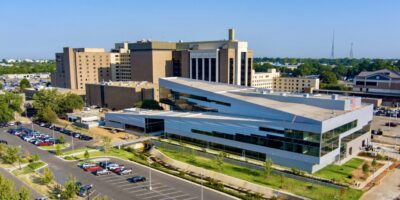
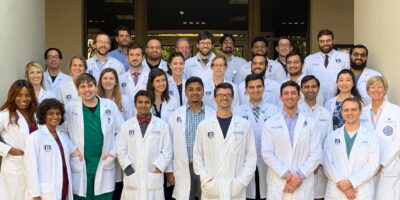
Located in the heart of New Orleans, the LSU Health New Orleans School of Medicine offers a strong educational curriculum and a diverse clinical environment that gives students robust clinical and research experience. Founded in 1931, it is a public MD school with an entering class of 195 students in fall 2025 and an estimated 200 seats for the class that starts in 2027. Its official name is the Louisiana State University School of Medicine in New Orleans, and you will also see it called LSUHSC New Orleans, LSU Health New Orleans or simply LSU Medical School.
The school is part of LSU Health Sciences Center New Orleans, which also includes Schools of Health Professions, Dentistry, Graduate Studies, Nursing and Public Health. Its mission is built around Louisiana: most seats go to state residents, its Primary Care Programs trade tuition support for a commitment to practice in the state, and its clinical campuses stretch from New Orleans to Baton Rouge and Lafayette. If you are aiming for a career in medicine and considering paths such as family medicine, orthopaedics or obstetrics and gynecology, LSU’s training and residency network give you a clear view of how Louisiana trains its doctors.
This guide covers the 2026-2027 application cycle, for students who want to begin medical school in summer 2027. It explains the newest class profile, admission requirements and deadlines, the secondary application with original example answers, 2026-27 tuition and cost of attendance, the curriculum, clinical campuses, research and honors programs, residency outcomes, the interview and a long list of frequently asked questions. Figures were checked on October 29, 2026.
Purpose of This LSUHSC New Orleans Medical School Guide
The central aim of this guide is to give future physicians one complete resource for LSU Health New Orleans School of Medicine. The school is one of the anchor medical schools in Louisiana and offers a wide set of programs for different interests and career paths, from the Rural Scholar Track to the MD/PhD program and the Latine Health Scholars Honors Program. Whether your focus is primary care, a surgical field or a specialty such as OB/GYN, the sections below explain what the school asks of applicants and what it offers once you arrive, so you can make an informed decision about your medical education.
Topics Covered in This LSU Medical School Guide
The guide moves through key statistics, the mission statement, accreditation, programs and affiliations, special programs, the curriculum, admission requirements and selection factors, financial information, facilities and nearby medical resources, student groups, clinical rotations and residency programs, faculty and alumni, admission statistics, tips and strategies, secondary questions, the interview, frequently asked questions and related schools. Researching schools is a crucial part of the process, but nothing replaces one-on-one guidance. We run clinical internships abroad for future physicians, and we also help students get into the medical school where they belong. If you want an overall strategy, consider our medical school admissions consulting.
Key Takeaways
- A Louisiana-first public MD school: in the Fall 2025 entering class, 171 of 195 students were Louisiana residents. Out-of-state applicants are considered, but they are pre-screened before they receive a secondary and pay nonresident tuition for all four years. International students are not accepted.
- Academic profile: the Fall 2025 entering class averaged a 509 MCAT and a 3.76 GPA. For all accepted applicants to the 2025 entering class, the median MCAT was 511 and the median GPA was 3.89. There is no minimum MCAT or GPA for screening.
- Key dates for 2026-2027: AMCAS opened June 1, 2026. The regular AMCAS deadline is November 1, 2026, and the secondary and letters must be complete by December 1, 2026. Early Decision applicants had to submit AMCAS by August 1, 2026. Interviews run from September 2026 to March 2027, and the first acceptances go out October 15, 2026.
- Secondary: a $90 form-based secondary with a questionnaire, a re-applicant form for returning applicants and a separate Primary Care Programs application for Louisiana residents who want the Rural Scholar Track or the Primary Care Scholar Program. The 2026-2027 questions are not posted publicly, so this guide gives the most recent official forms as practice.
- Cost: 2026-27 tuition and fees are $36,230 for Louisiana residents and $67,224 for nonresidents. The school’s 2026-27 cost of attendance estimate is $92,343.50 for residents and $123,337.50 for nonresidents.
- Distinctive training: early clinical skills training, a Baton Rouge clinical campus that takes about 25 students per class, a Rural Scholar Track with a full tuition exemption for rural primary care service, an MD/MPH, an MD/PhD with a tuition waiver and stipend, and research honors programs.
- Outcomes: 194 graduates entered the 2026 Match, and 49 percent will train in Louisiana, most of them in LSU Health programs.
- Next step: check your MCAT date (January 2024 or later) and your prerequisites, line up a committee letter or three science and math faculty letters, and plan to return the secondary well before December 1.
Key Statistics About LSU Health New Orleans School of Medicine

| Metric | Value | Cohort or year | Source |
|---|---|---|---|
| School, degree and campus | Louisiana State University School of Medicine in New Orleans; Doctor of Medicine (MD); New Orleans, with clinical campuses in Baton Rouge and Lafayette | Current | LSU School of Medicine website |
| School type and founding | Public; founded 1931; urban campus | Current | LSU School of Medicine admissions page; AAMC MSAR |
| Entering class size | 195 (171 Louisiana residents, 24 out-of-state) | Fall 2025 entering class | LSU School of Medicine Fall 2025 class profile |
| Estimated new entrants | 200 | 2027 entering class | LSU School of Medicine deadlines page |
| Average MCAT | 509 | Fall 2025 entering class (matriculants) | LSU School of Medicine Fall 2025 class profile |
| Average GPA | 3.76 | Fall 2025 entering class (matriculants) | LSU School of Medicine Fall 2025 class profile |
| Median MCAT | 511 (mean 510.9) | 2025 entering class, all accepted applicants | AAMC MSAR |
| Median GPA | 3.89 total (mean 3.82); 3.85 science (mean 3.76) | 2025 entering class, all accepted applicants | AAMC MSAR |
| Verified applications | 3,865 (641 in-state, 3,017 out-of-state, 207 international) | 2025 entering class | AAMC MSAR; LSU School of Medicine Fall 2025 class profile |
| Interviewed | 550 (450 in-state, 100 out-of-state) | 2025 entering class | AAMC MSAR (school-reported) |
| Acceptance rate | Not published; offers made are not reported, so an acceptance rate cannot be calculated | 2025 entering class | LSU School of Medicine; AAMC MSAR |
| Tuition and fees | $36,230 Louisiana residents; $67,224 nonresidents | 2026-2027 academic year, full-time | LSU Health New Orleans tuition and fees schedule |
| Estimated cost of attendance | $92,343.50 residents; $123,337.50 nonresidents | 2026-2027 academic year (fall plus spring) | LSUHSC Student Financial Aid cost of attendance |
| Health insurance in budget | $3,882 per semester | 2026-2027 academic year | LSUHSC cost of attendance; additional fees list |
| Secondary fee and deadline | $90; file complete by December 1, 2026 | 2026-2027 cycle | LSU School of Medicine deadlines and requirements pages |
| Total MD enrollment | 840 | October 2025 | AAMC MSAR |
| Average debt of indebted graduates | $233,571 | 2024-2025 | AAMC MSAR (LCME Part I-B) |
| Accreditation | LCME, fully accredited until 2033-2034 | Current | LSU School of Medicine accreditation page |
General Information About LSU Health New Orleans School of Medicine
The LSU School of Medicine in New Orleans was founded in 1931 under the charter of Louisiana State University and first occupied 1542 Tulane Avenue, next to Charity Hospital. Over the decades the campus grew to include a residence hall and student center at 1900 Perdido Street, the Medical Education Building at 1901 Perdido Street, the Lions-LSU Clinics Building, the Clinical Sciences Research Building and a Student Learning Center with group learning spaces and simulation labs. A newer teaching hospital on Canal Street, University Medical Center New Orleans, forms a medical corridor with the Veterans Affairs medical center, and the Center for Advanced Learning and Simulation now anchors simulation training.
These additions are part of an ongoing effort to give students a full educational experience. Watch the school’s introductory video to get a sense of the campus: LSU Health New Orleans School of Medicine Welcome Video.
How to Read These Numbers
Two sets of academic numbers describe LSU’s class, and they measure different groups. The school’s own Fall 2025 profile reports averages for students who enrolled: a 509 MCAT and a 3.76 GPA. The national application data report medians for every applicant who was accepted, including people who chose other schools: a 511 MCAT and a 3.89 GPA. Both are useful. The enrolled averages show who actually sits in the classroom, and the accepted medians show the competitive range for offers.
Neither number is a minimum. LSU has no minimum MCAT or GPA for screening, and it considers your most recent MCAT score. Half of accepted applicants scored below the median, and the committee weighs grades, letters, interviews, work history, leadership, service and personal attributes together.
Mission and Educational Priorities
Mission Statement
The School of Medicine’s mission is:
“To serve state and regional communities through excellence in teaching the next generation of physicians and scientists, advancing biomedical knowledge, and providing skilled and compassionate clinical care to all.”
The school breaks that mission into three parts. Its education mission is “To lead in training highly skilled and compassionate doctors and scientists for the state of Louisiana and beyond.” Its clinical mission is “To serve as a destination for high-quality, innovative clinical care,” and its research mission is “To foster a research environment that appreciates, values, and prioritizes research.” Its listed values are excellence, service, innovation, compassion and integrity, and the service value states plainly: “We exist to serve the state of Louisiana.”
The admissions office adds its own statement of purpose: “The LSUHSC School of Medicine in New Orleans is dedicated to providing the opportunity for an excellent medical education to all Louisiana applicants who are prepared to benefit from its curriculum and instruction.” The committee aims to recruit applicants “from every geographic dimension of the State of Louisiana or other states within the country,” and the school names its primary goal as producing “competent, humanistic physicians.”
What the Mission Means for Applicants
Louisiana ties matter. Seats are mostly filled by state residents. In the Fall 2025 class, 171 students were Louisiana residents and 24 came from out of state. Louisiana residents all receive the secondary, while nonresidents are pre-screened first. If you are an out-of-state applicant, the school invites you to send a letter about your ties to Louisiana to the admissions office, and children of LSU School of Medicine alumni who live outside Louisiana are eligible for consideration. Without a real connection, an out-of-state application here is a long shot.
Every part of the state counts. The committee wants physicians from rural parishes, small towns, the New Orleans and Baton Rouge metro areas and inner-city neighborhoods. The secondary questionnaire asks where you grew up, where you plan to practice, whether you grew up in a medically underserved area and whether you had to work during college. Those questions exist because the school wants to know whether you are likely to serve the communities that need doctors.
Service and humanism are part of the criteria. The committee evaluates applicants in three areas: humanitarian qualities, overall excellence and experience. It looks at recent grades and test scores, letters, interviews, employment history, leadership, community service, extracurricular activities, honors, unique personal attributes and hobbies. In practice, a strong application shows sustained service, real responsibility and evidence that you can work hard while caring for people.
Primary care is a priority, but not the only path. The school states that a major emphasis is placed on training primary care physicians, and its Primary Care Programs, Rural Scholar Track and community clinics reflect that. At the same time, LSU graduates match into every major specialty, and the school runs a large research enterprise. You do not need to promise a primary care career, but you should understand why the state needs one.
Accreditation and Institutional Identity
Is LSU Health New Orleans School of Medicine Accredited?
Yes. The LSUHSC New Orleans School of Medicine is fully accredited by the Liaison Committee on Medical Education (LCME) until 2033-2034. The LCME is the accrediting body for programs leading to the MD degree in the United States and Canada, and graduates of the school are eligible for medical licensure in every U.S. state and the District of Columbia. The school also reports that it is fully accredited by the Accreditation Council for Graduate Medical Education (ACGME) for its residency programs, with none on probation.
Louisiana State University Health Sciences Center at New Orleans (LSUHSC-NO) is accredited by the Southern Association of Colleges and Schools Commission on Colleges (SACSCOC) to award associate, baccalaureate, master’s and doctoral degrees. Questions about the institution’s accreditation can go to SACSCOC at 1866 Southern Lane, Decatur, GA 30033-4097, or (404) 679-4500. More information is on the SACSCOC Official Website.
National, Institutional and Specialized Accrediting Bodies
LSUHSC New Orleans is a full health sciences center, so its schools hold their own specialized accreditations. The bodies listed for each school include:
- School of Allied Health Professions (now the School of Health Professions): Commission on Accreditation for Respiratory Care (respiratory therapy); Commission on Accreditation of Allied Health Education Programs with the Joint Review Committee on Education in Cardiovascular Technology (adult echocardiography); National Accrediting Agency for Clinical Laboratory Sciences (medical technology); Council on Rehabilitation Education (rehabilitation counseling); Accreditation Council for Occupational Therapy Education (occupational therapy); Commission on Accreditation in Physical Therapy Education (physical therapy); American Psychological Association Committee on Accreditation (professional psychology); Council on Academic Accreditation in Audiology and Speech-Language Pathology (audiology and speech-language pathology); and the Accreditation Review Commission on Education for the Physician Assistant (physician assistant).
- School of Dentistry: American Dental Association Commission on Dental Accreditation (dentistry, dental hygiene and dental laboratory technology).
- School of Medicine: Liaison Committee on Medical Education (medicine).
- School of Nursing: Commission on Collegiate Nursing Education (nursing) and the Council on Accreditation of Nurse Anesthesia Educational Programs (nurse anesthesia).
- School of Public Health: Council on Education for Public Health (public health, including biostatistics, community health sciences and epidemiology).
Accreditation confirms that a program meets national standards. It is not a ranking, and every LCME-accredited MD program meets the same baseline.
LSU New Orleans Is Not LSU Shreveport
Louisiana has two public LSU medical schools, and they are separate institutions with separate applications. LSU Health New Orleans School of Medicine is the school covered here. LSU Health Shreveport School of Medicine is in northwest Louisiana and has its own admissions committee, secondary and class. Both are listed separately in AMCAS, so check your school list carefully. Also keep the MD program separate from other LSUHSC degrees: the physician assistant, dental, nursing and public health programs have their own applications and are not part of the MD admissions process.
Medical Programs and Affiliations
The MD Program
The core program is the four-year Doctor of Medicine. The first two years take place in New Orleans, and the clinical years take place in New Orleans, at the Baton Rouge branch campus or, for Rural Scholar Track students, in Lafayette. Most students enter through the regular AMCAS process, and about two dozen enter through Early Decision each year.
Combined and Special Programs
Early Decision Program (EDP). For the 2027 entering class, EDP applicants had to submit AMCAS between June 1 and August 1, 2026, complete their file by September 1, 2026, and have MCAT scores on record by September 1, 2026. The school says that “Ordinarily, only applicants with a 3.6 grade point average in the sciences and at least a 75th percentile on each section of the MCAT are considered. However, all applicants are eligible to apply for EDP.” EDP applicants may apply only to LSU New Orleans until they hear a decision, which comes on or before October 1, 2026. Accepted EDP applicants must attend; those not accepted move into the regular pool. Twenty-four students entered through EDP in the 2025 entering class.
MD/PhD Program. The MD/PhD program combines the School of Medicine curriculum with the School of Graduate Studies over seven or more years and prepares students for careers as physician scientists. Applicants must first be accepted by the School of Medicine Admissions Committee and then by the MD/PhD Admissions Committee. Accepted students receive a tuition waiver through both the MD and PhD portions and a stipend during graduate school and the last two years of medical school. Students who leave the program must repay tuition they received. MD/PhD applicants must interview with the School of Medicine committee by the end of February to be considered for a PhD subcommittee interview in early March. The deadlines page lists an October 1, 2026 MD/PhD AMCAS deadline and a November 1, 2026 MD/PhD secondary deadline, so plan to meet those earlier dates. Applicants complete a waiver form with the secondary. For questions, call (504) 568-6197 or visit the LSUHSC MD/PhD program page, and see the MD/PhD Program section of the School of Medicine site.
MD/MPH Dual Degree Program. The four-year MD/MPH integrates the School of Medicine and the LSUHSC School of Public Health. Students choose one MPH concentration: Community Health Science and Policy, Environmental Health, Climate and Sustainability, or Epidemiology and Population Health. To apply, you must be accepted to the School of Medicine, then submit a focused MD/MPH application to the School of Public Health with an authorization to release your medical school admission records and a one-page goal statement on why you want an MPH. All pieces are due by May 1. Indicate your interest in the MD/MPH on the LSU secondary. The program directors are Benjamin Springgate, MD, MPH, Ashley Wennerstrom, PhD, and Colten Creel, MD, MPH, an alumnus of the program, and Isha Matta, MPH, is program staff. The program can be reached at [email protected]. More detail is on the MD/MPH Program page.
Integrated OMS MD Program. The school accepts four oral and maxillofacial surgery residents each year into a program that awards the MD. They enter as second-year medical students, because their dental education replaces the first year, and they complete clerkships and acting internships while on leave from residency.
Primary Care Programs. The Primary Care Programs include three options:
- Primary Care Curriculum: a longitudinal curriculum for students interested in rural, urban or suburban practice in family medicine, general internal medicine, general pediatrics, medicine-pediatrics, general OB/GYN or geriatrics. There is no tuition waiver and no service commitment.
- Rural Scholar Track (RST): for Louisiana residents who plan to practice primary care in rural Louisiana. RST students receive a full medical school tuition exemption and commit to practice rural primary care in Louisiana for 15 months for each year of exemption. Up to eight students are accepted per entering class, and RST students complete all third-year clerkships in Lafayette, with a weekly day with a primary care preceptor.
- Patrick F. Taylor Primary Care Scholar Program (PFT): for Louisiana residents who plan to practice primary care anywhere in Louisiana. Scholars receive a $25,000 tuition exemption per year and commit to 15 months of Louisiana primary care practice for each year of support. Up to two students are accepted per entering class.
You must be accepted to the School of Medicine first. You indicate interest on the secondary, submit the Primary Care Programs application with it and email a copy to [email protected]. Interviews for the funded scholar positions are not held until after an admission offer.
Medical Student Summer Research. Accepted students can work on faculty research projects during the summer, with stipends from sources that include the LSUHSC Medical Student Summer Research Fellowships, the American Heart Association, the American Cancer Society and the March of Dimes. Details are on the Medical Student Summer Research Program page.
Honors Program. Students with high academic standing in their first semester may apply, between February and May of the first year, to an independent research program that spans basic and clinical sciences. Selection is based on an application, an interview with the Honors Program Committee and an outline of the proposed research. The program director is Fern Tsien, PhD.
Latine Health Scholars (LHS) Honors Program. This four-year program trains students who already speak Spanish to provide care in Spanish. Students take medical Spanish electives, complete a scholarly project and capstone, and rotate with Spanish-speaking physicians. Admission happens at the end of the first fall semester and requires intermediate Spanish (CEFR B1), good academic standing, a letter of interest and an interview in Spanish. The faculty director is Dr. Sebastian Del Corral Winder, Assistant Professor of Clinical Psychiatry. If Spanish-language care interests you before medical school, a medical internship in Peru is one way to build clinical Spanish.
Programs and University Affiliations: Degrees Offered Across LSUHSC
The MD sits inside a health sciences center with a broad catalog. This matters for interprofessional learning, because medical students train alongside students in many of these programs. The degrees listed across LSUHSC New Orleans include:
Undergraduate degrees – Associate of Science: Dental Laboratory Technology, AS – Bachelor of Science: Cardiopulmonary Science, BS; Dental Hygiene, BS; Medical Technology, BS; Public Health, BS – Bachelor of Science in Nursing: Nursing, BSN
Master’s degrees – Master of Communication Disorders: Speech Language Pathology, MCD – Master of Health Science: Clinical Rehabilitation and Counseling, MHS – Master of Occupational Therapy: Occupational Therapy, MOT – Master of Physician Assistant Studies: Physician Assistant Studies, MPAS – Master of Public Health: Public Health, MPH, along with dual degrees that include the MD/MPH, DVM/MPH and MSW/MPH – Master of Science: Biomedical Sciences, MS; Biostatistics, MS – Master of Science in Dentistry: Endodontics, Orthodontics, Pediatric Dentistry, Periodontics and Prosthodontics, MSD – Master of Science in Nursing, including an RN to MSN concentration
Doctoral degrees – Doctor of Audiology: Audiology, AuD – Doctor of Dental Surgery: Dentistry, DDS – Doctor of Medicine: MD, plus the Oral and Maxillofacial Surgery MD – Doctor of Nursing Science (DNS) – Doctor of Nursing Practice (BSN to DNP) – Doctor of Philosophy: Biochemistry, Biostatistics, Cell Biology and Anatomy, Community Health Sciences, Epidemiology, Human Genetics, Microbiology, Neuroscience, Pharmacology and Physiology, PhD – Doctor of Physical Therapy: Physical Therapy, DPT – Doctor of Philosophy in Nursing (PhD)
Other programs include advanced education and residency programs in dentistry, such as the Comprehensive Dentistry (General Practice Residency), and an Interdisciplinary Studies Track. The current program list is in the LSUHSC catalog. Programs outside the MD have their own admissions requirements and applications.
Clinical Affiliations
LSU’s clinical partners include University Medical Center New Orleans, the Southeast Louisiana Veterans Health Care System, Manning Family Children’s (formerly Children’s Hospital New Orleans), Touro Infirmary, East Jefferson General Hospital and hospitals in Baton Rouge and Lafayette. In Baton Rouge, clinical rotations take place at Our Lady of the Lake Regional Medical Center and its children’s hospital and at Woman’s Hospital. The LSU Healthcare Network runs the faculty practice clinics where many students see outpatients.
Contact Information
- Office of Admissions: LSU School of Medicine in New Orleans, Student Admissions, 1901 Perdido Street, Box P3-4, New Orleans, LA 70112. Phone (504) 568-6262. Email [email protected].
- Regional clinical campuses: Baton Rouge and Lafayette, Louisiana.
- Community engagement and pathways: Robert Maupin, MD, Associate Dean for Community Engagement and Health Programs, [email protected], (504) 568-8501.
- Primary Care Programs: [email protected].
- Residency questions: the LSUHSC Registrar determines Louisiana residency for tuition purposes, (504) 568-4829.
Curriculum Overview
What to Expect: Curriculum at LSU Health New Orleans School of Medicine
At LSU Medical School you follow a curriculum designed, in the school’s words, “to train physicians who are capable of success in any graduate medical education program.” The curriculum goals align with ACGME and AAMC competencies, and the school describes its graduates as critical thinkers who can work in health care teams. The structure is a four-year program with two preclerkship years in New Orleans and two clinical years.
Whether you are aiming for family medicine or a surgical specialty such as neurosurgery, the curriculum gives everyone the same foundation first. You meet patients early, learn procedures in simulation and then choose electives and acting internships that match your goals. The school uses semesters and grades courses Honors, High Pass, Pass or Fail, and students are ranked by quartile.
Year One: Foundations
Year One courses are mostly discipline-based, with longitudinal courses for clinical and communication skills:
- Gross Anatomy
- Biochemistry
- Human Behavior and Development
- Human Physiology
- Introduction to Medical Genetics
- Cell Biology and Microanatomy
- Introduction to Medical Immunology
- Clinical Skills Integration
- Health Equity Leadership for Physicians
- Foundations of Population Medicine and Health Systems
Clinical Skills Integration runs through the first two years. It includes physical examination sessions, small-group interviewing practice, team-based learning that links differential diagnosis with basic science, and procedure labs where students practice skills such as lumbar punctures, IV placement and intubation. Clinical experiences, including required time with physicians, begin in the first year, and there are preceptorships in year one.
Year Two: Organ Systems
Year Two begins with Foundations of Disease and Therapy and moves through organ-system courses: neuroscience and the neuropsychiatric systems, renal, cardiovascular, pulmonary, reproductive and endocrine, hematology, gastrointestinal, and musculoskeletal and dermatologic systems. Clinical Skills Integration and Health Equity Leadership for Physicians continue, and students can take electives to help with career planning. Students prepare for USMLE Step 1 near the end of this year.
Year Three: Clerkships
Year Three opens with a one-week Clerkship Preparation Course, followed by core clerkships in pediatrics, family medicine, internal medicine, surgery, neurology, obstetrics and gynecology, and psychiatry, plus a career planning elective. Clerkships include inpatient and outpatient work and specialty teaching. Students at the Baton Rouge and Lafayette campuses complete all third-year rotations at those sites. New Orleans students may complete all rotations in New Orleans or take some at regional sites, and the clerkship lottery can place students in Lafayette, Baton Rouge, Bogalusa or Lake Charles.
Year Four: Flexibility and Acting Internships
Year Four includes four electives and three months of flex time for interests and residency interviews. Four courses are required: Critical Concepts, a Primary Acting Internship, a Secondary Acting Internship and Special Topics. Some fourth-year rotations can be taken at outside institutions, in other states or abroad with approval. Students based in Baton Rouge can take some fourth-year rotations in New Orleans.
How the Curriculum Differs by Track
- Baton Rouge campus: about 25 students per class complete years three and four in Baton Rouge. Applicants can express a preference at admission, and a lottery fills remaining spots if fewer than 25 volunteer. Students assigned there arrange their own Baton Rouge housing.
- Rural Scholar Track: all third-year clerkships in Lafayette, one day a week with a primary care preceptor in year three and part of year four, and a fourth-year block with a primary care preceptor.
- Primary Care Curriculum and PFT scholars: extra sessions on continuity of care, community orientation and preventive medicine, priority access to an AHEC summer preceptorship between the first and second years, and priority enrollment in electives such as the Primary Care Elective, Nutrition and Health, and Global Health and Social Medicine.
- Latine Health Scholars: medical Spanish courses, rotations with Spanish-speaking physicians and a capstone project layered onto the standard curriculum.
- MD/MPH and MD/PhD: MPH courses and field placements integrated over four years, or a PhD inserted between the preclerkship and clinical phases.
Attendance at some sessions is mandatory, and lectures are available online. Tutors are available in the first two years, and the LSUHSC Mentors Program pairs students with faculty. A community service requirement is part of medical school, and there is no required research thesis.
Admissions Requirements and Application Process
Selection Factors
LSU School of Medicine in New Orleans uses a broad set of criteria. The Admissions Committee includes clinical and basic science faculty, fourth-year medical students, administrators and members of the community. After an interview, an applicant can be brought before the full committee, which may accept, reject or hold the decision for a later meeting. The committee meets about every three weeks and keeps admitting students until the class is full in the spring.
Selection is not based on academics alone. The committee considers recent grades and test scores within the last three years, letters from faculty, interview impressions, employment history and whether you had to work to pay for college, leadership, community service, extracurricular activities, honors, unique personal attributes, and hobbies and interests. Children of alumni who no longer live in Louisiana and applicants to the MD/PhD program are eligible for admission, and the school considers a percentage of nonresidents, who pay out-of-state tuition for all four years. Matriculants in the most recent class came from 60 undergraduate institutions. For a brochure on selection criteria, email the Office of Admissions at [email protected].
Residency, Citizenship and International Applicants
- Louisiana residents: all receive the secondary. The LSUHSC Registrar determines residency for tuition, using the school’s resident classification documents.
- Out-of-state applicants: considered, but pre-screened before receiving a secondary. You may send the admissions office a letter discussing your ties to Louisiana.
- Canadian applicants: considered with the out-of-state group and also pre-screened.
- International applicants: “Applications are not accepted from International Students.” Applicants must have attended a North American college or university and be U.S. citizens or permanent residents. Permanent residents submit a copy of their permanent residency card.
- DACA recipients: not accepted.
Required Premedical Coursework
The school strongly urges applicants to complete a regular four-year undergraduate curriculum with a balance of natural sciences, social sciences and humanities. The minimum requirement is 90 hours of acceptable credit at matriculation, plus these required subjects:
| Subject | Semester hours | Lab |
|---|---|---|
| General/inorganic chemistry | 8 | Required |
| Organic chemistry | 8 | Required |
| General physics | 8 | Required |
| General biology | 8 | Required |
| Biochemistry | 3 | Not required |
| English | 6 | Not applicable |
| Statistics | 3 | Not applicable |
Together the science requirements add up to 38 hours. Course policies to know:
- Grades: every required course needs a C or better. A D or F in a required course must be repeated, and you list all grades on the secondary, including repeats.
- Where: all coursework must be from an accredited institution in the United States or Canada.
- Online courses: if your school accepts an online lecture course toward a degree, LSU accepts it too. Labs must be in person.
- Advanced Placement: AP credit in biology, chemistry and physics may be approved case by case.
- Statistics: it must be a math statistics course (statistics or calculus). Statistics taught in a psychology department does not qualify.
- Pass/fail: reviewed case by case for science prerequisites; contact the admissions office about pass/fail grades.
- Timing: prerequisites must be finished by December 2026 for the 2027 class. Coursework older than five years should be followed by satisfactory upper-level science coursework.
- Transfer credit from medical schools outside the United States is generally not accepted.
Recommended Courses
Other science courses that may help include biochemistry (strongly recommended), cell biology, comparative vertebrate anatomy, computer science, embryology, histology, mathematics, microbiology, molecular genetics, physiology and epidemiology. In the arts and humanities, the school recommends economics, English, ethics, foreign languages, history, philosophy, psychology, public speaking and sociology.
| Course | Status |
|---|---|
| Biochemistry | Required |
| Biology | Required |
| College English | Required |
| Inorganic chemistry | Required |
| Organic chemistry | Required |
| Physics | Required |
| Statistics | Required |
| Behavioral and social sciences, psychology, sociology | Recommended |
| Cell biology, genetics, microbiology, physiology, histology, embryology | Recommended |
| Mathematics and computer science | Recommended |
| Humanities, ethics, foreign languages, public speaking | Recommended |
For the complete list, see the LSUHSC Premedical Requirements page.
The 30-Hour Policy
If your undergraduate GPA is not competitive, if your science background needs expanding, or if a lot of time has passed since your last science course, LSU’s 30-Hour Policy can help. The Admissions Committee adopted this policy many years ago. It lets you complete 30 or more post-baccalaureate hours in biology, chemistry, physics or mathematics, and the committee then treats the GPA for those hours as your GPA for the application. A graduate degree program in those fields counts if it gives you the 30 hours. There is no minimum undergraduate GPA to use the policy. The policy is a major reason the school is a realistic target for career changers and students who started college slowly.
MCAT Requirements
The MCAT is required for every applicant. For the 2027 entering class, take it no later than September 2026 so scores reach the office by the AMCAS deadline. The oldest MCAT considered is January 2024. The committee considers only your most recent score, and there is no minimum MCAT for screening. Early Decision applicants needed scores on record by September 1, 2026.
Clinical Experience and Shadowing
Shadowing is recommended but not required. The school’s guidance is that applicants “should have a variety clinical experiences” and should seek settings “where they will have the most opportunity for exposure to the practice of medicine.” In the 2025 entering class, most matriculants reported community service, shadowing or clinical observation, medical or clinical volunteering, paid clinical work and research. Hands-on roles such as medical assistant, scribe, EMT or patient care technician, along with clinical internships for pre-med students, give you the direct patient contact the committee looks for. The goal is not a checklist but a real understanding of the work.
Letters of Recommendation
LSU strongly advises a letter from your school’s pre-professional or pre-med advisory committee. If you do not use a committee, you must submit three letters from professors who taught you in didactic science and math classes. Letters from instructors of one-hour lab courses or from research supervisors do not count toward the requirement. Additional letters, for example from research mentors or employers, are welcome but do not replace the required three.
- If you have been out of school less than two full academic years and cannot get a committee letter, get at least three letters from science faculty.
- If you have been out more than two years, still try for faculty letters. If that is impossible, send letters from people you work with, ideally including your immediate supervisor, plus up to two letters from people who know you well.
- LSU participates in the AMCAS Letter Service. Designate LSU SOM-New Orleans in AMCAS so the school can access your letters. Letters can also be mailed by the writer to the Admissions Office, LSU School of Medicine, 1901 Perdido St., Box P3-4, New Orleans, LA 70112.
Other Assessments
PREview scores are recommended. CASPer is used for research purposes only. A criminal background check is required, and all applicants must meet the school’s technical standards for admission, progression and graduation.
Application Procedure
AMCAS application. All applicants apply through the American Medical College Application Service (AMCAS). Check your contact details carefully. LSU sends mail to the “Preferred” address on your AMCAS application and sends most email through AMCAS. Because campus email accounts can expire, use a personal email account, and update any change through AMCAS.
Secondary application. Once the office receives your AMCAS application, you get an email with the link to the LSU secondary. All Louisiana residents receive it, and nonresidents receive it after pre-screening. The secondary is due December 1, 2026. Details are in the secondary section below.
Complete file. Your file is complete when it contains the AMCAS application, the LSU secondary and the required letters or committee letter. Incomplete files are not reviewed. Because the school receives far more applications than it has seats, apply early.
2026-2027 Application Timeline
| Step | Date |
|---|---|
| AMCAS opens for submission | June 1, 2026 |
| Application review begins | August 1, 2026 |
| Early Decision AMCAS deadline | August 1, 2026 |
| Early Decision file complete | September 1, 2026 |
| Interview period | September 2026 to March 2027 |
| MCAT, latest test date | September 2026 |
| MD/PhD AMCAS deadline | October 1, 2026 |
| Early Decision notification | On or before October 1, 2026 |
| First acceptance notices | October 15, 2026 |
| Regular AMCAS deadline | November 1, 2026 |
| MD/PhD secondary deadline | November 1, 2026 |
| Secondary and letters complete (regular) | December 1, 2026 |
| Prerequisites complete | December 2026 |
| Plan to Enroll | April 30, 2027 |
| Commit to Enroll | July 1, 2027 |
| Latest acceptance notices | June 30, 2027 |
| Classes begin | Summer 2027 |
If a deadline falls on a weekend or holiday, confirm the exact cutoff in AMCAS. If you are still building experience, pre-med summer internships completed the summer before you apply can still appear in your AMCAS activities if you submit later in June.
Acceptance and Waitlist Information
- Earliest acceptance date: October 15, 2026
- Latest acceptance date: June 30, 2027
- Response time: two weeks to respond to an offer
- Deposit: none required
- Deferred entrance: case by case
- Waitlist: applicants are told when they are placed on the waitlist, and the number of positions and offers from the waitlist vary each year.
Letters of Intent and Updates
LSU accepts letters of intent from interviewed applicants, letters of interest and notices of significant updates such as publications, honors or new service. Send them to [email protected]. Out-of-state applicants may also send a letter about their ties to Louisiana.
Transfer Students
Transfers are considered case by case. Contact the Associate Dean for Student Affairs and Records, Taniya de Silva, MD, for details.
Tuition, Cost of Attendance and Financial Aid
2026-2027 Tuition and Fees
LSU publishes its School of Medicine tuition and fees by semester. For full-time MD students in 2026-2027:
| Item | Fall 2026 | Spring 2027 | Total |
|---|---|---|---|
| Tuition | $17,334.25 | $17,334.25 | $34,668.50 |
| Student fees (operational, academic excellence, safety and security, building use, technology, student housing, student health services and general activity fees) | $780.75 | $780.75 | $1,561.50 |
| Total, Louisiana residents | $18,115.00 | $18,115.00 | $36,230.00 |
| Nonresident fee | $15,497.00 | $15,497.00 | $30,994.00 |
| Total, nonresidents | $33,612.00 | $33,612.00 | $67,224.00 |
For comparison, 2025-2026 totals were $32,936.95 for residents and $61,114.29 for nonresidents, so 2026-27 charges rose about 10 percent. Nonresidents who are admitted pay nonresident tuition and fees for their entire enrollment.
Cost of Attendance
LSUHSC Student Financial Aid builds a cost of attendance (COA) for each semester. It sets the maximum aid you can receive. The 2026-2027 School of Medicine estimate, revised July 30, 2026, is:
| Component | Per semester |
|---|---|
| Tuition and fees | $18,114.75 |
| Insurance fee | $3,882.00 |
| Average loan fee | $895.00 |
| Books and supplies | $4,580.00 |
| Housing and meals | $9,725.00 |
| Transportation | $2,050.00 |
| Miscellaneous | $6,925.00 |
| Total, resident | $46,171.75 |
| Nonresident fee | $15,497.00 |
| Total, nonresident | $61,668.75 |
For fall plus spring, that is about $92,343.50 for a resident and $123,337.50 for a nonresident. The housing figure assumes off-campus living for a single student and covers only the months you are enrolled, so budget for the full calendar year. Students can request additions for day care, their own medical insurance or a computer purchase. Health insurance appears as a $3,882.48 registration fee on the 2026-27 additional fees list, and other School of Medicine charges include a diploma fee, cap and gown, ACLS and BCLS courses and departmental exam fees.
Scholarships
The School of Medicine offers merit and need-based scholarships. The LSUHSC Medical School Scholarship Committee recommends policies on support levels and eligibility, and scholarship applications open in the spring through the LSU Health Foundation. In the Fall 2025 entering class, 52 scholarships totaling $466,913 were awarded. The largest awards are tied to service: the Rural Scholar Track gives a full tuition exemption and the Patrick F. Taylor Primary Care Scholar Program gives $25,000 per year, each in return for primary care practice in Louisiana. MD/PhD students receive a tuition waiver and stipend. There are also scholarships for disadvantaged students; to be considered, you must return the disadvantaged scholarship essay and IRS documentation with your secondary.
Even with these awards, most students borrow. For 2024-2025, 79 percent of students received financial aid, and the average medical school debt of indebted graduates was $233,571. Federal student loan rules for professional students changed starting July 1, 2026, and LSUHSC posts a summary of the changes on its financial aid site. Plan your borrowing before you commit.
Student Financial Aid
- Location: Resource Center Building, Suite 215
- Phone: (504) 568-4820
- Email: [email protected]
- Website: LSUHSC Financial Aid
The Office of Student Financial Aid administers grants, loans and scholarships. Contact the office well before enrollment if you plan to apply for aid.
Eligibility criteria. Each applicant’s financial need is assessed from the information provided, in line with the Health Sciences Center’s financial aid policy. Staff are available to discuss options with prospective and current students.
Responsibilities. Paying for education is first the responsibility of the student and the student’s family, but most medical students need additional aid.
Funding sources. Support comes from federal and state programs that operate under specific legal guidelines, along with institutional scholarships, work-study and, in the third and fourth years, part-time work opportunities in New Orleans.
Priority and deadlines. Students with the highest documented need who meet the priority deadlines receive preference, so file the FAFSA early.
General Enrollment and Fee Information
Students enroll on an academic-year basis, and some programs use semesters. Tuition and fees vary by school and enrolled hours, and some programs carry extra costs listed in the catalog. Tuition and fees are subject to change by the LSU Board of Supervisors. For current schedules, visit LSUHSC-NO Tuition.
- Application fees: the School of Medicine secondary fee is $90 for 2026-2027, waived with an approved AMCAS fee waiver. Certain programs require an acceptance deposit credited to registration fees; the MD program does not require a deposit.
- Graduation fees: the 2026-27 School of Medicine diploma fee is $100, and cap and gown is $198.
- Transcripts: issued once financial obligations are met. Requests go through the LSUHSC Registrar.
- Payment guidelines: tuition and charges are due before classes start. Deferments may be available when financial aid is pending, and students who do not meet their financial obligations can be dropped from the rolls.
- Admission of nonresidents: nonresidents are charged nonresident tuition and fees for their entire enrollment.
- Delinquent accounts: unpaid balances can be referred for collection, and the student is responsible for associated fees.
- Academic load: full-time enrollment is mandatory for medicine and dentistry, among other programs.
Tuition in Other LSUHSC Schools
For readers comparing LSUHSC programs, the Health Sciences Center publishes 2026-2027 schedules for every school. A few full-time examples:
- Doctor of Dental Surgery: $38,654 for residents and $70,254 for nonresidents for fall plus spring.
- Dental hygiene (full-time): $11,380 for residents and $17,954 for nonresidents for fall plus spring.
- Dental laboratory technology (full-time): $6,940 for residents and $13,018 for nonresidents for fall plus spring.
- School of Health Professions: per-semester charges for full-time undergraduates are $4,967 for residents and $10,245 for nonresidents in fall or spring. Most full-time graduate programs are $5,680 and $11,222 per fall or spring semester. The Master of Physician Assistant Studies is $9,794 and $19,406, the Doctor of Physical Therapy $8,407 and $16,905, and the Doctor of Audiology $7,280 and $12,822 per fall or spring semester, with lower summer charges.
These figures apply to those programs only, not to the MD.
Campus Facilities and Student Life
The Facilities at LSU Health School of Medicine
Medical Education Building. The Medical Education Building at 1901 Perdido Street houses the admissions office and much of the preclerkship teaching, with lecture halls and classrooms. It connects to the rest of the campus complex.
Research buildings. The Clinical Sciences Research Building and the LSUHSC research centers host faculty labs in areas such as cancer, neuroscience, genetics, alcohol and drug abuse, and asthma. Medical students join these labs through summer research, the Honors Program and the MD/PhD program. The school’s research enterprise brought in about $14.6 million in direct federal research grants and contracts in fiscal year 2024.
Student Learning Center and student spaces. The Student Learning Center includes group learning spaces, procedural and simulation labs, a computer lounge, and large and small meeting rooms. The Student Center and Residence Hall area at 1900 Perdido Street gives students a place to study, eat and take a break between classes.
Library. The John P. Isché Library is LSUHSC’s main library, with medical and scientific books, journals and databases that support coursework and research projects.
Center for Advanced Learning and Simulation (CALS). The CALS complex, built from the former University Hospital site on Tulane Avenue (also known as Hotel Dieu), includes a standardized patient center, a simulated emergency room and a medical simulation center. Students practice procedures, emergencies and patient conversations in a controlled setting before doing them on the wards.
Housing
The LSUHSC Residence Hall at 1900 Perdido Street is a coeducational, 11-story building with three towers and 208 living units, connected to the campus by a covered second-floor bridge. Residents get secured off-street parking (one space each), a weight room, a cardio room, billiards, table tennis, fitness classes and a lighted basketball court. Applications are available from the Residence Hall office at (504) 568-2289. The Residences at LSU Health offer another on-campus option. Many students rent apartments in New Orleans neighborhoods or the surrounding metro area, and the financial aid budget assumes off-campus housing. Students assigned to Baton Rouge for years three and four arrange their own housing there. A car is recommended, especially for regional rotations.
Nearby Medical Resources
University Medical Center New Orleans (UMCNO). The main teaching hospital, on Canal Street next to the academic campus, is a Level I trauma center. Most LSU students rotate here. Learn more at University Hospital, as UMCNO is still widely called.
Manning Family Children’s. The children’s hospital in Uptown New Orleans, formerly Children’s Hospital New Orleans, offers a full range of pediatric services, and LSU pediatrics faculty practice there. Visit Children’s Hospital of New Orleans for more information.
Southeast Louisiana Veterans Health Care System. The Veterans Affairs medical center opened in the downtown medical corridor in 2016 with more than 200 beds and provides care for veterans. See the Veterans Affairs Medical Center site.
Other teaching sites include Touro Infirmary, East Jefferson General Hospital, Our Lady of the Lake Regional Medical Center and Woman’s Hospital in Baton Rouge, and hospitals in Lafayette.
Student Groups and Clubs
LSU medical students run dozens of organizations, grouped by the student government into service groups, national groups and specialty interest groups. Examples include:
- Service-focused groups: the Aesculapian Society, CORE, LSUHSC Protégés, Student Run Community Clinics and Students Making It A Little Easier (SMILE).
- National groups: Alpha Omega Alpha, the American Medical Association, the American Medical Student Association, the Asian Pacific-American Medical Student Association, the Latino Medical Student Association, the Gold Humanism Honor Society and the Student National Medical Association.
- Other service and interest groups: Black Men in White Coats, the Student International Health Organization, Students Serving Baton Rouge, Students Serving Lafayette, the Non-Traditional Student Advocacy Committee, Parents in Medicine, Krewe du Flu, Wilderness Medicine, Women in Medicine and Tiger Pride, the LGBTQ+ student and campus association.
- Specialty interest groups: from anesthesia, cardiology and dermatology to the Edgar Hull Society Internal Medicine Interest Group, the Family Medicine Interest Group, the Rural Medicine Interest Group, the OB/GYN and pediatric interest groups and the New Orleans Adolescent Reproductive Health Project.
ISA, International Student Association. At the Health Sciences Center level, the International Student Association supports international students across LSUHSC schools. It acts as a liaison between students and the administration and organizes social and cultural events that help students adjust and build intercultural understanding. The MD program does not admit international students, but medical students can take part in campus-wide events.
The Student Run Community Clinics and Students Serving Baton Rouge and Lafayette are good examples of how LSU students serve underserved neighborhoods with interprofessional teams. Students can receive credit for community outreach, and a community service requirement is part of the MD program.
Student Support
LSUHSC offers safe space training for faculty and staff, an Office of Disability Services, academic support through Student Affairs, and a Wellness Center. The Tiger Pride chapter is an organized resource for LGBTQ+ students.
Clinical Rotations and Research Opportunities
Core Rotations and Sites
Third-year clerkships cover pediatrics, family medicine, internal medicine, surgery, neurology, OB/GYN and psychiatry, plus a career planning elective. Most clerkships are in New Orleans, mainly at University Medical Center New Orleans and partner hospitals. About 25 students per class complete their third and fourth years at the Baton Rouge campus, rotating at Our Lady of the Lake Regional Medical Center, its children’s hospital and Woman’s Hospital. Rural Scholar Track students complete third-year clerkships in Lafayette. New Orleans students can request regional assignments through the clerkship lottery, including Lafayette, Baton Rouge, Bogalusa and Lake Charles.
The fourth year combines acting internships, Critical Concepts, Special Topics and electives. With approval, some rotations can be taken at institutions in other states or countries. In the 2025 graduation survey, 8 percent of graduating seniors reported a global health experience during medical school.
Research Opportunities
Many faculty welcome students into their labs. Routes into research include:
- Summer research after the first year, funded by school fellowships and outside organizations.
- The Honors Program, an independent research project for students with high first-semester standing.
- The MD/PhD program, for students who want careers as physician scientists.
- Centers of Research Excellence in cancer, neuroscience, genetics, alcohol and drug abuse and other areas, including the Louisiana Cancer Research Center in the downtown medical corridor.
- The MD/MPH program, which adds public health field placements and research.
Research is not required for graduation, but students headed for competitive specialties usually find a mentor early.
LSU’s Residency Programs
LSU Health has 74 accredited residency and fellowship programs based in New Orleans, Baton Rouge, Lafayette, Lake Charles and Bogalusa. In 2026, 33 of those programs took part in the main NRMP Match, filled all their positions and welcomed 225 new residents. Many LSU medical students stay for residency: of the 194 graduates in the 2026 Match, 49 percent will train in Louisiana, and 84 percent of those will enter an LSU Health program. The rest matched at programs such as Johns Hopkins, Stanford, Cornell, Dartmouth, Vanderbilt, Emory, UC San Diego and UC San Francisco.
Here is what training looks like in some of the specialties the school’s graduates often enter. Residency lengths below are the standard lengths for each specialty.
LSU Family Medicine Residency. Family medicine residency is three years. LSU family medicine residents train in community clinics, hospitals and emergency departments, with rotations in pediatrics, obstetrics, gynecology and internal medicine. In 2026, 21 LSU graduates matched into family medicine, including five at LSUHSC University Hospitals and Clinics.
LSU Orthopaedics Residency. Orthopaedic surgery residency is five years and covers trauma, sports medicine, spine and pediatric orthopaedics across hospitals, clinics and surgical centers. Five LSU graduates matched into orthopaedic surgery in 2026.
LSU OB/GYN Residency. OB/GYN residency is four years, with labor and delivery, outpatient clinics and subspecialty exposure such as maternal-fetal medicine, reproductive endocrinology and gynecologic oncology. Eight LSU graduates matched into OB/GYN in 2026.
LSU Plastic Surgery Residency. Integrated plastic surgery residency is six years and spans reconstructive and cosmetic surgery, hand surgery, burn care and craniofacial surgery. LSU’s plastic surgery division includes the University Medical Center hand surgery service.
LSU Neurology Residency. Neurology residency is four years, including a preliminary year, with inpatient, outpatient and stroke care and subspecialty rotations such as neurocritical care. Four LSU graduates matched into neurology in 2026.
LSU Urology Residency. Urology residency is five years, with training in clinics and operating rooms and subspecialties such as pediatric urology and urologic oncology. Three LSU graduates matched into urology in 2026.
LSU Neurosurgery Residency. Neurosurgery residency is seven years and covers cranial, spinal, cerebrovascular and pediatric neurosurgery and neurocritical care. Four LSU graduates matched into neurological surgery in 2026.
LSU Ophthalmology Residency. Ophthalmology residency is four years including an intern year, with training in clinics and operating rooms and subspecialties such as pediatric ophthalmology, glaucoma and retina. Three LSU graduates matched into ophthalmology in 2026.
LSU ENT Residency. Otolaryngology residency is five years and covers otology, rhinology, laryngology, head and neck surgery, pediatric otolaryngology and facial plastics. Five LSU graduates matched into otolaryngology in 2026.
Across these programs, LSU residents train in a high-volume public hospital system and are encouraged to take part in research and teaching. For program details, see the LSUHSC residency program pages.
Specialty Choices of Recent Graduates
The Class of 2026 match included 37 internal medicine positions, 21 family medicine, 16 psychiatry, 15 pediatrics, 10 anesthesiology, 9 emergency medicine, 8 OB/GYN, 7 diagnostic radiology, 6 physical medicine and rehabilitation, 5 general surgery, 5 orthopaedic surgery, 5 otolaryngology, 4 neurology, 4 neurological surgery, 3 ophthalmology, 3 urology, 2 dermatology, 2 medicine-pediatrics, 2 radiation oncology, 1 pathology and 1 vascular surgery, along with preliminary and transitional years. In recent graduation surveys, internal medicine was the most common intended specialty each year, with pediatrics, psychiatry, family medicine and OB/GYN also common.
Notable Alumni, Faculty, Leadership and Admissions Staff
These profiles come from the school’s current directories and official biographies. Roles were checked on October 29, 2026.
Leadership
Richard DiCarlo, MD, Dean of the School of Medicine. Dr. DiCarlo is Dean of the LSUHSC School of Medicine and a Professor of Medicine, and he is also an alumnus. After graduating from Haverford College, he earned his MD at LSU School of Medicine in 1987 and was elected to AOA, then completed internal medicine residency, a chief residency and an infectious diseases fellowship at LSU before joining the faculty in 1993. He served as clinical director of the City of New Orleans STD Clinic for five years, served 14 years as Assistant Dean for Undergraduate Medical Education and oversaw two curriculum renewals. He led the school’s LCME self-studies in 2008-09 and 2016-17, became interim dean in 2021 and dean in 2024. His priorities include educational programs in the CALS building and research growth. For applicants, he is a reminder that LSU builds leaders from its own graduates.
Robert Maupin, MD, Associate Dean for Community Engagement and Health Programs. Dr. Maupin is Professor of Clinical Obstetrics and Gynecology and holds the Warren C. Plauche’ Professorship in Maternal-Fetal Medicine. A Washington, DC native and University of Maryland medical graduate, he trained in OB/GYN at LSU at Charity Hospital and has been part of LSU’s Maternal-Fetal Medicine division for more than 20 years. He has advised national perinatal HIV guidelines and co-chairs the Louisiana Pregnancy Associated Mortality Review Committee. Since 2014 he has worked with the admissions and student affairs offices to support pathways into the health professions for students from communities underrepresented in medicine.
Fern Tsien, PhD, Assistant Dean for Medical Student Research. Dr. Tsien leads the Honors Program and medical student research, and she is a professor and co-chair in Microbiology, Genetics and Immunology. She joined LSUHSC in January 2003 after earning her PhD in human genetics at Tulane. Her research includes the genetics of familial hearing loss in Louisiana Acadian (Cajun) families and Mexican Mayan populations and the effects of cancer therapy on neuroinflammation, with partners at Manning Family Children’s. She is the person to know if you hope to do research as a student.
Admissions Staff
Angela McLean, MD, Associate Dean for Admissions. Dr. McLean leads LSU’s admissions office. A summa cum laude graduate of Xavier University of Louisiana, she earned her MD at the University of California, San Francisco and returned to New Orleans for internal medicine residency at LSU, serving patients at Charity Hospital and working as chief resident. She joined the faculty in 1995 and is Professor of Clinical Medicine in General Internal Medicine. She has served on the Admissions Committee for 20 years, was Medical Director of Student Health for 12 years and has worked with the AAMC and the Student National Medical Association on developing minority and women faculty. She still sees patients at the LSU Healthcare Network and University Medical Center.
Jennifer Hart, MD, Assistant Dean for Admissions. Dr. Hart is a New Orleans native who earned her MD at LSU School of Medicine in New Orleans and completed the internal medicine-pediatrics residency at LSU. She practices primary care at the LSU Medicine Clinic at University Medical Center, where she teaches residents and students, and her interests include prevention, quality measures and care coordination. She has served as principal investigator for the NIH-funded PREVENTABLE trial site. As an alumna and primary care physician, she reflects the school’s mission to train doctors for Louisiana.
Kimberly M. Peychaud, Manager for Admissions. Ms. Peychaud manages the Office of Admissions, which handles applications, secondaries and file completion. Questions about your file can go to the office at [email protected] or (504) 568-6262. The office also includes Paulette C. Celestine, Administrative Coordinator for Admissions, and Daphne Nwagbara, Admissions Coordinator.
Faculty
Si-Qiong June Liu, PhD, Professor of Cell Biology and Anatomy. Dr. Liu is a neuroscientist who teaches medical neuroscience and neuroanatomy. She earned an MD at Beijing Medical University and a doctorate in biophysics at the University of Rochester. Her lab studies how learning and stress change synapses in the cerebellum, including fear memory, endocannabinoid signaling and AMPA receptors, with recent papers in Cell Reports and Nature Communications. Her profile is on the LSU Cell Biology and Anatomy faculty page.
Kelly Babineaux, MD, Professor of Hand Surgery. Dr. Babineaux is Service Line Chief of Hand Surgery at University Medical Center New Orleans within LSU’s plastic surgery division, and she is an LSU alumna. She earned her MD at LSU Health Sciences Center New Orleans in 2003, completed general surgery residency at LSU and a hand and microsurgery fellowship at Yale. Her clinical and research work focuses on hand trauma, including gunshot wounds to the upper extremity, dislocations and digit replantation, and she is known as a devoted teacher of residents. See her profile through the LSU Department of Surgery.
Corey Hebert, MD, Associate Professor of Clinical Pediatrics. Dr. Hebert is a pediatrician in the Ambulatory Pediatrics and Adolescent Medicine section, based at Manning Family Children’s. He earned his MD at Meharry Medical College and completed pediatric residency and a chief residency at Tulane. In 2023 he was named the first King of Maternal and Child Health for New Orleans Mardi Gras, and the mayor recognized him for leading the city’s Maternal and Child Health Marathon and for his work on maternal and child health in Louisiana. His profile is in the LSU Department of Pediatrics.
Charles Nichols, PhD, Professor of Pharmacology. Dr. Nichols is a professor in Pharmacology and Experimental Therapeutics whose lab studies serotonin receptors. His work has shown how serotonin receptor agonists can prevent allergic asthma in animal models, and he developed the fruit fly as a model for serotonin neuropharmacology, including the brain circuits behind stimulant drug effects. His research profile is on the LSU pharmacology faculty page.
Notable Alumni
Bill Cassidy, MD, U.S. Senator from Louisiana. Senator Cassidy grew up in Baton Rouge, attended LSU for college and earned his MD at LSU School of Medicine in 1983. In 1990 he joined the LSU medical faculty, teaching students and residents at Earl K. Long Hospital, a hospital for the uninsured. He co-founded the Greater Baton Rouge Community Clinic, which offers free dental and health care to working uninsured patients, and led a public-private effort to vaccinate 36,000 Baton Rouge area children against hepatitis B. After Hurricane Katrina, he led volunteers who turned an abandoned K-Mart into an emergency clinic for evacuees. He was elected to the U.S. House in 2008 and the U.S. Senate in 2014, and he has chaired the Senate Health, Education, Labor and Pensions Committee.
Charles Boustany, MD, former U.S. Representative. Dr. Boustany, a Lafayette native, earned his MD at LSU Health Sciences Center New Orleans in 1978 after college at the University of Louisiana at Lafayette. He completed residency in Rochester, New York, and returned to Louisiana as a cardiovascular surgeon before representing south Louisiana in the U.S. House of Representatives from 2005 to 2017.
Faculty alumni. Many current faculty trained here, including Dean DiCarlo, Dr. Hart and Dr. Babineaux. That pattern shows how often LSU graduates return to teach and practice in Louisiana.
Admissions Statistics and Class Profile
Admissions Process at LSU Health New Orleans School of Medicine
- Primary application service: AMCAS
- Earliest submission date: June 1, 2026
- Application review begins: August 1, 2026
- Primary deadline: November 1, 2026
- Secondary application: required, $90 fee, waived with an AMCAS fee waiver. Sent to all Louisiana residents; out-of-state applicants are pre-screened. Due December 1, 2026.
- Letters: a committee letter or three letters from science or math professors who taught you in didactic courses. Additional letters from research mentors or employers are allowed.
- MCAT: required, most recent score considered, no minimum for screening.
- GPA: no minimum for screening. Thirty or more hours of post-baccalaureate or graduate science coursework can replace a lower undergraduate GPA under the 30-Hour Policy.
- Early Decision: available to in-state and out-of-state applicants; notification by October 1, 2026.
- Interviews: begin in September 2026 on a virtual platform. For the 2025 entering class, 450 in-state and 100 out-of-state applicants were interviewed.
- Estimated new entrants: 200.
- Additional policies: criminal background check required.
Average MCAT Scores for Accepted Applicants
For all accepted applicants to the 2025 entering class:
| Score | Mean | Median |
|---|---|---|
| MCAT total | 510.9 | 511 |
| Chemical and Physical Foundations of Biological Systems | 127.5 | 128 |
| Critical Analysis and Reasoning Skills | 126.8 | 127 |
| Biological and Biochemical Foundations of Living Systems | 127.9 | 128 |
| Psychological, Social, and Biological Foundations of Behavior | 128.7 | 129 |
The Fall 2025 entering class, meaning students who enrolled, averaged a 509 MCAT.
Average GPA for Accepted Applicants
For all accepted applicants to the 2025 entering class, the total GPA mean was 3.82 and the median 3.89. The science GPA mean was 3.76 and the median 3.85. The enrolled Fall 2025 class averaged a 3.76 GPA.
Matriculation Data
| Category | In-state | Out-of-state | International | Total |
|---|---|---|---|---|
| Verified applications | 641 | 3,017 | 207 | 3,865 |
| Interviewed | 450 | 100 | 0 | 550 |
| Deferred | 4 | 1 | 0 | 5 |
| Matriculated | 171 | 23 | 1 | 195 |
The residency categories in this table follow national AAMC classifications, which can differ from the school’s own residency decisions. The school’s own profile counts 24 out-of-state students.
What the Ratios Tell You
LSU does not publish the number of acceptance offers, so an acceptance rate cannot be calculated. Dividing matriculants by applicants (195 of 3,865, about 5 percent) gives a matriculation ratio, not an acceptance rate, because some accepted applicants enrolled elsewhere.
The interview numbers are more useful. For the 2025 entering class, the ratio of interviewed to verified applications was:
- Louisiana residents: 450 interviewed of 641 applications, about 70 percent.
- Out-of-state applicants: 100 interviewed of 3,017 applications, about 3 percent.
- International applicants: 0 of 207, because the school does not accept international students.
Those ratios are the clearest picture of how strongly LSU favors Louisiana residents. A resident with solid academics has a real chance at an interview. A nonresident without Louisiana ties faces long odds.
Other Class Data
- Graduate degrees: 11 percent of the 2025 entering class held a graduate degree.
- Majors: 77 percent majored in science or math.
- Gender: 80 men and 115 women in the Fall 2025 class.
- Age: ages ranged from 19 to 34; most students were 19 to 23 at matriculation, and 56 were 24 to 29.
- Early Decision: 24 students entered through EDP.
- Disadvantaged status: 32 percent of the 2025 entering class reported disadvantaged status, up from 14 percent in 2022.
- Medically underserved backgrounds: 31 percent reported growing up in a medically underserved area.
- States represented: Alabama, Arkansas, California, Florida, Georgia, Illinois, Louisiana, Maryland, Michigan, Minnesota, Mississippi, New Jersey, North Carolina, Ohio, Tennessee and Texas.
- Languages: students speak more than 30 languages, including Spanish, French, Cajun, Vietnamese and Arabic.
- Total enrollment: 840 MD students in October 2025.
Tips and Strategies for Admission
1. Be Honest About Your Residency Position
If you are a Louisiana resident, LSU New Orleans should almost certainly be on your list. Seventy percent of in-state applicants were interviewed for the 2025 entering class. If you live elsewhere, apply only if you have real Louisiana ties, such as family, prior schooling, work or a parent who graduated from the school, and send the admissions office a letter that explains those ties. Remember that out-of-state students pay nonresident tuition for all four years.
2. Use the 30-Hour Policy if Your GPA Needs Repair
LSU’s 30-Hour Policy lets 30 or more post-baccalaureate hours in biology, chemistry, physics or math stand in for your undergraduate GPA. If your early grades were weak, a structured postbac or a relevant master’s degree can give you a fresh academic record. Take upper-level science courses, aim for A grades, and finish before you apply so the committee sees the full 30 hours.
3. Build Long-Term, Hands-On Service
The committee evaluates humanitarian qualities and wants to see work that “allowed for you to be involved in the lives of other individuals.” That phrase comes straight from the secondary questionnaire. Choose a few commitments and stay with them: a free clinic, a hospice, a tutoring program, a church health ministry, or a paid clinical job. Pre-med internships and other structured clinical roles help most when you can describe specific duties and the hours you spent.
4. Show That You Can Work and Still Excel
The criteria list asks whether you had to work to attend college, and the questionnaire asks how many hours a week you worked. If you held a job, say so clearly in AMCAS and the secondary. A 3.6 GPA earned while working 25 hours a week tells a different story from the same GPA without a job.
5. Get the Right Letters
Use a committee letter if your school offers one. If not, choose three professors from didactic science or math courses, not lab instructors or research mentors, and give them your CV, personal statement draft and a reminder of your work in their class. Research mentors and employers can still write additional letters.
6. Think About the Primary Care Programs Early
If you are a Louisiana resident drawn to rural or primary care medicine, the Rural Scholar Track and the Patrick F. Taylor Primary Care Scholar Program offer major tuition support in return for Louisiana practice. Those applications ask about your family’s rural ties, your home community, your hobbies and your understanding of a rural physician’s role. Start collecting examples now, and talk with rural physicians about their work.
7. Apply Early and Return the Secondary Quickly
Applications are reviewed starting August 1, the first offers go out October 15, and the committee meets about every three weeks. Submit AMCAS in June or early July, return the secondary within one to two weeks, and make sure your letters arrive. A complete file in September is in a far better position than one completed the week of December 1.
8. Consider Early Decision Only if LSU Is Your Clear First Choice
EDP suits Louisiana residents with strong numbers (the school ordinarily looks for a 3.6 science GPA and 75th-percentile MCAT section scores) who would attend LSU over any other school. If you are accepted, you must attend. If not, you join the regular pool, but you will have lost time applying elsewhere.
9. If You Are Reapplying, Show Change
LSU’s re-applicant form asks for new coursework and grades, new MCAT scores, new work or volunteer experience and plans for another degree. Use a gap year to improve at least one of those areas. Structured pre-med gap year programs, a clinical job or a science master’s give you something concrete to report.
Educational Enrichment Through Clinical Experience Abroad and Beyond
Applicants to LSU Health New Orleans School of Medicine can strengthen their preparation through clinical experience in different settings. Our medical internships for undergraduates give a global perspective on how care works with limited resources, which connects naturally to LSU’s focus on underserved communities in Louisiana. The same experience can help if you are also considering other medical schools in New Orleans, PA Schools in Louisiana or Louisiana PA programs. To talk through your plans with an advisor, book an appointment, click here.
Making the Right Choice: MD or DO and Other Career Paths
Many students weigh an MD against a DO or another path. LSU Health New Orleans is an MD school, so the answer to “Is LSU an MD school?” is yes. Louisiana also has an osteopathic option, and some applicants consider physician assistant programs. Choose based on the kind of training and practice you want, the cost and where you hope to live, not only on the letters after your name.
Secondary Application Questions, Example Responses and Analysis

LSU School of Medicine in New Orleans uses a form-based secondary. Unlike many schools that ask for several essays, LSU asks mostly for facts about your background, your coursework and your experiences, plus a short questionnaire. Here is what is confirmed for 2026-2027.
What Is Confirmed for 2026-2027
- Who receives it: all Louisiana residents, and out-of-state applicants who pass pre-screening.
- How: after the office receives your AMCAS application, you get an email with the link to the secondary, sent to the email on your AMCAS application.
- Fee: $90, nonrefundable and paid online. If you received an AMCAS fee waiver, the LSU fee is waived; upload a copy of the approved waiver. Cash is not accepted.
- Deadline: your secondary and letters must reach the office by December 1, 2026. Incomplete files are not reviewed.
- Other items to upload: a recent color passport-type photo, a copy of your driver’s license (permanent residents also send a copy of the permanent residency card), and, for male applicants, proof of Selective Service registration. Send transcripts for any coursework completed after your AMCAS submission.
- Signatures: sign and date every place that requires it. An incomplete or unsigned secondary is returned, which delays review. Keep copies of everything.
- Original work: the form asks you to certify that all written information, including descriptions of your work and activities, is your own and “not the product of artificial intelligence.”
- Program add-ons: the secondary asks whether you want the regular program, the MD/PhD (with a waiver form) or the MD/MPH, whether you are interested in the Rural Scholar Track or Primary Care Scholar Program, whether you are the child of an LSU School of Medicine alumnus and whether you took part in an LSUHSC pathway or summer research program.
The 2026-2027 questions are not posted publicly. The school delivers the current secondary through its applicant link, and the forms on its website are the 2025 versions. Answer the questions exactly as they appear in your secondary, and if a box has a space or line limit, stay within it. The questions below come from the school’s own 2025-2026 forms, the most recent set that is public, plus the optional values essay used in earlier cycles. They are labeled prior-cycle questions and are shown so you can practice. They are not guaranteed to be this cycle’s questions.
MD/PhD applicants complete the MD/PhD waiver form, and the PhD committee interviews applicants in early March after the School of Medicine interview. No separate MD/PhD essay prompts are posted for 2026-2027.
A note on the examples. The examples below are original teaching material that shows how a response can answer each part of a question. They are not essays to copy or submit, and LSU requires your written answers to be your own. Use them to understand structure, then write about your own experiences.
Prior-Cycle Practice: Stage 2 Questionnaire (2025-2026)
The questionnaire asks about your background: the type of community where you grew up (rural area or town under 5,000, small town or city of 5,000 to 99,999, large metropolitan area, or inner city or low-income area), the type of community where you plan to practice, whether you grew up in a medically underserved area, whether you worked during school and for how many hours, whether you grew up in a low-income family, your parents’ education, your number of dependents, whether you were raised by a single parent or someone other than your parents, military service and whether you are interested in primary care or rural health. Answer these short items carefully and consistently with AMCAS. Two questions call for written answers.
Question 1 (2025-2026): Service and Work Experiences
“Please indicate below any experiences in which you have been a volunteer or worker as previously listed on your AMCAS Application Report. The Admissions Committee is particularly interested in those experiences that have allowed for you to be involved in the lives of other individuals. Please be specific when describing what your actual duties were and the amount of time spent in these various experiences. (Attach an addendum if needed)”
Limit (2025-2026): no word limit; a table with columns for organization, service responsibility, number of weeks and average hours per week, with an addendum allowed. Eligibility: all secondary applicants.
What it asks. A list of service and work experiences already in AMCAS, with specific duties and time. The committee wants experiences that put you in the lives of other people.
Approach. Lead with the experiences where you worked directly with people. Use action verbs for duties. Make the weeks and hours match AMCAS exactly.
Illustrative example, not an actual applicant essay (worked response pattern)
Free community health clinic, Chalmette, LA | Patient intake volunteer: greet patients, record vital signs under nurse supervision, update medication lists, schedule follow-up visits and help Spanish-speaking patients complete forms | 96 weeks | 4 hours per week
Hospice volunteer program, Baton Rouge, LA | Companion volunteer: weekly visits with two to three patients, reading, conversation and family respite; attend monthly volunteer debriefs | 52 weeks | 3 hours per week
Community college learning center, New Orleans, LA | Paid chemistry tutor: one-on-one and small-group tutoring for general chemistry students, many of them working adults | 64 weeks | 12 hours per week
Rural hospital emergency department, Acadia Parish, LA | Paid emergency department scribe: document histories, exams and procedures in real time for attending physicians | 40 weeks | 24 hours per week
Why it works. Each entry names a real duty, not just a title. The hospice and clinic roles show involvement in patients’ lives, and the paid tutoring and scribe jobs show work during school. The numbers are specific and match AMCAS. Mistakes to avoid: listing every club, using vague duties such as “helped out,” or reporting hours that differ from AMCAS.
Question 2 (2025-2026): Factors That Hindered Academic Achievement
“Do you feel there are any factors in your background that have hindered you from achieving a higher level of academic achievement? Yes or No. If yes, briefly explain why:”
Limit (2025-2026): no word limit; the form gives about five short lines, so aim for 80 to 120 words. Eligibility: applicants who answer yes.
What it asks. Whether something in your background limited your grades, and if so, a brief explanation. It is optional to answer yes, and “no” is a fine answer if nothing applies.
Approach. State the factor plainly, give one or two facts about its effect, and end with evidence of what changed. Do not make excuses or blame others.
Illustrative example, not an actual applicant essay (95 words)
Yes. During my first two years of college I worked 30 hours a week at a grocery store to help my mother pay rent after my father’s back injury left him unable to work. I commuted 45 minutes each way and often studied after closing shifts. My grades in general chemistry and physics I reflected that schedule. When my father returned to part-time work in my junior year, I cut my hours to 15, retook physics and earned an A. My upper-level science GPA since then is 3.8, and I completed 32 post-baccalaureate science hours.
Why it works. It answers yes, names the factor, shows its specific effect and proves the trend reversed with numbers, which also connects to LSU’s 30-Hour Policy. Mistakes to avoid: long life stories, vague hardship without details, or claiming a factor that the rest of your application contradicts.
Prior-Cycle Practice: Disadvantaged Scholarship Essay (2025-2026)
“If you are interested in applying for the disadvantaged scholarship, please return the required information (essay) with your application, including any IRS documentation as requested.”
Limit (2025-2026): no word limit stated; one page (about 300 to 450 words) is a sensible length. Eligibility: optional, for applicants who want disadvantaged scholarship consideration. You cannot be considered without the required IRS documentation.
What it asks. An essay that explains your disadvantage, educational, economic or social, supported by income documentation.
Approach. Describe the circumstances concretely, explain how they affected your education and opportunities, and show what you did in response. Keep the tone factual.
Illustrative example, not an actual applicant essay (321 words)
I grew up in a rural part of Evangeline Parish, where my mother raised three children on her income as a certified nursing assistant. After my parents separated when I was nine, our household lived on about $28,000 a year. We qualified for SNAP benefits and Medicaid for most of my childhood, and my mother’s federal tax returns for the last three years are attached.
Money shaped every educational decision I made. My high school offered no AP science courses, so I took dual-enrollment biology at a community college 35 miles away, catching rides with a classmate’s father. In college I could not afford a full course load without working. I worked as a dietary aide at a nursing home for 25 hours a week through my sophomore year and lived at home to save rent. I did not own a laptop until a scholarship covered one my junior year, so I wrote lab reports in the library before it closed at 10 p.m.
These conditions affected my record. My first-year GPA was 3.2, and I could not take an unpaid research position or a summer shadowing program because I needed summer wages. I learned to use time well instead. I scheduled study blocks around shifts, formed a study group with two other working students and used free tutoring. By my senior year my GPA for the year was 3.9.
My background also gave me my reason for medicine. At the nursing home, I watched my mother and her coworkers care for residents with diabetes and heart failure who had waited months to see a specialist. Many of my neighbors still drive more than an hour for care. I want to return to a parish like mine as a family physician.
A scholarship would let me focus on medical school without working during the first two years, and it would reduce the debt that could pull me away from rural practice.
Why it works. It gives verifiable facts (income range, benefits, documents attached), shows the specific effect on education, demonstrates the response and ties the story to LSU’s Louisiana service mission without overstating. Mistakes to avoid: exaggeration, emotional language without facts, or forgetting the tax documentation.
Prior-Cycle Practice: Re-Applicant Form (2025-2026)
“For those applicants who are re-applying, you must provide the following information. This information will allow the Committee to see what you have done or plan to do to enhance your previous application.”
Limit (2025-2026): no word limit; the form has sections for recent and future coursework and grades by semester, new MCAT scores, work and volunteer experiences (position, duties, begin and end dates, marked health care or non-health care), and whether you anticipate another degree. Eligibility: required for everyone who has applied to LSU New Orleans before, even if the earlier application was never completed.
What it asks. Proof of what you have done since your last application.
Approach. Fill each section with concrete changes. If a section has no change, say so and put the weight on the areas that improved.
Illustrative example, not an actual applicant essay (worked response pattern)
Recent/future coursework and grades: Fall 2025: Biochemistry II (A), Cell Biology (A), Immunology (A-). Spring 2026: Medical Physiology (A), Genetics (A), Biostatistics (A). Summer 2026: Histology (in progress).
New MCAT score: April 2026, 510 (previous 503).
Work/volunteer experiences: Medical assistant, family medicine clinic, Metairie, LA (health care field): room patients, take vitals, perform EKGs and point-of-care tests, update histories; June 2025 to present, 36 hours per week. Volunteer, homeless shelter health screening day (health care field): blood pressure checks and referral forms; monthly since August 2025.
Do you anticipate another degree? Yes: Master of Science in Biomedical Sciences, expected May 2026 (30 graduate science hours completed).
Why it works. Every section shows growth: a higher MCAT, new graduate science coursework that qualifies under the 30-Hour Policy, and full-time clinical work. Mistakes to avoid: repeating your old activities, leaving sections blank without explanation, or listing plans with no dates.
Prior-Cycle Practice: Primary Care Programs Application (2025-2026)
Louisiana residents who want the Rural Scholar Track or the Patrick F. Taylor Primary Care Scholar Program complete a separate Primary Care Programs application with the secondary and email a copy to [email protected]. The 2025 form had no word limits, just answer spaces of roughly half a page each. It also asks for three references who are different from your medical school letter writers and whether any commitment, such as military service, ROTC or a religious obligation, would interfere with practicing in Louisiana after residency.
Primary Care Question 8 (2025-2026): Family in Rural or Underserved Communities
“Please provide specific information about your immediate and extended family that live in rural or underserved communities in Louisiana. (i.e., relationship, community, occupation, etc.)”
Limit: not stated. Eligibility: Primary Care Programs applicants (Louisiana residents).
Illustrative example, not an actual applicant essay (worked response pattern)
- Grandmother, Ville Platte (Evangeline Parish): retired school cafeteria manager; manages diabetes and drives 40 minutes to her endocrinologist.
- Uncle and aunt, Mamou (Evangeline Parish): rice and crawfish farmers; uncle had a heart attack in 2024 and was flown to Lafayette.
- Mother, Ville Platte: certified nursing assistant at a local nursing home.
- Cousin, Oberlin (Allen Parish): elementary school teacher.
Why it works. It lists relationship, community and occupation as the question requests, and one short health detail shows why rural access matters to the family. Mistakes to avoid: listing relatives with no community detail or inventing connections.
Primary Care Question 9 (2025-2026): College Extracurricular Activities
“List all extracurricular activities during college, e.g., volunteer work, clubs, etc. Please indicate the duration and nature of your participation.”
Limit: not stated. Eligibility: Primary Care Programs applicants.
Illustrative example, not an actual applicant essay (worked response pattern)
- Rural Health Outreach Club, member then president (August 2022 to May 2026): organized six blood pressure screenings at parish fairs.
- Hospice companion volunteer (2023 to 2026): weekly visits, about 150 hours.
- Catholic Student Center food pantry (2022 to 2024): Saturday shifts.
- Intramural softball (2022 to 2025).
Why it works. Dates, roles and the nature of each activity appear in one line each. Mistakes to avoid: omitting duration or listing groups you only joined on paper.
Primary Care Question 10 (2025-2026): Involvement in Your Home Community
“Describe your involvement in your home community prior to and since attending college, e.g., community groups, activities, or volunteer efforts, etc. Please indicate your length of time of involvement.”
Limit: not stated; about 150 to 250 words fits the space. Eligibility: Primary Care Programs applicants.
Illustrative example, not an actual applicant essay (168 words)
Before college, I volunteered for four years (2018 to 2022) with my parish’s Council on Aging, delivering meals to homebound seniors on Saturdays. Many of my clients lived alone on gravel roads, and I often was the only visitor they saw that week. I also played trumpet in the Ville Platte High School band and marched in the Cotton Festival parade every October.
Since starting college, I have stayed involved when I am home. Every summer since 2023 I have worked at the Evangeline Parish summer reading camp, teaching 20 second-graders. In 2024 I helped my church organize a health fair with a local nurse practitioner, where I took blood pressures and handed out referral cards to the nearest federally qualified health center. About 90 people came, and 14 had blood pressures high enough to need a visit that week.
On holiday breaks I still deliver meals for the Council on Aging. These commitments keep me connected to the people I hope to care for as a physician.
Why it works. It covers both time periods the question names, gives dates, and shows sustained involvement in one community. The health fair detail links service to medicine. Mistakes to avoid: covering only college or only high school, or giving no dates.
Primary Care Question 11 (2025-2026): Other Career Possibilities
“What other career possibilities have you considered?”
Limit: not stated; a short paragraph is enough. Eligibility: Primary Care Programs applicants.
Illustrative example, not an actual applicant essay (102 words)
I considered becoming a nurse practitioner, because my mother is a nursing assistant and I admired the NPs at our rural clinic. I also thought about high school chemistry teaching after tutoring at a community college. Both careers serve people directly. I chose medicine after working as a scribe, where I saw that physicians in small hospitals manage the widest range of problems with the least backup, from strokes to obstetric emergencies. I want the depth of training to handle that responsibility. Teaching will remain part of my life, since rural physicians often precept students, and I hope to do the same.
Why it works. It is honest about alternatives, explains why medicine won and ties back to rural primary care. Mistakes to avoid: claiming you never considered anything else, or describing another career with more enthusiasm than medicine.
Primary Care Question 12 (2025-2026): Hobbies and Interests
“List your hobbies and interests.”
Limit: not stated. Eligibility: Primary Care Programs applicants.
Illustrative example, not an actual applicant essay (worked response pattern)
Cajun fiddle (play with a local jam group monthly); fishing in the Atchafalaya Basin with my grandfather; cooking gumbo and boudin for church fundraisers; reading Southern history; softball.
Why it works. Specific hobbies give interviewers something to ask about and show roots in the community. Mistakes to avoid: generic answers such as “reading and traveling,” or hobbies you cannot discuss.
Primary Care Question 13 (2025-2026): Rural and Community Life
“Describe your personal experiences and knowledge of rural and/or community life.”
Limit: not stated; about 200 to 300 words fits the space. Eligibility: Primary Care Programs applicants.
Illustrative example, not an actual applicant essay (236 words)
I grew up in Ville Platte, a town of about 6,000 people where the nearest hospital with a cardiologist is in Lafayette, an hour away. Rural life taught me that health care depends on roads, relationships and timing. When my uncle had chest pain while working the rice fields, his wife drove him 20 minutes to the local emergency room, where a physician stabilized him and arranged a helicopter transfer. That doctor knew my uncle from church and knew he would downplay his symptoms. That knowledge helped save his life.
I also learned what rural communities lack. Our pharmacy closes at 6 p.m. Many neighbors work hourly jobs without paid leave, so a daytime appointment means lost wages. My grandmother skipped eye exams for years because she no longer drives on the highway. These gaps are why small problems become emergencies.
Rural life also has strengths. People show up for each other. When the closest food pantry ran short after Hurricane Laura, our churches organized meal deliveries within a day. Physicians in small towns are trusted members of that network, and they can use that trust to persuade a patient to start insulin or come back for a follow-up.
I have also seen community life in New Orleans, where I volunteered at a free clinic in St. Bernard Parish. Urban and rural patients face different barriers, but both need a doctor who understands their daily lives.
Why it works. It mixes personal experience with knowledge of real barriers and strengths, and it shows awareness of both rural and urban underserved settings, which matches LSU’s statewide mission. Mistakes to avoid: romanticizing rural life, or writing only about the need without any personal experience.
Primary Care Question 14 (2025-2026): Roles of a Rural or Primary Care Physician
“Based on your own personal experience, observations and insights, describe the roles and responsibilities of a rural or primary care physician.”
Limit: not stated; about 250 to 300 words fits the space. Eligibility: Primary Care Programs applicants.
Illustrative example, not an actual applicant essay (246 words)
From shadowing Dr. M., a family physician in Mamou, and scribing in a rural emergency department, I see five roles a rural primary care physician fills.
First, the generalist. In one afternoon Dr. M. managed a toddler’s ear infection, a farmer’s uncontrolled diabetes, a prenatal visit and a laceration. Without nearby specialists, the primary care physician handles most problems and must know when a patient truly needs transfer.
Second, the continuity keeper. Dr. M. had cared for some families across three generations. She remembered that one patient’s father had died of colon cancer and pressed him to schedule a colonoscopy he had avoided. Long relationships turn into early diagnoses.
Third, the coordinator. When a patient needed cardiology in Lafayette, Dr. M.’s staff arranged the referral, checked transportation and called afterward to confirm the visit happened. In rural areas, getting the patient to care is part of the physician’s job.
Fourth, the public health leader. During flu season she partnered with the school nurse to vaccinate students, and she spoke at church about blood pressure control. A rural physician is often the community’s main source of health information.
Fifth, the teacher. She precepts medical students and nurse practitioner students, which helps bring the next generation of clinicians to her parish.
The responsibility behind all five roles is accountability. A rural physician cannot assume someone else will follow up. I want that responsibility, and the Rural Scholar Track’s Lafayette clerkships and preceptor days would train me for it.
Why it works. It is grounded in personal observation, organizes the answer into clear roles, uses one concrete example for each and ends by connecting to the RST’s real structure. Mistakes to avoid: listing abstract roles without examples, or describing specialist care.
Primary Care Question 15 (2025-2026): Suitability for RST or PFT
“Why do you feel you are a suitable candidate for the Rural Scholar Track (RST), and/or the Patrick F. Taylor Primary Care Scholar Program (PFT)?”
Limit: not stated; about 250 to 350 words fits the space. Eligibility: Primary Care Programs applicants (Louisiana residents). Applicants may apply to both programs on the same application, but may hold only one.
Illustrative example, not an actual applicant essay (268 words)
I am applying to the Rural Scholar Track because I want to practice family medicine in rural south Louisiana, and I already know what that commitment involves.
My roots are rural. I grew up in Evangeline Parish, my extended family still lives there, and I have served that community for eight years through meal delivery, a summer reading camp and a church health fair. I understand the barriers patients face: long drives, closed pharmacies and lost wages for every appointment.
I have also tested my interest. As an emergency department scribe at a rural hospital, I documented more than 2,000 patient encounters and saw how much depends on the first physician who sees a patient. Shadowing a family physician in Mamou showed me the other side: continuity, prevention and coordination. Both experiences made me want full-scope family medicine, including obstetrics.
The RST’s structure fits my goals. Third-year clerkships in Lafayette and a weekly day with a primary care preceptor would let me learn in the region where I plan to practice. The Rural Medicine Interest Group and the rural scholar symposia would keep me connected to classmates with the same plans.
I take the service commitment seriously. Fifteen months of rural practice for each year of tuition exemption is a fair exchange, and it matches what I planned to do anyway. Without the exemption, my family’s finances would make me consider higher-paying specialties to manage debt. The RST removes that pressure.
I have no military or other obligations that would delay practice in Louisiana. I am ready to sign the contract and to return home as a physician.
Why it works. It answers why the applicant is suitable with evidence (roots, sustained service, tested clinical interest), shows understanding of the real program structure and the 15-month service terms, and addresses the obligations question. Mistakes to avoid: treating the RST only as a scholarship, or describing a vague interest in “underserved care” with no rural plan.
Prior-Cycle Practice: Optional “Your Values” Essay (2024-2025)
From the 2022-2023 through 2024-2025 cycles, LSU offered one optional essay. It does not appear on the 2025 official form, but it is useful practice and gives you a ready answer if your secondary includes it.
“If you wish, you may attach an essay of reasonable length (500-600 words) using the prompt “your values”. THIS IS AN OPTIONAL ESSAY.”
Limit (2024-2025): 500 to 600 words. Some compilations list a 2,500 to 3,000 character version for 2025-2026; if your secondary shows a character limit, follow it. Eligibility: optional for all secondary applicants.
What it asks. The values that guide you, shown through your experiences.
Approach. Pick two or three values, show each through one specific experience and explain how each will shape your work as a physician. Tie at least one value to LSU’s mission of service to Louisiana.
Illustrative example, not an actual applicant essay (559 words)
Three values guide the way I work: showing up, telling the truth and leaving a place better than I found it. I learned each one from people, not from books.
Showing up came from my grandmother. She cleaned houses in Gentilly for forty years and never missed a Sunday visit to her sister in a nursing home in Chalmette, even after Hurricane Katrina made the drive an hour each way through damaged neighborhoods. When I was twelve, I started going with her. I learned that a visit matters most when it is inconvenient. I carried that into my volunteer work at a hospice in Baton Rouge, where for two years I visited the same patients every Thursday. One patient, Mr. T., had no family nearby. In his last month, he asked the nurse whether “the Thursday student” was coming. He did not need me to do anything medical. He needed someone to come back. As a physician, I want patients to know that I will return, follow up and answer the call.
Telling the truth I learned in a harder way. In my sophomore year, I made an error while recording data for a lab study on blood pressure response. I could have adjusted the numbers quietly, and no one would have known. Instead, I told my principal investigator. She thanked me, we reran the trials, and the study took three weeks longer. Later she told me that admitting the mistake was the reason she trusted me to train new students. In medicine, honesty protects patients. I will make mistakes, and I want to be the kind of physician who reports them, learns from them and helps build a system where others feel safe doing the same.
Leaving a place better than I found it is a value my father taught me as a high school shop teacher in Houma. Every Friday his students fixed something in the school: a broken desk, a leaking sink, a ramp for a student who used a wheelchair. As a medical scribe in a rural emergency department, I noticed that our discharge instructions were written at a level many patients could not read. With the nursing director’s approval, I worked with two nurses to rewrite five common instruction sheets in plain language and add pictures. It was a small project, but return visits for wound care questions dropped that quarter. I want to keep finding the broken desk in every system I work in.
These values point me toward LSU. The school’s mission is to serve the communities of Louisiana, and I want to serve the people who raised me, from New Orleans neighborhoods still rebuilding to the bayou towns where my father taught. LSU’s training at University Medical Center would put me in front of the patients who most need someone to show up. The Primary Care Programs and the community clinics run by students would let me practice honesty and service before I graduate.
I know that values are easy to claim and hard to keep under pressure. Medical school and residency will test all three of mine. I expect to be tired and to doubt myself. When that happens, I will think of my grandmother on the road to Chalmette, my PI rerunning the trials, and my father’s students with their toolboxes. They showed me who I want to be.
Why it works. It names three values and proves each with a specific story and an outcome, shows how each will shape medical practice, and links them to LSU’s Louisiana mission and real training sites. It stays inside 600 words. Mistakes to avoid: listing values without stories, writing a second personal statement about why medicine, or choosing values that do not show up anywhere else in your application.
LSU School of Medicine: New Orleans Secondary Application Steps
- Watch for the email. The link goes to the email on your AMCAS application, and mail goes to your AMCAS “Preferred” address. If your address changes, update AMCAS and tell LSU by email.
- Complete every form. The secondary, questionnaire and any program forms (re-applicant, MD/PhD waiver, Primary Care Programs) are fillable files you complete and upload. Mailed or hand-delivered applications are not accepted.
- Pay or upload your waiver. The fee is $90 for 2026-2027 and is waived with an AMCAS fee waiver.
- Upload supporting documents: passport-type photo, driver’s license copy, permanent residency card if applicable, Selective Service proof for male applicants and any new transcripts.
- Confirm letters. Use a pre-med advisory committee letter if you can, or three didactic science and math faculty letters.
- Add optional items: the disadvantaged scholarship essay with IRS documentation, and the Primary Care Programs application if you are a Louisiana resident interested in RST or PFT.
- Sign and date everything, keep copies and make sure the file is complete by December 1, 2026.
For the school’s instructions and current forms, see the official LSU School of Medicine secondary application instructions webpage.
Interview Format and Preparation
Format
LSU’s interviews consist of three one-on-one interviews conducted on a virtual platform. There are no regional interviews. Invited applicants receive information about the interview day two weeks before their appointment. For the 2026-2027 cycle, the interview period runs from September 2026 to March 2027. MD/PhD applicants must complete their School of Medicine interview by the end of February to be considered for the PhD subcommittee interview in early March.
What to Expect
The Admissions Committee includes clinical and basic science faculty, fourth-year medical students, administrators and community members, so your interviewers may come from very different backgrounds. After your interview, you may be brought before the full committee, which meets about every three weeks. The committee may accept you, reject you or hold your file for a later decision.
The interview format beyond “three one-on-one interviews” is not published, so the preparation below is general guidance built on the school’s stated criteria.
How to Prepare
- Know your application cold. One-on-one interviews often start from your AMCAS and secondary. Be ready to discuss any activity, job, hobby or grade trend you listed, especially the experiences you described on the questionnaire.
- Explain your Louisiana connection. Whether you are a resident or not, expect questions about why you want to train and possibly practice in Louisiana. Be specific about places, people and plans.
- Prepare for the three criteria. The committee evaluates humanitarian qualities, overall excellence and experience. Have one strong story for each: a time you cared for someone, a time you achieved something difficult and an experience that taught you what medicine is like.
- Talk about work and responsibility. If you worked during college, cared for family or served in the military, be ready to discuss how it shaped you.
- Show you know the school. Mention the programs that genuinely fit you, such as the Rural Scholar Track, the Baton Rouge campus, the MD/MPH, the Latine Health Scholars program or summer research, and explain why.
- Practice the virtual setup. Test your camera, lighting, sound and connection. Use a quiet room, look at the camera and keep notes out of view.
- Prepare questions. Ask about clinical training at University Medical Center, life on the Baton Rouge campus or student-run clinics.
- Follow up appropriately. After interviewing, you may send a letter of intent if LSU is your first choice, or an update letter if you have significant news, to [email protected].
Frequently Asked Questions
Is LSU an MD school?
Yes. The LSU Health New Orleans School of Medicine grants the Doctor of Medicine (MD) degree and is accredited by the LCME. It also offers MD/PhD and MD/MPH combined degrees. Louisiana’s other public MD school, LSU Health Shreveport, is a separate school with its own application.
What is the acceptance rate for LSU Medical School?
LSU does not publish the number of acceptance offers, so there is no verified acceptance rate. For the 2025 entering class, 550 applicants were interviewed out of 3,865 verified applications, and 195 students enrolled. Residency makes a large difference: about 70 percent of Louisiana applicants were interviewed, compared with about 3 percent of out-of-state applicants. If you are a Louisiana resident with solid academics, your odds of an interview are good; if you are not, you need strong ties to the state.
Does LSU have a medical school?
Yes. LSU’s medical schools are part of the LSU health system: LSU Health New Orleans School of Medicine, founded in 1931, and LSU Health Shreveport School of Medicine. They are among the main medical schools in Louisiana, and both appear often in searches for “Medical School in Louisiana” or “Louisiana Medical Schools.” Each has its own campus, class and admissions committee.
What is the 32-hour rule for LSU Medical School?
There is no 32-hour rule. The policy people usually mean is LSU New Orleans’s 30-Hour Policy. If you complete 30 or more post-baccalaureate hours in biology, chemistry, physics or mathematics, the Admissions Committee considers the GPA for those hours as your GPA. It helps applicants with a weak undergraduate GPA or a long gap since their science courses. A science master’s degree counts if it provides the 30 hours.
Is LSU med school hard to get into?
Yes, it is competitive, but realistic for prepared Louisiana residents. The Fall 2025 class averaged a 509 MCAT and a 3.76 GPA, and the school has no minimum MCAT or GPA for screening. Strong grades, sustained service, clinical experience, good letters and real ties to Louisiana matter most. For out-of-state applicants, it is very hard to get in without a Louisiana connection.
Does LSU New Orleans accept out-of-state applicants?
Yes, but only a small number enroll. Out-of-state and Canadian applicants are pre-screened before receiving a secondary. In the Fall 2025 class, 24 of 195 students came from out of state. Out-of-state students pay nonresident tuition and fees, $67,224 for 2026-27, for all four years. You may send the admissions office a letter about your ties to Louisiana.
Does LSU New Orleans accept international or DACA applicants?
No. The school does not accept applications from international students, and DACA recipients are not accepted. Applicants must have attended a North American college or university and be U.S. citizens or permanent residents.
Does the LSU New Orleans secondary have essays?
The secondary is mostly forms. In 2025-2026 it included a questionnaire with two written items, a re-applicant form for returning applicants, an optional disadvantaged scholarship essay and a separate Primary Care Programs application for Louisiana residents interested in the Rural Scholar Track or the Primary Care Scholar Program. The 2026-2027 questions are not posted publicly, so answer exactly what your secondary asks. The fee is $90, and everything is due December 1, 2026.
What is the LSU New Orleans interview format?
Three one-on-one interviews on a virtual platform. There are no regional interviews. The 2026-2027 interview period runs from September 2026 to March 2027, and invited applicants get details two weeks ahead.
What MCAT scores does LSU New Orleans accept?
For the 2027 entering class, the oldest MCAT considered is January 2024, and you should test no later than September 2026. LSU considers only your most recent score. Early Decision applicants needed scores on record by September 1, 2026.
Should I apply Early Decision to LSU New Orleans?
Only if LSU is your clear first choice and your record is strong. The school ordinarily considers EDP applicants with a 3.6 science GPA and at least the 75th percentile on each MCAT section, although anyone may apply. EDP applicants apply only to LSU until the October 1 decision, and those accepted must attend.
What is the Baton Rouge campus?
LSU assigns about 25 students per class to its Baton Rouge campus for the third and fourth years, with rotations at Our Lady of the Lake Regional Medical Center, its children’s hospital and Woman’s Hospital. You can express a preference at admission. If fewer than 25 students choose it, a lottery assigns the rest.
What is the Rural Scholar Track?
It is a program for Louisiana residents who plan to practice primary care in rural Louisiana. Up to eight students per class receive a full tuition exemption in return for 15 months of rural Louisiana primary care practice for each year of support. RST students complete their third-year clerkships in Lafayette. You must be admitted to the School of Medicine first and complete a separate Primary Care Programs application.
What letters of recommendation does LSU require?
A pre-professional committee letter, or three letters from professors who taught you in didactic science and math classes. Letters from one-hour lab instructors or research supervisors do not count toward the three, though you can send them as extras. LSU uses the AMCAS Letter Service.
Can I use online or community college courses for prerequisites?
Yes, with limits. LSU accepts online lecture courses if your school accepts them for degree credit, but labs must be in person. Community college credits are accepted, although four-year coursework is preferred. AP science credit is reviewed case by case, and all required courses need a C or better.
How much clinical experience do I need for LSU New Orleans?
There is no set number of hours. Shadowing is recommended, and the school wants a variety of clinical experiences that expose you to the practice of medicine. Most matriculants report clinical volunteering, paid clinical work and shadowing. Our internships for pre-med students are one structured way to add hands-on patient experience alongside work at home.
How much does LSU Medical School cost?
For 2026-27, tuition and fees are $36,230 for Louisiana residents and $67,224 for nonresidents. With insurance, books, housing, transportation and other costs, the estimated cost of attendance is about $92,344 for residents and $123,338 for nonresidents for the academic year.
Do reapplicants fill out anything extra?
Yes. Everyone who applied to LSU New Orleans before, even if the earlier application was not completed, submits a re-applicant form listing new coursework and grades, new MCAT scores, new work and volunteer experience and any additional degree.
Related Medical School Guides
Other Medical Schools in Louisiana and PA Schools in New Orleans
If you are applying to LSU Health New Orleans, these schools and programs are the natural comparisons in the state:
Tulane University School of Medicine. Tulane University School of Medicine is a private MD school a few blocks away in downtown New Orleans, with strong research and global health programs and a much more national applicant pool.
Louisiana State University Health Shreveport School of Medicine. Louisiana State University Health Shreveport School of Medicine is Louisiana’s other public MD school, in Shreveport. It also favors Louisiana residents and emphasizes clinical training and service to rural communities in north Louisiana, so most in-state applicants apply to both LSU schools.
Xavier Ochsner College of Medicine. Xavier University of Louisiana and Ochsner Health are building a new MD school in New Orleans. It received preliminary LCME accreditation in October 2026 and planned to open applications through AMCAS. Check its site for its first admissions cycle.
LSU Health New Orleans Physician Assistant Program. The Master of Physician Assistant Studies is offered by LSUHSC’s School of Health Professions in New Orleans, with its own application through CASPA. It is a separate path from the MD.
Xavier University of Louisiana Physician Assistant Program. A private PA program in New Orleans, also applied to separately.
Franciscan Missionaries of Our Lady University Physician Assistant Program. A private PA program in Baton Rouge whose mission centers on compassionate care for underserved populations.
If you are weighing PA programs, see our guide to PA Schools in Louisiana, and if a PA career is a real option, pre-PA internships can help you compare the roles firsthand. For an overview of every MD and DO option in the state, read Medical Schools in Louisiana: A Comprehensive Overview.
Schools to Compare Beyond Louisiana
These schools share a regional or applicant connection with LSU New Orleans. They are comparisons, not claims of equal selectivity:
- University of Maryland School of Medicine: a public, state-focused MD school in a large urban teaching hospital, useful if you want a city public-hospital model like LSU’s but in the mid-Atlantic.
- Uniformed Services University: tuition-free in exchange for military service, a different way to trade service for the cost of medical school, much like LSU’s Rural Scholar Track trades service for tuition.
- UTMB School of Medicine: a public Gulf Coast school in Galveston with a long history of caring for uninsured patients, a close cousin of LSU’s Charity Hospital tradition.
- Georgetown University School of Medicine: a private MD school with a strong service mission, often on lists of applicants who also apply to Tulane and LSU.
- The University of Texas Rio Grande Valley School of Medicine: a public school focused on a medically underserved, largely Spanish-speaking region, relevant if LSU’s Latine Health Scholars program appeals to you.
- ECU Brody School of Medicine: a public Southern school known for primary care and rural service to its home state.
More Medical School Guides
If you are exploring options beyond LSU Health New Orleans School of Medicine, it helps to know what other institutions offer. Whether you are weighing public versus private schools, location or specialty strengths, a well-researched list leads to better decisions. Review the guides below as you build your list:
LSU Shreveport Medical School, Kirk Kerkorian School of Medicine at UNLV, University of Nevada Reno School of Medicine, University of Arizona College of Medicine-Tucson, University of Arizona College of Medicine-Phoenix, Burrell College of Osteopathic Medicine (BCOM), The University of New Mexico School of Medicine, Alabama College of Osteopathic Medicine (ACOM), University of South Alabama College of Medicine, University of Alabama School of Medicine, FIU College of Medicine, UCF College of Medicine, USF Morsani College of Medicine, Florida State University College of Medicine, Morehouse School of Medicine, Medical College of Georgia at Augusta University, Mercer University School of Medicine (MUSM), Campbell University School of Osteopathic Medicine (CUSOM), Edward Via College of Osteopathic Medicine (VCOM), University of South Carolina Medical School, Lewis Katz School of Medicine at Temple University, Philadelphia College of Osteopathic Medicine (PCOM), Geisinger Commonwealth School of Medicine (GCSOM), Penn State Medical School, CUNY School of Medicine, SUNY Downstate Medical School, NYIT College of Osteopathic Medicine, NYU Long Island School of Medicine, Touro College of Osteopathic Medicine, Albany Medical College, Norton College of Medicine at Upstate Medical University, Jacobs School of Medicine at the University at Buffalo, Hofstra Zucker School of Medicine, Weill Medical College of Cornell University, University of Rochester Medical School, Icahn School of Medicine at Mount Sinai, Renaissance School of Medicine at Stony Brook University, Albert Einstein College of Medicine, Ohio University Heritage College of Osteopathic Medicine, Northeast Ohio Medical University (NEOMED), University of Cincinnati College of Medicine, University of Toledo College of Medicine, Wright State University Boonshoft School of Medicine, Ohio State University College of Medicine, Rowan University School of Osteopathic Medicine, Hackensack Meridian School of Medicine (HMSOM), Rutgers New Jersey Medical School (NJMS), Rutgers Robert Wood Johnson Medical School, Cooper Medical School of Rowan University (CMSRU), A.T. Still University Kirksville College of Osteopathic Medicine, Saint Louis University School of Medicine, University of Missouri Medical School, Kansas City University (KCU), UMKC School of Medicine, New York Medical College, University of Pittsburgh School of Medicine, University of Wisconsin Medical School, VCU School of Medicine, Case Western Medical School, University of North Carolina Medical School, University of Florida Medical School, Emory University School of Medicine, Boston University College of Medicine, California University of Science and Medicine, UC San Diego Medical School, California Northstate University College of Medicine, Touro University of California, CHSU College of Osteopathic Medicine, UC Davis School of Medicine, Harvard Medical School, UC Riverside School of Medicine, USC Keck School of Medicine, UT Southwestern Medical School, Long School of Medicine at UT Health San Antonio, University of the Incarnate Word School of Osteopathic Medicine, UT Austin’s Dell Medical School, UTMB School of Medicine, McGovern Medical School at UT Health, Johns Hopkins School of Medicine, The University of Texas Rio Grande Valley School of Medicine, UNT Texas College of Osteopathic Medicine, University of Houston College of Medicine, Texas A&M College of Medicine, Baylor College of Medicine, George Washington University School of Medicine, Vanderbilt University School of Medicine, St. George’s University School of Medicine, Lake Erie College of Osteopathic Medicine (in Pennsylvania), Sidney Kimmel Medical College at Thomas Jefferson University, Wake Forest University School of Medicine, Western University of Health Sciences (in California), Drexel University College of Medicine, Stritch School of Medicine at Loyola University Chicago, Yale School of Medicine, Perelman School of Medicine, UCLA Medical School, NYU Medical School, Washington University School of Medicine and Brown Medical School.
How International Medical Aid Can Help
LSU’s mission centers on service to the communities of Louisiana, and its questionnaire asks specifically about experiences that put you in the lives of other people. Clinical experience with underserved patients is one of the most direct ways to build that record, and it gives you concrete material for the secondary and the interview.
Our Internship Opportunities for Aspiring LSU Students
We run medical internships abroad for students preparing for medical, PA and other health professions programs. Our pre-med internships abroad place students in clinics and hospitals in Kenya and other sites, where interns take vitals, do patient intake and triage and help with direct patient care under the supervision of licensed clinicians. You see how care works when specialists and tests are scarce, which connects naturally to LSU’s focus on rural parishes and on patients who have trouble reaching care. Our pre-health internships and other healthcare internships abroad are open to students at many stages, from first-year undergraduates to gap-year applicants.
Programs that may fit LSU applicants, depending on your interests:
- Medicine & Pre-Medicine Internship: the core option for future physicians, with supervised direct care across general medicine and emergency settings.
- Mental Health & Psychology Internship: for students drawn to psychiatry, one of the most common specialties among LSU graduates, with a focus on behavioral health care.
- Pre-Nursing & Nursing Internship: useful for understanding the nursing role on interprofessional teams, working alongside nurses in patient care.
- Pre-PA & Physician Assistant Internship: for students weighing LSUHSC’s PA program or other PA schools.
- Midwifery Internship: for students interested in maternal and child health, an area where Louisiana has great need.
- Physical Therapy Internship: for students interested in rehabilitation or orthopaedic care.
- Nutrition Placement & Dietetic Internship: for students interested in nutrition, diabetes and chronic disease.
- Pre-Dentistry & Dentistry Internship: for students considering dentistry or oral health, including LSUHSC’s School of Dentistry.
- Healthcare Internships in Peru: for students interested in global health and Spanish-language care.
For when programs run and what they cost, see Program Dates & Fees, so you can plan around your LSU application deadlines.
Participation does not imply any affiliation with LSU Health New Orleans or an admissions advantage. What it gives you is real experience, reflection and stories that are your own.
Admissions Advising
We also offer one-on-one medical school admissions consulting. Our advisors help with school lists, AMCAS personal statements, secondary forms and essays such as LSU’s Primary Care Programs questions, and interview preparation for one-on-one virtual interviews. To talk with an advisor, book an appointment for consulting here.
Final Thoughts and Sources
Concluding Thoughts and Next Steps
LSU Health New Orleans School of Medicine is not just a choice for students who want to stay close to home. It offers a fully accredited curriculum, a busy public teaching hospital, regional campuses in Baton Rouge and Lafayette, generous tuition programs for students who commit to primary care in the state and residency programs across most specialties. It looks for applicants with solid academics, real service, hands-on clinical experience and genuine ties to Louisiana.
Your next steps: confirm that your MCAT is from January 2024 or later, finish your prerequisites by December 2026, request a committee letter or three didactic science and math letters, submit AMCAS early, and return the $90 secondary well before December 1, 2026. If you are a Louisiana resident interested in rural or primary care practice, prepare the Primary Care Programs application at the same time. For personalized help with your plan, consider our medical school admissions consulting service.
Good Luck to You!
We wish you every success in your pursuit of a rewarding career in medicine.
Sources
Facts in this guide were checked on October 29, 2026. Class profile figures are for the Fall 2025 entering class unless labeled otherwise. Costs are for the 2026-27 academic year.
- LSU School of Medicine, Admission Requirements, Deadlines, Criteria and Programs pages for the 2027 entering class.
- LSU School of Medicine, Statistics: By the Numbers, Fall 2025 entering class.
- LSU School of Medicine, secondary application instructions and posted forms: Secondary Application (7.8.2025), Stage 2 Questionnaire (revised 6/25), Re-Applicants Form (2025) and Primary Care Programs Application (rev. 6/2025).
- LSU School of Medicine, Mission, Vision, Values and Accreditation.
- LSU School of Medicine, Undergraduate Medical Education curriculum and admissions curriculum page.
- LSU Health New Orleans, School of Medicine Tuition and Fees 2026-2027, 2025-2026 schedule, 2026-2027 additional fees and 2026-2027 schedules for the Schools of Dentistry and Health Professions.
- LSUHSC Student Financial Aid, Cost of Attendance, School of Medicine 2026-2027 (revised July 30, 2026).
- LSU School of Medicine, Match Results (Class of 2026 and earlier) and LSU Health New Orleans, Match Day 2026 release (March 23, 2026).
- LSU School of Medicine, Office of the Dean listing, admissions faculty and staff page, Rural Scholar Track, Patrick F. Taylor Primary Care Scholar Program, MD/MPH, Latine Health Scholars, housing, scholarships and student group pages, and faculty profiles for Richard DiCarlo, Angela McLean, Jennifer Hart, Robert Maupin, Fern Tsien, Si-Qiong June Liu, Kelly Babineaux, Corey Hebert and Charles Nichols.
- LSUHSC student organizations page (International Student Association).
- AAMC Medical School Admission Requirements (MSAR), Louisiana State University School of Medicine in New Orleans profile, 2026 edition: 2025 entering class applicant, interview and matriculant data; accepted-applicant MCAT and GPA; interview format; PREview and CASPer policies; DACA policy; premedical experiences; demographics; graduation questionnaire specialty intentions and global health; enrollment, aid and debt. Accessed October 29, 2026.
- U.S. Senate, Senator Bill Cassidy biography; public biographies of Bill Cassidy and Charles Boustany for degree and career dates.
- WAFB, October 14, 2026, Xavier Ochsner College of Medicine preliminary accreditation.
- Secondary question history: the 2026-2027 secondary is described as form-based without required essays on Med School Insiders’ 2026-2027 list; earlier optional values essay wording from Med School Insiders (2024-2025) and ProspectiveDoctor (2022-2023 and 2023-2024). Only the questions were used; all examples in this guide are original.